
In a world where fast food and processed meals are readily available, our dietary choices play a more significant role in our overall health than ever before. While the link between nutrition and physical well-being is well established, emerging research is shedding light on the profound impact of diet on mental health. It turns out that the wrong diet can not only harm your physical health but also lead to depression, while the right diet can potentially reverse the damage.
Inflammatory foods, fatty liver and depression
Research indicates that a diet high in inflammatory foods, such as sugary drinks, processed meats, and refined carbohydrates, can contribute to chronic inflammation in the body. These foods can cause a fatty and damaged liver, which leads to inflammation.
Chronic inflammation is associated with several health conditions, including depression. In case of fatty liver disease, fat deposits damage the liver and increase death of liver cells. These dying cells spill their guts, which causes inflammation. This inflammation can spread to the brain, leading to loss of serotonin, eventually leading to depression. As a result, patients with fatty liver are at an increased risk of depression.
Nutrient deficiencies and mood

A diet lacking essential nutrients like omega-3 fatty acids, B vitamins, and antioxidants can impact brain function. These nutrients are vital for the production of neurotransmitters and the regulation of mood. A deficiency in these nutrients can leave you vulnerable to mood disorders.
Gut health and brain health
Recent studies have highlighted the gut-brain connection, revealing that the health of our gut microbiome influences our mental well-being. An unhealthy diet, high in processed foods and lacking in fiber, can disrupt the balance of gut bacteria, leading to a condition known as dysbiosis. Dysbiosis has been linked to mood disorders like depression and anxiety.
Diets that prevent depression
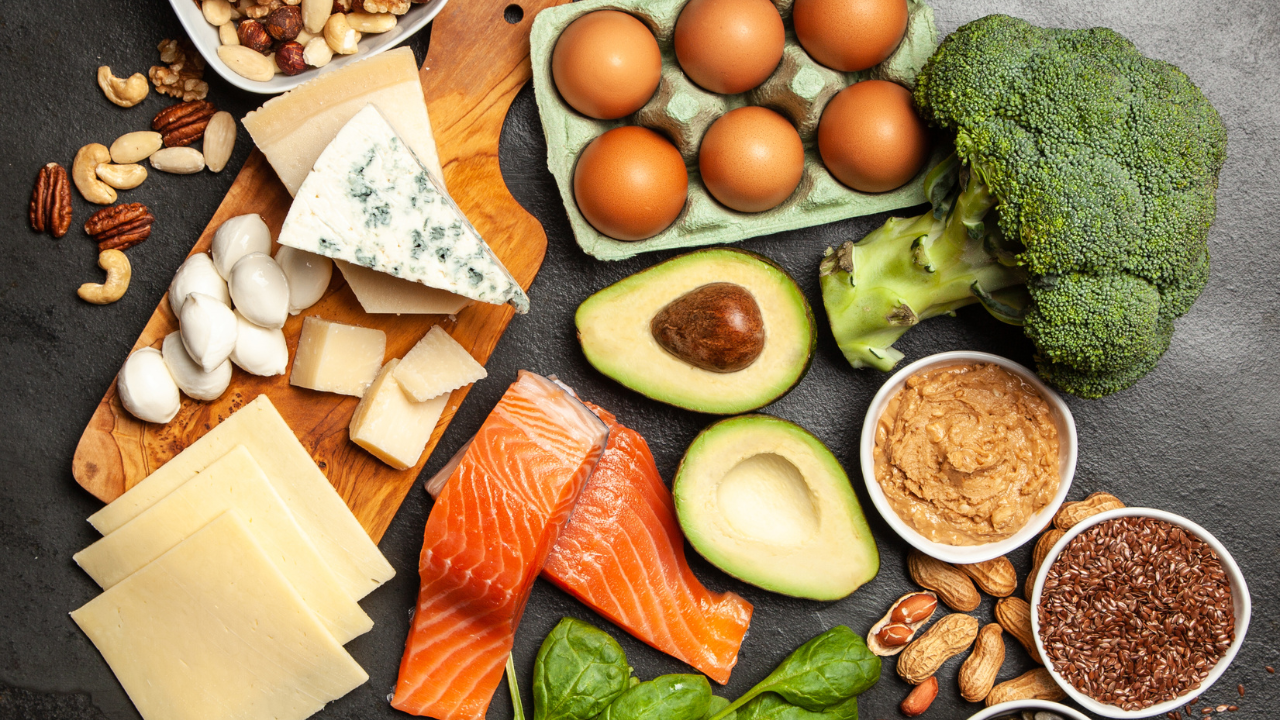
The food you eat can make or break you, and this applies to the health of your brain as well. Eating the right foods can help prevent the destructive effects of genetics, inflammation in the body, and fatty liver disease.
Consuming foods that are high in certain fatty acids, such as fish and olive oil, can help reduce inflammation. Following Mediterranean and MIND diets — that focus on eating fruits, vegetables, legumes, and whole grains, and staying away from red meat — can help reduce your risk of depression.
Reducing your consumption of foods that are high in saturated fat and sugar can also help to lessen liver damage and inflammation. Gut bacterial composition can be fixed by switching to a diet high in fiber and low in sugar.
Genetics, depression and diet
Some people suffer from phenylketonuria, a birth defect that causes an amino acid called phenylalanine to build up in the body. If left untreated, this disease can lead to brain damage, intellectual disabilities, behavioral symptoms or seizures.
Thankfully, the right diet can help combat this condition. Maintaining a diet low in protein — and specifically low in phenylalanine — can help prevent brain damage associated with this genetic disease.