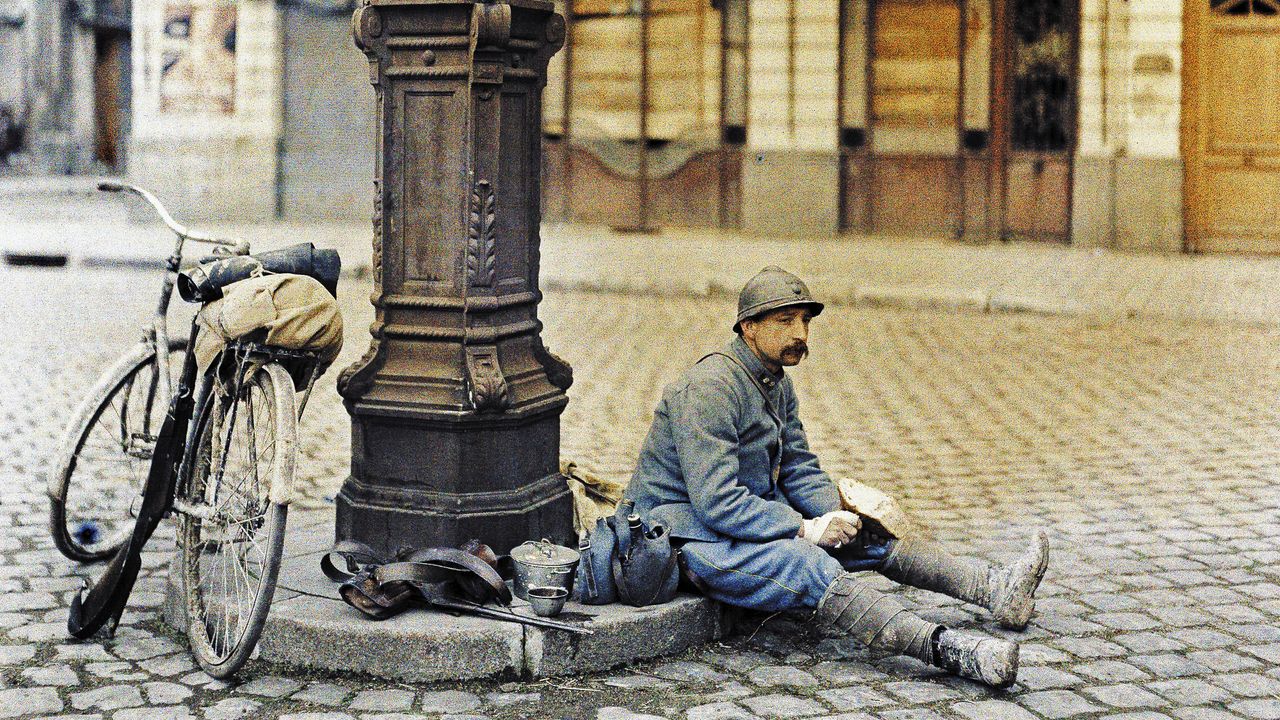
Color photography got its start from an unusually bland source: Potatoes. The first attempts at color photography date all the way back to 1861, but while the very first color photograph sparked an interest in capturing color, it wasn’t until the early 1900s that an easily repeatable, beginner-friendly form of color photography would emerge – and from a basic vegetable no less.
In 1861, the color-obsessed researcher James Clerk Maxwell proved that mixing red, green and blue light would allow the human eye to see a full color photograph. But early attempts to capture color in photographs were complex and impractical.
The French brothers Auguste and Louis Lumière took the idea of using red, green and blue dots to create a full-color photograph and started looking for the materials to create a transparent color filter. The material needed to have uniform, microscopic round particles, but it also needed to be relatively easy (and affordable) to find – and that’s where the potato comes in.
Potato starch has microscopic round particles. The Lumière brothers found that adding dye to potato starch in separate batches of red, green, and violet and then mixing the solution together and painting over a sticky glass plate created a color filter. Charcoal powder was used to fill in any gaps and help create contrast. Light went through the tri-colored dyed potato starch coating on one side of the glass to hit the light-sensitive chemicals on the other side of the glass plate.
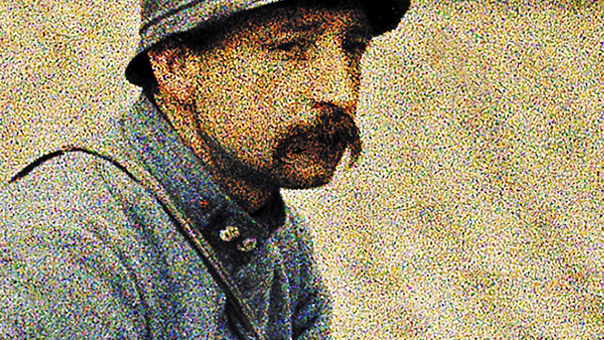
The result was a glass photograph like many of the glass-based images of the era – only these photographs were in color. Better yet, the Autochrome Lumière plates worked with existing cameras.
The Autochrome overcame a number of hurdles that earlier color photography attempts did not, making a process that was easy enough and affordable enough to create a sellable photography process. But, the Autochrome wasn’t without its challenges. The glass plates needed to be held up to light to view, with the best way to see the glass images through a diascope stand with a mirror. Autochromes also tend to fade when exposed to too much UV light, so these photographs weren’t something that could just be hung on a wall.
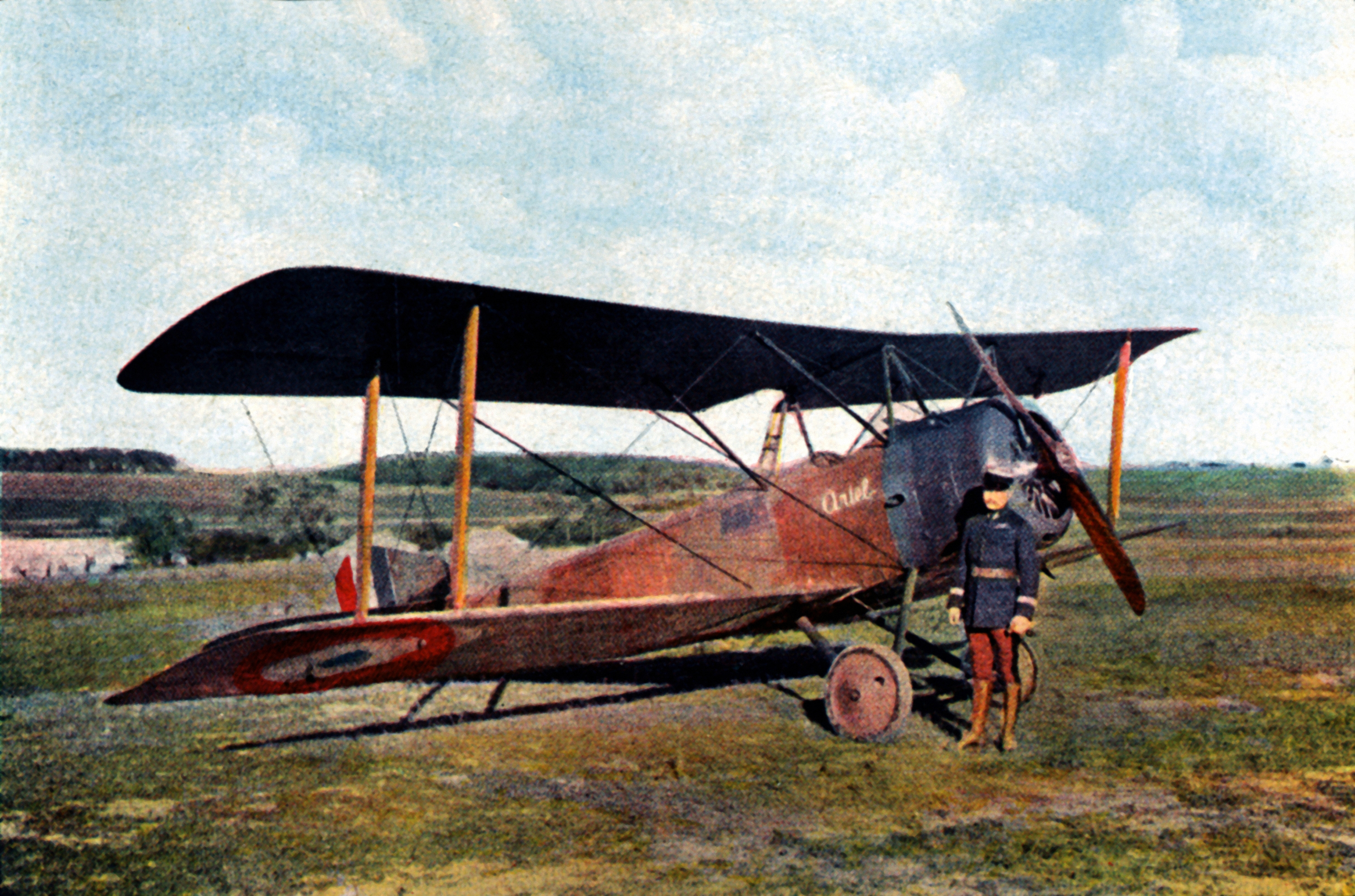
Autochromes were known for having a rather startling dreamlike feel to them. In fact, one article from the Photographic News in 1908 described the process this way: “Witchcraft would have been but a feeble, almost complimentary term, for anything so realistic and startling.”
While the autochrome is considered the first commercially successful form of color photography, the plates were more expensive than monochrome ones and required a much longer exposure time – even a sunny day would have still required a one-second exposure, longer on a cloudy day.
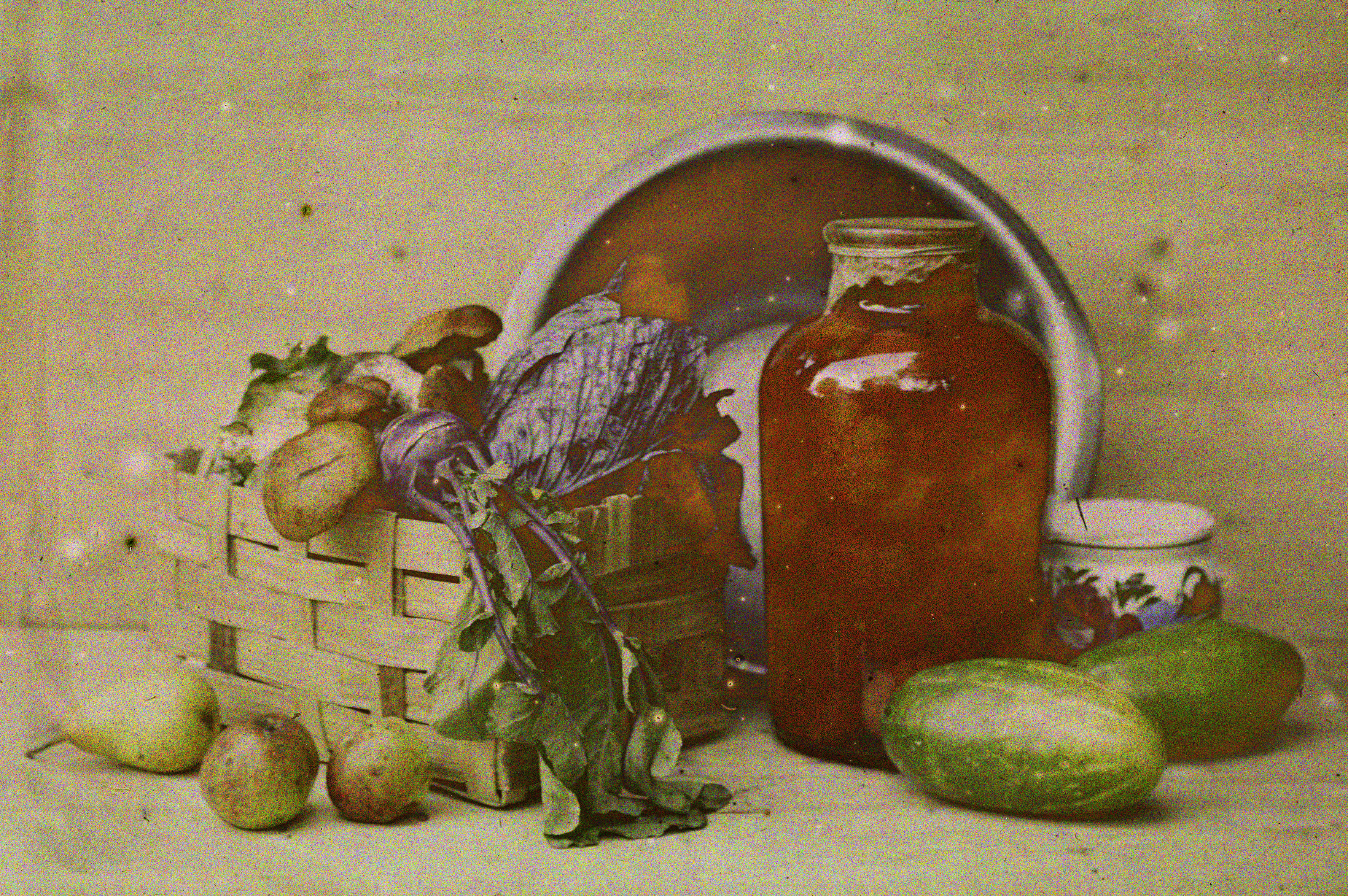
Multi-layer color films eventually replaced the fragile glass plates. But the autochrome also helped prove a concept that is still in use today: that dots of red, green, and blue can create a full color image.
Digital camera sensors use a similar idea. A colored filter array arranged with tiny green, red, and blue filters is what allows a camera sensor to see colors – without this arrangement of red, green, and blue, the camera sensor would be black-and-white.