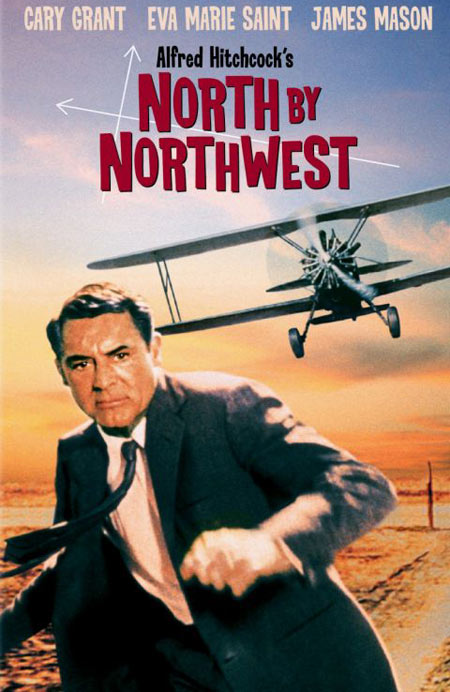
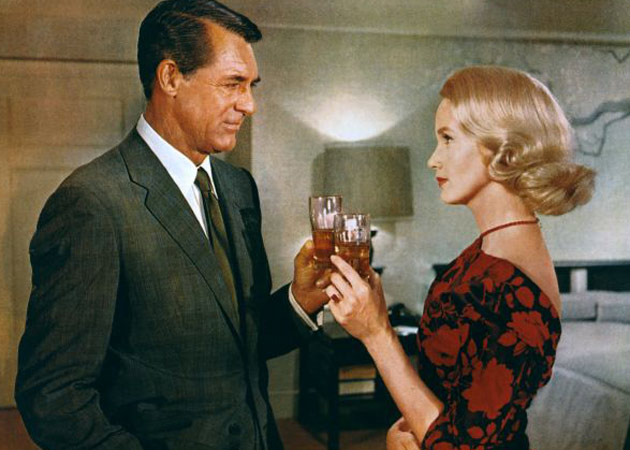
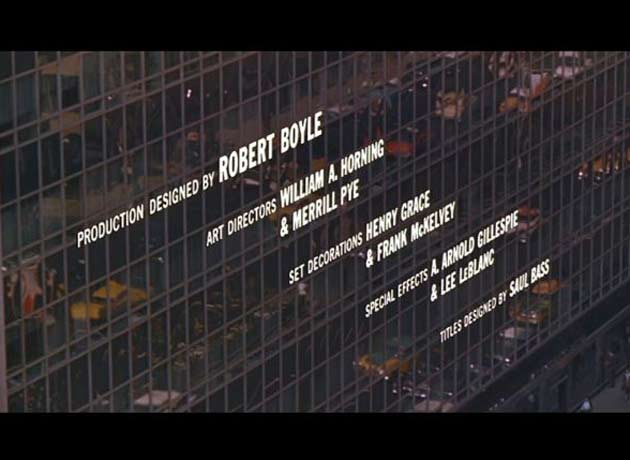
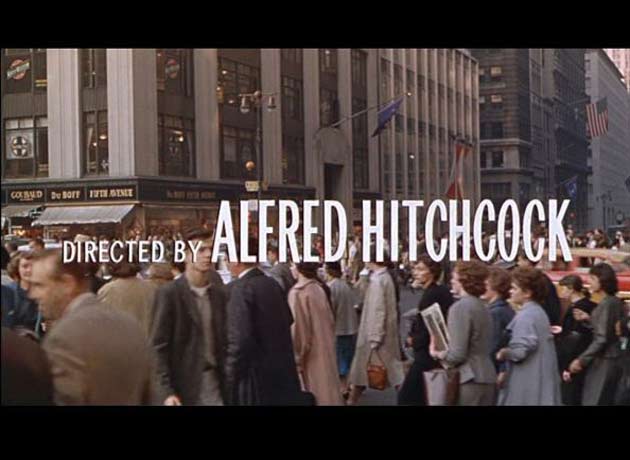
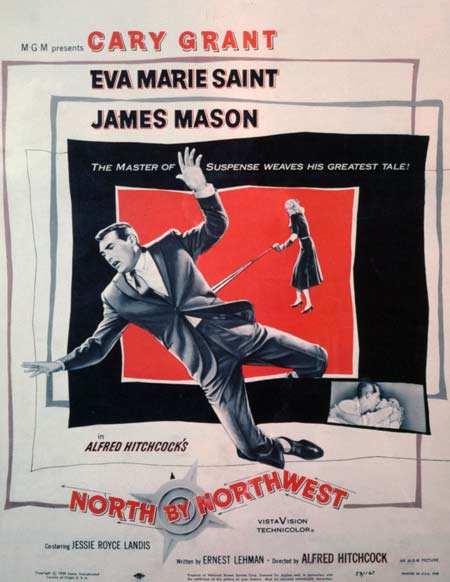
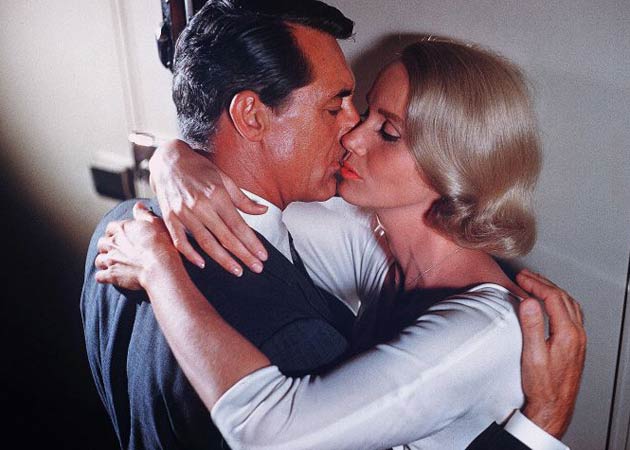
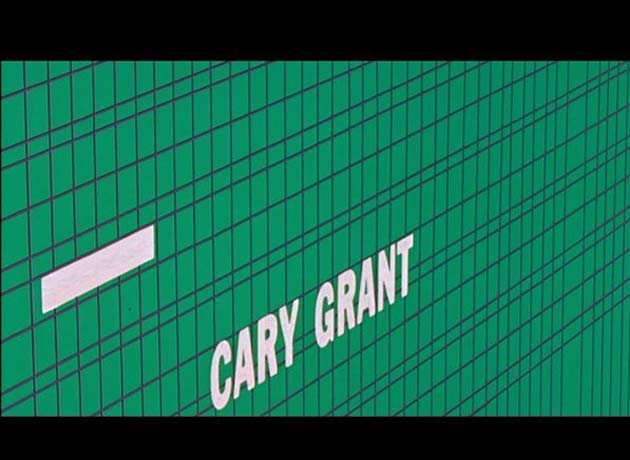
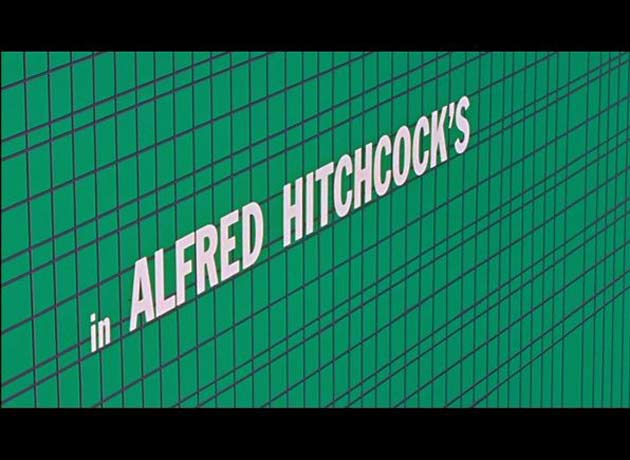
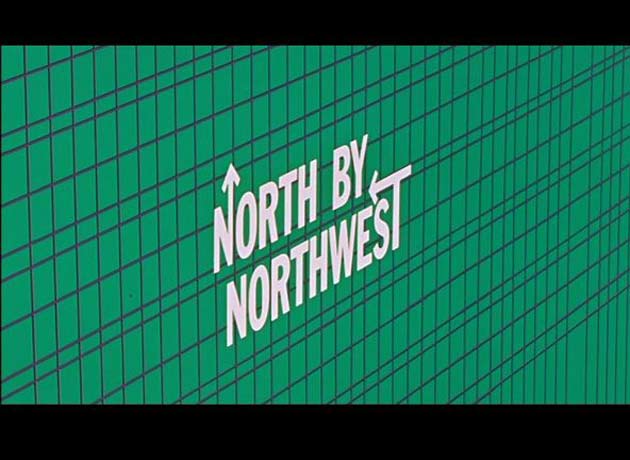
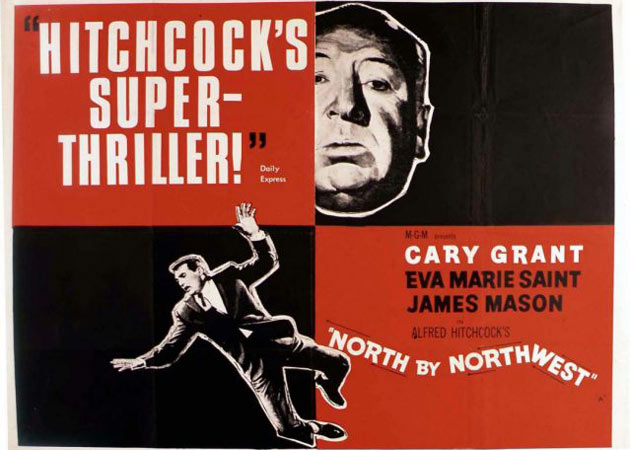
Hitchcock was, as always, sensitive to the popular zeitgeist. Especially in America these themes were drawn out, increasingly explicitly, in relation to Freud’s psychoanalytical ideas which had become part of the cultural currency during the 1950s. Freud’s ideas were recognised as convenient and powerful tools for describing and explaining the underlying motivations of modern society. Photograph: AllstarThis was especially the case in relation to the rapidly developing consumer culture of the post-WW2 economic boom in America. Anxiety and desire were installed, by the advertising industry, as the main drivers of American consumer society. It was entirely appropriate that, in these circumstances, the hero of NxNW, Roger Thornhill (Cary Grant) should be a smart, smooth, cynical and clever advertising executive.Photograph: AllstarThe visual identity of the film is established, from the very beginning, by the animated typography of the title sequence by Saul Bass. The sequence begins with lines, drawn at right-angles and seen in perspective. The lines become crossed-hairs, subliminally referring to guns and deadly precision. Eventually, these lines build up to create a grid.Photograph: Public domain
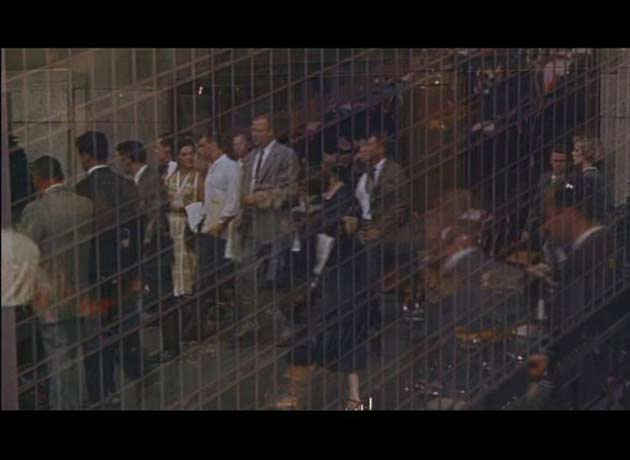
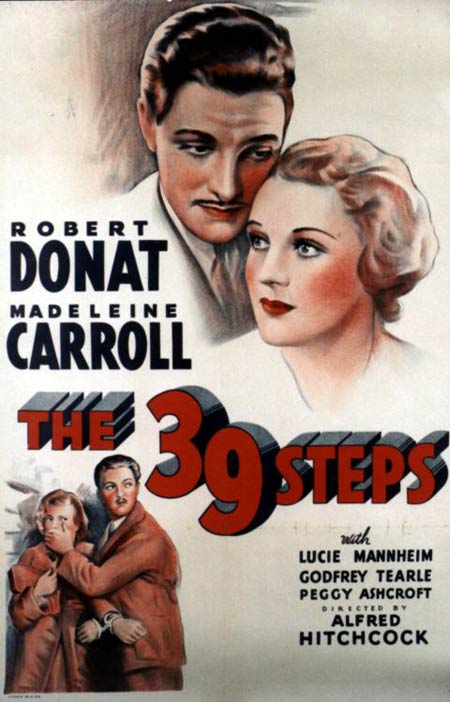
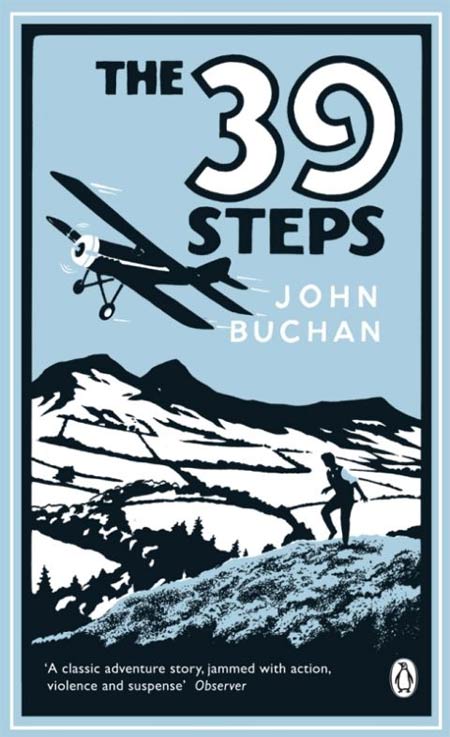
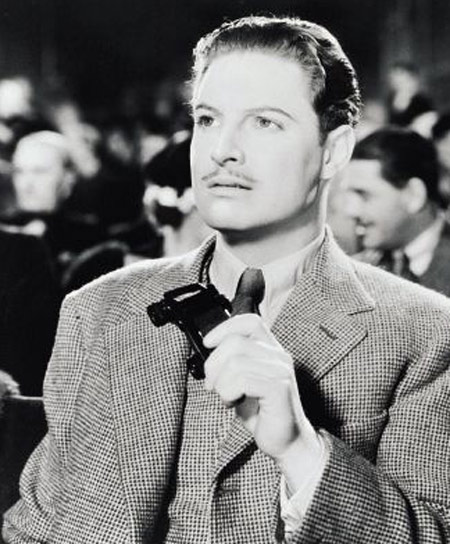
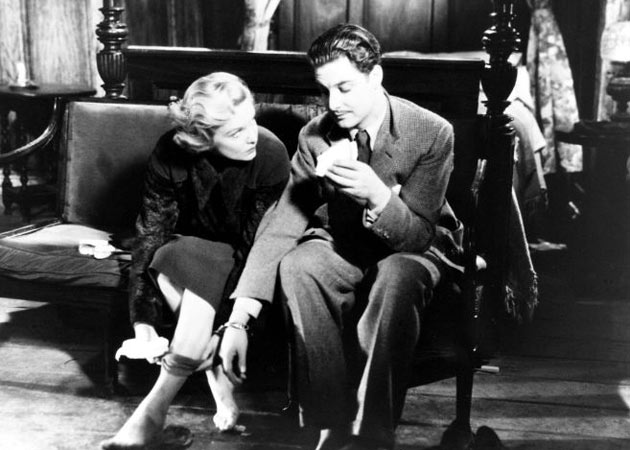
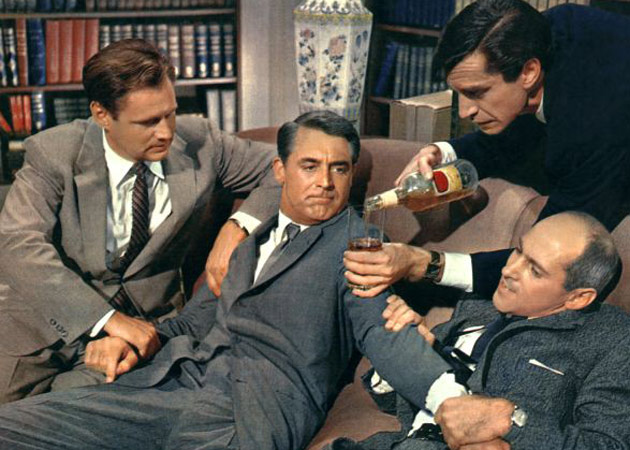
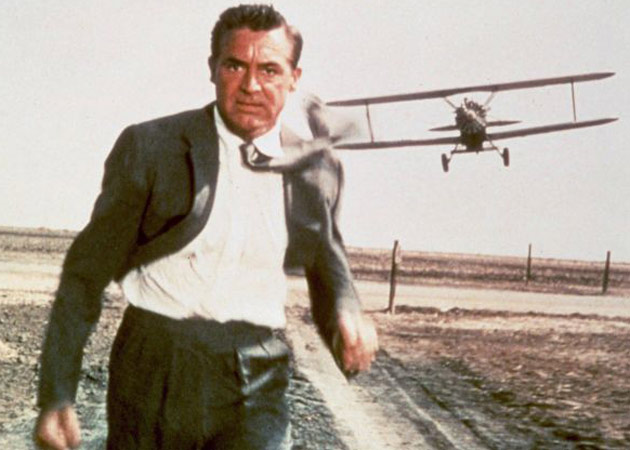
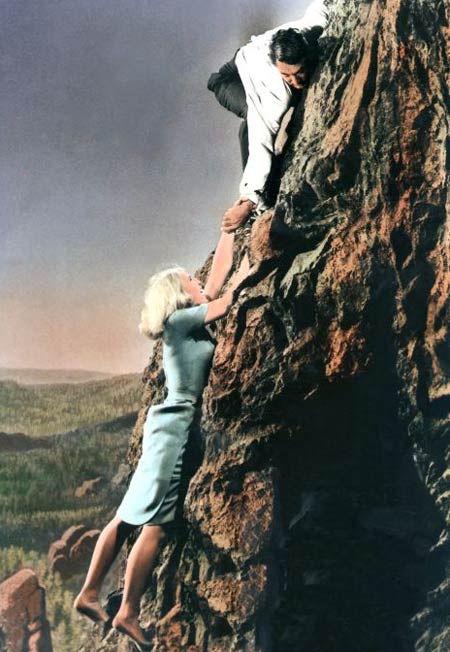
Typographic elements begin to enter the frame and build the title. Eventually, the grid becomes understood as the metal and glass façade of a modern office block. The film begins with shots of busy commuters on the pavements below.Photograph: Public domainThe office block is entirely nondescript. It could easily be the headquarters of Thornhill’s creative agency. Alternatively, the smoked-glass and steel could provide the bureaucratic headquarters of some state-sponsored administration. The moral ambiguities of bureaucratic control lie at the heart of this story.Photograph: Public domainAt one level, North by Northwest is a straightforward thriller based on a case of mistaken identity and relentless pursuit. In the context of the 1950s in America, it was natural for this to happen against a backdrop of cold-war espionage, national security issues and administrative excess.Photograph: KobalIn fact, notwithstanding these contemporary elements, the film is a pretty straight re-run of an earlier Hitchcock classic, The 39 Steps (1935). Hitchcock’s film, in turn, was a dramatisation of John Buchan’s famous adventure, The Thirty-Nine Steps.Photograph: Ronald Grant Archive In Buchan’s story, the issue of mistaken identity is played out against a background of great-power espionage. The police and British secret-service mistakenly identify Richard Hannay as a murder suspect. Hannay flees to Scotland and uses his bush-craft skills to evade capture. Eventually, Hannay exposes a fiendish plot and saves the day.Photograph: PRIt’s worth noting that the protagonists of both Hitchcock’s films, Thornhill and Hannay, remain remarkably well dressed throughout their travails. The Scottish setting of Buchan’s adventure, provides a suitable background for thorn-proof shooting tweeds. Hannay’s previous adventures, in the South African Veldt, have equipped him with a wealth of bush-craft. Photograph: Ronald Grant ArchiveThe heavy-weight tweed suit provides a perfect signifier of old school and outdoor hunter-gatherer skills. Hannay is, accordingly, immediately identified as both brave and practical. The tweeds allow him to remain hidden from both the police and his enemies. The police attempt to sweep him from the moors. His enemies, a band of enemy spies, make use of mechanical advantage and attempt to spot him from the air.Photograph: KobalThornhill’s suit is an American lightweight two-piece, understood as a prototype of the man-about-town style. It’s a lounge suit made in grey lightweight cloth, cut so as to provide a contemporary silhouette. The American style featured sharp shoulders and a longer jacket with a draped look. By contrast, the English style involved a closer fitted and sculpted jacket. The grey colour distinguishes Thornhill as creative and daring. Everyone else’s suits are boringly and conformingly dark.Photograph: KobalThornhill’s suit is an American lightweight two-piece, understood as a prototype of the man-about-town style. It’s a lounge suit made in grey lightweight cloth, cut so as to provide a contemporary silhouette. The American style featured sharp shoulders and a longer jacket with a draped look. By contrast, the English style involved a closer fitted and sculpted jacket. The grey colour distinguishes Thornhill as creative and daring. Everyone else’s suits are boringly and conformingly dark.Photograph: KobalThe relentless pursuit of Thornhill reaches a dramatic climax when a crop-dusting aeroplane is used to chase him across the prairie flatlands of the mid-west. The use of the aeroplane as an observational platform provides a powerful and frightening example of the observational potential of technology. It’s obvious that, in the context of the 1950s, this refers to a general and subliminal cold-war anxiety about spy planes and inter-continental ballistic missiles.Photograph: KobalThe aeroplane is fast and agile. The speed and height give the observers an enormous advantage. Escape seems impossible. The visual superiority implicit through aerial observation is a military manifestation of the panoptic tradition of control.Photograph: Ronald Grant ArchiveAt this point, it worth returning to the title sequence and its grid. The grid is elaborated as an intrinsic part of the sequence designed by Bass. It’s only at the end of the sequence that we understand the reference to office blocks, bureaucracy and capital. The ambiguity of the sequence means that, in its earliest stages, we are encouraged to consider various other possibilities. Photograph: Public domainOf course the title grid, with its reference to architectural organisation, is primarily a symbol of rationalism. In addition, the kinetic typography of the title reminds us of the grid as an abstraction of knowledge by reference to the letterpress forms and typesetting of printing. Somewhere in there, and as stated above, is a subliminal reference to maps, reconnaissance, observation and political control.Photograph: Public domainSo, the title sequence and its grid provide a powerful symbol of the fragile balance, in democratic politics, between the power of the State and the liberty of the individual.Photograph: Public domainIn the context of mid-century paranoia, especially in America, this was a film about cold-war threats and about the dangers of bureaucratic mis-identification and the erosion of constitutional rights.Photograph: PR
Sign up to read this article
Read news from 100’s of titles, curated specifically for you.