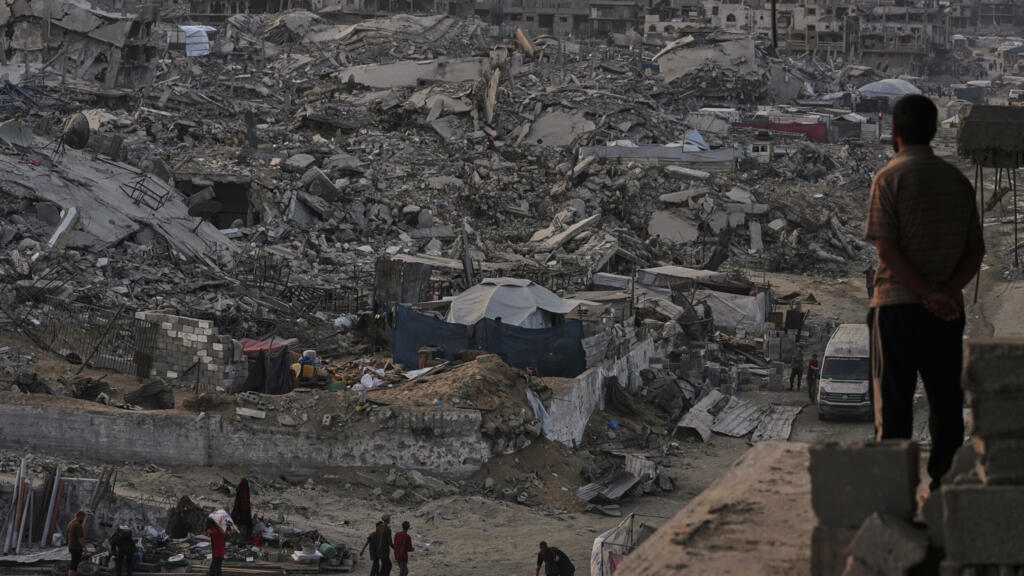
A ceasefire between Israel and Hamas, now more than a month old, has brought a fragile pause to two years of conflict in Gaza. Yet the humanitarian crisis remains brutal, with 92 percent of homes damaged or destroyed and millions in urgent need of aid. In an interview with RFI, Stephanie Lord of the Danish Refugee Council describes the struggle to survive as winter approaches.
"Apocalyptic" and "cataclysmic" are the words Lord, head of emergencies at the Danish Refugee Council (DRC), uses to describe Gaza.
Speaking during an extensive visit to the territory, she told RFI that "nobody is untouched by the conflict", with widespread displacement meaning "most people are not able to be living in their homes because of the extent of damage".
Instead, countless families have found themselves in makeshift shelters and tents, or in partially destroyed buildings.
The scale of need is "incredibly high and vast", Lord says, ranging from clean water and food to medical supplies and even basic items like clothing.
Nobody is untouched by this conflict
REMARKS by Stephanie Lord
"One woman, a single mother trying to provide for her three children, told me today they have been displaced 12 times during the military offensive," Lord said. "Her children have no safe place to play, and they're still wearing the same clothes for the last two years."
Unexploded ordnance
Delivering help into Gaza has proven extremely difficult for organisations like the DRC. "We cannot get enough aid into the Gaza Strip," says Lord.
"There's millions of dollars worth of aid sitting, waiting to come into Gaza, and not enough trucks are being allowed in."
While the ceasefire that came into effect on 10 October has allowed some goods to flow, access remains tightly restricted, compounded by the destruction of infrastructure and the looming threat of unexploded ordnance hidden under the rubble.
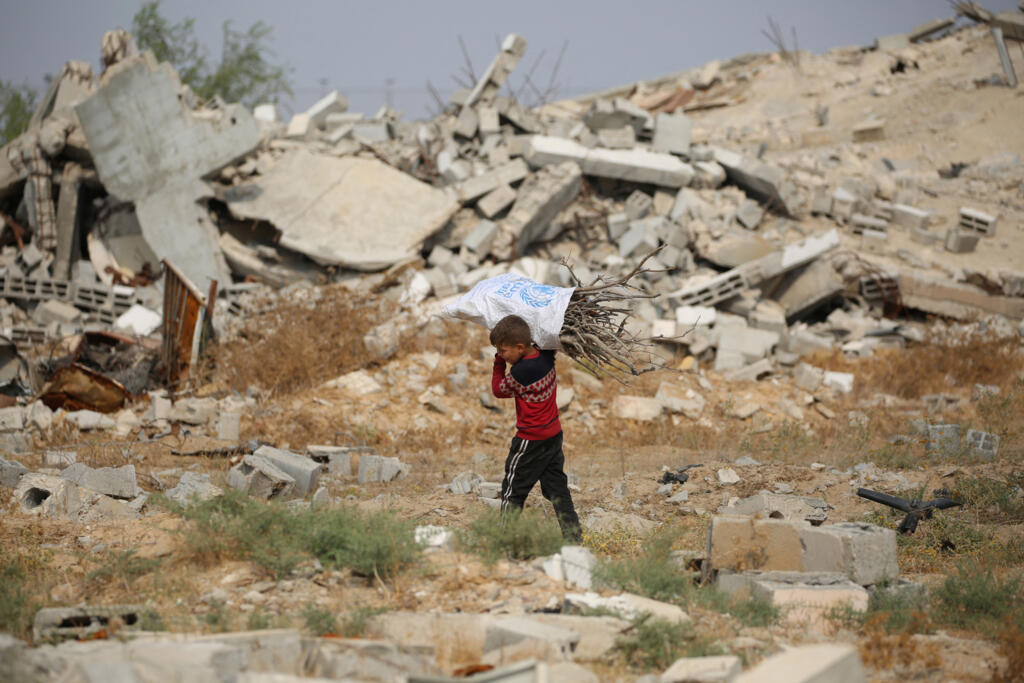
Providing information about those risks is now part of the DRC's daily work, but Lord stresses that it is imperative that unexploded devices be cleared.
Winter risks intensifying the crisis, leaving the displaced especially vulnerable. "The ground that people are currently living on in tents and in makeshift shelters will become waterlogged, wet and cold," she warns, warning of possible outbreaks of disease causing "worsening conditions in the coming weeks".
The logistical challenges also extend to staff, with humanitarian personnel also living in provisional shelters.
Europe seeks role in Gaza as pressure grows on Israel over fragile ceasefire
Limits of resilience
Despite the suffering, Lord sees striking resilience among Gaza's people. "People were telling me today how they just remember the happier times... celebrating with food and parties with their families."
Memories of homes and gardens serve as a lifeline, even when many cannot return. "They know a lot of their belongings and their homes are gone, but they just wish to return back to their land to be able to start again in a safe environment," she says.
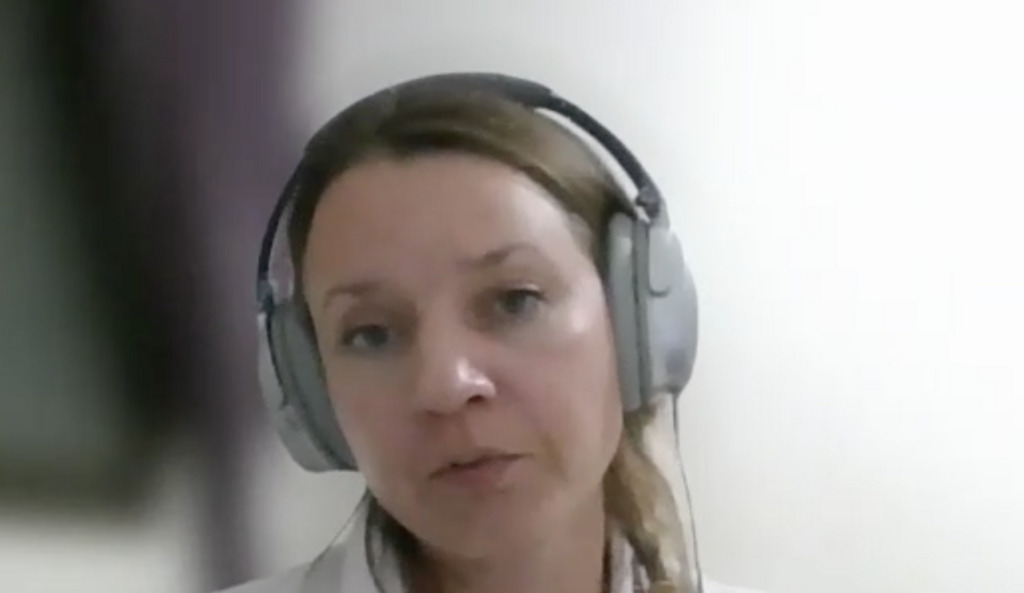
But trauma pervades daily life, and negative "coping mechanisms" have emerged. "Many people here have no hope left and no energy left to continue to keep trying to be resilient," Lord says, highlighting vast unmet mental health needs.
'Nowhere in Gaza is safe' says RFI correspondent amid call for global media access
The DRC provides psychosocial support, but scaling up urgently depends on funding and access. "There are opportunities for us, but we need the international community now to help provide resources," says Lord.
In the meantime, the outlook is grim. "Gaza is a post-apocalyptic wasteland," Lord says. "Even with this ceasefire in place, people are still on the move."