.jpg)
Construction work happens in busy outdoor settings where permanent bathrooms aren’t always available. Workers spend long hours on construction projects, so clean and accessible portable bathrooms become essential. These facilities support comfort, health, and safety throughout the day. When sanitation is managed well, the work environment improves and productivity rises. More companies now see portable restroom facilities as a key part of effective site planning.
Why Sanitation Matters
Most construction sites are far from public restrooms, so workers depend on on-site sanitary station setups. If toilets aren’t available or aren’t clean, workers may drink less water or try to delay bathroom breaks, which can affect health. Poor rest conditions also lead to stress and lower focus.
Investing in portable toilets, along with simple supports like hand sanitizer or a portable hand wash station, helps workers stay comfortable. These small additions improve the overall restroom experience and keep the crew healthier.
Rules Contractors Have to Follow
Sanitation rules exist to protect workers. OSHA requirements often explain how many toilets a site needs based on the number of workers. Many areas follow a guideline of one unit for every ten workers. Inspectors may check sanitation tanks, cleaning schedules, and waste storage conditions to make sure the rules are followed.
Meeting these expectations helps companies avoid fines. It also shows workers that the company cares about their basic needs.
Choosing a Reliable Provider
Good sanitation starts with choosing the right provider. A dependable service company supplies clean units, maintains proper waste storage, and shows up for scheduled servicing. This matters because a poorly kept unit can disrupt the entire site.
Many contractors choose providers that offer different types of portable restroom facilities, including single occupant stalls, flushing stalls, and even vacuum toilets for sites that want a cleaner restroom experience. Providers that can adjust the number of units or increase cleaning and maintenance visits during busy phases are especially useful.
Clear agreements about service times, supply refills, and sanitation tanks help everyone stay on track. Handling this early keeps sanitation running smoothly throughout the construction project.
Putting Toilets in the Right Spots
After choosing a provider, placement becomes the next important step. Toilets that sit too far away won’t get used often. Workers don’t have time to walk long distances just for a short break.
It’s better to place units near active work zones and close to common areas like site office trailers. Toilets should sit on stable ground so they don’t lean or shift. Clear paths help workers reach them safely, especially when they’re carrying tools or wearing safety gear.
A well-placed sanitary station supports both convenience and safety on busy construction projects.
Types of Portable Toilets Used on Construction Sites
Construction sites use several types of portable bathrooms. Basic single occupant stalls work well for short-term jobs or small crews. They’re easy to move and require simple upkeep.
Larger or long-term construction projects often need better features. Some units come with small sinks or portable hand wash stations. Others include flushing stalls that give workers a cleaner restroom experience. Trailer-style portable restroom facilities offer running water, lights, and more space, which helps crews working long shifts.
Some sites also use vacuum toilets because they control odor well and use less water. These choices depend on the size of the crew and the length of the project.
Cleaning and Maintenance
A dirty portable toilet lowers morale fast. Workers avoid it, and complaints start to pile up. Regular cleaning and maintenance prevent these problems.
Most sites need service once or twice a week. This usually includes emptying sanitation tanks, refreshing hand sanitizer, refilling supplies, and wiping down surfaces. Hot weather or large crews may require extra visits to keep odors under control.
Quick checks during the day help catch small issues early, like low toilet paper or a full tank. Constant attention to cleaning and maintenance keeps the restroom experience comfortable for everyone.
How Better Toilets Support Worker Welfare
Clean portable bathrooms show workers they’re valued. They make long workdays easier and help everyone feel more comfortable.
Sanitation also protects health. Workers stay hydrated when they know clean toilets and handwashing options are available. This matters during physical work or hot weather.
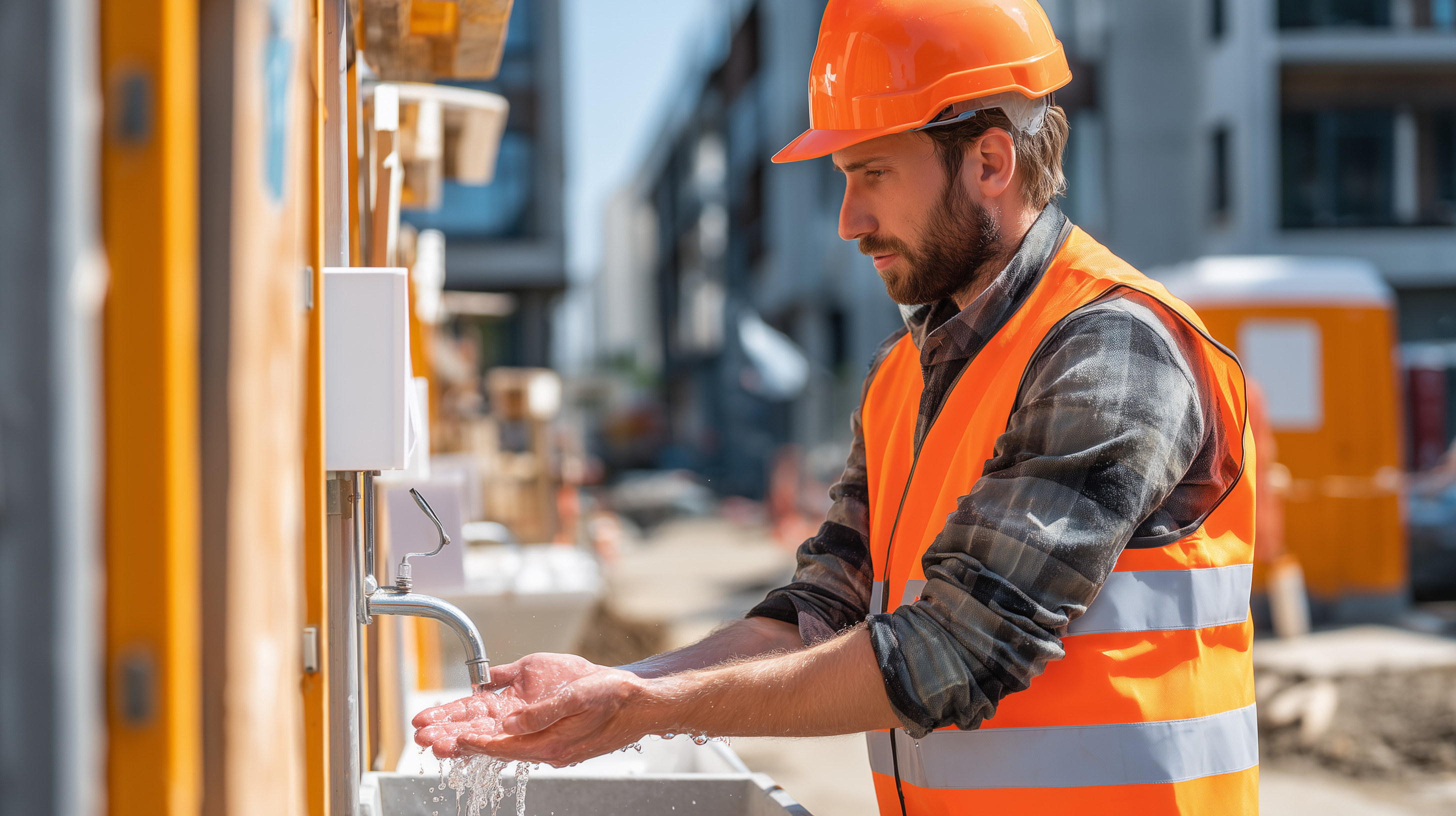
More women are joining construction projects, and clean, private stalls help meet their needs. A well-managed sanitary station improves job satisfaction and helps build a more positive work environment.
Safety and Environmental Points to Consider
Poorly kept units can create slipping hazards, pests, and strong odors. Keeping toilets stable, clean, and well-stocked prevents these issues.
Environmental concerns matter too. Many sites choose portable restroom facilities that use safe cleaning products, efficient sanitation tanks, and low-water systems. Some units also use solar ventilation or vacuum toilets to reduce environmental impact.
These improvements support both safety and sustainability on construction projects.
What’s Changing in Construction Site Sanitation
Sanitation on construction sites is improving as expectations rise. Some portable bathrooms now come with sensors that show when supplies are low or when sanitation tanks need emptying. This helps service teams stay ahead of problems.
Workers also want better comfort. Many contractors choose units with brighter lighting, smoother surfaces, and better airflow. Some add portable hand wash stations to improve hygiene.
Long-term projects now plan sanitation early instead of adding toilets later, which prevents issues and improves daily workflow.
Conclusion
Portable restroom facilities play an important role in worker comfort and safety. Clean, well-placed units help crews stay healthy and focused throughout the day. New features and smarter cleaning schedules are improving the restroom experience on modern construction projects. With the right planning and the right provider, sanitation becomes a reliable part of daily operations. These improvements support stronger teams and better work environments from start to finish.