Encroachment by people into one of Africa’s most celebrated ecosystems is “squeezing the wildlife in its core”, by damaging habitation and disrupting the migration routes of animals, a major international study has concluded.
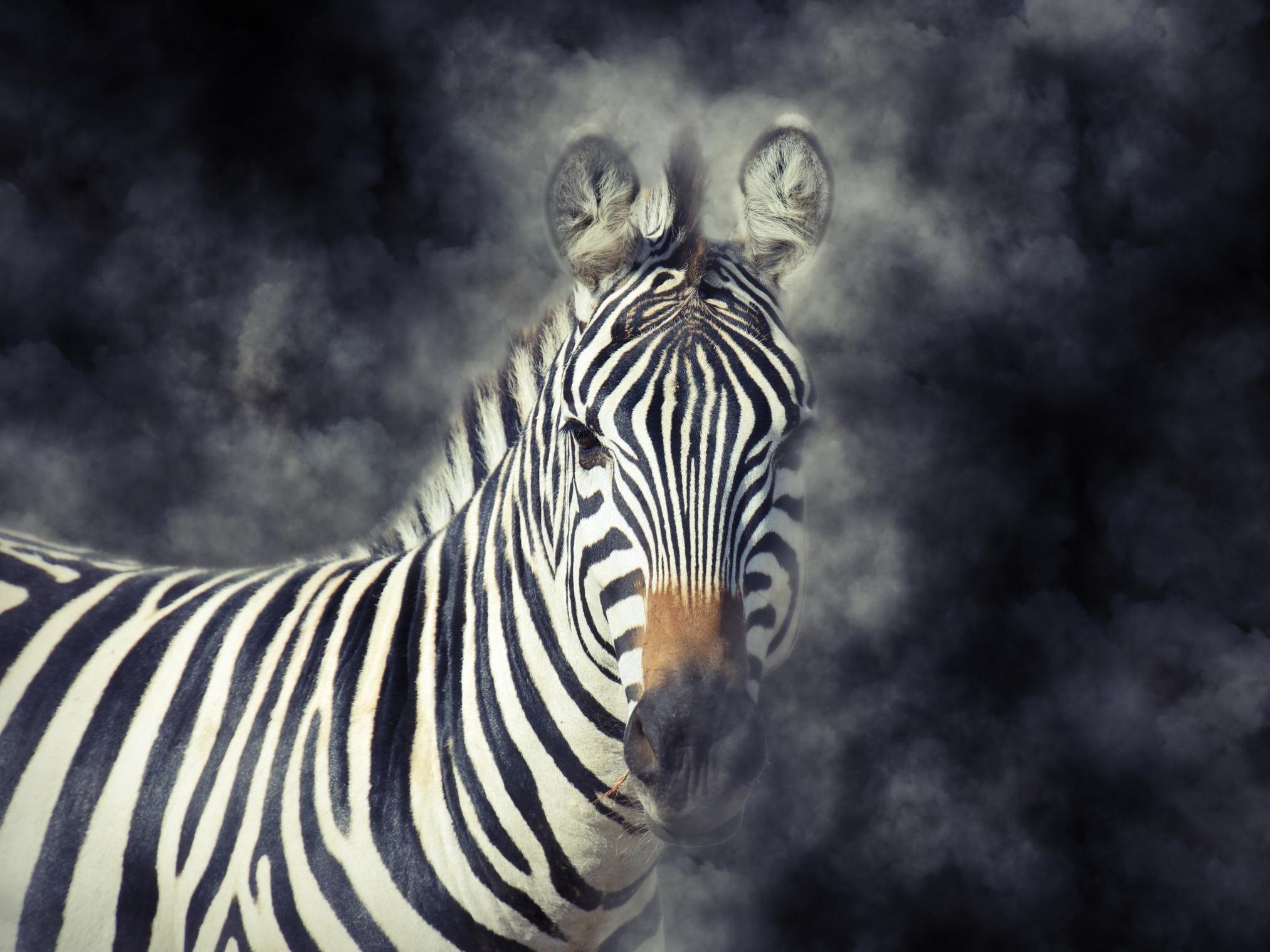
Boundary areas of the Serengeti-Mara region in East Africa have seen a 400 per cent increase in human population over the last decade, while more than three quarters of the populations of some of the larger species of migrating animals like wildebeest, zebra and gazelle have been wiped out, scientists revealed after examining 40 years of data.
Despite being one of the most protected ecosystems on Earth, the influx of people and livestock around both the Serengeti and Masai Mara has had a detrimental impact on plants, wild animals and soils.
This has occurred in two main ways, the study found. Firstly, the protected areas’ or “buffer zones” where more livestock including cattle are being reared, are leaving less and lower quality grasses for wildebeest, zebra and gazelle to graze.
Secondly, the presence of people and farm animals has also reduced the frequency of natural fires, which in turn impacts the variety of vegetation, altering grazing opportunities for wildlife in the core protected areas.
Publishing their findings in the journal Science, the authors said the impacts were cascading down the food chain.
Animals were forced to eat less palatable herbs and therefore the beneficial interactions between plants and microorganisms that enable the ecosystem to flourish were being altered.
“There is an urgent need to rethink how we manage the boundaries of protected areas to be able to conserve biodiversity," said the study's lead author, Dr Michiel Veldhuis from the University of Groningen. “The future of the world’s most iconic protected area and their associated human population may depend on it.”
The effects could potentially make the ecosystem less resilient to future shocks such as drought or further climate change, his team warned.
They also ecommended the consideration of alternative strategies to maintain the coexistence and livelihood of local people and wildlife in the landscapes surrounding protected areas.
“The current strategy of increasingly hard boundaries may be a major risk to both people and wildlife,” they said.
Another member of the team, Dr Kate Parr from the University of Liverpool, said: “Our results show that we cannot rely on the sheer extent of protected areas to conserve biodiversity – human impacts are pervasive and threaten even our most iconic reserves.”
Dr Simon Mduma, Director of the Tanzanian Government’s Wildlife Research Institute added: “These results come at the right time, as the Tanzanian government is now taking important steps to address these protected areas boundary issues on a national level. This paper provides important scientific evidence of the far-ranging consequences of the increased human pressures around the Serengeti-Mara ecosystem, information that is now urgently needed by policymakers and politicians.”