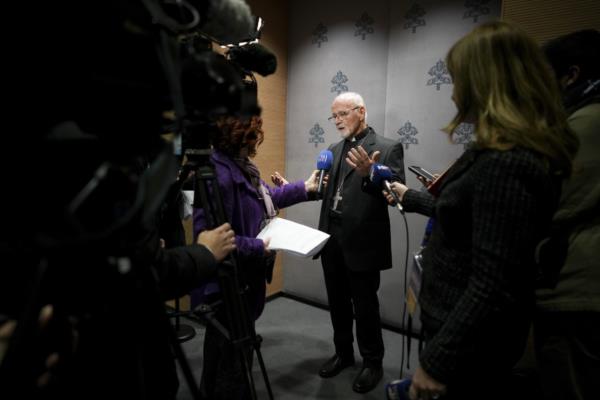
Pope Francis has appointed 21 new cardinals, many of whom are aligned with his reform agenda. This consistory marks the largest addition of voting-age cardinals during his pontificate, solidifying his influence over the future papal elections. With these new appointments, Francis has now selected 110 out of the 140 cardinals under 80, eligible to participate in a conclave.
Despite exceeding the 120-cardinal limit set by St. John Paul II, the number will decrease next year as 13 current cardinals will turn 80. Notably, this group of 21 cardinals differs from those announced in October, with one bishop declining the honor and being replaced by the Naples archbishop known for his work in impoverished areas.
Italy received the most new cardinals, with five individuals being elevated. Among them is the oldest cardinal, a 99-year-old retired Vatican diplomat, and the youngest, a 44-year-old Ukrainian Greek Catholic Church leader in Australia. Additionally, two Vatican priests were appointed cardinals, including one responsible for organizing the pope's foreign trips.
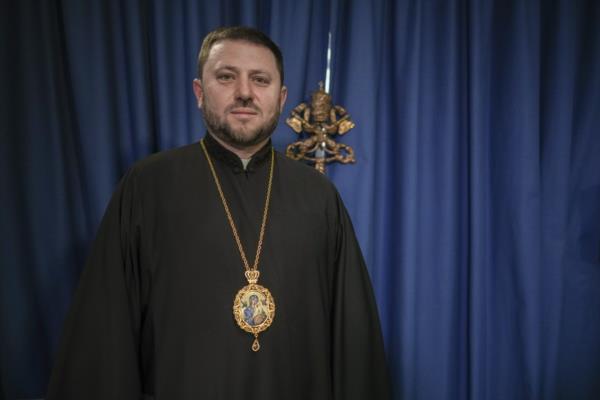
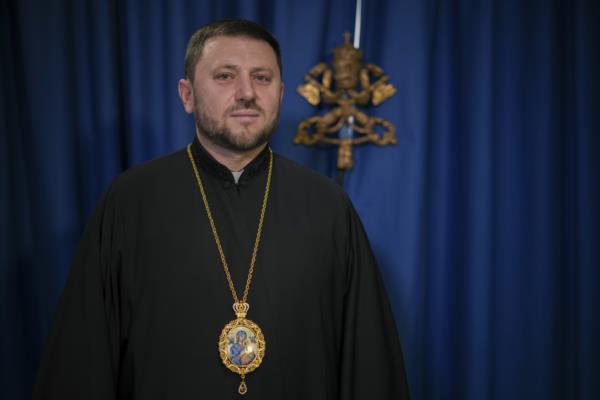
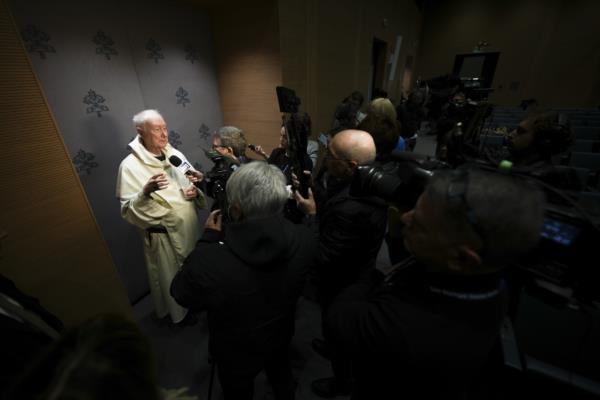
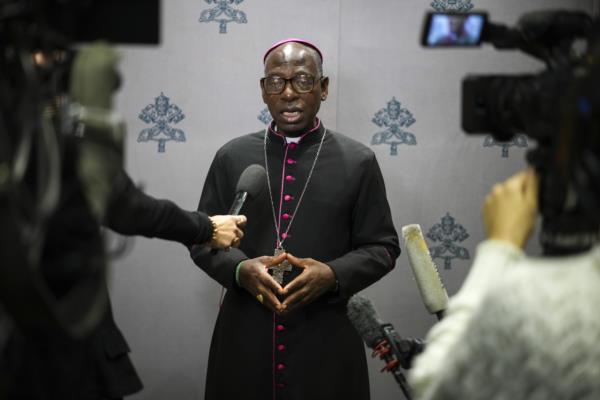
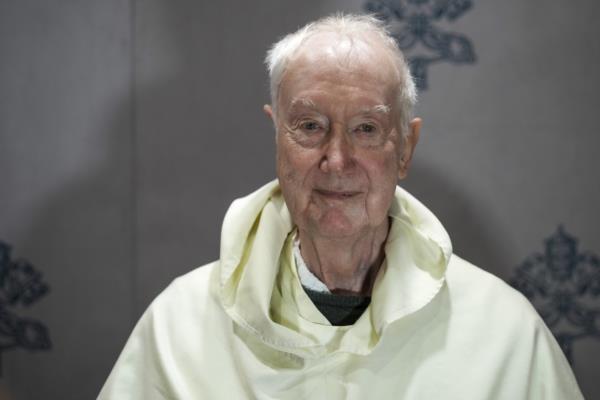
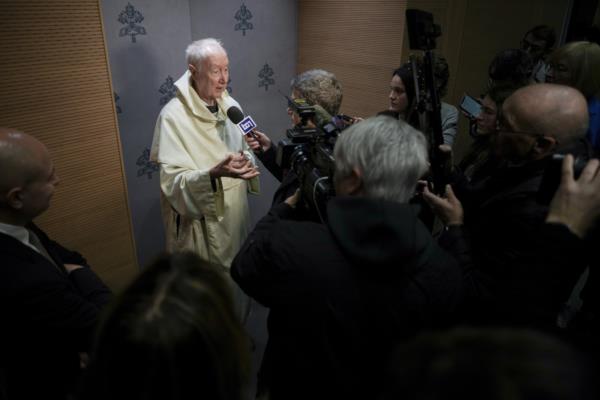
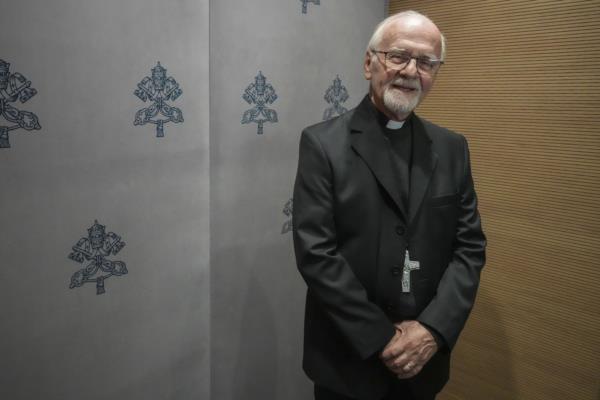
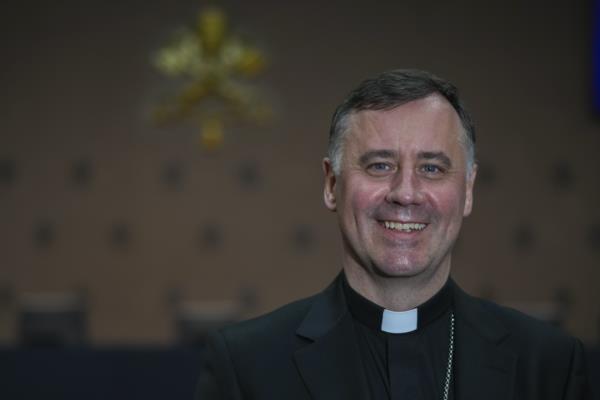
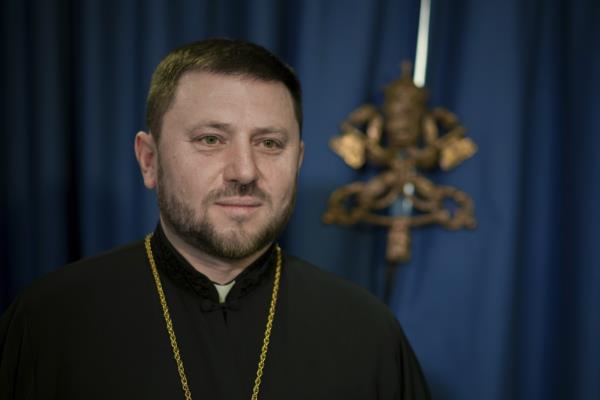
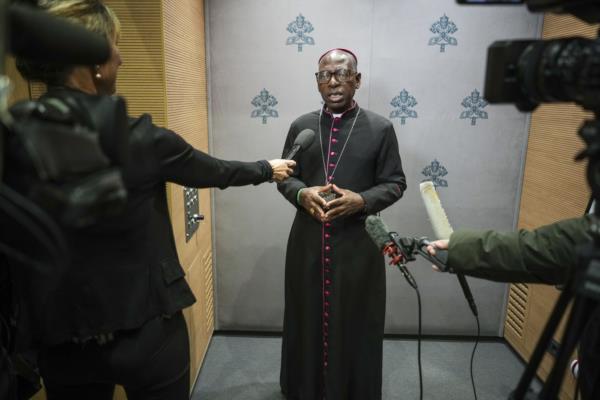
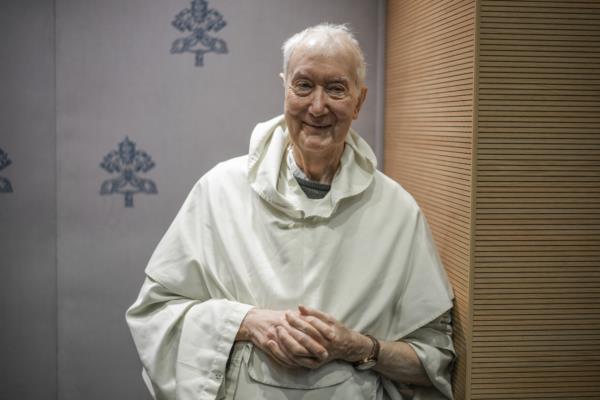
Several new cardinals play significant roles in Francis' reforms, such as the Archbishop of Lima, Peru, who recently advocated for the suppression of a conservative Catholic movement. The appointments also reflect the pope's efforts to diversify the College of Cardinals geographically, with five new cardinals from Latin America, two from Asia, and two from Africa.
One cardinal-elect, the archpriest of St. Mary Major basilica, has a unique role in hosting the pope after his foreign travels and overseeing financial reforms. Another prominent figure among the new cardinals is the Dominican Timothy Radcliff, who served as the spiritual father of a recent bishops' gathering focused on inclusivity and responsiveness to Catholics' needs.
Overall, these new cardinals represent a mix of backgrounds and expertise, contributing to Pope Francis' ongoing efforts to reform and diversify the leadership of the Catholic Church.