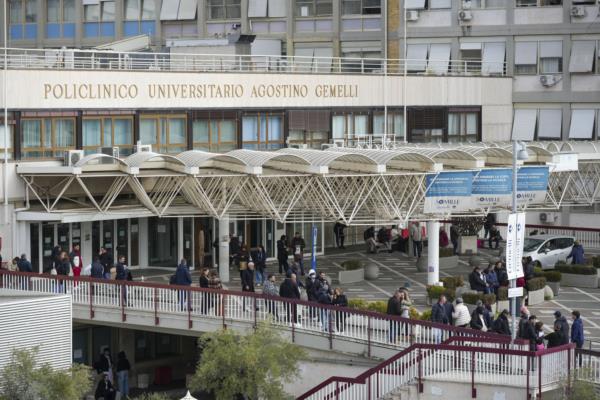
Vatican authorities announced on Monday that Pope Francis, 88, is battling a complex infection in his respiratory system. The specific diagnosis is a polymicrobial respiratory tract infection, indicating a mix of bacteria, viruses, fungi, or parasites in his lungs. This condition is particularly concerning given the Pope's medical history, having lost part of his right lung and experienced pneumonia in the past.
Understanding the Diagnosis
Dr. Maor Sauler, a specialist in pulmonary and critical care medicine, explained that such infections are common in older individuals with weakened immune systems or underlying health issues. The presence of multiple organisms in the lungs necessitates tailored antibiotic treatment to address each one effectively.
Treatment and Prognosis
Doctors are focused on administering the right medications to combat the infection. The Pope may require a combination of antibiotics, respiratory support such as oxygen therapy, and physiotherapy to aid in clearing fluids from his lungs. The duration of treatment can vary, typically lasting from a few days to a couple of weeks.
Potential Complications
One of the primary concerns is the development of pneumonia, a leading cause of death, especially in older individuals. While antibiotics play a crucial role, the immune system's response is equally vital. Monitoring for any signs of deterioration is crucial in assessing the effectiveness of the treatment plan.
Outlook and Monitoring
Despite the challenges posed by the infection, there is optimism that with the right antibiotic therapy and medical care, the Pope can recover. Doctors will closely monitor his condition in the coming days to evaluate his response to treatment and adjust as necessary.
As the world awaits updates on Pope Francis' health, the medical team remains vigilant in their efforts to ensure his well-being and recovery.