The death of a man from sepsis following elective surgery at a hospital in Tasmania was entirely avoidable and due to poor medical treatment, a coroner has ruled.
Grandfather Graeme Charles Davis, who had undergone a procedure to remove his bladder, wasn't given antibiotics to treat the infection until it was "too late".
The 56-year-old was admitted for surgery at the Launceston General Hospital on January 11, 2018.
It went smoothly but his condition worsened in the week following, with his leaking abdominal wound requiring further surgery. He died on January 27.
In findings published on Thursday, coroner Simon Cooper said it should have been obvious from at least the 20th that Mr Davis was suffering from sepsis.
"Antibiotics were required to treat Mr Davis' sepsis. No antibiotics were prescribed until a short time prior to his death, by which time it is apparent it was too late," Mr Cooper wrote.
Mr Davis' cause of death was described on his medical certificate as a pulmonary embolism, a condition where arteries in the lungs become blocked by a blood clot.
A post-mortem found there was "no evidence of pulmonary embolism".
The coroner was only notified of Mr Davis' death after his widow made a complaint in 2019 to the health commissioner about his treatment.
Five days after his initial operation, Mr Davis suffered nausea, vomiting and abdominal pain.
His temperature reached 39C and tests showed he likely had a bacterial infection but antibiotics were not administered.
Mr Cooper wrote antibiotics weren't given on January 22-23 seemingly because the urology team appeared to think the wound was not infected.
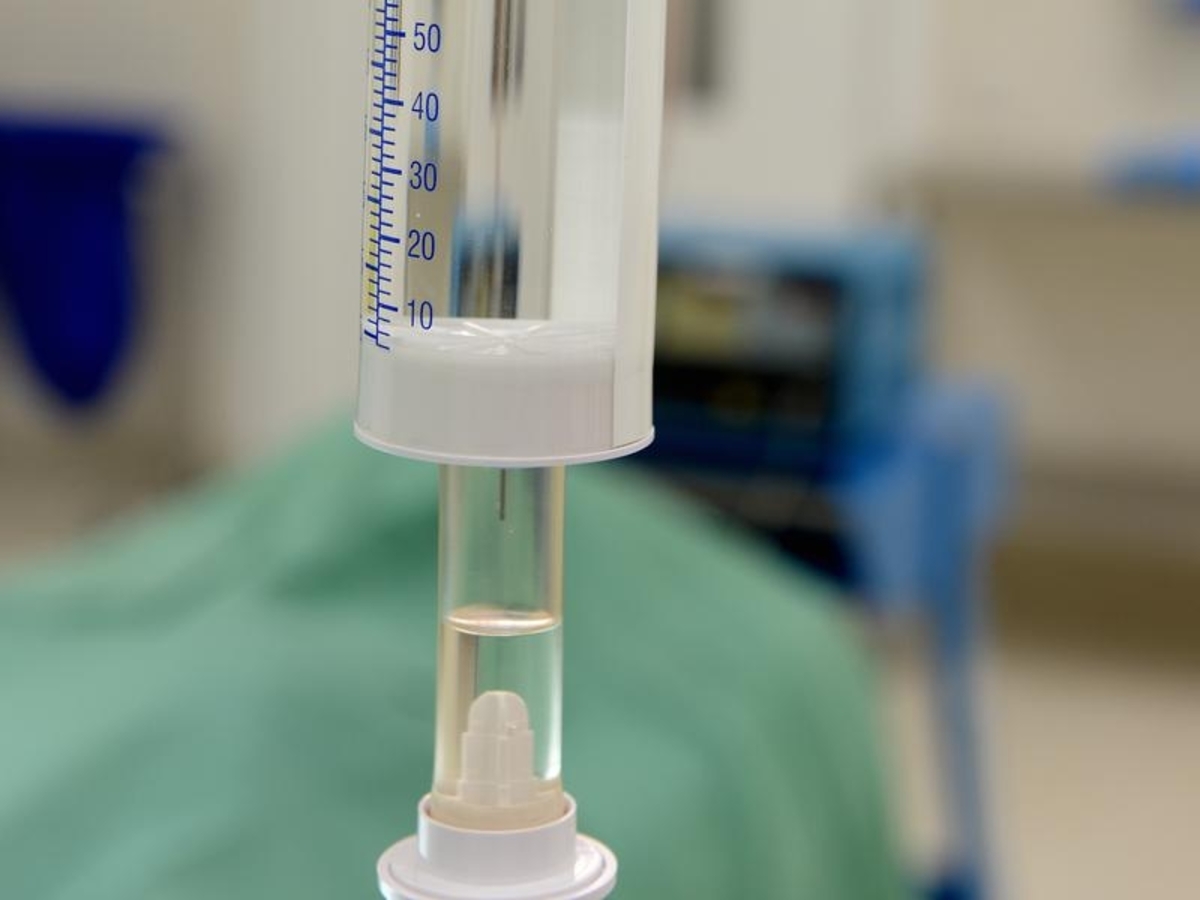
On January 25, antibiotics were commenced intravenously after "it became obvious" Mr Davis had an infection.
"The treatment received by Mr Davis after his operation was poor," Mr Cooper wrote.
"The failure to properly diagnose infection and treat it with antibiotics was regrettable. The delay in the administration of antibiotics, once prescribed, was most unfortunate.
"I am of the view that Mr Davis' death was entirely avoidable. He died because of poor medical treatment."