You have to feel sorry for Polidoro da Caravaggio. No – not that Caravaggio. Exactly.
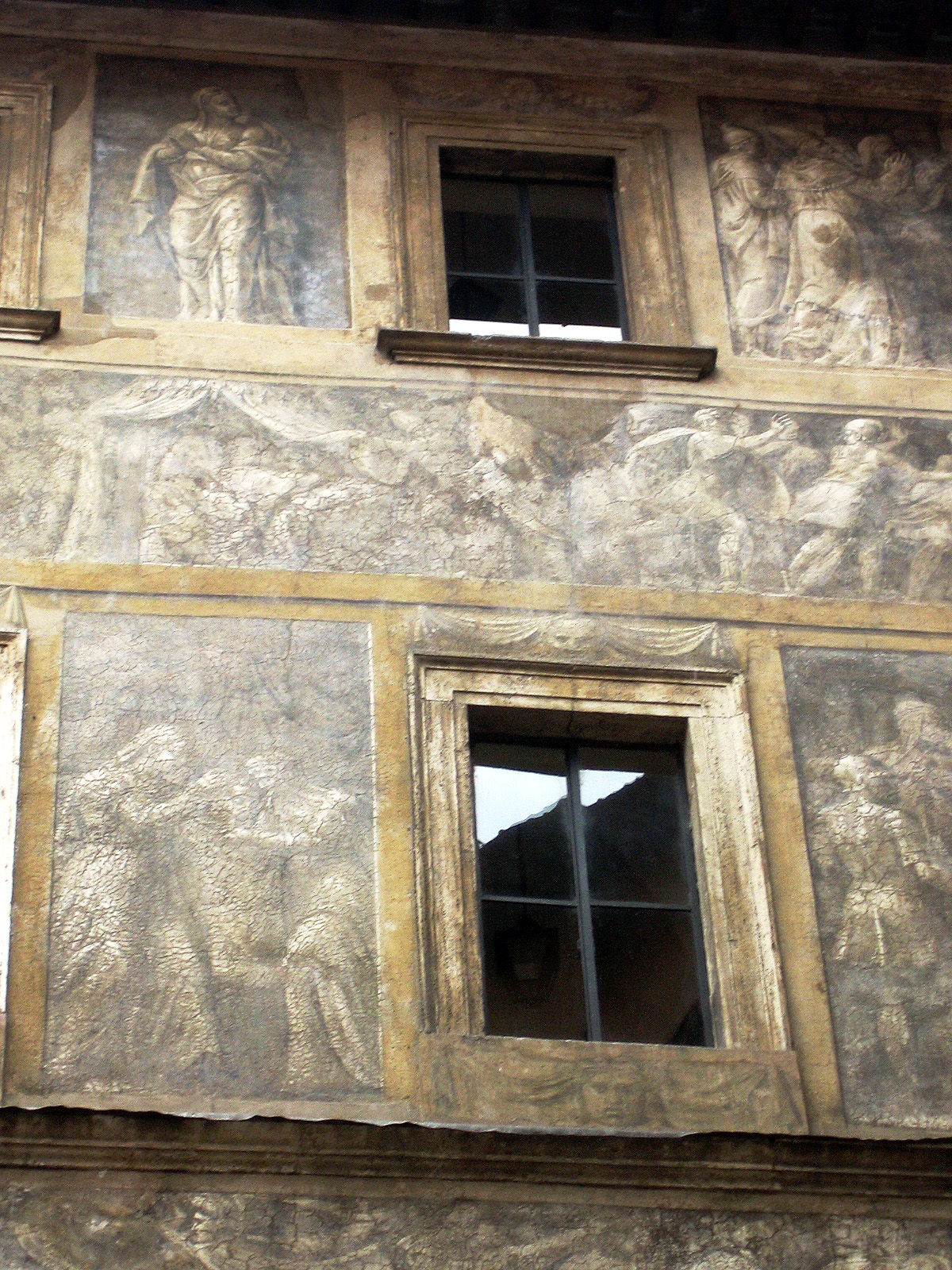
Poor Polidoro came from Caravaggio in northern Italy and was admired in his day for his frescoes on the facades of palaces. He was nicknamed after his hometown; if you talked in the early 16th century about an artist nicknamed Caravaggio, people knew who you meant. Unfortunately, a few decades after his death, another artist, one Michelangelo Merisi, showed up in Rome who also came from Caravaggio. By 1600, if you raved about Caravaggio, it meant the man we still revere.
I started to worry about the comparative oblivion of Polidoro da Caravaggio when I happened to look him up on the National Gallery website the other day. Even this sombre and reliable source feels the need to point visitors in the right direction. "Like his more famous compatriot, Caravaggio", it begins, giving a link immediately for those misled by their shared place of origin.
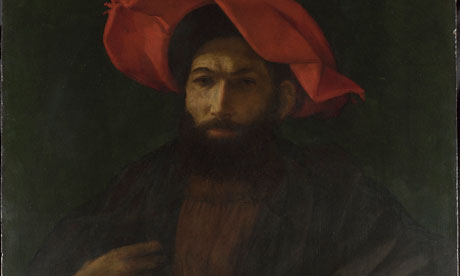
If you do stay with Polidoro for a moment, the National Gallery has two paintings by him. One has only been recently attributed. It is a haunting portrait of A Knight of St John – yet this only adds to the confusion, for the "real" Caravaggio powerfully portraited a Knight of Malta. In fact, Caravaggio (the famous one) was himself briefly a Knight of Malta sworn to protect the island against the Turks. Unfortunately he got into a fight and … Michelangelo Merisi da Caravaggio is so distracting.
Is there anything that can make Polidoro comparably interesting? Let's turn to Giorgio Vasari's Life of Polidoro da Caravaggio, in the 1568 edition of his book The Lives of the Artists. He says Polidoro lived with his colleague Maturino. Their "love" was so great that they "determined like brothers and true companions to live and die together".
While Michelangelo Merisi da Caravaggio is notorious for killing a man, Vasari claims Polidoro da Caravaggio was a victim of murder. He employed an assistant who coveted his money. The greedy assistant planned to kill his master with the help of a gang of accomplices. First he strangled Polidoro in his sleep. Then he and his gang stabbed the dead body again and again, to make sure. They divided up the money and the wicked assistant raised the alarm, sobbing that someone had killed his master. People were suspicious, the assistant was tortured (this was 1543, they didn't mess about) and he confessed. But as Vasari writes: "Life was not restored to Polidoro."
As I said – poor Polidoro.





.jpg?w=600)