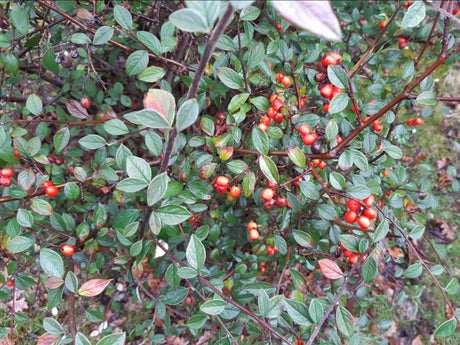
Experts have identified a “super plant” commonly found in the UK which can help soak up pollution on busy roads.
Scientists at the Royal Horticultural Society (RHS) looked at the effectiveness of hedges for soaking up air pollution, comparing different types of shrubs including cotoneaster, hawthorn and western red cedar.
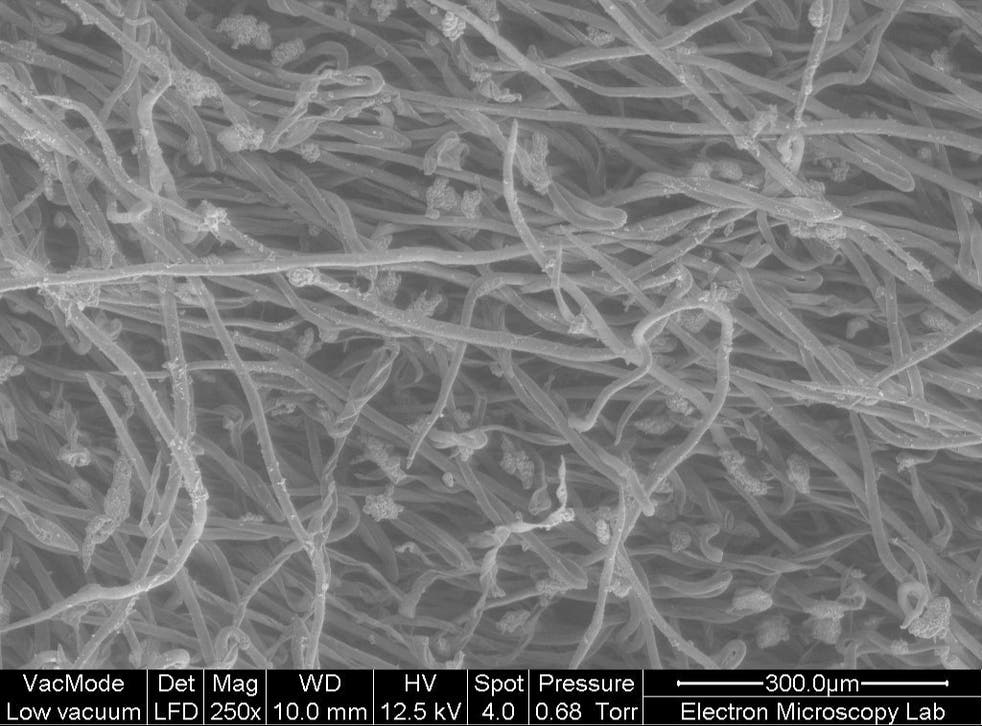
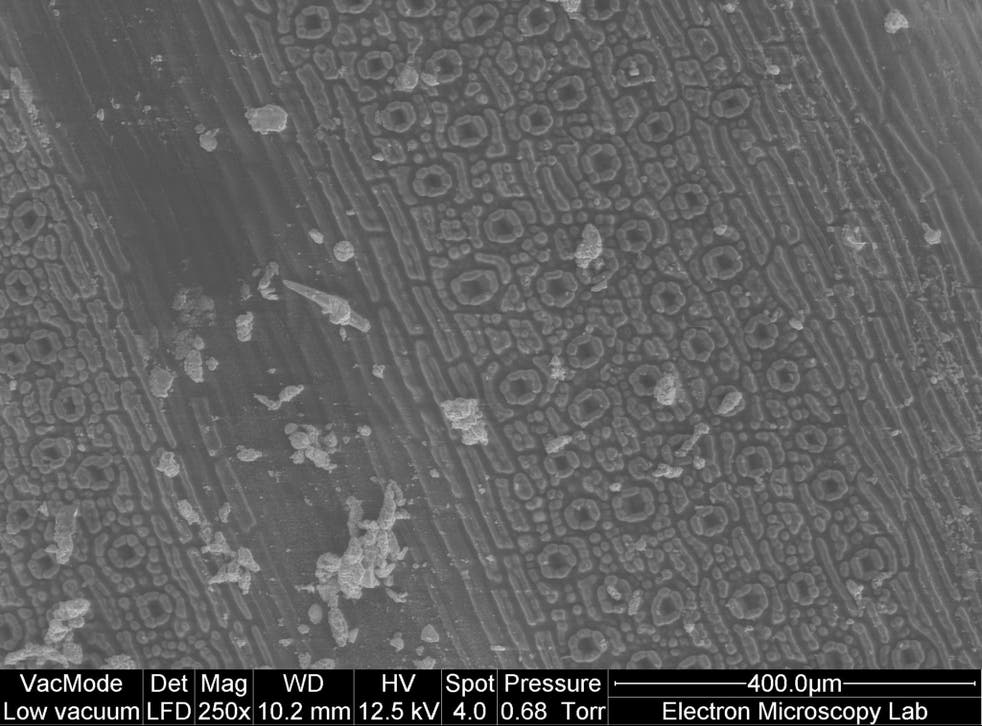
They discovered the denser, hairy-leaved Cotoneaster franchetii was at least 20 per cent more effective at soaking up pollution from roads with heavy traffic compared to other shrubs, although it did not make a difference on quieter streets.
A one-metre-long section of the bushy shrub is capable of absorbing hundreds of miles’ worth of car pollution in just one week, according to the experts.
Lead researcher Dr Tijana Blanusa said: "On major city roads with heavy traffic we've found that the species with more complex denser canopies, rough and hairy-leaves such as cotoneaster were the most effective.
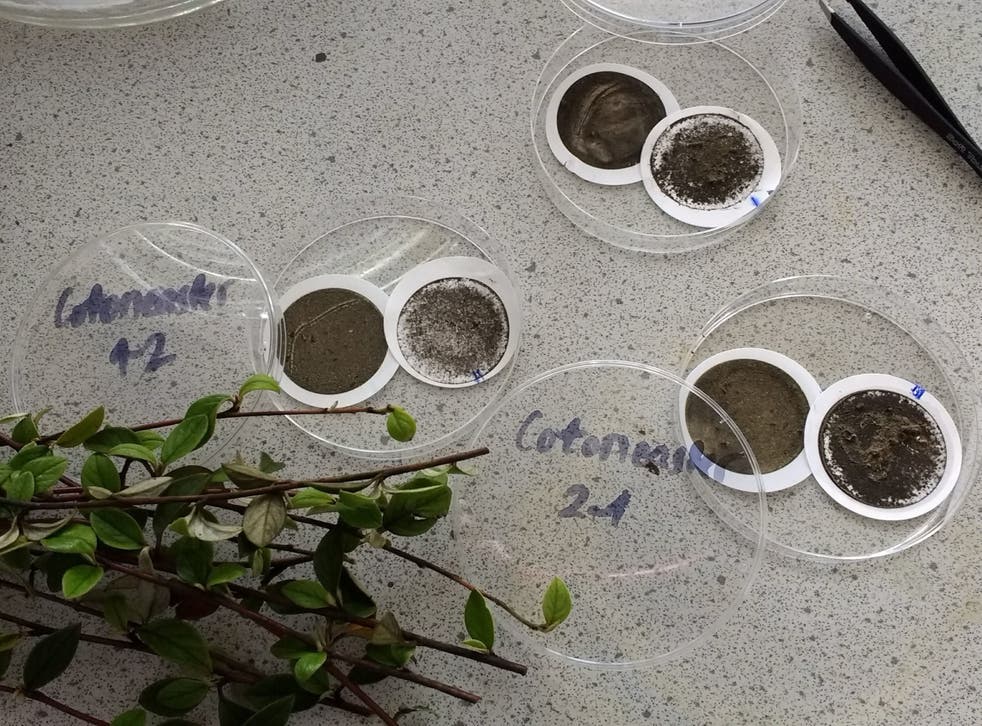
"We know that in just seven days a one-metre length of well-managed dense hedge will mop up the same amount of pollution that a car emits over a 500-mile drive."
She said cotoneaster would be ideal to plant along busy roads in pollution hot spots, while in other areas where encouraging nature was key a mix of species would be recommended.
The study forms part of work by the RHS to ease environmental problems such as air pollution, flooding and heatwaves, boosting the benefits of garden and green spaces.
While a survey of 2,056 people for the RHS found that a third (33 per cent) were affected by air pollution, just six per cent are taking active steps in their gardens to alleviate it.
Some 86 per cent of those surveyed by YouGov said they cared about environmental issues, while 78 per cent worry about climate change, and the RHS is hoping to harness that interest to encourage people to think about helping the environment in their garden.
Professor Alistair Griffiths, the charity’s director of science and collections, said: "We are continually identifying new 'super plants' with unique qualities which, when combined with other vegetation, provide enhanced benefits while providing much needed habitats for wildlife.
"We've found for example that ivy wall cover excels at cooling buildings and hawthorn and privet help ease intense summer rainfalls and reduce localised flooding.
"If planted in gardens and green spaces where these environmental issues are most prevalent we could make a big difference in the fight against climate change."
RHS scientists are now moving into the Hilltop centre, at the charity's gardens at Wisley in Surrey, which contains facilities to enable them to increase research into these areas, as well as exhibition spaces and "living laboratory" gardens.
Additional reporting by PA