Political wrangling, controversy mark re-opening of U.S. states
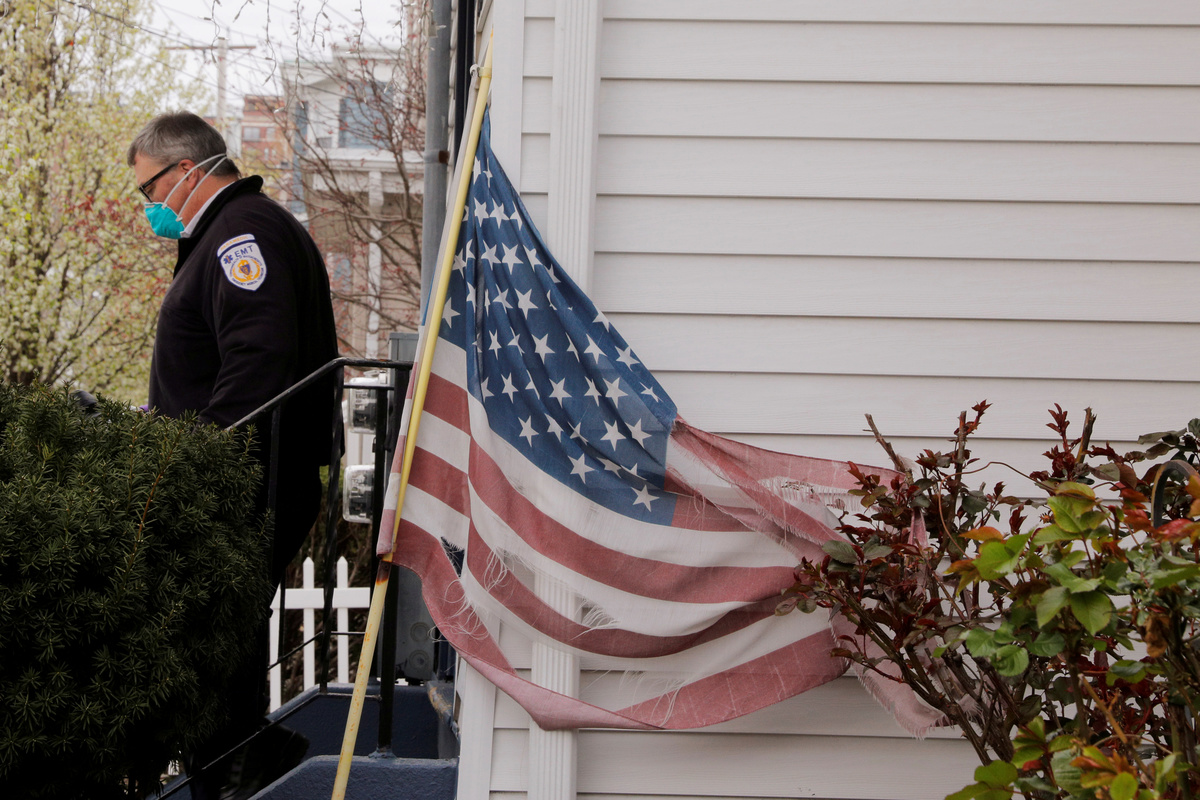
A medic leaves a house after responding to a call amid the coronavirus disease (COVID-19) outbreak in Everett, Massachusetts, U.S., April 21, 2020. REUTERS/Brian Snyder
Governors of about half a dozen U.S. states pushed ahead on Tuesday with plans to partially reopen for business despite warnings by some health officials that doing so could trigger a new surge in coronavirus cases.
The easing of sweeping restrictions in Georgia, South Carolina and other mostly Southern U.S. states follows protests against rules imposed during the pandemic that shut down businesses and largely confined residents to their homes.
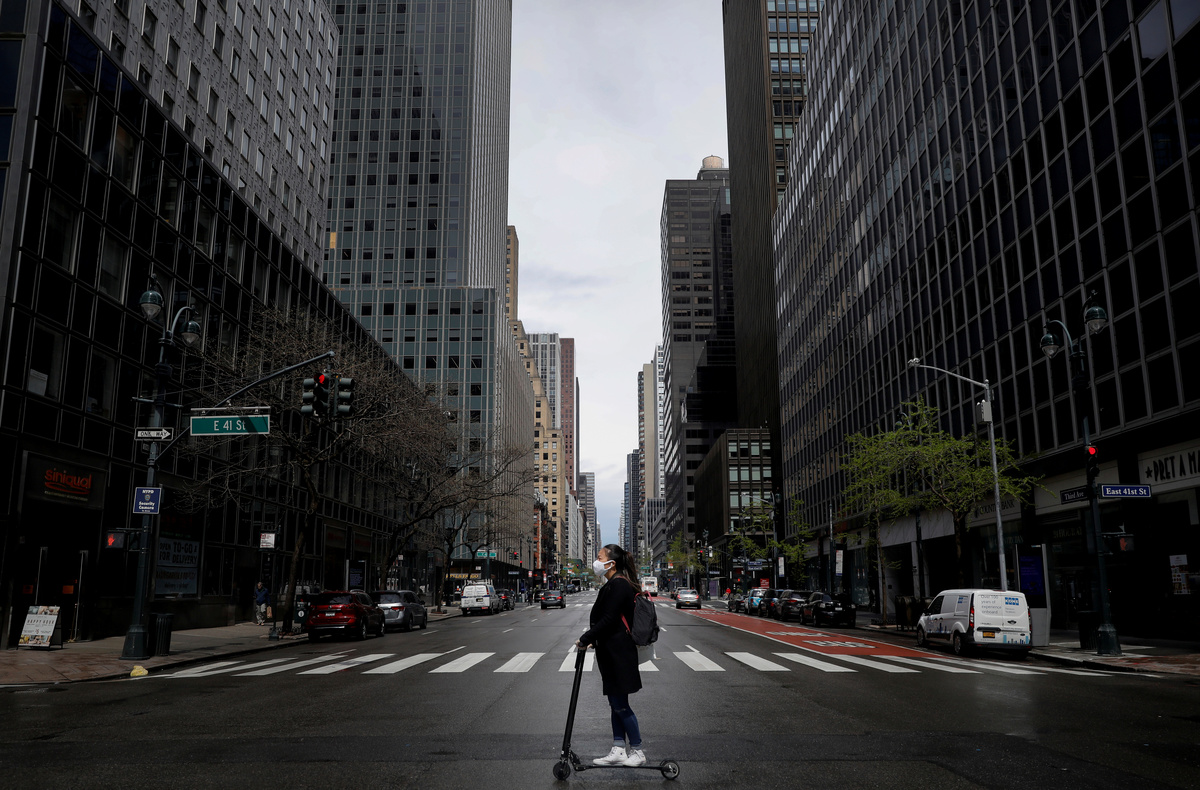
A woman wearing a protective face mask rides a scooter across a nearly empty 3rd Avenue in midtown Manhattan during the outbreak of the coronavirus disease (COVID-19) in New York City, New York, U.S., April 21, 2020. REUTERS/Mike Segar
A Reuters/Ipsos opinion poll showed a majority of Americans believed stay-at-home orders should remain in place until public health officials determine lifting them is safe, despite the damage to the U.S. economy.
"It's a matter of concern, this whole idea of opening up. It's based on non-science generated parameters," Dr. Boris Lushniak, dean of the University of Maryland School of Public Health, told Reuters in an interview.
Deaths from COVID-19, the respiratory illness caused by coronavirus, topped 45,150 nationwide as cases climbed to over 810,000, according to a Reuters tally.
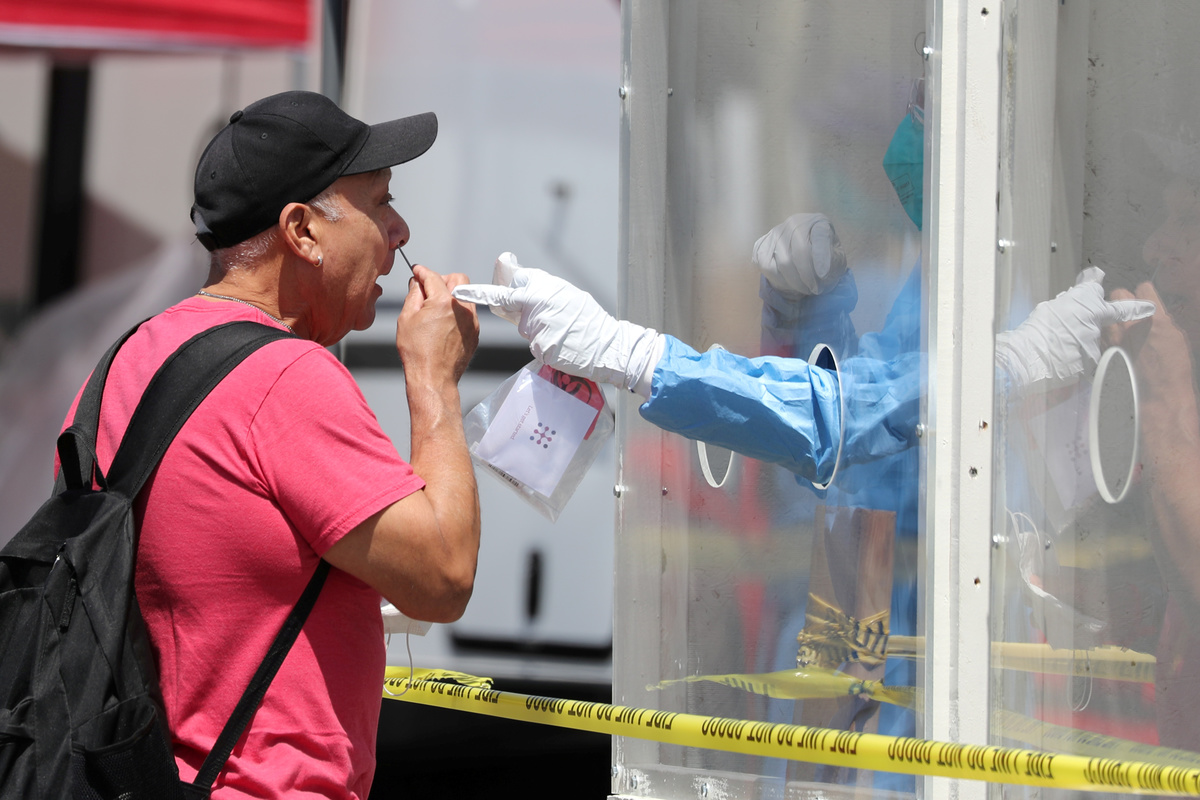
A man is tested for coronavirus disease (COVID-19) at a Los Angeles fire department testing station for the homeless on Skid Row, in Los Angeles, California, U.S., April 21, 2020. REUTERS/Lucy Nicholson
New Jersey, Pennsylvania and Michigan each reported their highest single-day coronavirus-related death tolls - over 800 between the three states. New York state, the epicenter of the U.S. outbreak, reported 481 new deaths.
Governors are under pressure from businesses and some constituents to relax stay-at-home orders that have thrown over 20 million people out of work in the past month alone.
In Wisconsin, Republican lawmakers who filed a lawsuit against Democratic Governor Tony Evers, challenging his stay-at-home order that runs until May 26.
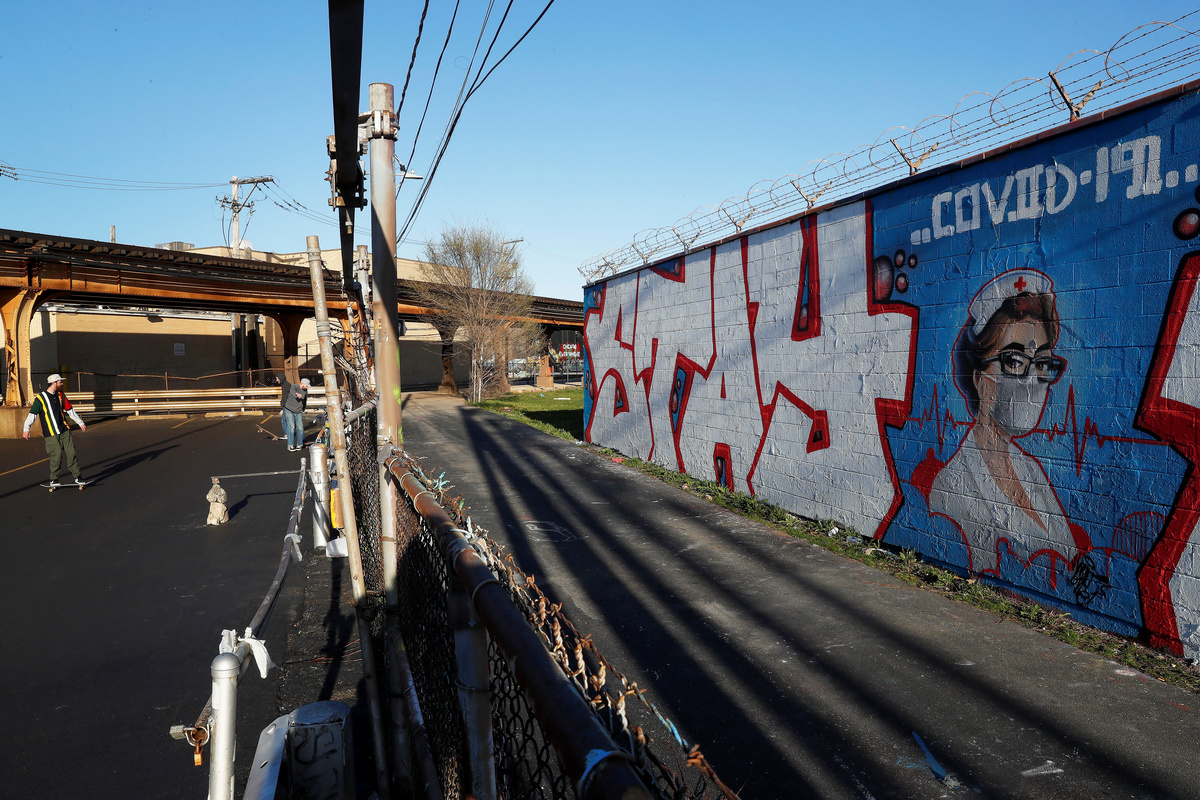
Skateboarders ride on the other side of a mural of a female health worker as the coronavirus disease (COVID-19) continues to spread, in Chicago, Illinois, U.S., April 21, 2020. REUTERS/Shannon Stapleton NO RESALES. NO ARCHIVES.
CDC WARNS OF FALL OUTBREAK
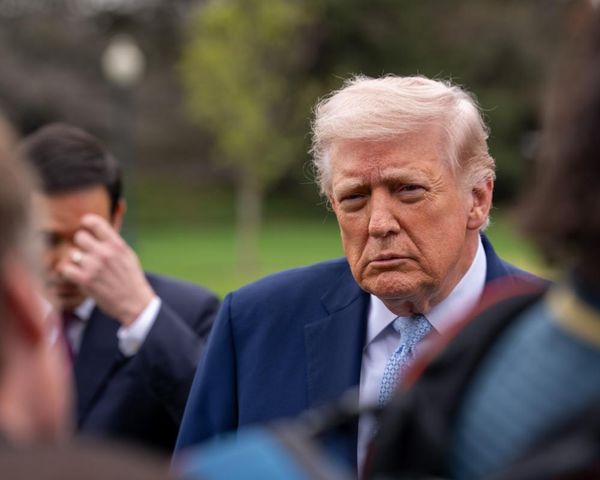
Tensions between U.S. President Donald Trump, a Republican, and local officials have risen over the U.S. government's role in ramping up testing, which infectious disease experts say is key to enable a safe reopening.
Those experts say the United States, with a population of nearly 330 million people, should test 3 million per week to get an accurate sense of the virus's reach. States have tested only a third of that number in the past seven days, according to the Covid Tracking Project.
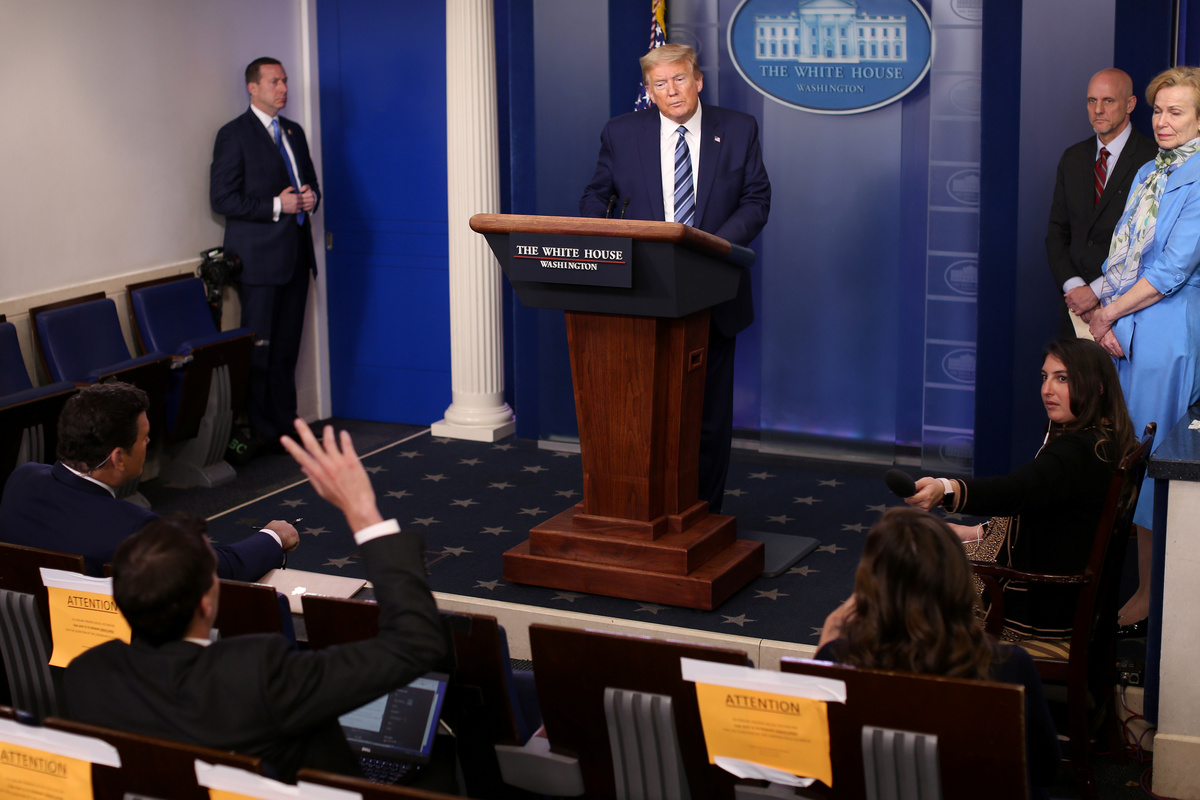
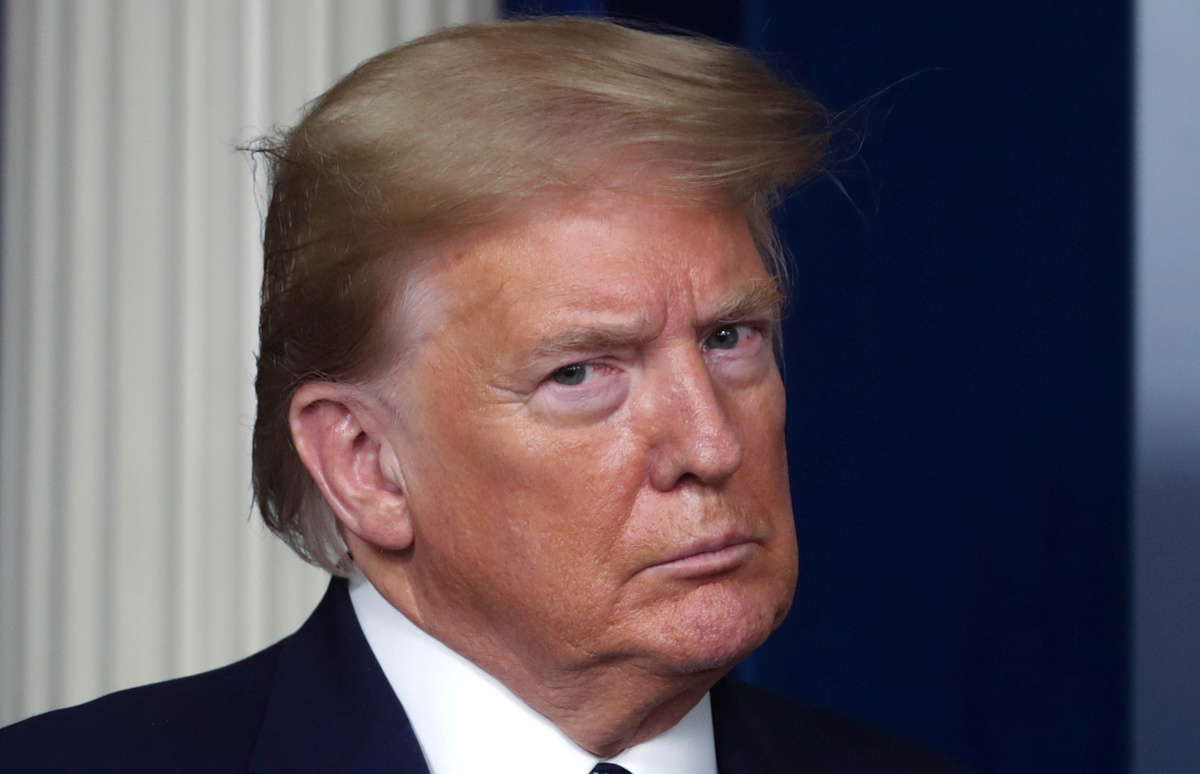
U.S. President Donald Trump listens to a reporter’s question as he leads the daily coronavirus disease (COVID-19) outbreak task force briefing at the White House in Washington, U.S. April 21, 2020. REUTERS/Jonathan Ernst
Even as states move ahead with plans to reopen, the director of the Centers for Disease Control and Prevention warned a second wave of the coronavirus could be worse if it coincides with the start of seasonal flu season.
“There’s a possibility that the assault of the virus on our nation next winter will actually be even more difficult than the one we just went through,” CDC Director Robert Redfield said in an interview with The Washington Post.
Georgia is among a half dozen states that will allow more business activity this week or next.
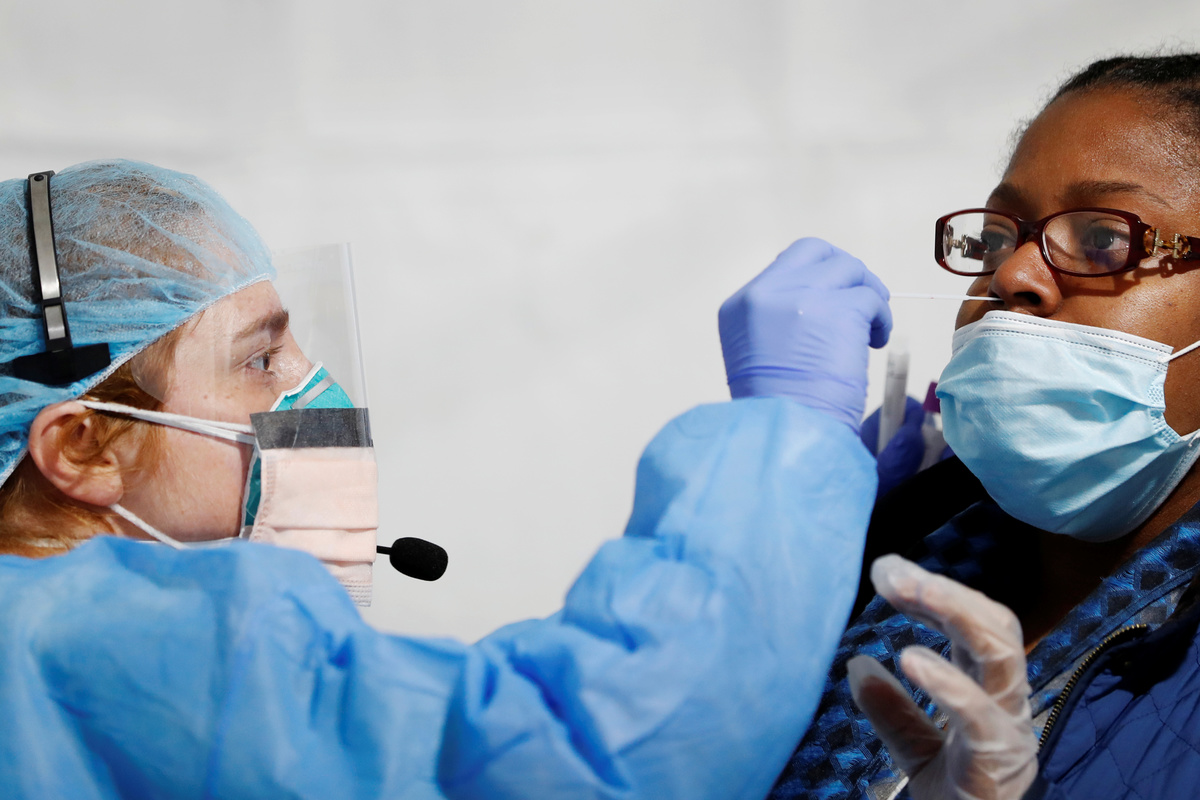
Lindsey Leinbach takes a swab to test for the coronavirus at a One Medical testing facility built to help with the coronavirus disease (COVID-19) outbreak, in the Bronx borough of New York City, U.S., April 21, 2020. REUTERS/Lucas Jackson
Brian Kemp, Georgia's Republican governor, will allow gyms, hair salons, bowling alleys, tattoo and massage parlors to reopen on Friday, followed by movie houses and restaurants next week.
Kemp said his plan balances public health with the need to reignite the state's economy, saying social distancing rules would remain in place.
Georgia has reported 174 positive cases and six deaths per 100,000 people, both below the national average, according to a Reuters analysis of data collected by the Covid Tracking Project.But the state also has one of the lowest testing rates, giving health officials less data on the reach of the illness to base decisions on reopening, the data showed.
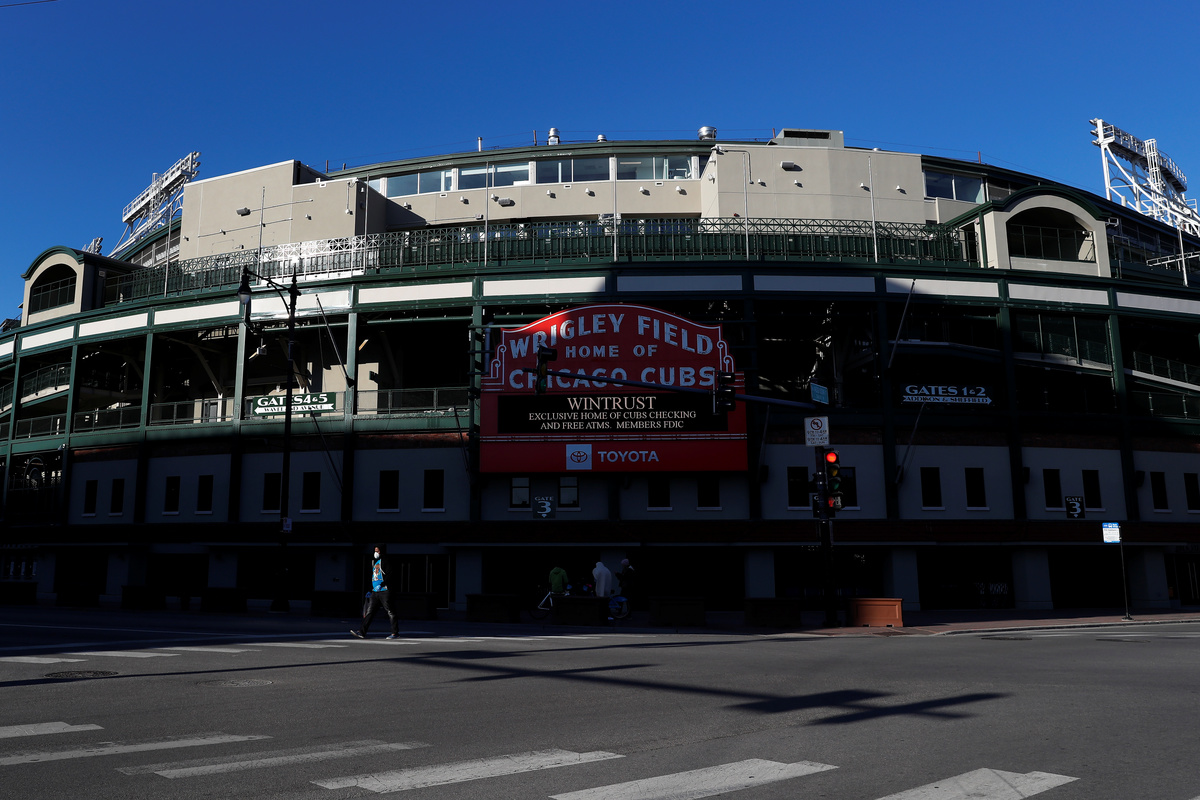
A man wears a face mask while walking through an empty intersection outside a closed Wrigley Field as the coronavirus disease (COVID-19) continues to spread, in Chicago, Illinois, U.S., April 21, 2020. REUTERS/Shannon Stapleton
"Don't go out," Savannah Mayor Van Johnson, a Democrat, told residents of the eastern Georgia city during a news conference. "People will not come here if they think our businesses are not safe."
CUOMO MEETS TRUMP
U.S. President Donald Trump participates in the daily coronavirus task force briefing at the White House in Washington, U.S., April 21, 2020. REUTERS/Jonathan Ernst
New York Governor Andrew Cuomo emerged from a meeting with Trump at the White House and said the president had agreed to help his state procure chemical reagents and other supplies needed to double testing capacity.
Cuomo said it was up to his state to help labs boost their testing capacity and to organize the workers needed to take more samples.
"That is an intelligent division of labor," Cuomo said at a press briefing. "Let each level of government do what it does best."
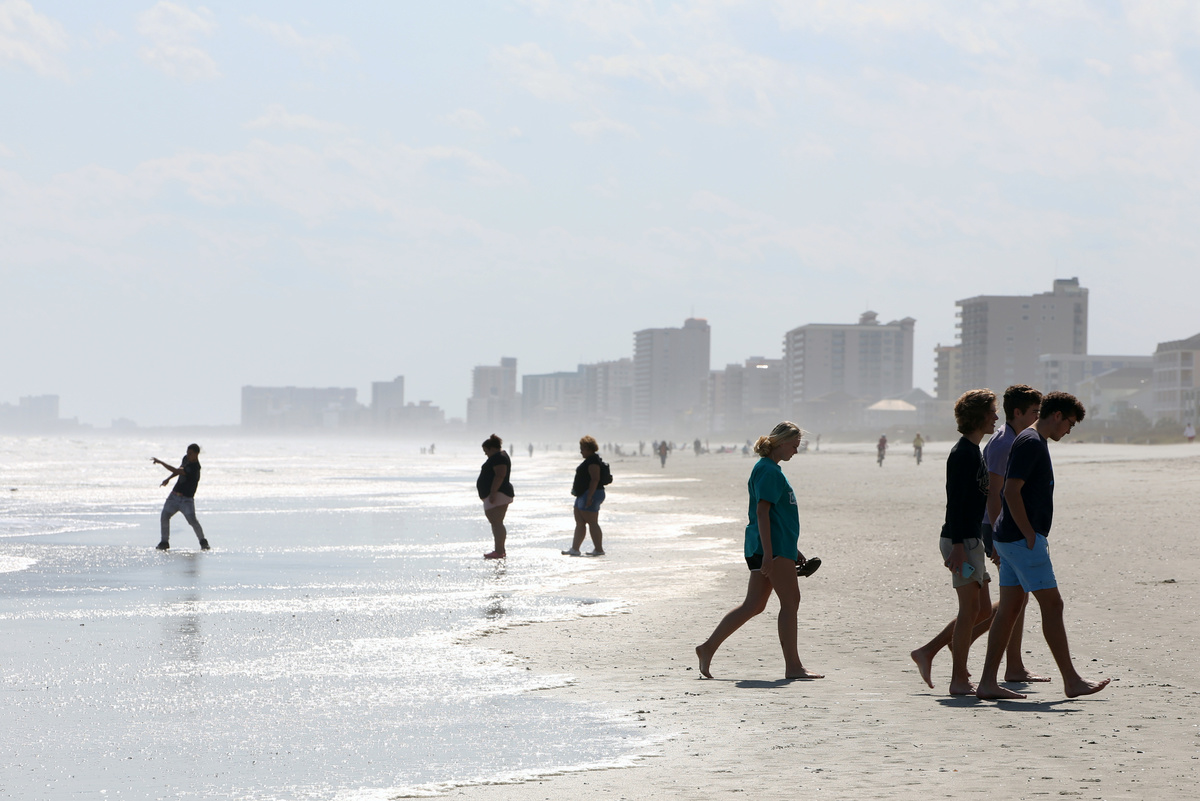
People walk along the shore as beaches reopen after closures aimed at preventing the spread of coronavirus disease (COVID-19) in North Myrtle Beach, South Carolina, U.S., April 21, 2020. REUTERS/Rachel Jessen
The governor said New York would try to double the number of people it tests each day - including diagnostic and antibody tests - to 40,000, characterizing the task as an "enormous undertaking" that would take weeks.
Democratic Governor Gavin Newsom of California, the most populous U.S. state, said despite evidence the outbreak was slowing there, cases and deaths were still rising.
Over the seven-day period ending on Sunday night, the number of deaths in California nearly doubled, and the number of new cases increased by nearly 50%, state data showed.
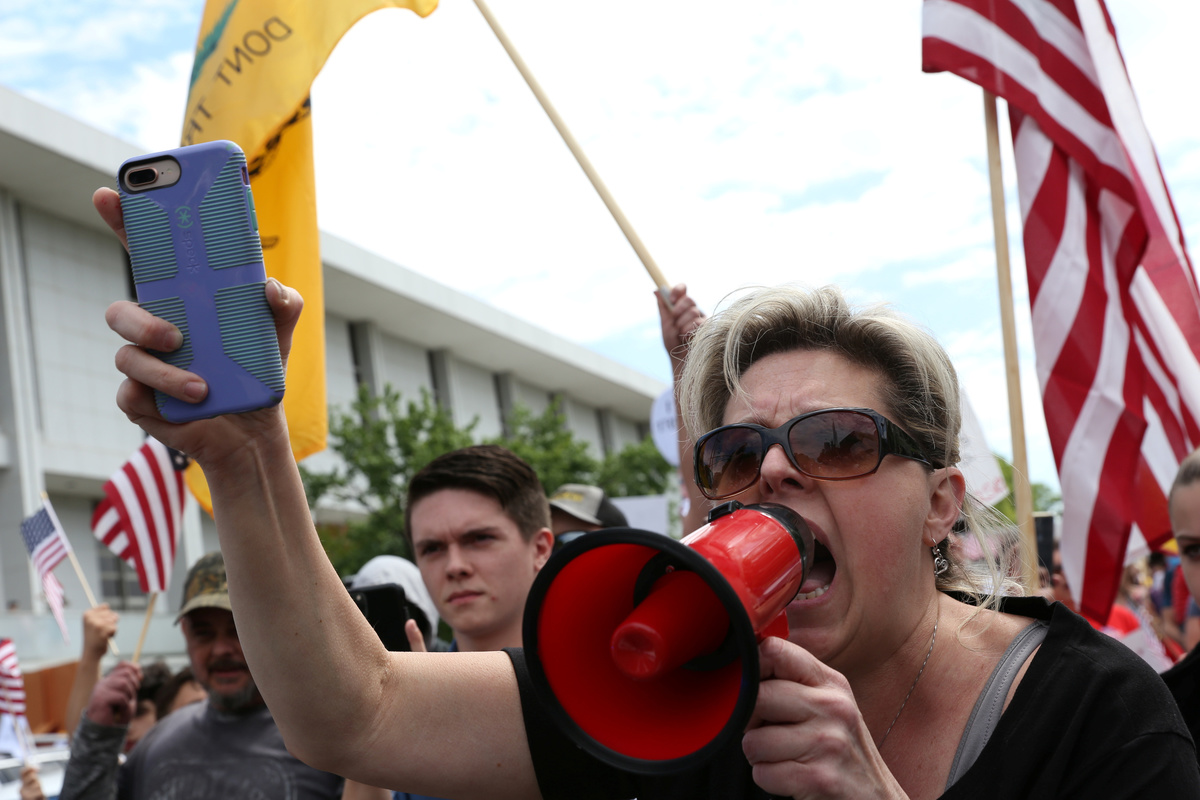
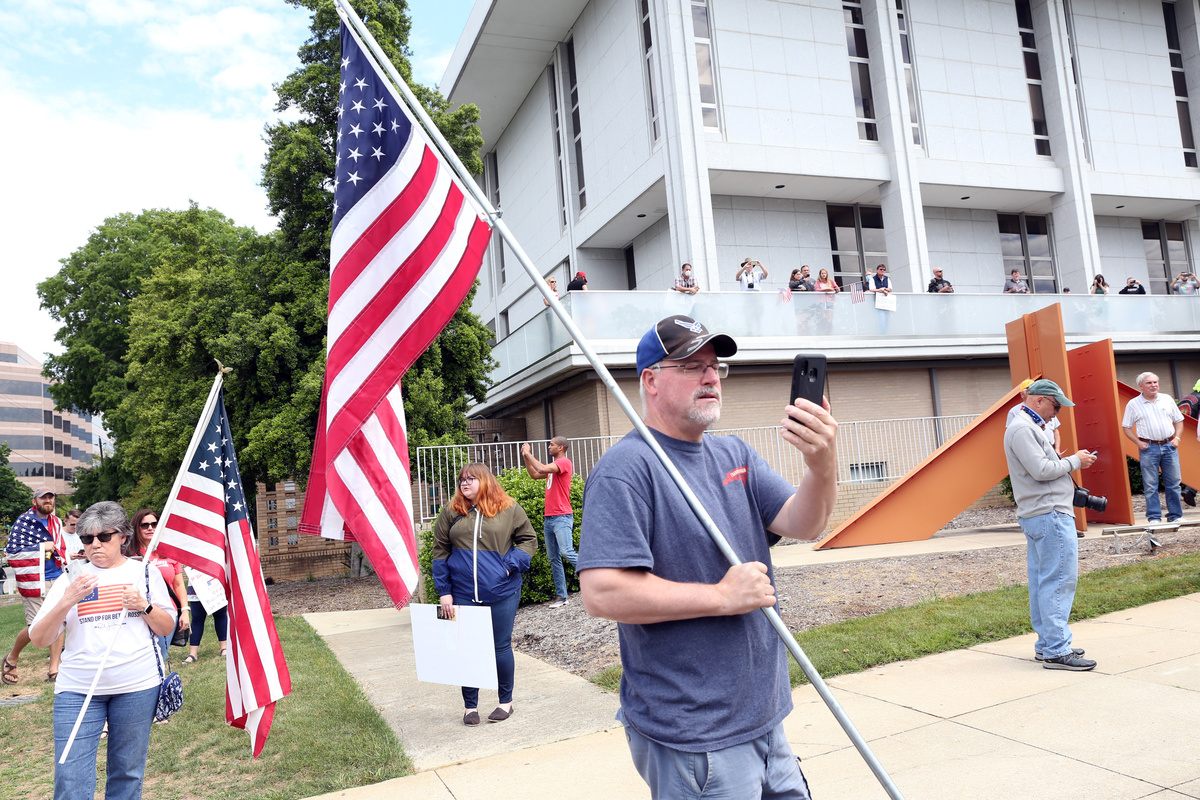
A protester shouts slogans at a ReOpenNC rally against the state's shut down to prevent the spread of coronavirus disease (COVID-19) in Raleigh, North Carolina, U.S., April 21, 2020. REUTERS/Rachel Jessen
Newsom promised to release a detailed plan for testing and reopening on Wednesday, but cautioned it was too soon to loosen public health restrictions.
In Washington, D.C., the U.S. Senate unanimously approved $484 billion in additional coronavirus relief for the U.S. economy and hospitals treating patients sickened by the pandemic, sending the measure to the House of Representatives for final passage later this week.
(This story corrects the number of positive cases per 100,000 to 174 from 174,000 in paragraph 16)
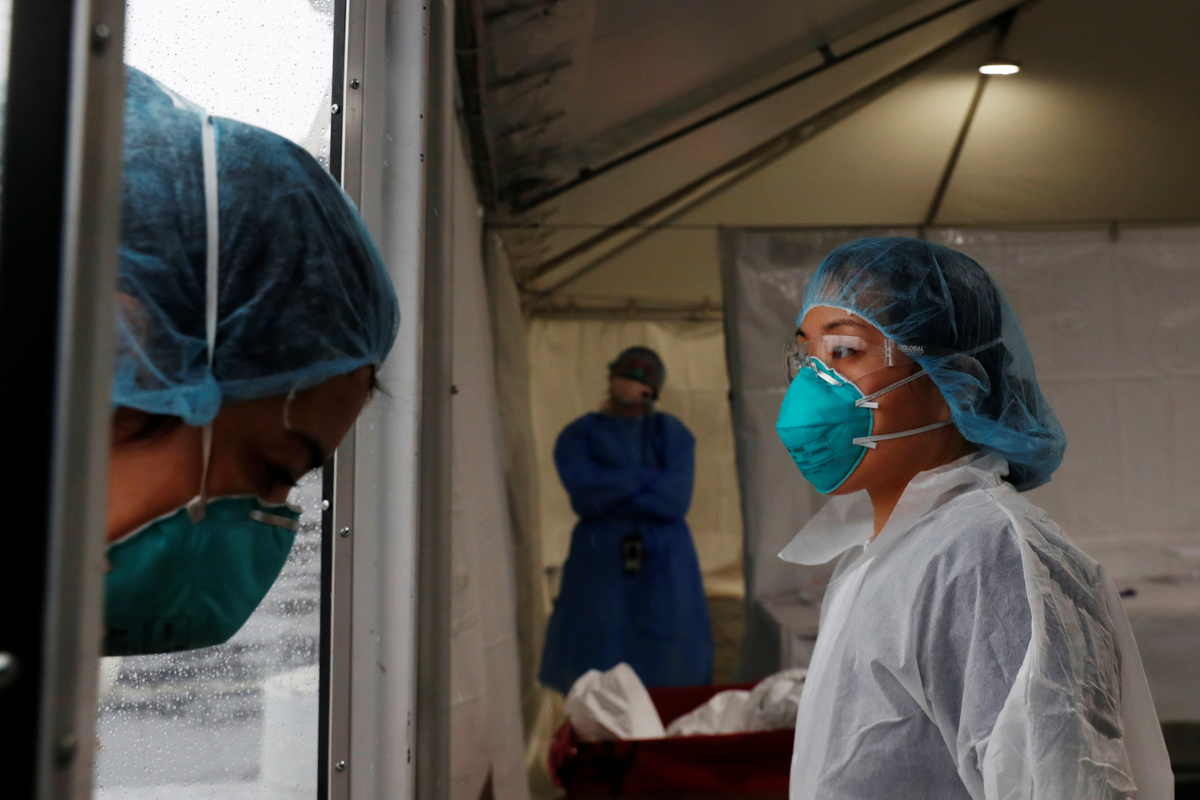
Healthcare workers wearing personal protective equipment (PPE) wait for patients to arrive at a One Medical testing facility built to help with the coronavirus disease (COVID-19) outbreak, in the Bronx borough of New York City, U.S., April 21, 2020. REUTERS/Lucas Jackson
(Reporting by Susan Heavey and Andy Sullivan in Washington, Rich McKay in Atlanta, Maria Caspani and Jessica Resnick-Ault in New York and Nathan Layne in Wilton, Connecticut; Brendan O'Brien in Chicago, Sharon Bernstein in Sacramento and Steve Gorman in Los Angeles; Writing by Grant McCool and Dan Whitcomb; Editing by Bill Tarrant and Lincoln Feast.)
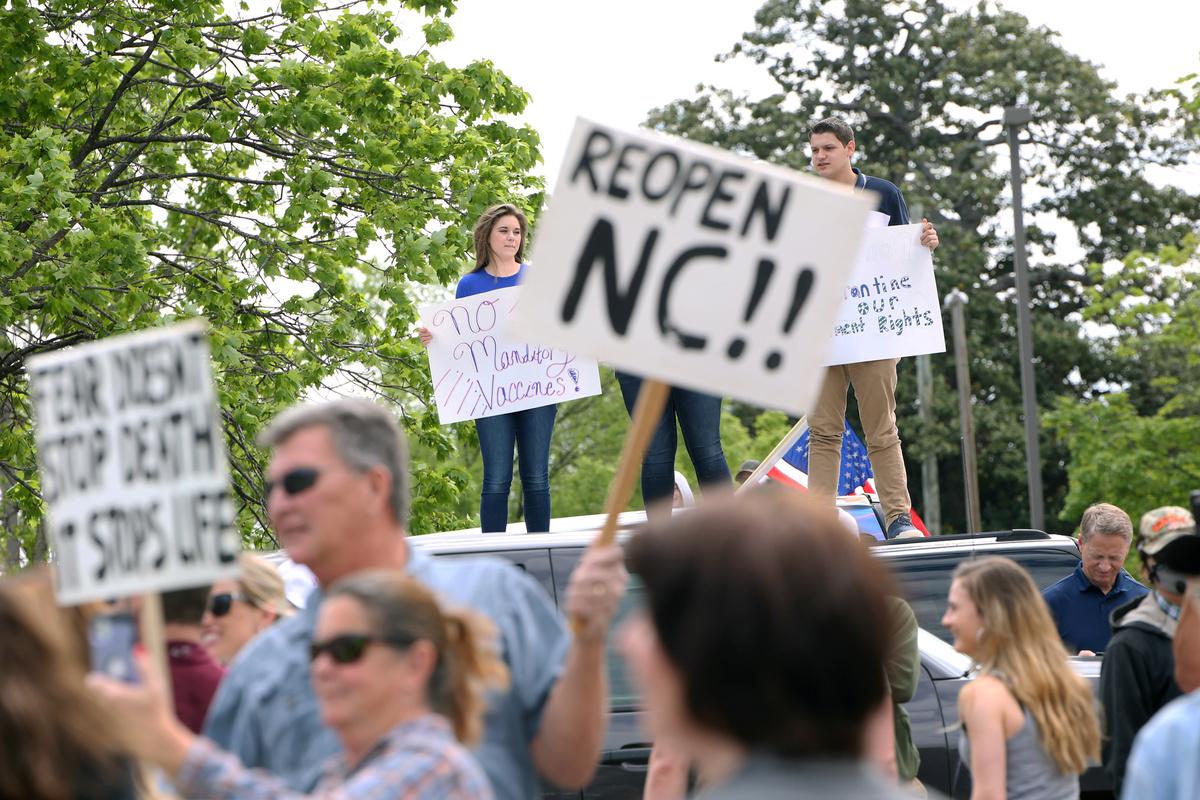
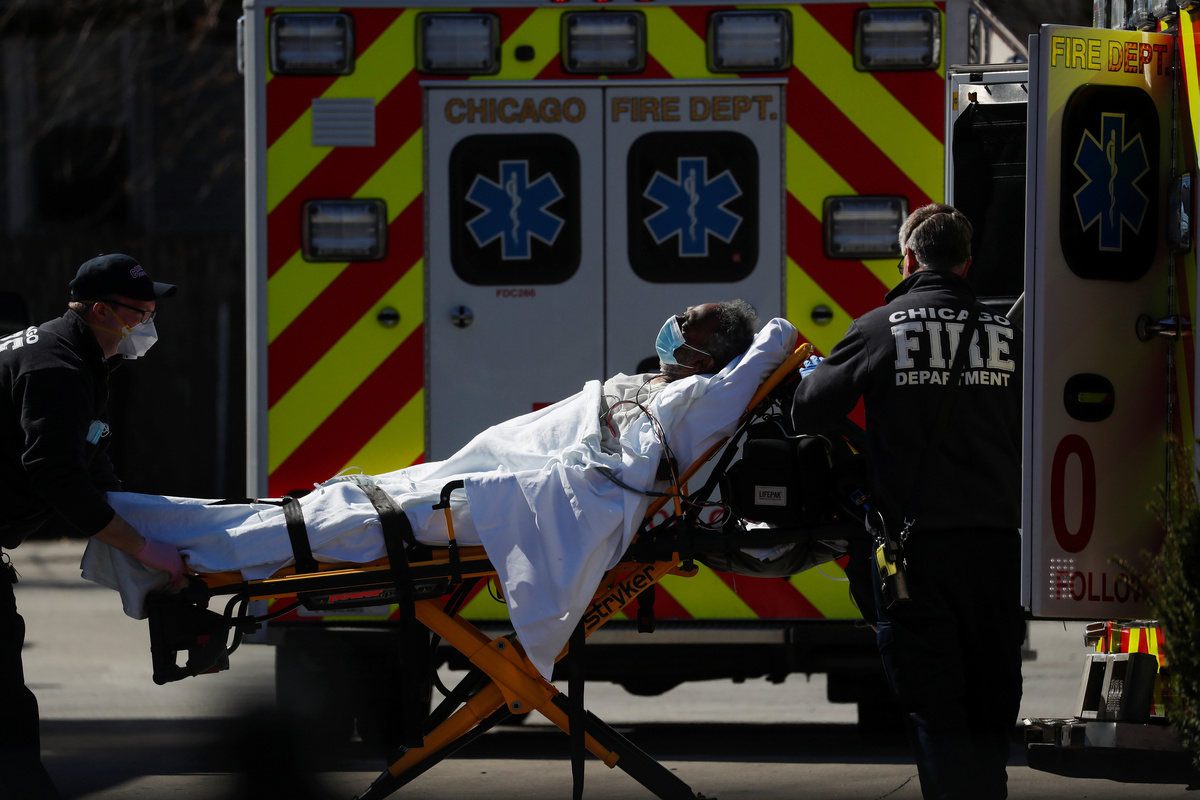
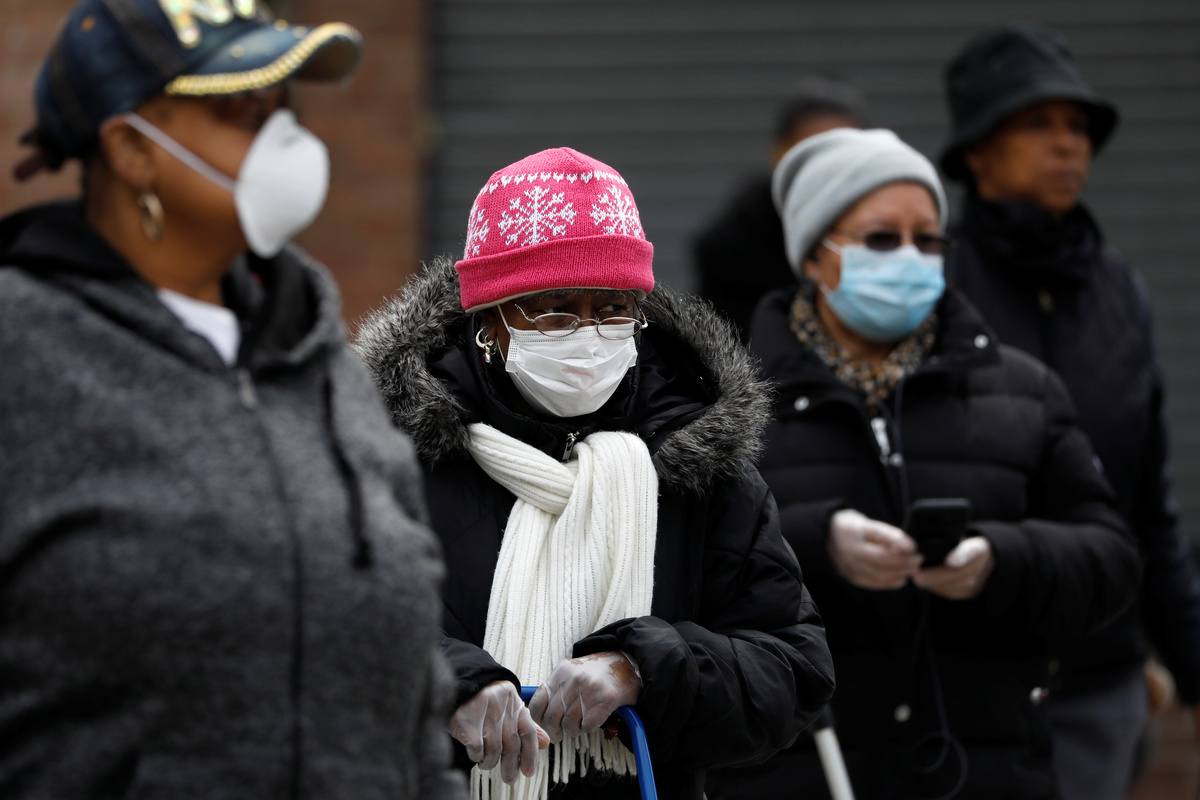
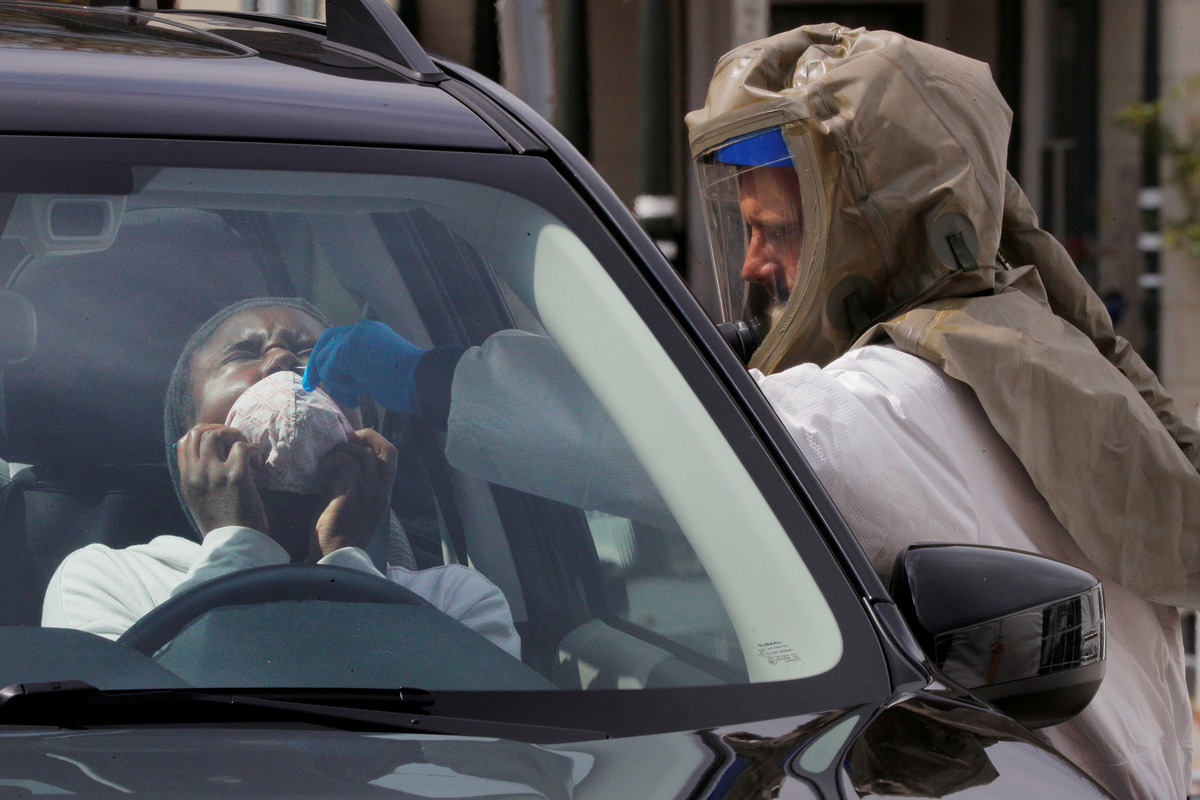
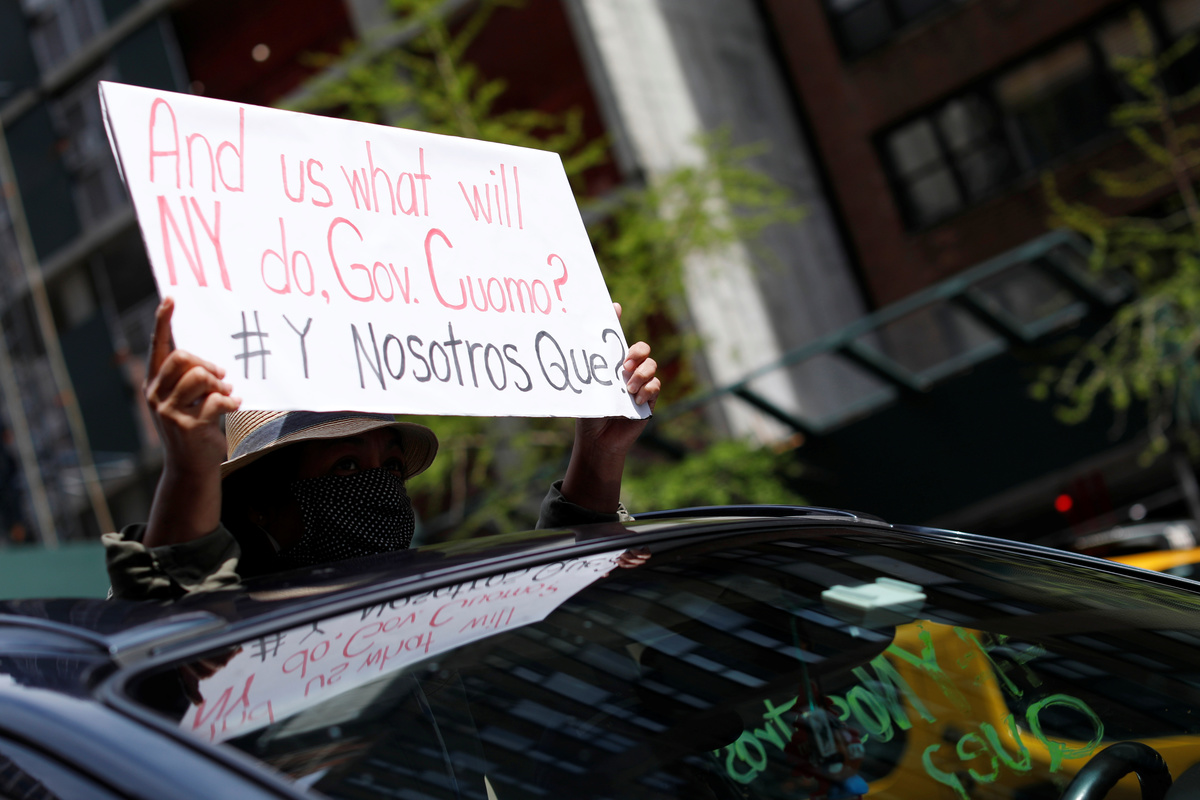
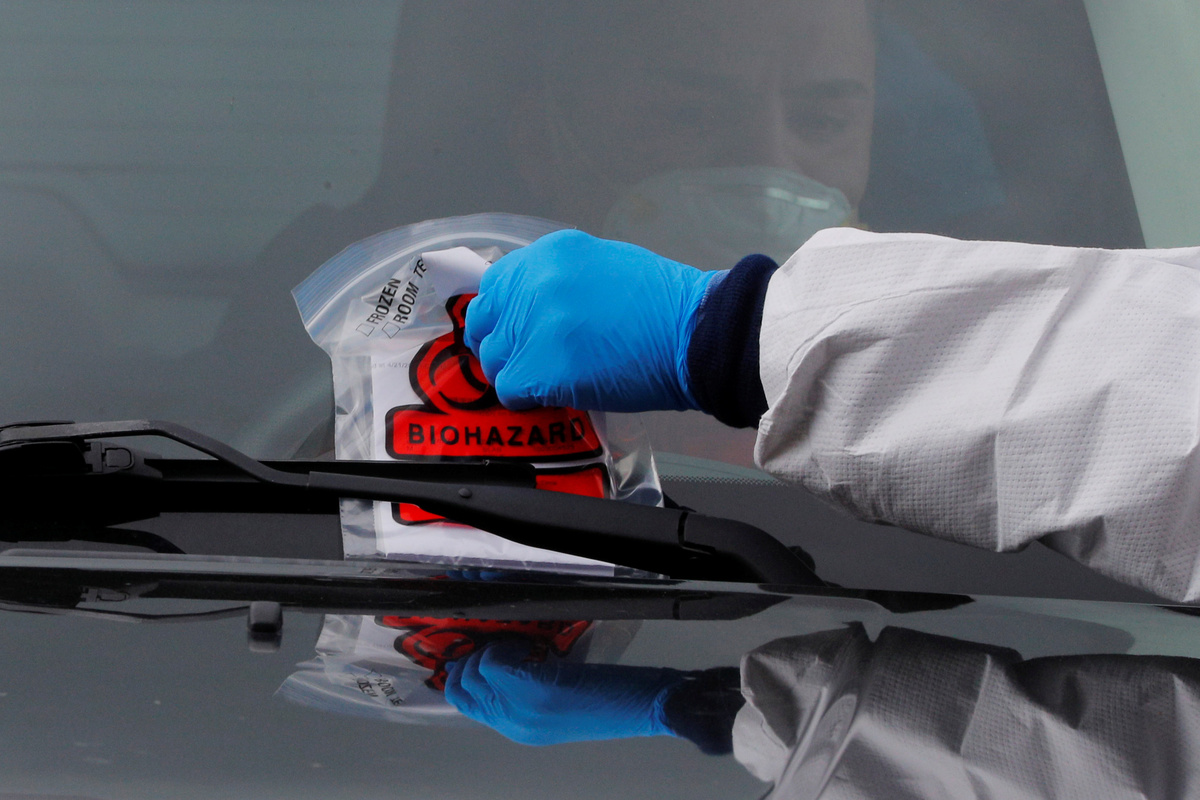
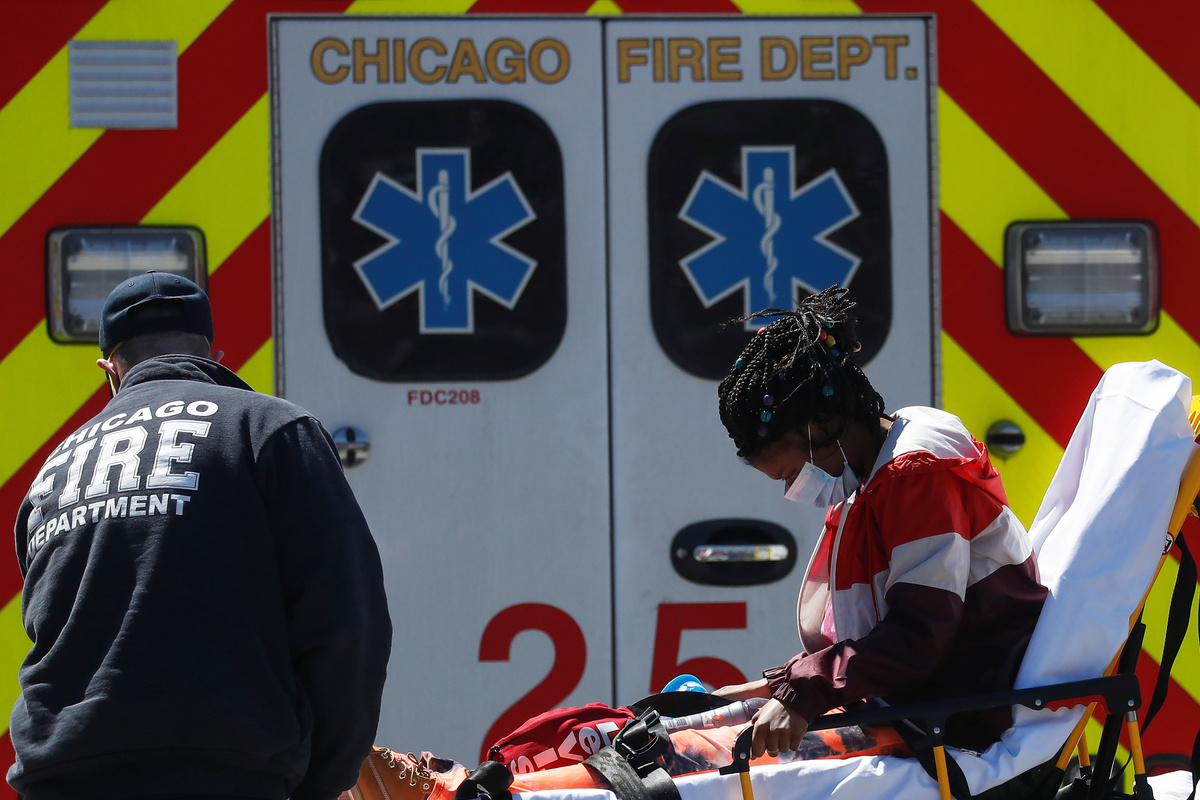
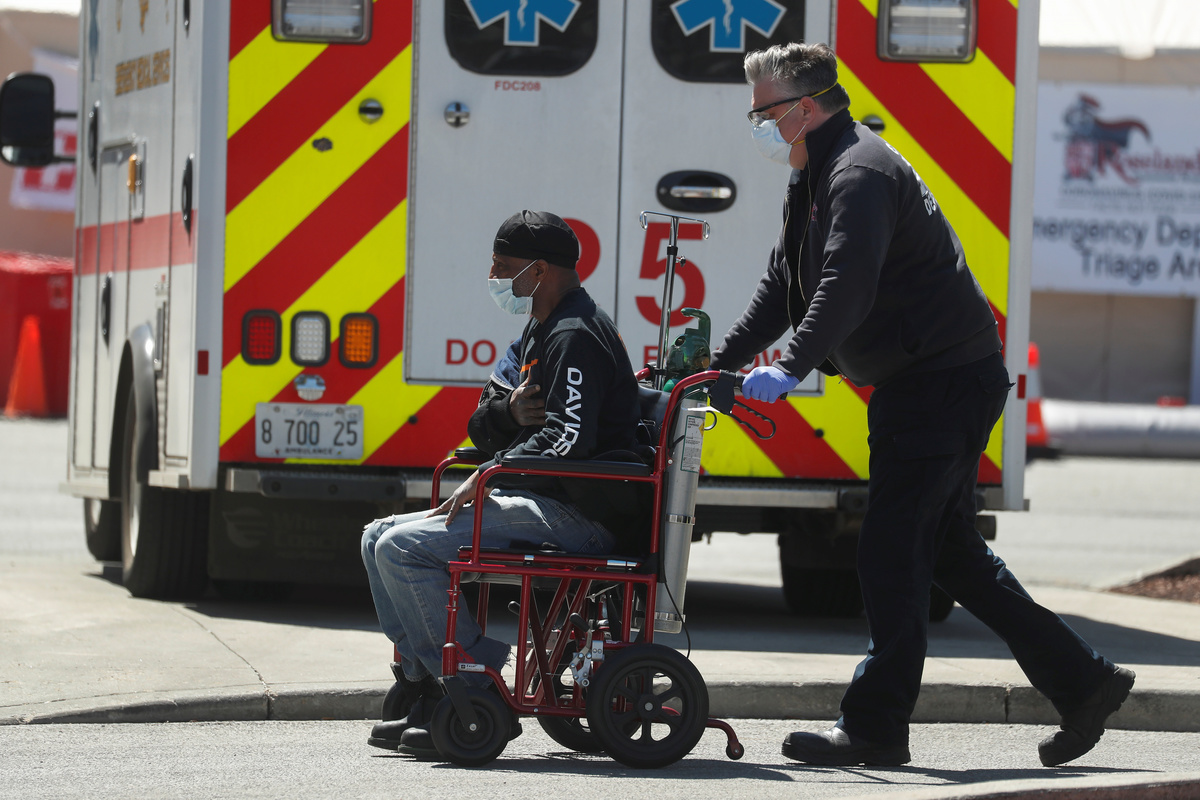
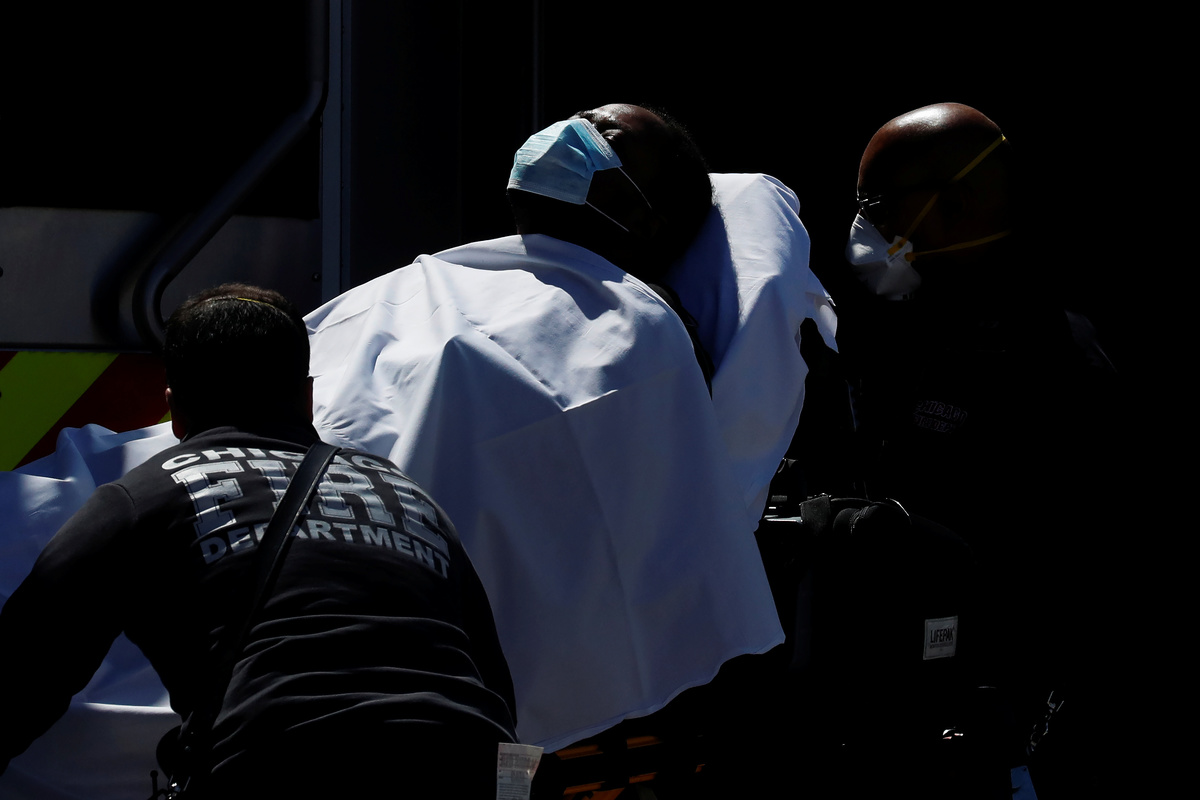
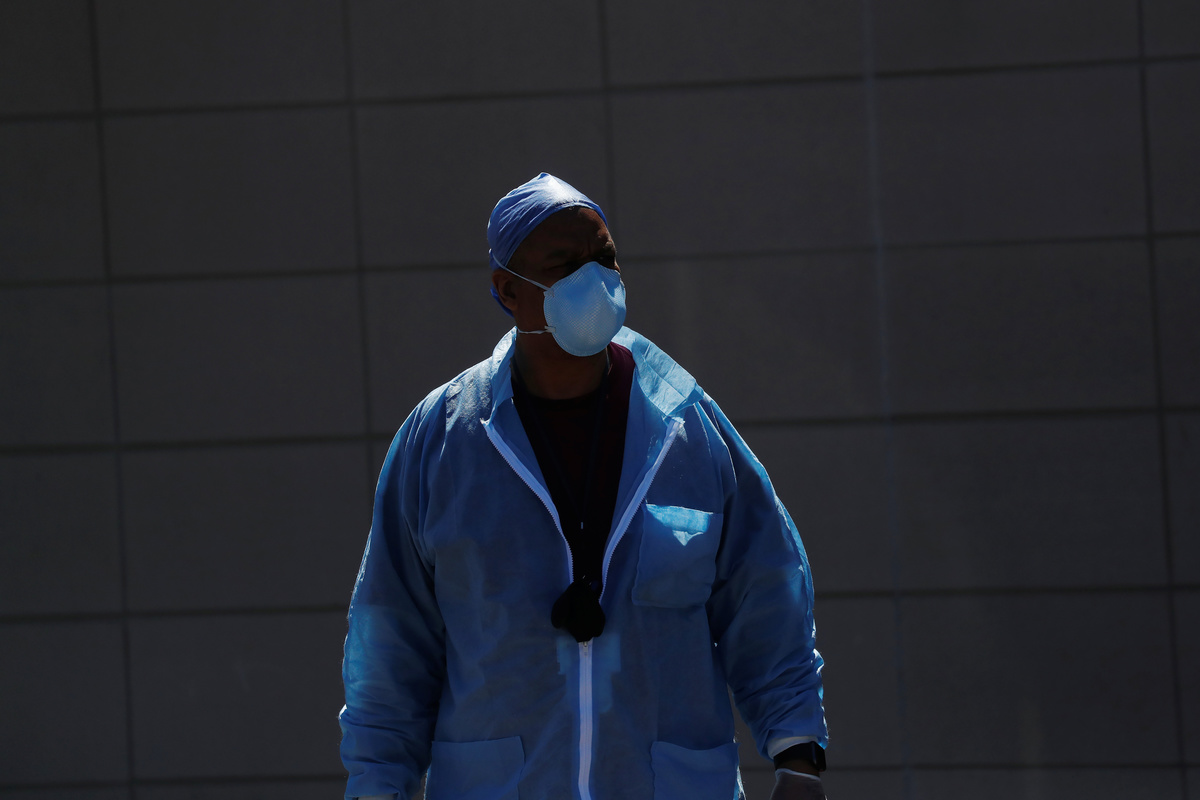
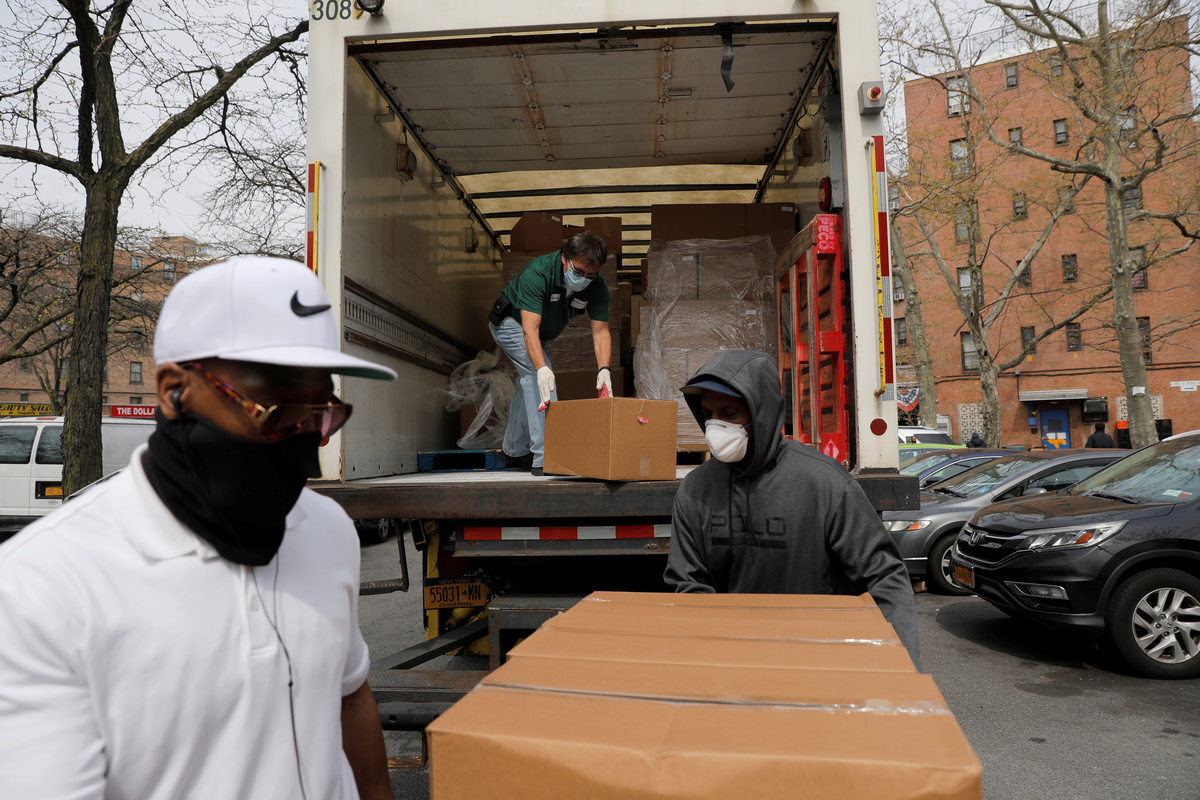
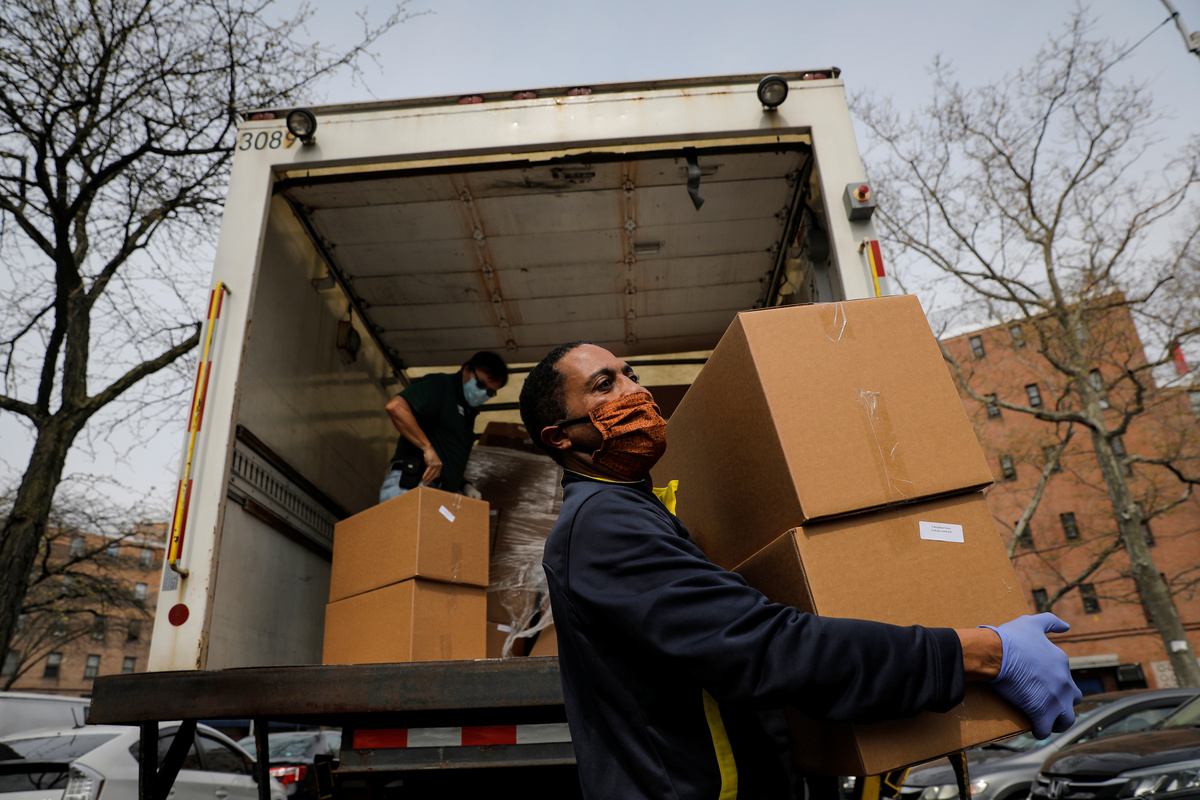
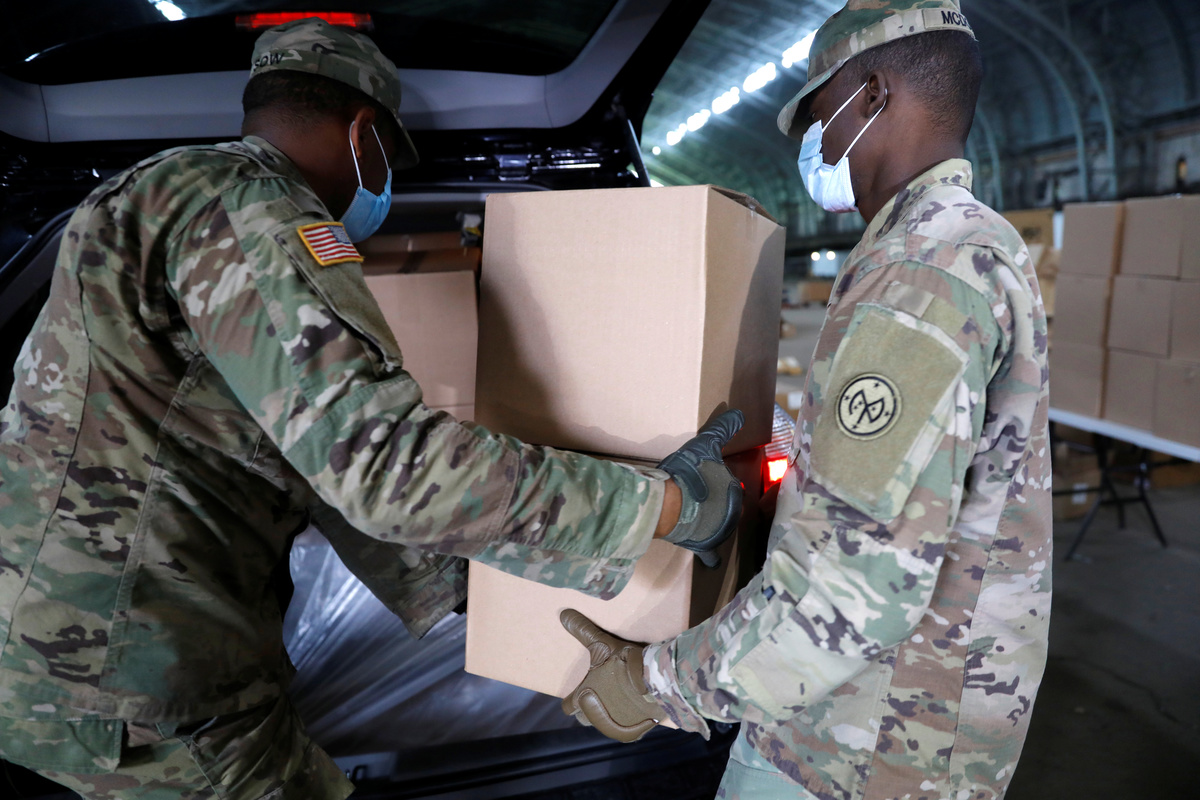
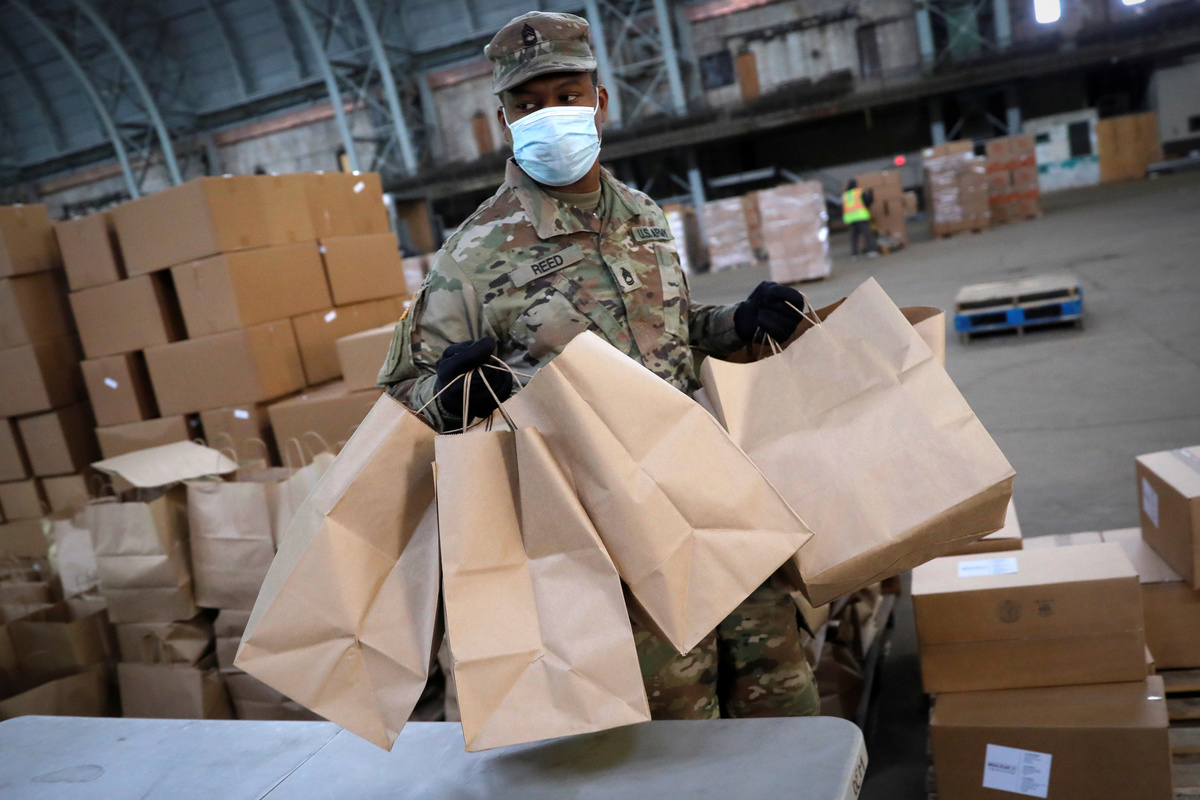
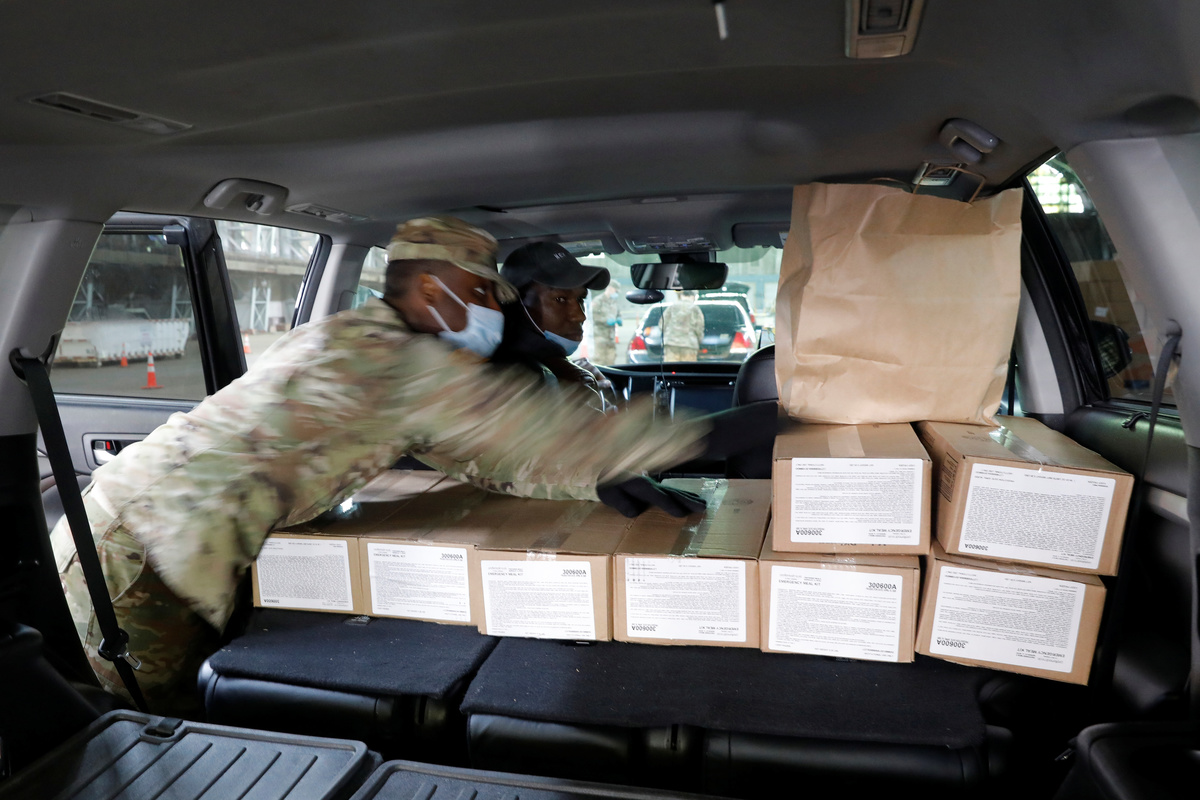
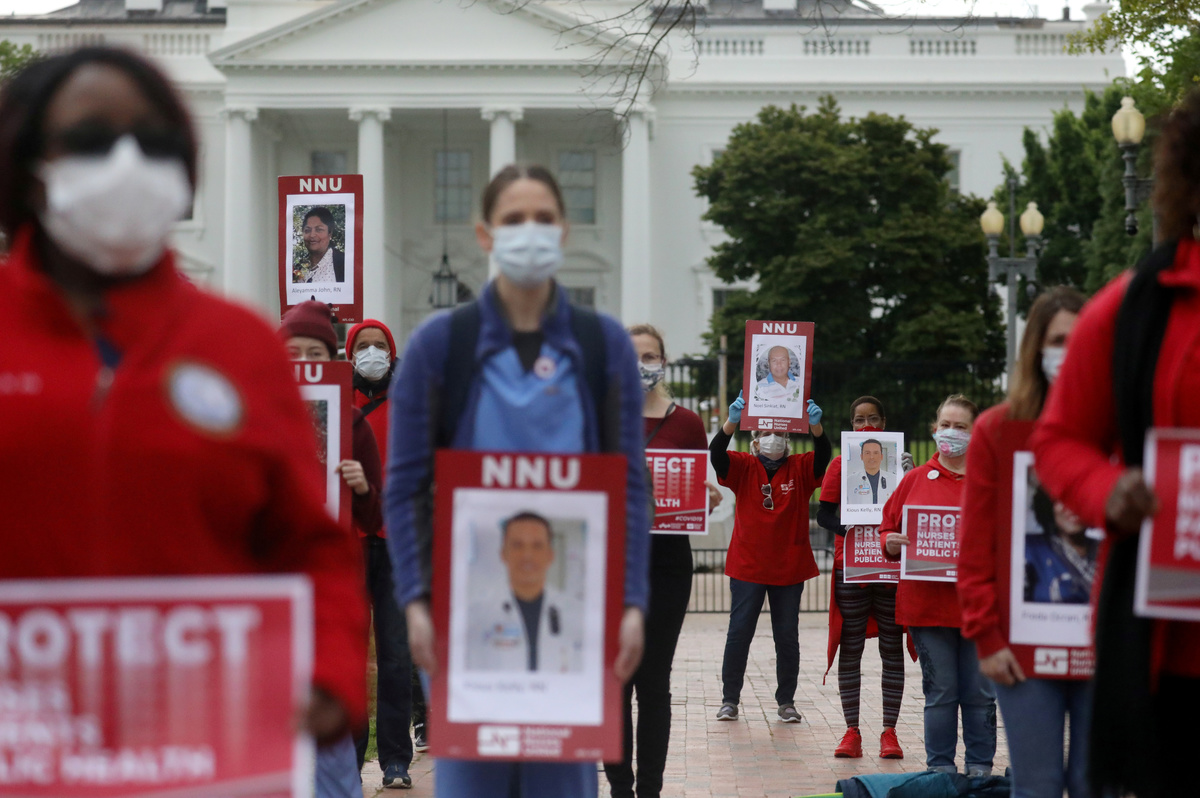
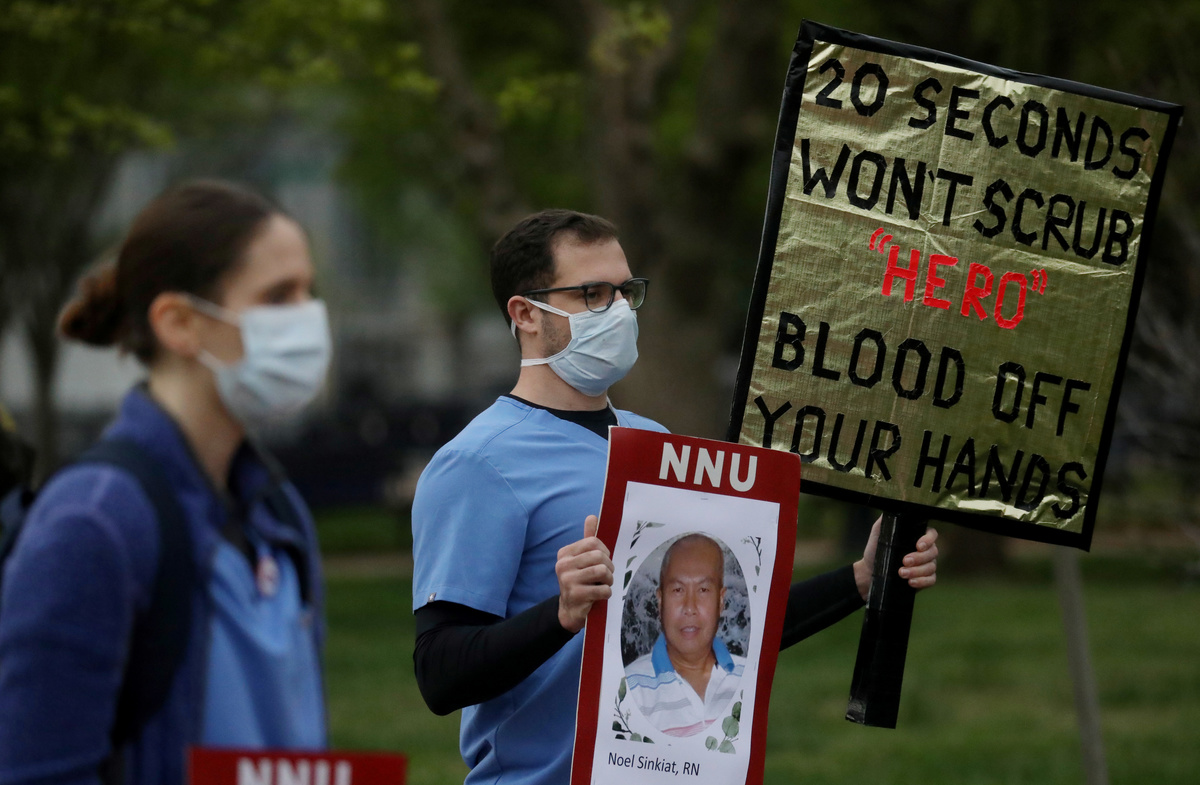
Protesters hold signs at a ReOpenNC rally against the state's shut down to prevent the spread of coronavirus disease (COVID-19) in Raleigh, North Carolina, U.S., April 21, 2020. REUTERS/Rachel JessenProtesters hold U.S. flags at a ReOpenNC rally against the state's shut down to prevent the spread of coronavirus disease (COVID-19) in Raleigh, North Carolina, U.S., April 21, 2020. REUTERS/Rachel JessenA person is taken from a Chicago Fire Department ambulance into the emergency room at Roseland Community Hospital, as the spread of the coronavirus disease (COVID-19) continues, in the South Side of Chicago, Illinois, U.S., April 21, 2020. REUTERS/Shannon StapletonPeople wearing protective masks wait in line for donated food distribution at the Queensbridge Houses, a New York City Housing Authority (NYCHA) public housing complex, during the outbreak of the coronavirus disease (COVID-19) in the Queens borough of New York, U.S., April 21, 2020. REUTERS/Andrew KellyA nurse practitioner takes a sample to be tested for the coronavirus disease (COVID-19) at the CHA Somerville Hospital in Somerville, Massachusetts, U.S., April 21, 2020. REUTERS/Brian Snyder A worker holds a sign from a car during a driving caravan of cars demonstration in midtown Manhattan, organized by the New York-based 'Workers Justice Project', protesting for rights of essential immigrant workers in the State of New York during the outbreak of the coronavirus disease (COVID-19) in New York City, New York, U.S., April 21, 2020. REUTERS/Mike SegarA nurse practitioner picks up a test kit to take a sample at a drive-thru testing site for the coronavirus disease (COVID-19) at the CHA Somerville Hospital in Somerville, Massachusetts, U.S., April 21, 2020. REUTERS/Brian SnyderA woman is taken by paramedics from a Chicago Fire Department ambulance into the emergency room at Roseland Community Hospital on the South Side of Chicago, as the coronavirus disease (COVID-19) continues to spread, in Illinois, U.S., April 21, 2020. REUTERS/Shannon StapletonA man is taken by paramedics from a Chicago Fire Department ambulance into the emergency room at Roseland Community Hospital on the South Side of Chicago, as the coronavirus disease (COVID-19) continues to spread, in Illinois, U.S., April 21, 2020. REUTERS/Shannon StapletonA man is taken by paramedics from a Chicago Fire Department ambulance into the emergency room at Roseland Community Hospital on the South Side of Chicago, as the coronavirus disease (COVID-19) continues to spread, in Illinois, U.S., April 21, 2020. REUTERS/Shannon StapletonA medical worker stands outside an emergency room at Roseland Community Hospital on the South Side of Chicago, as the coronavirus disease (COVID-19) continues to spread, in Illinois, U.S., April 21, 2020. REUTERS/Shannon StapletonWorkers and volunteers wearing protective masks distribute donated food at the Queensbridge Houses, a New York City Housing Authority (NYCHA) public housing complex, during the outbreak of the coronavirus disease (COVID-19) in the Queens borough of New York, U.S., April 21, 2020. REUTERS/Andrew KellyWorkers and volunteers unload donated food at the Queensbridge Houses, a New York City Housing Authority (NYCHA) public housing complex, during the outbreak of the coronavirus disease (COVID-19) in the Queens borough of New York, U.S., April 21, 2020. REUTERS/Andrew KellyA U.S. Army National Guard personnel wear protective face masks while loading a vehicle with food for delivery to residents in need at the Kingsbridge Armory which is being used as a temporary food distribution center during the outbreak of the coronavirus disease (COVID-19) in the Bronx borough of New York City, New York, U.S., April 21, 2020. REUTERS/Mike SegarA U.S. Army National Guard soldier wears a protective face mask while loading a vehicle with food for delivery to residents in need at the Kingsbridge Armory which is being used as a temporary food distribution center during the outbreak of the coronavirus disease (COVID-19) in the Bronx borough of New York City, New York, U.S., April 21, 2020. REUTERS/Mike SegarA U.S. Army National Guard soldier wears a protective face mask while loading a vehicle with food for delivery to residents in need at the Kingsbridge Armory which is being used as a temporary food distribution center during the outbreak of the coronavirus disease (COVID-19) in the Bronx borough of New York City, New York, U.S., April 21, 2020. REUTERS/Mike SegarRegistered Nurses and members of National Nurses United (NNU), the largest U.S. nurses union, rally on behalf of health care workers nationwide who have become infected with the coronavirus disease (COVID-19) and call on the Trump administration to order the mass production of personal protective equipment (PPE) during a protest outside of the White House in Washington, U.S., April 21, 2020. REUTERS/Leah MillisRegistered Nurses and members of National Nurses United (NNU), the largest U.S. nurses union, rally on behalf of health care workers nationwide who have become infected with the coronavirus disease (COVID-19) and call on the Trump administration to order the mass production of personal protective equipment (PPE) during a protest outside of the White House in Washington, U.S., April 21, 2020. REUTERS/Leah Millis
Sign up to read this article
Read news from 100's of titles, curated specifically for you.