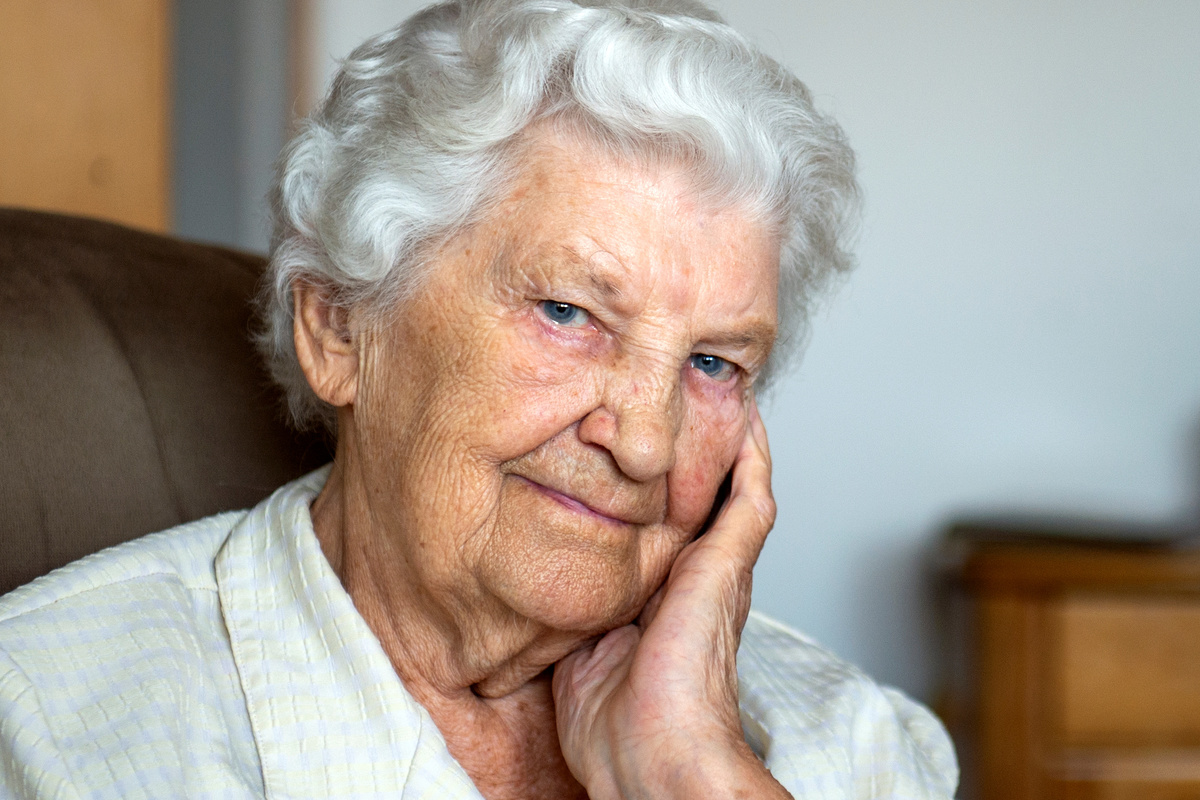
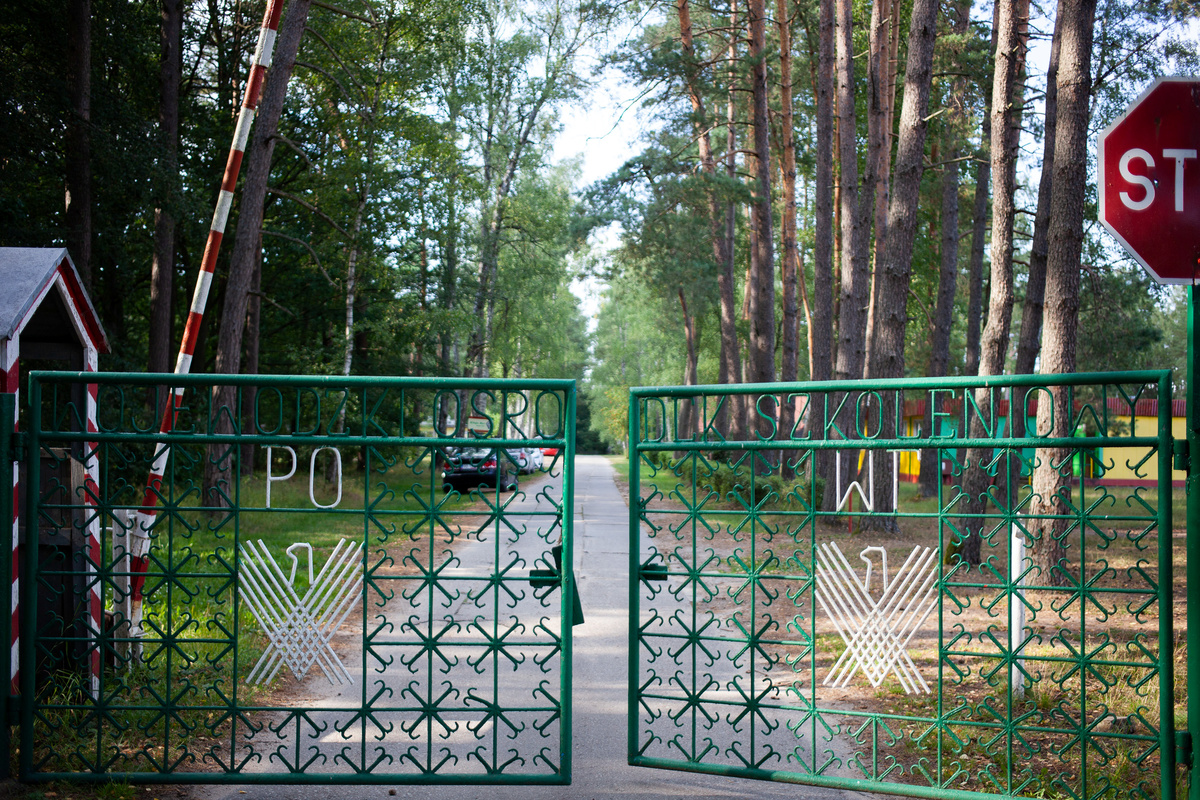
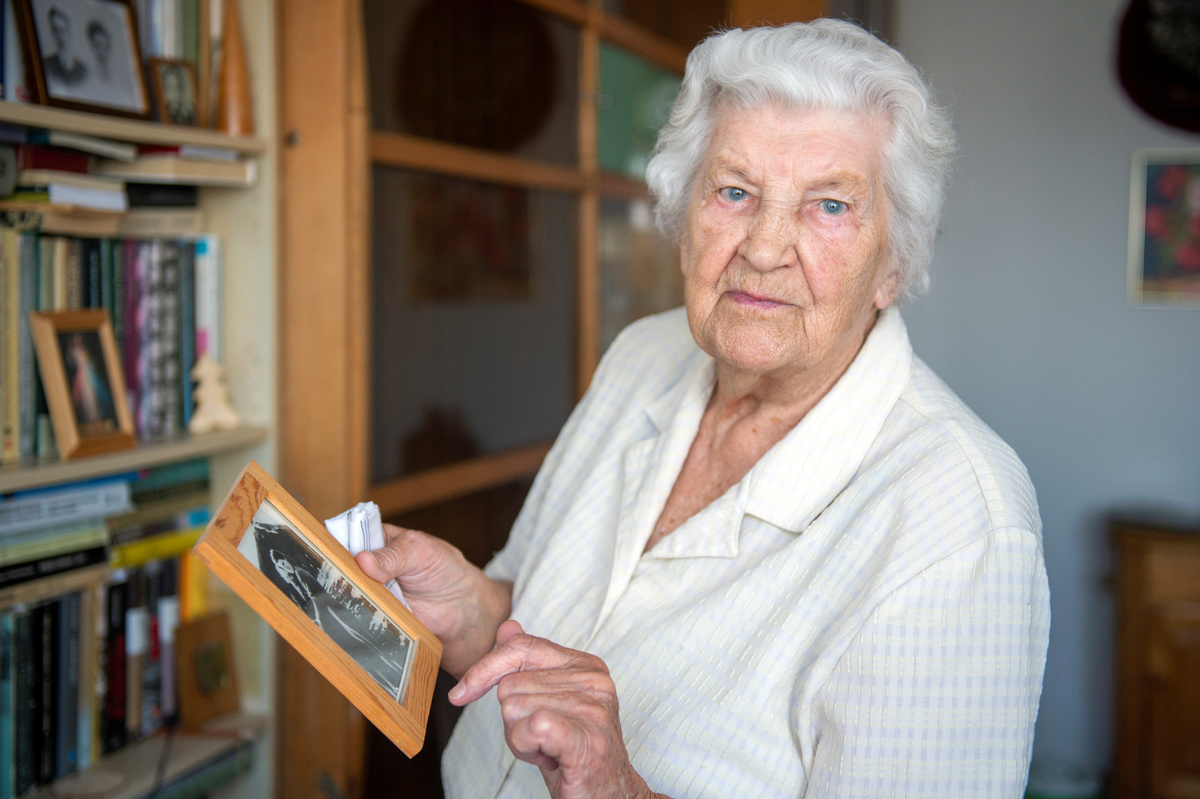
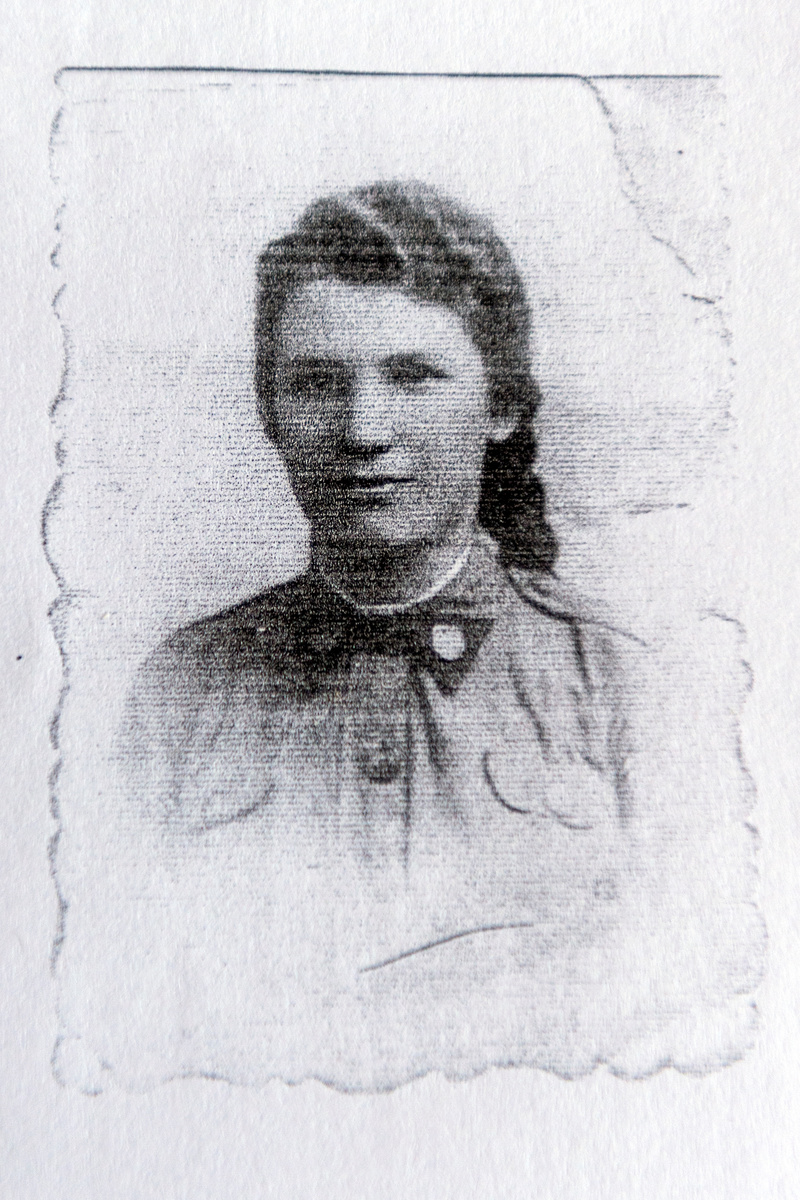
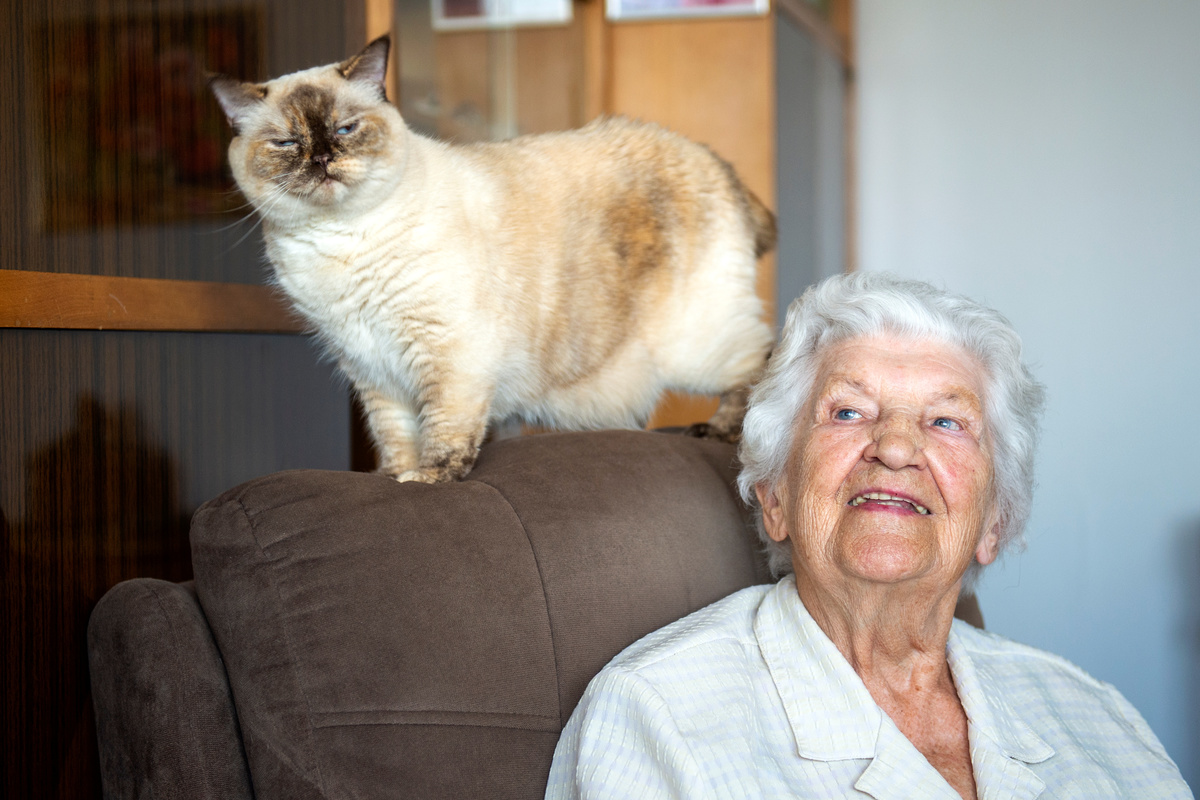
WROCLAW, Poland (Reuters) - Wanda Kialka was 17 when a friend suggested she join a military training camp for women outside Vilnius, then a part of Poland, as a way of preparing for something both hoped would never come - another war.
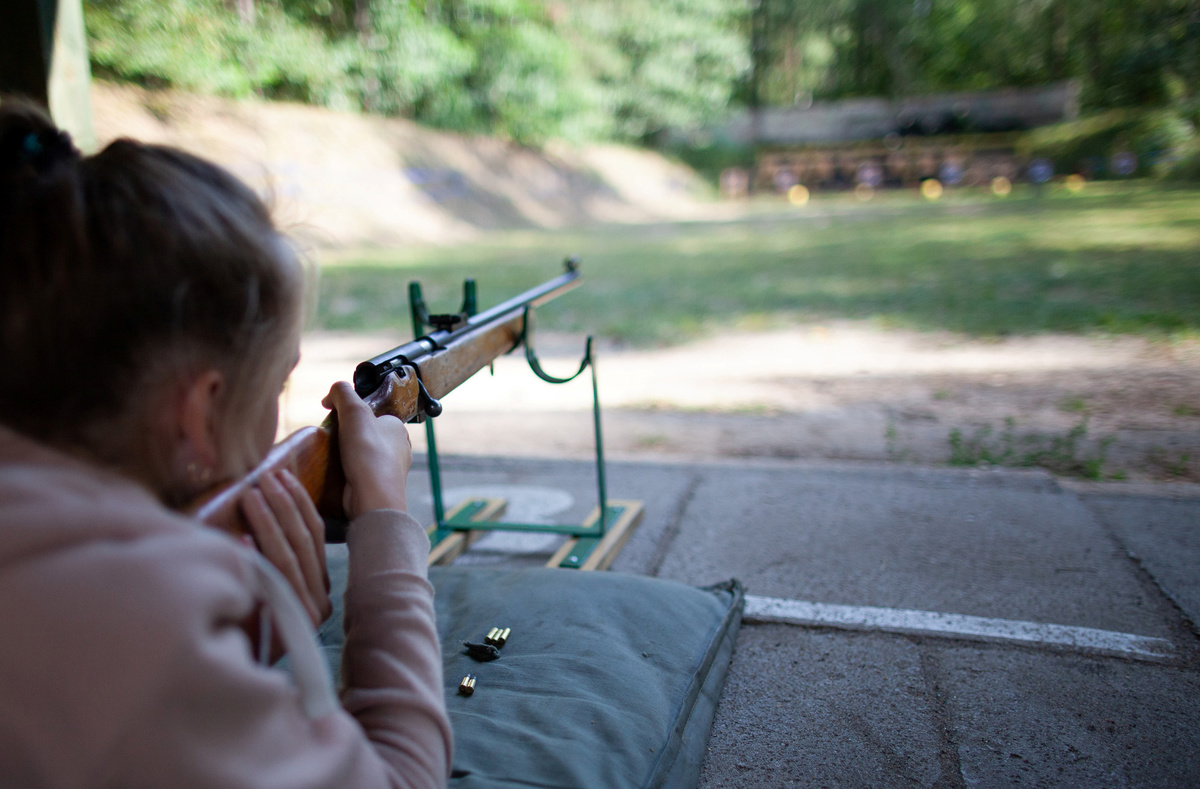
The girls' summer of 1939 was spent playing war games, learning how to shoot, how to treat basic wounds, and feeling useful. Few suspected war was imminent.
"For us, war (World War One) was in the past. No one wanted a new war, everyone was afraid of it," Kialka, now 97, said from her home in Wroclaw.
She had grown up hearing stories from her school teachers about their struggles during World War One. Moved and inspired by their bravery she decided to train for a potential conflict.
"We all wanted to do something, we all wanted to be needed, we wanted to feel Polish and feel like we are doing something."
On Sept. 1 1939, the German army attacked Poland, starting the largest world war in history and pushing Kialka, later a nurse and liaison officer, unexpectedly into action.
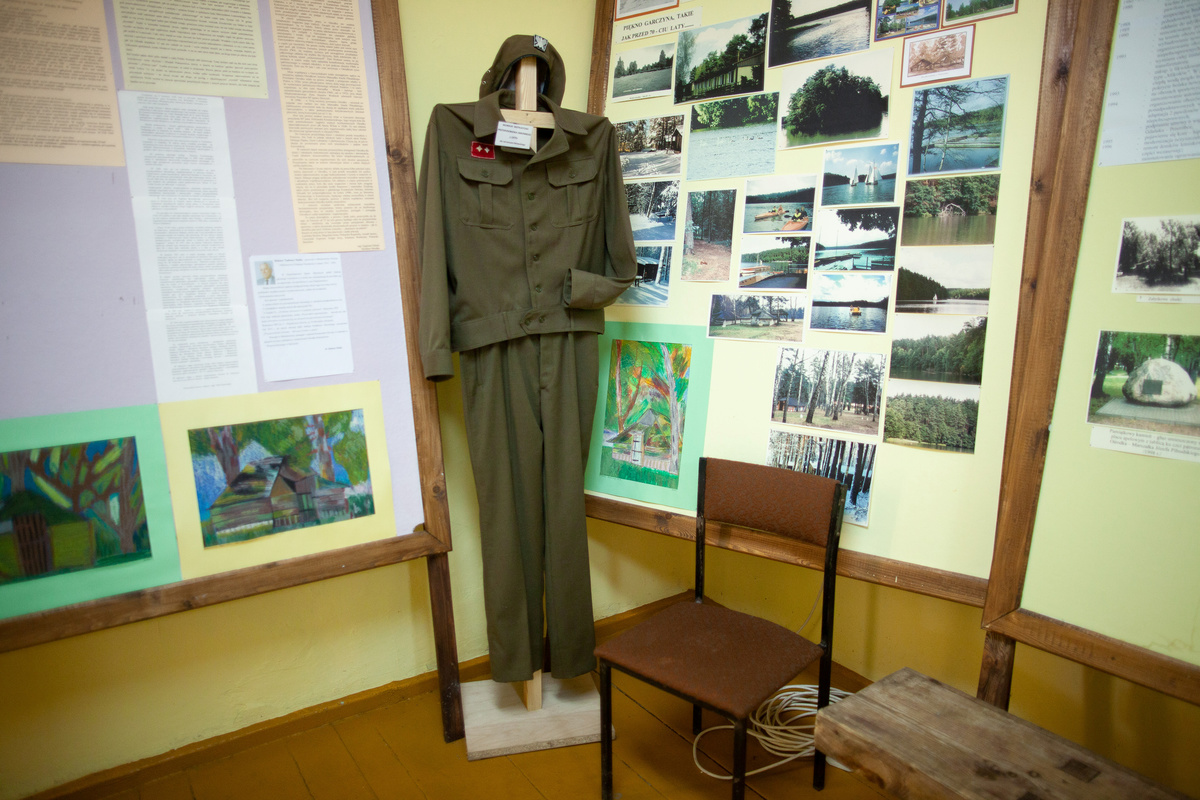
Kialka was part of an organization called Female Military Training (PWK), designed to train thousands of women to provide support services to the army.
Set up by women who had served during World War One and who wanted to remain active in the army, PWK had almost 45,000 members.
"Soon enough each of us was on duty in the town hall and tasked with finding housing for those escaping central Poland eastward," she said. Few were ready for another major war to begin.
Weeks after Nazi Germany attacked Poland's western border, the Soviets attacked Vilnius as part of an assault from the east on the country. After Germany and the Soviet Union later declared war on each other in 1941, the Germans captured Vilnius.
As Poland prepares to mark the 80th anniversary of the start of the war, Kialka said her memories of the fighting and of the injured she treated are still fresh in her mind.
The Soviets took German-occupied Vilnius in 1944 and turned on the Poles there, bringing new chaos and bloodshed as they set about creating the Lithuanian Soviet Socialist Republic, with Vilnius as its capital.
Kialka remembers treating an unconscious man with blood trickling from his mouth as bullets were flying, as she and others tried to escape Soviet troops.
"I asked the boys where to find the first aid kit. When they handed it to me, a bullet hit it and it flew through the air. I jumped to the floor in a fright," she said.
Eventually the Soviets captured her and she was sent to a Soviet war camp for over a decade.
Such memories have taken a toll on Kialka, who couldn't listen to war songs or watch war movies for years, even after she settled 800 kilometers west of Vilnius in Wroclaw in 1958, married and started a family.
Prior to the war, Wroclaw, had been a part of Germany.
In later years, Kialka worked on processing her trauma and now shares her memories willingly.
World War Two was a great tragedy for the world, not a triumph, she said. But she added that the upcoming anniversary is an opportunity to acknowledge Poland's progress.
"I still remember everything. When they sing the Polish national anthem then I get tears in my eyes. Because finally we are in a free Poland," Kialka said.
(Reporting by Ania Gavina and Joanna Plucinska, Editing by Alexandra Hudson)