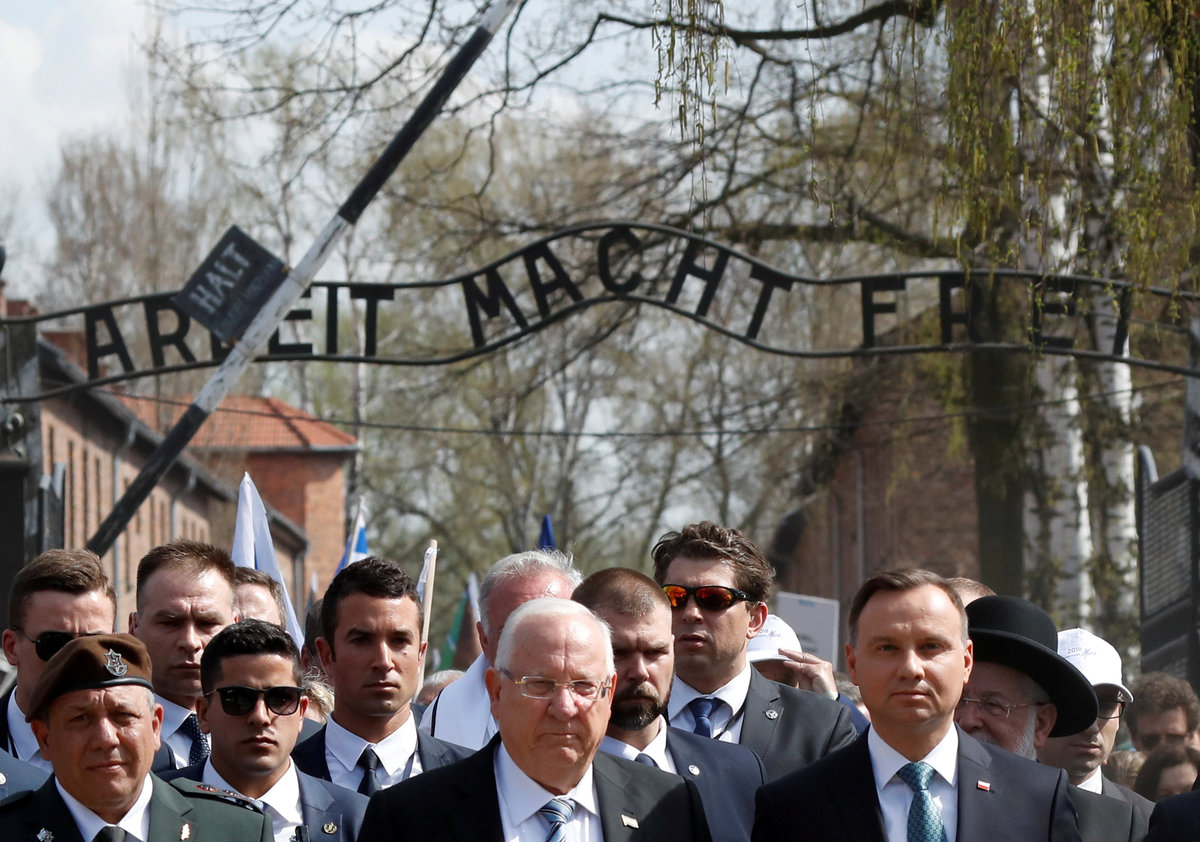
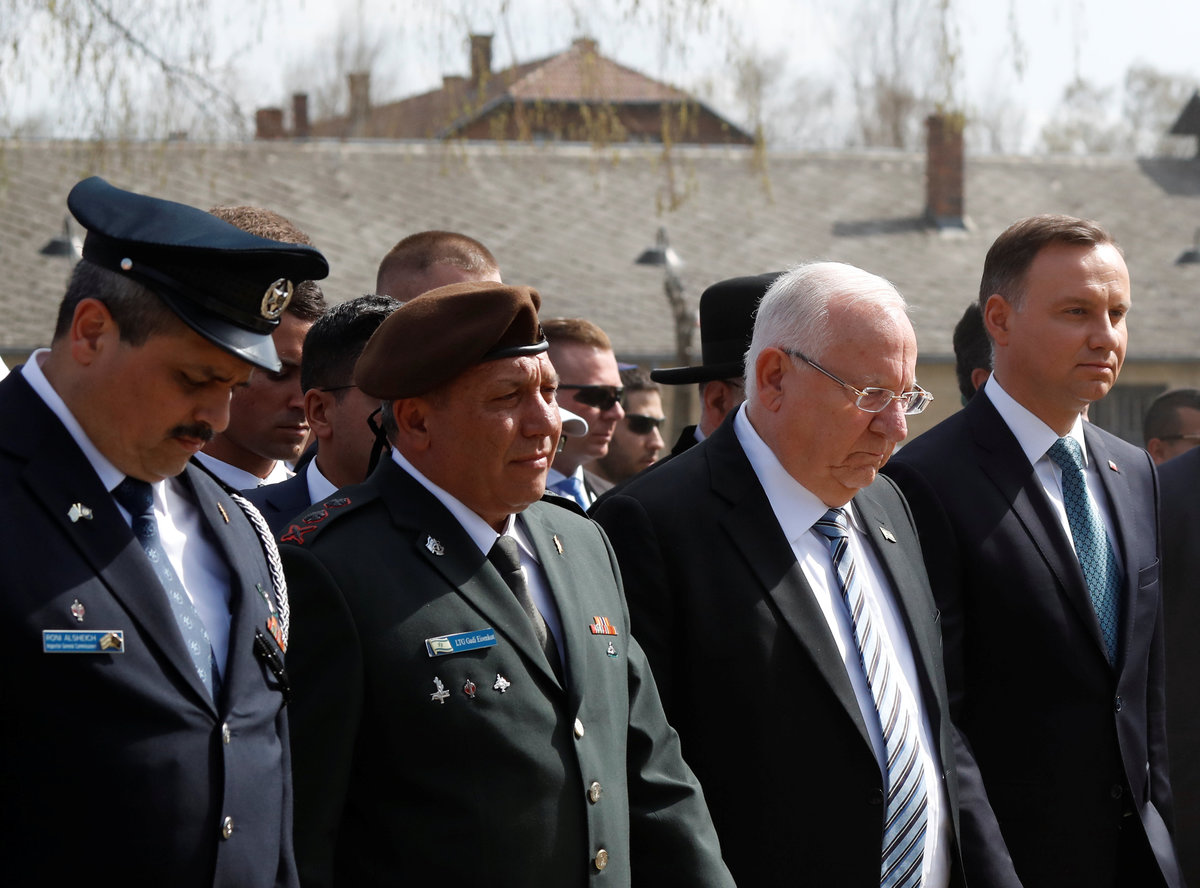
OSWIECIM, Poland (Reuters) - The presidents of Poland and Israel marched together at the Auschwitz concentration camp on Thursday, putting aside their differences over a new law that makes it a crime to suggest there was any Polish complicity in the Holocaust.
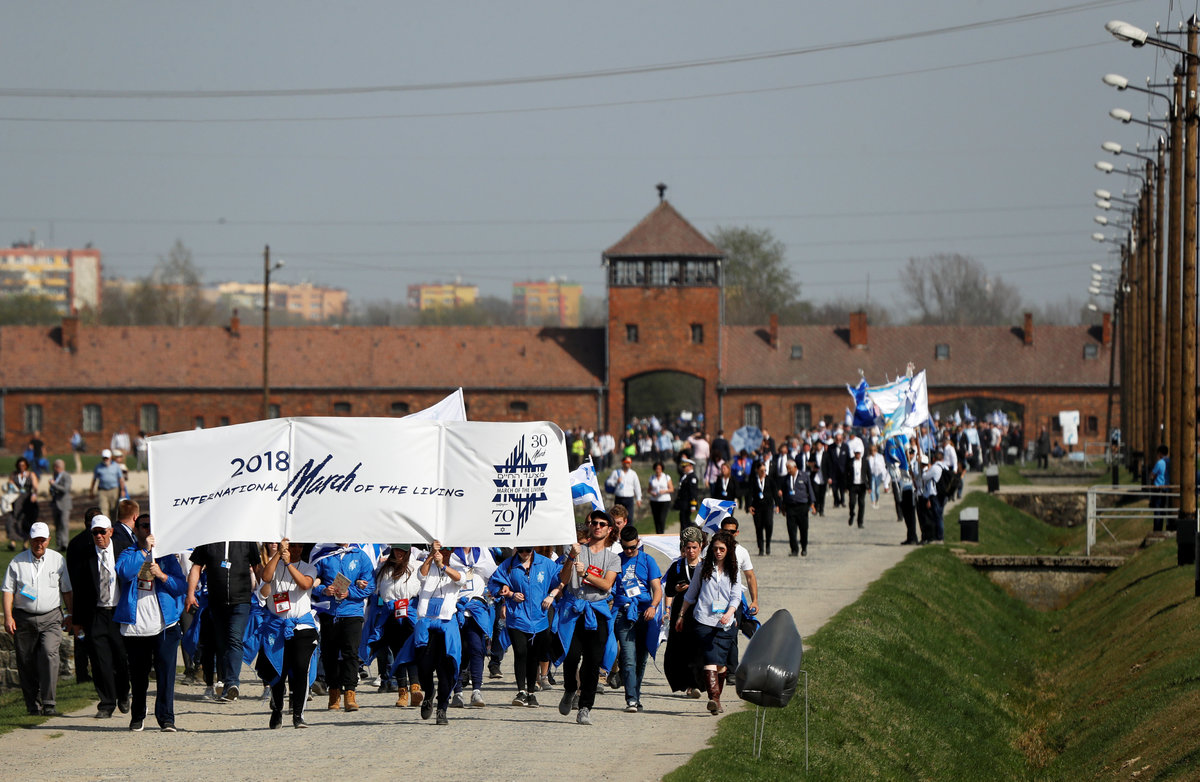
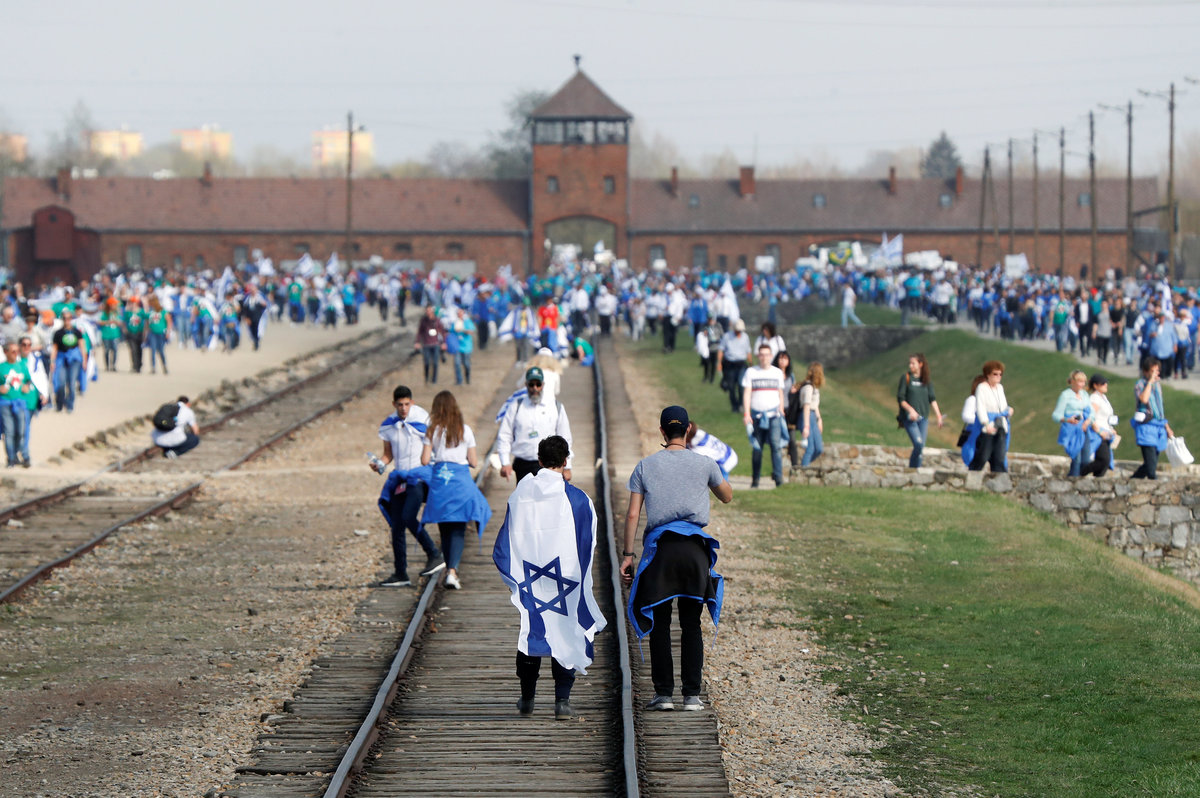
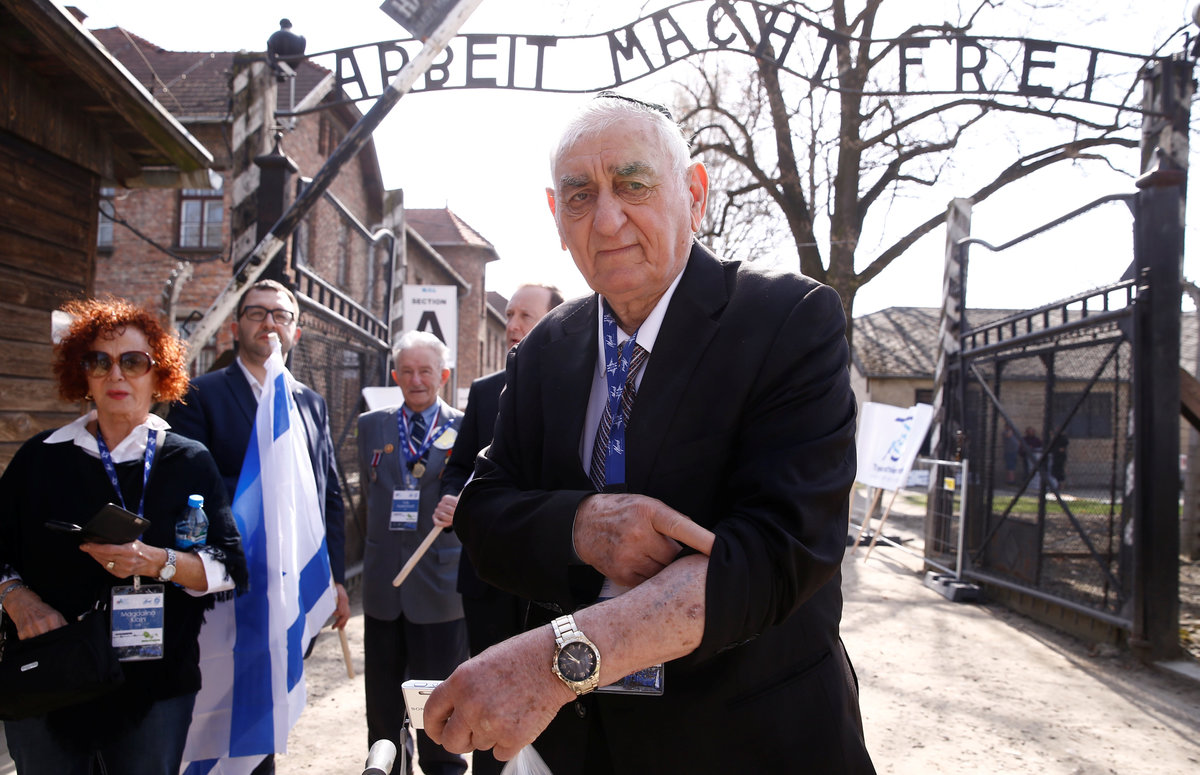
Poland's Andrzej Duda and Israel's Reuven Rivlin joined some 15,000 people - mostly young Jews from around the world and some camp survivors - in a 3-km (2-mile) walk from the infamous "Arbeit macht frei" ("work sets you free") gate to the site of the gas chambers.
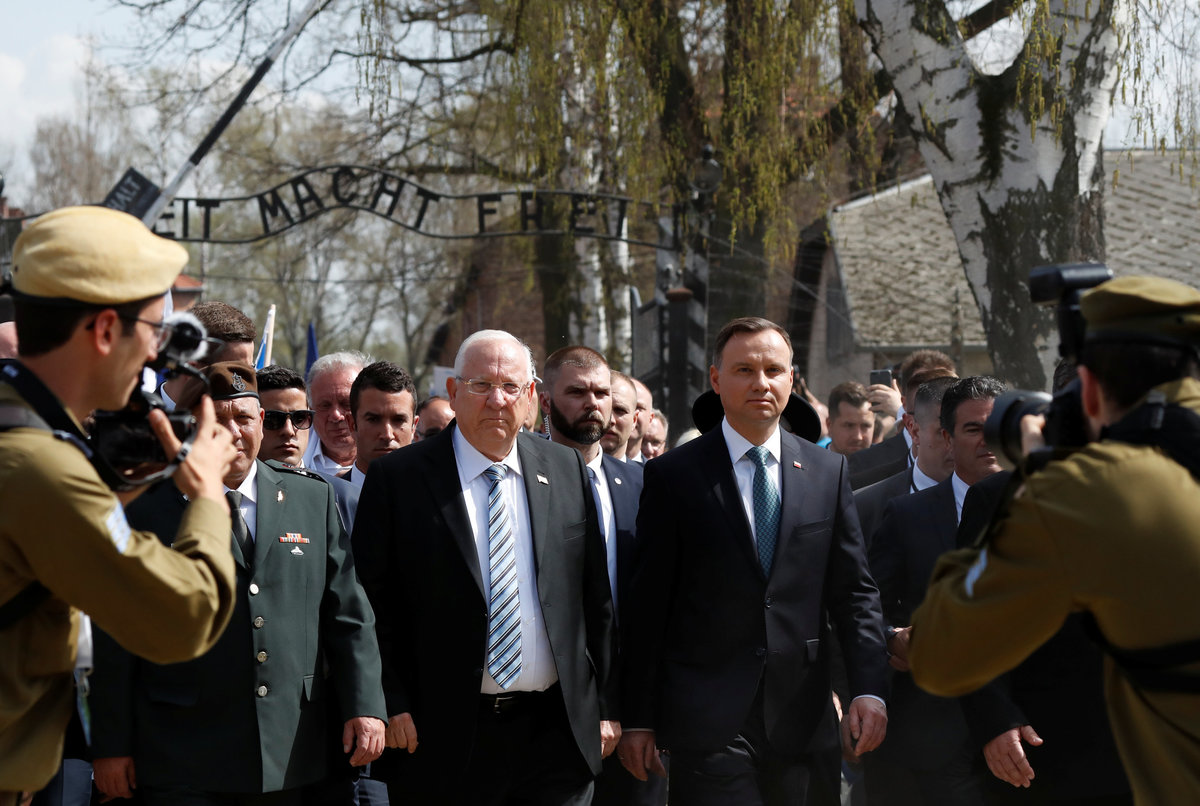
The show of unity on International Holocaust Remembrance Day may help soothe diplomatic tensions caused by the law which the ruling Law and Justice (PiS) party says is needed to defend Polish honour, but which Israel said could criminalise research into the role some Poles played in the war crimes.
Speaking at a joint news conference, Rivlin said Israel respected what he called Poland's soul-searching efforts.
"But we also disagree ... We demand that Poland is responsible for the completeness of research into the Holocaust," he said.
Duda said Poland's intention was not to restrict Holocaust remembrance.
"On the contrary, we want to defend historical truth ... including those elements that are difficult for the Poles," he said. "But there was never a systemic enmity towards the Jews."
More than 3 million of Poland's 3.2 million Jews were murdered by the Nazis, accounting for about half of the Jews killed in the Holocaust. Jews from across Europe were sent to be killed at death camps built and operated by the Germans on Polish soil, including Auschwitz, Treblinka, Belzec and Sobibor.
According to the U.S. Holocaust Memorial Museum, the Nazis also killed at least 1.9 million non-Jewish Polish civilians.
Thousands of Poles risked their lives to protect their Jewish neighbours; Israel's Yad Vashem Holocaust centre recognises 6,706 Poles as "righteous among nations" for bravery in resisting the Holocaust, more than any other nationality.
But in recent years research showed thousands of Poles participated in the Nazi atrocities, a challenge to the national narrative that the country was solely a victim.
Government critics accuse the PiS of politicising World War Two to build a nationalist sense of grievance among Poles.
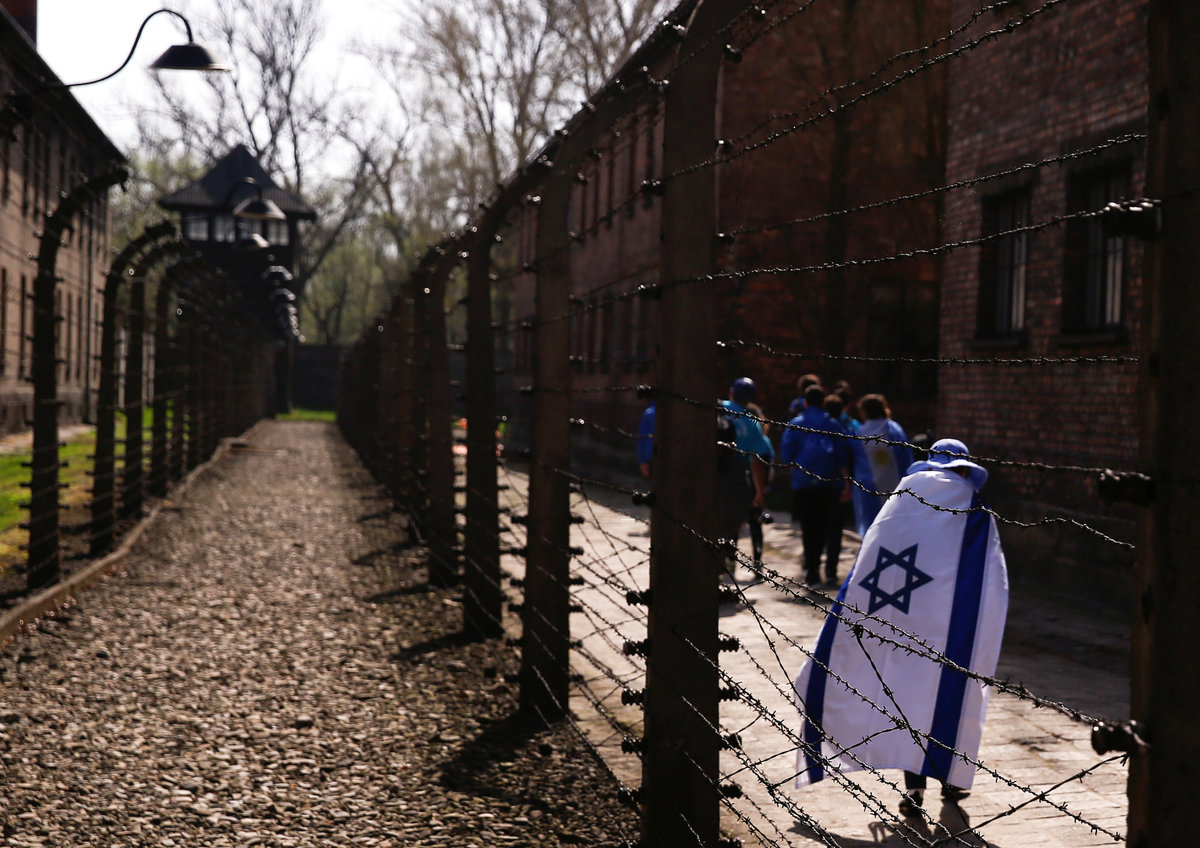
Alongside the presidents at the annual "March of the Living", many people waved or were draped in the Israeli flag.
"I was 13 years old when they took us all in, in 1944," said Zoltan Matyah, 87, a Jewish Russian survivor of the camp where 1.5 million people, mostly Jews, were killed. Matyah's mother, four sisters and a brother perished in Auschwitz.
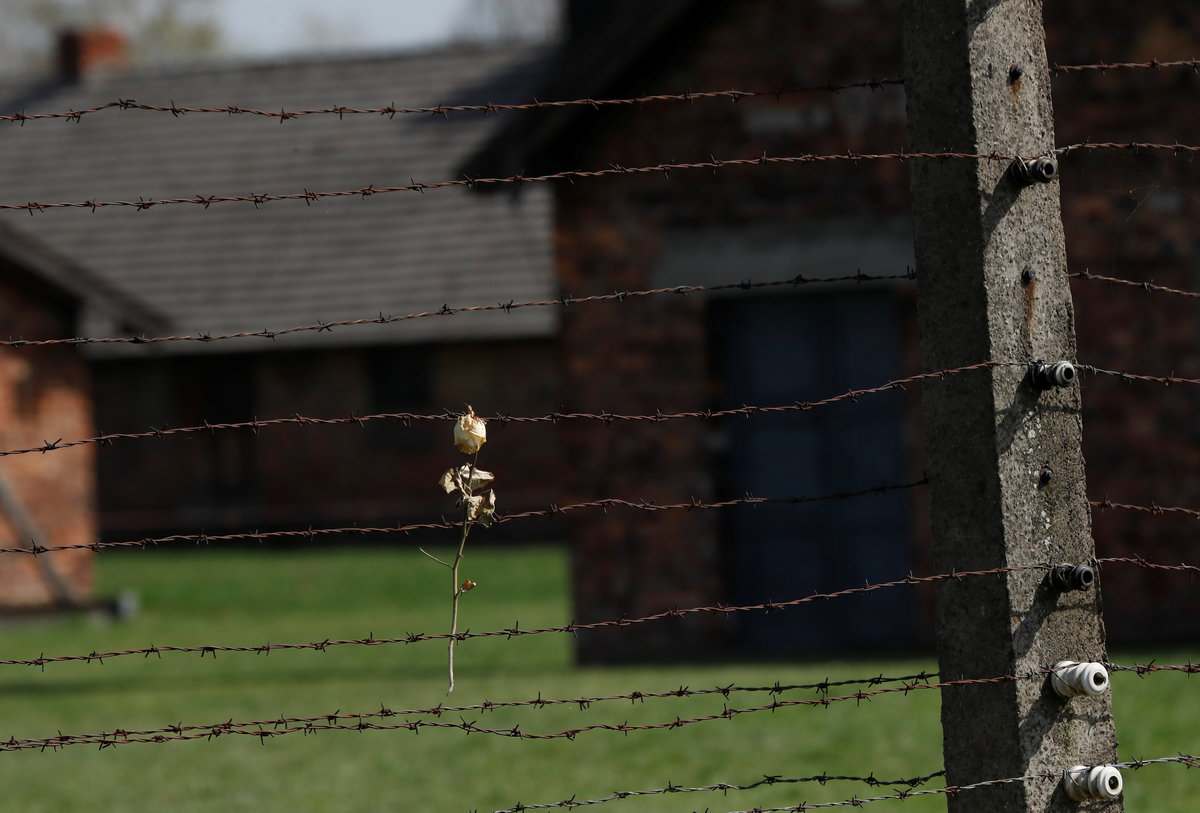
"I came here this morning - looked at the crematorium - do you know how difficult it was for me to breathe?"
(Writing by Lidia Kelly; Additional reporting by Anna Koper; Editing by Robin Pomeroy)
.png?w=600)