An official tasked with overseeing Victoria's coronavirus crisis says the presence of police or the military at quarantine hotels may have intimidated returning travellers.
Jason Helps and Andrea Spiteri from the Department of Health and Human Services jointly held the role of state controller, leading the state's pandemic response.
The duo told Victoria's hotel quarantine inquiry on Thursday their role largely dealt with communication, logistics and planning, with key decisions made by Chief Health Officer Brett Sutton and national and state cabinet.
Both maintain they played no role in the decision to hire private security guards to oversee returned travellers in hotels.
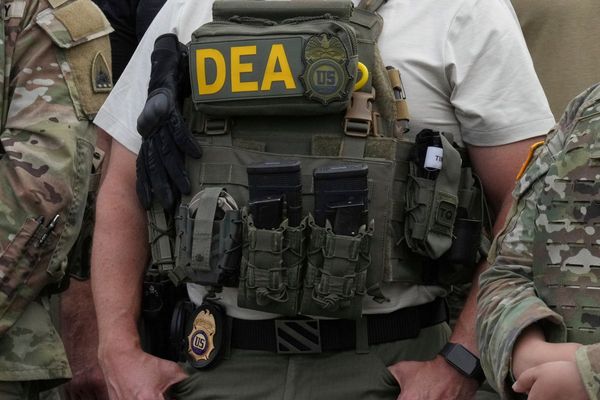
Mr Helps, a former police officer, said he wasn't sure the presence of Victoria Police or the Australian Defence Force in the program "would have made a difference".
"I'm not sure that we can be certain that having them in the program wouldn't have contributed to other issues," he told the inquiry.
In a written submission to the inquiry, Mr Helps said the hotel quarantine program "tried to balance humanity and security".
"Those returning were Australian citizens who had committed no crime and we did not intend to treat them as if crimes had been committed," he wrote.
He said the presence of uniformed police and ADF personnel "may have had a more detrimental effect on the mental health of those quarantined and their acceptance of the program".
"It also may have stymied some of the good work that our welfare people did with people that were experiencing mental illness, no one could know."
But on reflection, Ms Spiteri admits a more visible police presence at the hotels may have provided a good example for security guards.
"A 24/7 police presence at quarantine hotels may have been helpful in setting an example for security staff as to appropriate behaviour, or potentially acting as a deterrent for inappropriate behaviour," her statement to the inquiry read.
About 99 per cent of the state's second wave of coronavirus cases can be traced back to outbreaks among hotel staff and security at the Rydges on Swanston and Stamford Plaza in May and June.
Ms Spiteri's statement revealed the Rydges was set up as a "hot hotel" after a homeless person with the virus was initially denied accommodation.
The homeless man requested accommodation on March 31, but it was judged to be "outside the scope of the current contracts" and a hotel refused the request.
From April 2, the Rydges began taking returned travellers who tested positive to COVID-19 as well as and "confirmed cases from the general community that were expected to comply with their isolation".
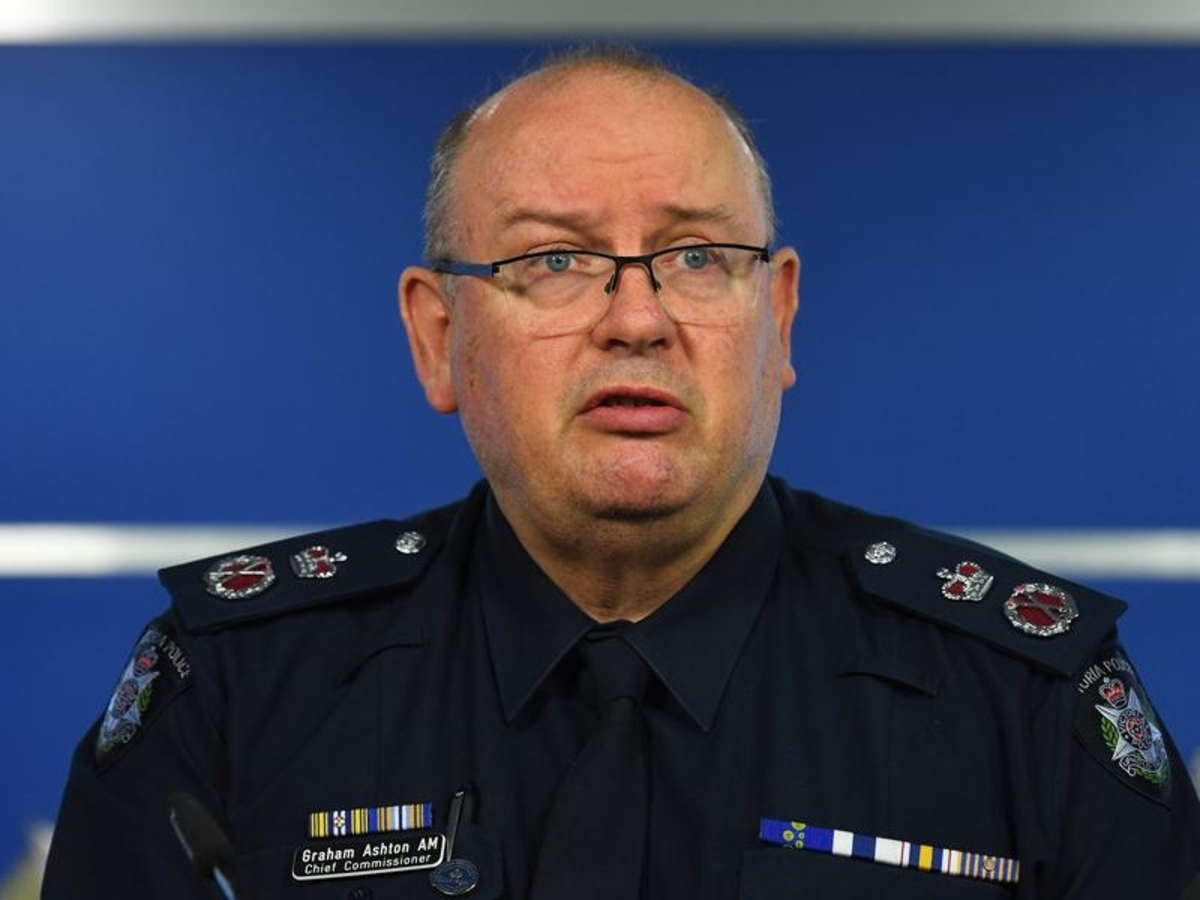
Also due to appear before the inquiry on Thursday is Victoria Police Chief Commissioner Shane Patton and his predecessor Graham Ashton.
The inquiry has previously heard Mr Ashton, who retired from the top job in June, wanted private security guards to be the first option for Victorian quarantine hotels, not the police.
The decision was made at a meeting chaired by Emergency Management Victoria Commissioner Andrew Crisp on March 27.
In a recording of the meeting, Mr Crisp said he understood it was Mr Ashton's preference that "private security be the first line of security".
"Absolutely that's our preference," Assistant Commissioner Mick Grainger added.
DHHS secretary Kym Peake eventually stepped into the state controller role in late July.