Five police officers who stopped and searched a man who died later the same evening made “breathtaking” changes to their account of the incident, a disciplinary hearing has been told.
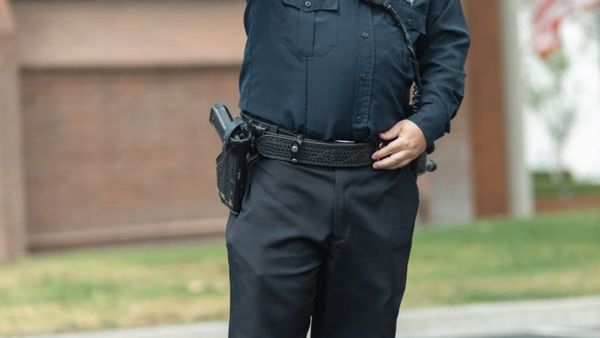
Thames Valley police officers DS Jason Liles, DC Richard Bazeley, and PCs Kate Granger, Chris Pomery and Howard Wynne are accused of gross misconduct in relation to the incident involving Habib “Paps” Ullah on 3 July 2008. Ullah, 39, a father of three from Slough, Berkshire, was declared dead at Wycombe general hospital at 8.30pm, one-and-a-half hours after the car in which he was travelling was subjected to a stop and search in High Wycombe.
All five officers are accused of removing crucial information relating to the incident that was included in their draft statements from accounts later provided to the police watchdog. Liles is additionally accused of gross misconduct in relation to slapping Ullah on the back.
At the hearing at Shaw House, in Newbury, Gerard Boyle, presenting the case against the officers, said: “The nature and extent of the amendments and deletions these five officers made to their statements were on a breathtaking scale ... Literally from beginning to end, almost every facet of their interaction with Mr Ullah and the other occupants of the car was amended in some form.”
The three-person panel heard that information variously relating to the officers’ awareness of Ullah being in difficulty, belief that he was faking illness, details of the use of force by Liles and of potential witnesses, was among that included in draft statements but removed from those provided to the Independent Police Complaints Commission (IPCC). Among the specific examples given by Boyle were:
- Bazeley removing his description of the back slap on Ullah as being delivered “with some force”.
- Wynne’s deletion of his description of another occupant of the car shouting: “You’re strangling him.”
- Pomery replacing the word “grabbed” in relation to Ullah’s neck with “held”.
- Liles removing references to Ullah struggling, not saying anything and coughing in a strange manner.
- Granger’s removal of her observation that Ullah had been “lurching forward” and that his eyes had appeared rolled and grey.
Boyle said their behaviour was “inexcusable” and that it was no defence for the officers to say that they were told to remove the details referred to by a solicitor, as they have previously indicated to be the case.
There is no suggestion that Liles’s slap to Ullah’s back caused the latter’s death but Boyle said that experts had deemed it unnecessary and disproportionate.
An initial IPCC investigation, based on written statements from the officers involved, cleared the officers of any wrongdoing in March 2010.
But in December that year the officers admitted under oath at the inquest that they had removed potentially key evidence from their written statements to the IPCC, claiming they were told to do so by a police federation lawyer.
Kevin Baumber, counsel for the officers, suggested that if they were trying to cover up what had happened, they would not have written down the material excluded from their accounts to the IPCC in the first place.
He also highlighted a number of cases in which force had been used by officers on people believed to have swallowed drugs. The accused have claimed that they thought Ullah had swallowed a large quantity of class-A drugs.
Boyle said: “The criticisms made of these officers go to the heart of the trust and confidence placed in our police force by the public, independent investigators, and perhaps most important of all, family or friends if anyone who has list anyone after contact with the police.”
The sanctions for officers found to have committed gross conduct range from no further action at one end of the spectrum to dismissal without notice at the other.
At the start of the hearing, Ullah’s family, who are being represented at the hearing by their solicitor, who has been permitted to submit questions to the panel, released a short statement, expressing their hope “that this will result in the officers being held to account and facing the appropriate sanction”.
All of the accused deny gross misconduct. The hearing continues.