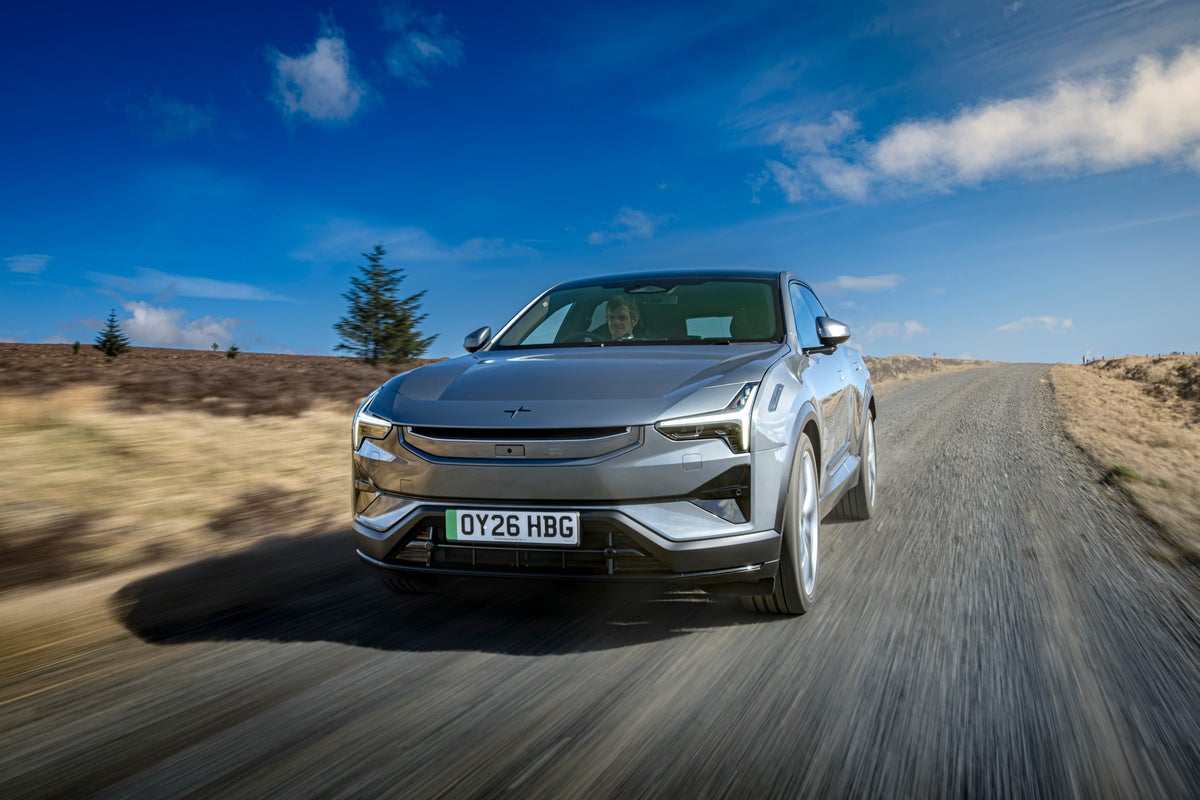
The Polestar 3 was already one of our favourite premium electric cars, and this heavily revised version does something that’s surprisingly rare in the modern car world. In short, it improves a genuinely good car in almost every area that matters, without losing any of the character that made it so appealing in the first place.
The big headline is the move to an 800V electrical architecture. That brings with it a much faster peak DC charging rate of up to 350kW, a quoted 10 to 80 per cent charging time of as little as 22 minutes and an efficiency improvement of up to 6 per cent, depending on version and cycle.
Polestar has also added Breathe Charge software, which monitors the battery in real time and adjusts charging speed moment by moment to get the best out of the chemistry in all sorts of conditions, including cooler weather. Polestar says that can mean as much as 38 per cent more added range in a 10-minute charging session compared with the previous setup without the new software.
That alone would have been enough to make the Polestar 3 more competitive, because charging speed is one of the key battlegrounds in the premium EV sector. But Polestar hasn’t stopped there. There’s a new in-house rear motor, more power across the lineup, a more rear-biased feel, updated anti-roll bars, extensive steering software refinement and a major leap in core computing power – thanks to the switch from the NVIDIA Xavier unit to the new DRIVE AGX Orin processor.
Processing power jumps from 30 to 254 trillion operations per second, which is the sort of number that sounds hugely technical, but it matters because it underpins everything from active safety to battery performance and sensor management.
What makes the Polestar 3 so likeable, though, is that none of this feels like engineering for engineering’s sake. The car still looks fantastic, with a clean, futuristic shape that stands apart in a sector full of large electric SUVs that can blur into one another.
It still has a beautifully judged cabin, still feels properly premium inside and still drives with far more fluency and polish than many rivals. In fact, the more time you spend with it, the more you realise that this is not some design-led statement piece that happens to be electric. It’s a deeply well-rounded car.
The new lineup is also clearer than before. Polestar now simply calls the three versions Rear motor, Dual motor and Performance, and UK pricing stretches from £76,540 for the Rear motor to £84,540 for the Dual motor and £92,040 for the Performance. That puts it directly into the thick of the premium electric SUV fight, but with a specification and depth of engineering that justify its positioning far better than some rivals manage.
Crucially, from behind the wheel this updated Polestar 3 feels even closer to what a big premium EV should be. It’s more comfortable, the steering is more natural, the charging improvements are hugely welcome, and the quality seems better than ever.
Like all Polestars, it looks smart, futuristic and like nothing else on the road, which is no small achievement these days. This is a very special car, and with these updates it has become an even more convincing one.
How we tested
We already knew the Polestar 3 well from previous tests, so the value of this latest outing was in understanding exactly what the 800V changes have done to the car in the real world (rather than simply noting the headline specifications).
I drove the latest Polestar 3 on a broad mixture of roads around Northumberland, including some particularly memorable stretches on a track through Kielder Forest. That sort of route is ideal for a car like this because it asks a lot of it. There are quick changes of direction, rougher surfaces, fast open bends and narrow sections where a large SUV has to feel manageable rather than cumbersome. It gave me the chance to assess the steering changes, the chassis balance and the subtle ride improvements Polestar has made.
I also drove on motorways, through small villages and bigger towns, which is vital because the Polestar 3 isn’t some niche performance special. It’s a premium family SUV that will spend much of its life doing everyday duties. So refinement, visibility, low-speed comfort, ease of use and general livability matter just as much as the way it feels on a great road. I put every element of the car to the test, including the audio system, the infotainment, the seats and the practicality.
Polestar 3: From £76,540, Polestar.com
Independent rating: 9/10
- Pros: Distinctive design; great drive with improved steering and ride; much faster charging; excellent quality; superb optional Bowers & Wilkins audio
- Cons: Too many key controls still live in the touchscreen; no seven-seat option; boot space isn’t huge for such a big SUV
- Price range: £76,540 to £92,040
- Battery size: 92kWh and 111kWh
- Maximum claimed range: 402 miles
- Miles per kWh: Up to 3.5
- Maximum charging rate: 350kW
Battery, range, charging, performance and drive
This is the area where the new Polestar 3 has advanced the most, and it is also the bit that matters most to a lot of buyers. The original car was already a strong long-distance machine, but the move to 800V architecture turns it into a much more convincing all-rounder.
The revised lineup now spans three versions. The entry-level Rear motor model is rear-wheel drive, uses a 92kWh battery and produces 333bhp. It offers a quoted 0-60mph time of 6.3 seconds, a top speed of 130mph and a range target of 375 miles.
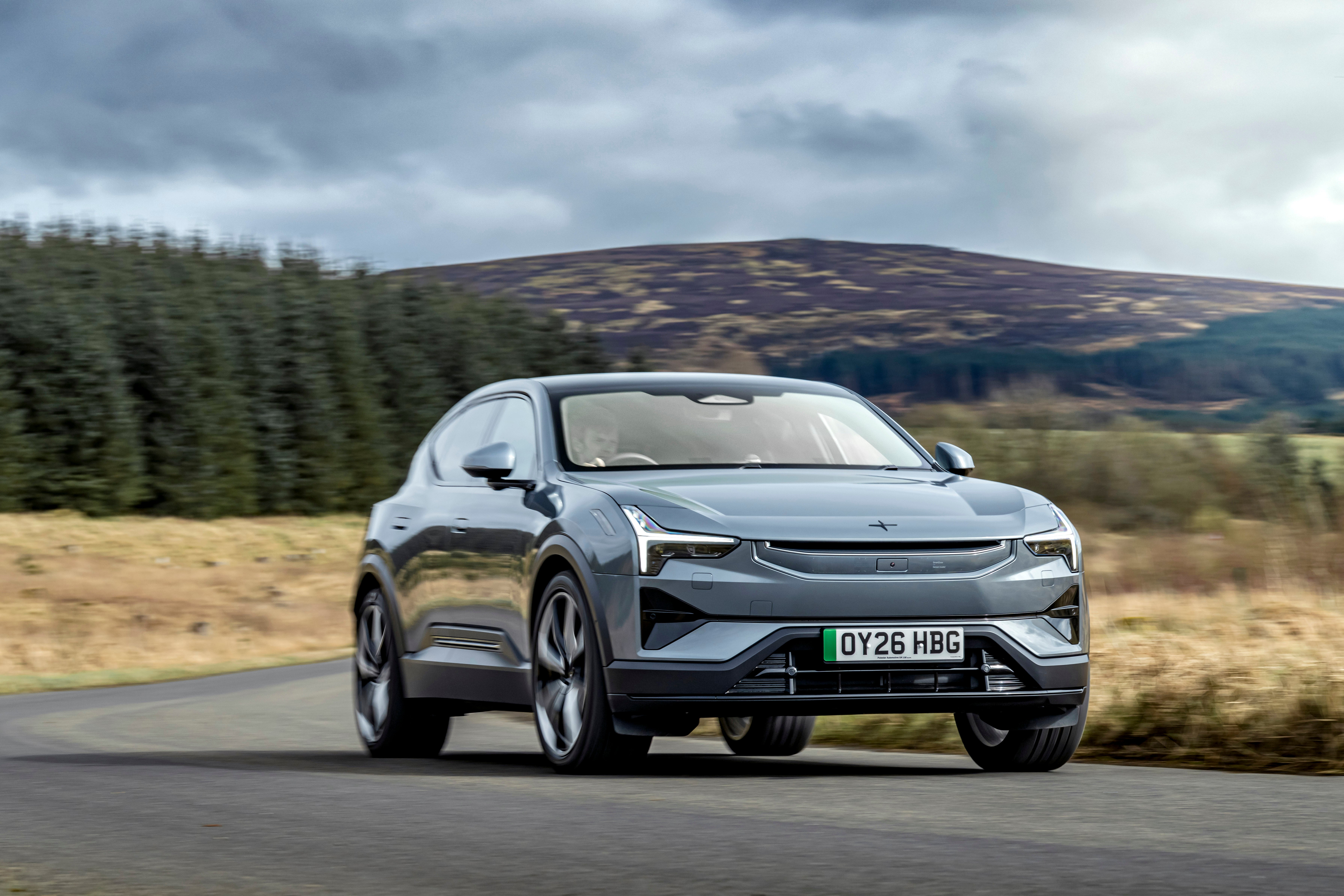
Above that sits the Dual motor version, which uses a 111kWh 800V battery and two motors for four-wheel drive. Output is 544bhp, torque is 546 lb-ft, the 0-60 mph time is 4.5 seconds and the top speed is 140mph. Impressively, this is also the longest-range version in the current lineup with a quoted maximum range of 394 miles. DC charging is up to 350kW and the quoted 10-80 per cent window is 22 to 32 minutes, while an 11kW AC charge takes 11 hours.
At the top of the range is the Performance model. Here, output rises to 680bhp, torque to 642 lb-ft, 0-60 mph falls to 3.8 seconds and top speed remains 140mph. Range dips to 368 miles.
On the road, though, what matters is how these numbers translate into experience. And here the Polestar 3 is superb. The move to a new rear motor and the greater rear bias have made the car feel even more natural than before.
The steering is one of the key gains. It was already meaty and confidence-inspiring, but now it feels cleaner, more precise and just that bit more intuitive. You place the nose of the car more easily, and despite the Polestar 3’s size there’s a lovely sense of cohesion to the way it goes down a road.
Updated anti-roll bars and software refinements also help the chassis. On the roads around Northumberland, including the Kielder Forest route, the Polestar 3 felt impressively tied down without ever becoming harsh. The ride comfort is slightly improved, which is another big plus.
This was already a far more comfortable car than the firmer Polestar 2, but now there’s just a touch more give and polish over broken surfaces. In the Dual motor and Performance versions, the dual-chamber active air suspension is standard, with standard, nimble and firm settings, along with ride-height adjustment and a loading mode. It does a fine job of blending comfort and control.
The Rear motor car uses passive dampers with coil springs rather than air suspension, and on paper that makes it the simpler, more straightforward option. But the Dual motor is likely to remain the sweet spot for most buyers because it brings stronger performance, standard air suspension and, intriguingly, the longest official range in the lineup.
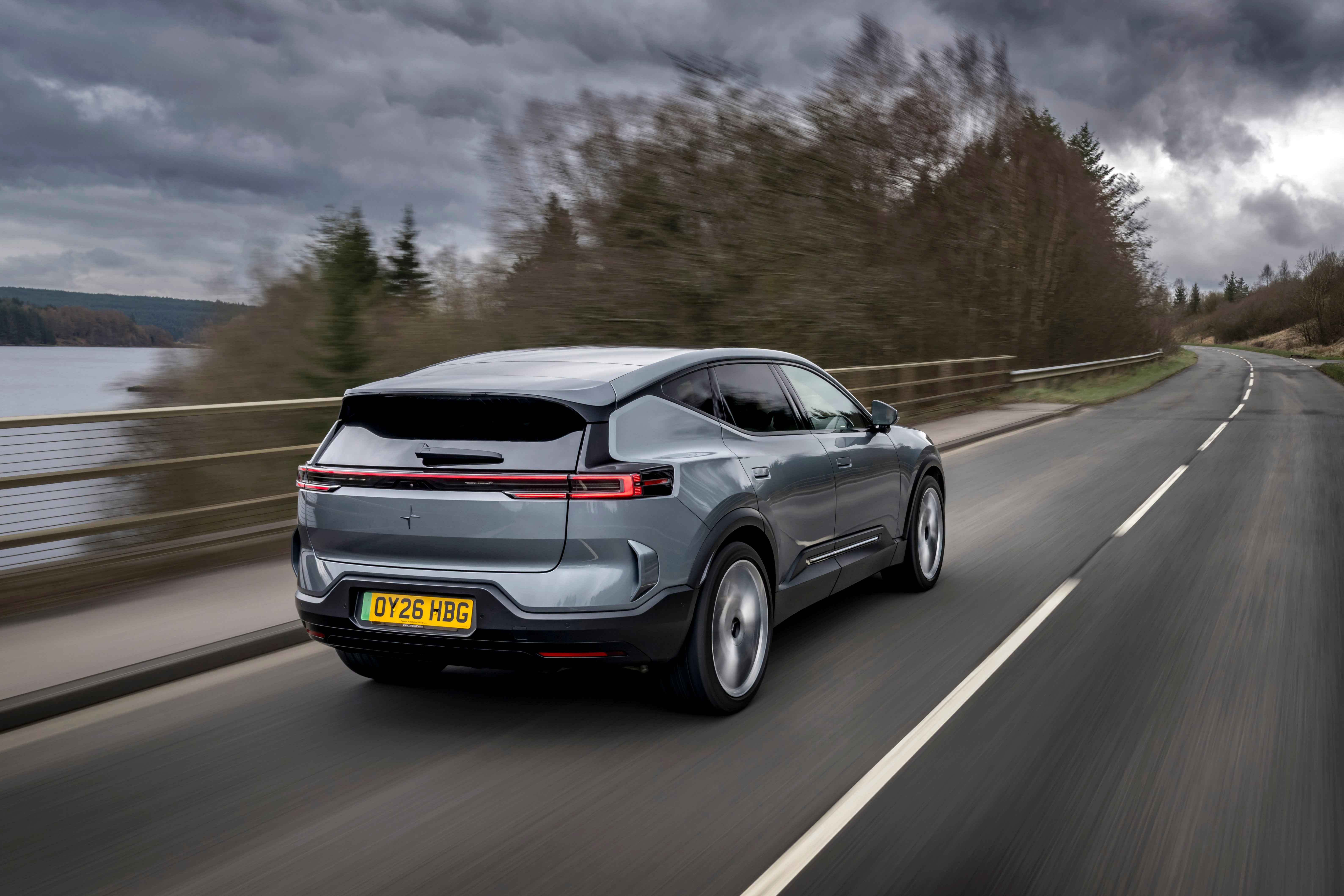
Refinement is another highlight. The Polestar 3 feels like a properly expensive car at motorway speeds, with very little wind or road noise getting into the cabin. The new charging and efficiency gains also matter because they make the car feel more relaxed on long journeys. Knowing that a 10-80 per cent top-up can be done in as little as 22 minutes, and that Breathe Charge is working to maintain good charging performance in less-than-perfect conditions, makes the Polestar 3 a much easier car to recommend to people who regularly travel long distances.
And that is really the point. The revised Polestar 3 isn’t merely quicker or faster charging on paper. It feels more complete, more usable and more sorted. It is already one of the best big premium EVs to drive, and these changes have widened the gap.
Interior, practicality and boot space
If the Polestar 3’s mechanical and electrical upgrades are the big headline, the cabin remains one of the core reasons you’d choose this car in the first place. It still feels like one of the most thoughtfully designed interiors in the premium EV market, and in this updated form it seems better finished and more convincing than ever.
Polestar’s approach to design is a familiar one by now, but the 3 carries it off especially well. This is a large, expensive SUV, so minimalism on its own wouldn’t be enough. It has to feel rich as well as restrained, and the Polestar 3 does.
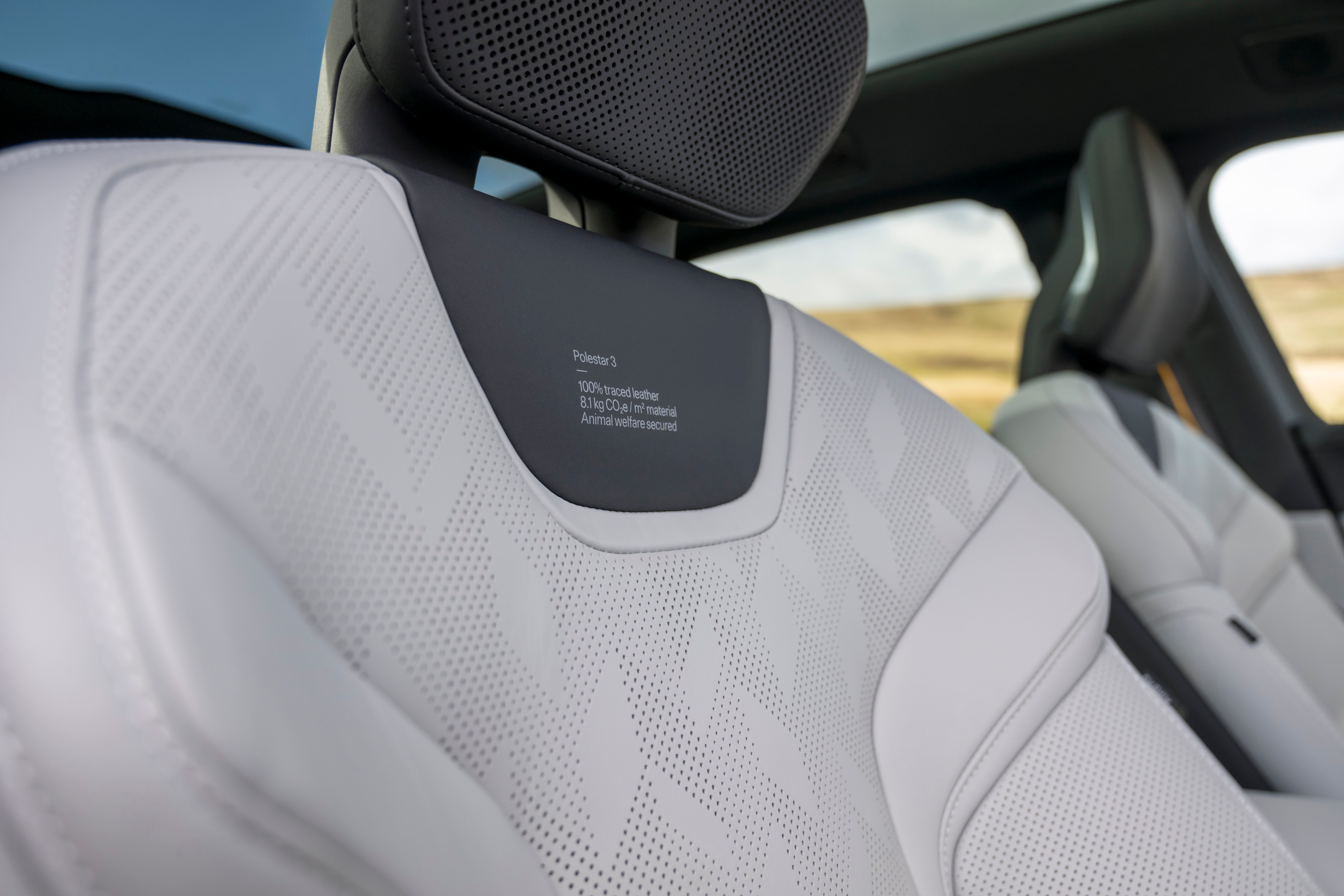
The surfaces are clean and modern, the architecture is uncluttered and the whole thing has that very Scandinavian sense of calm that can so easily tip into coldness in lesser efforts. Here, it doesn’t. There’s real warmth in the material choices and a sense that every detail has been considered.
The updated standard upholstery is Bio-attributed MicroTech and it suits the car brilliantly. It looks suitably premium, feels durable and modern, and fits with Polestar’s long-standing interest in more progressive and sustainable material choices.
Quality is excellent. In fact, it seems better than ever in this revised car. The Polestar 3 always felt solid, but now there’s an even greater impression of integrity. The way the doors shut, the way the trim pieces fit together, and the overall sense of heft and polish all reinforce that this is a serious premium product. In a class where some rivals chase gimmicks or screen-led theatre, the Polestar 3 impresses because it feels beautifully resolved.
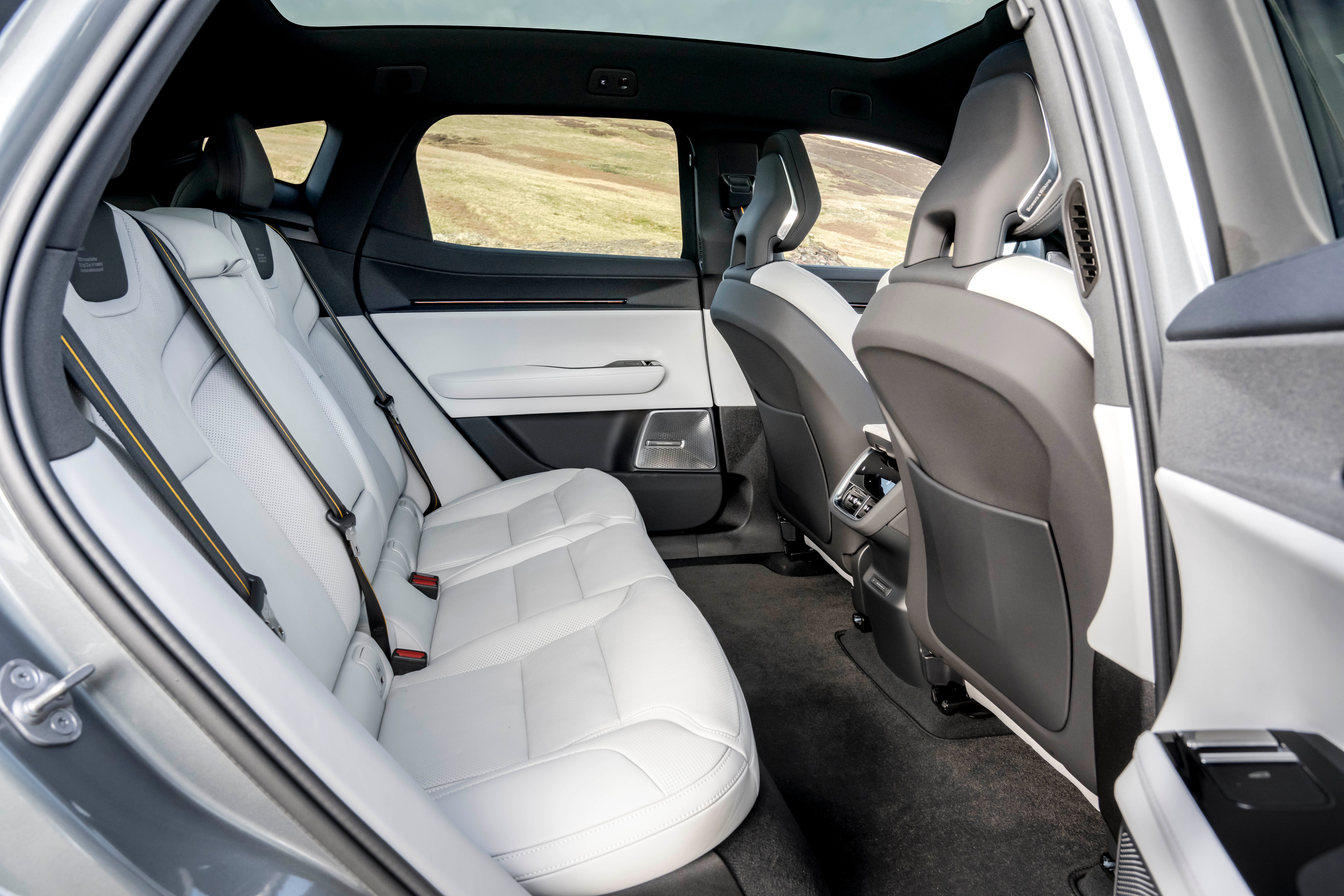
Space is strong, too. The 2,985mm wheelbase gives the cabin good proportions, and the rear seats benefit from that, with lots of leg room and a pleasing sense of openness helped by the panoramic roof made from UV- and noise-reducing laminated glass. Up front, the seating position is excellent, the view out is commanding and there’s a proper feeling of width and roominess. This is a big car and it feels like one inside.
There are a couple of caveats. The first is that the Polestar 3 is still strictly a five-seater – there is no seven-seat option. However, much as there is clear demand for big SUVs like the Volvo EX90 (which shares much of its tech with this Polestar), the 3’s practicality is good rather than exceptional.
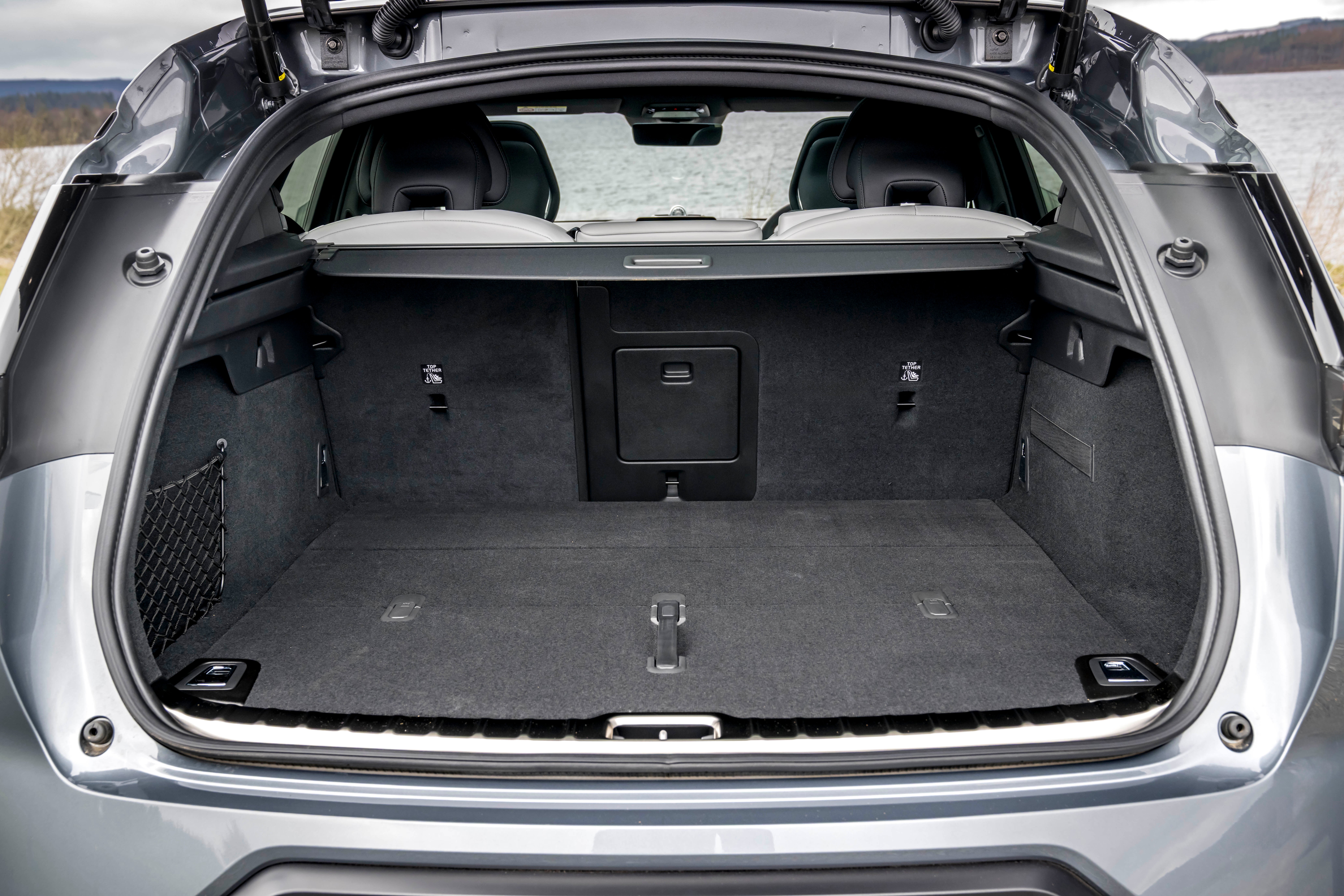
The rear luggage capacity is quoted at 484l up to the rear seat backs and 597l up to the roof. That’s perfectly useable, but not outstanding given the Polestar 3’s size. The front boot varies by version, too: 32l is quoted for the Dual motor and Performance models, while the Rear motor gets 23.8l. Either way, it is handy for cables, but not much more.
Still, everyday usability is strong. There are four USB-C connectors, a 15W wireless charging pad in the front armrest, rear climate controls and plenty of storage for the odds and ends that come with family life. The power-operated steering column and the heated features included in the Climate pack help reinforce the upmarket feel, while the foldable load floor available within the Plus pack is useful in the boot.
The revised pack structure also makes life easier. The new Climate pack includes heated rear seats, steering wheel and front wiper blades, while the Prime pack bundles Pilot, Plus and Climate together with rear privacy glass. Prime is standard on Performance and optional on Rear motor and Dual motor. The upshot is a range that is simpler to understand and easier to configure than before.
So, there are more overtly practical big SUVs out there. Some offer more boot space, and some offer seven seats. But few match the Polestar 3 for the sheer quality of the environment it creates. It is stylish without being showy, premium without being fussy and spacious enough for most real-world needs. And in this updated form, it feels better than ever.
Technology, stereo and infotainment
The Polestar 3 has always been a very tech-led car, but what’s interesting about the latest version is that the most important changes are not necessarily the ones you see first. The big development here is in the digital architecture beneath the surface, and that matters because it changes the car’s ability to process information, manage systems and improve over time.
Polestar says the new NVIDIA DRIVE AGX Orin processor replaces the previous Xavier unit and increases processing power from 30 to 254 trillion operations per second. That is an enormous jump, and while buyers are unlikely to discuss this over dinner, it does tell you something important about the Polestar 3: this is not a car standing still.
The extra computational muscle supports faster, more intelligent management of active safety systems, battery performance and sensor data, and it is part of Polestar’s broader pitch that the 3 is a genuinely software-defined vehicle rather than simply a car with a big screen. Even more impressively, Polestar says existing Polestar 3 customers will be offered this hardware upgrade as a complimentary retrofit from early 2026 – it may go some way to appease early customers who had a few reliability issues.
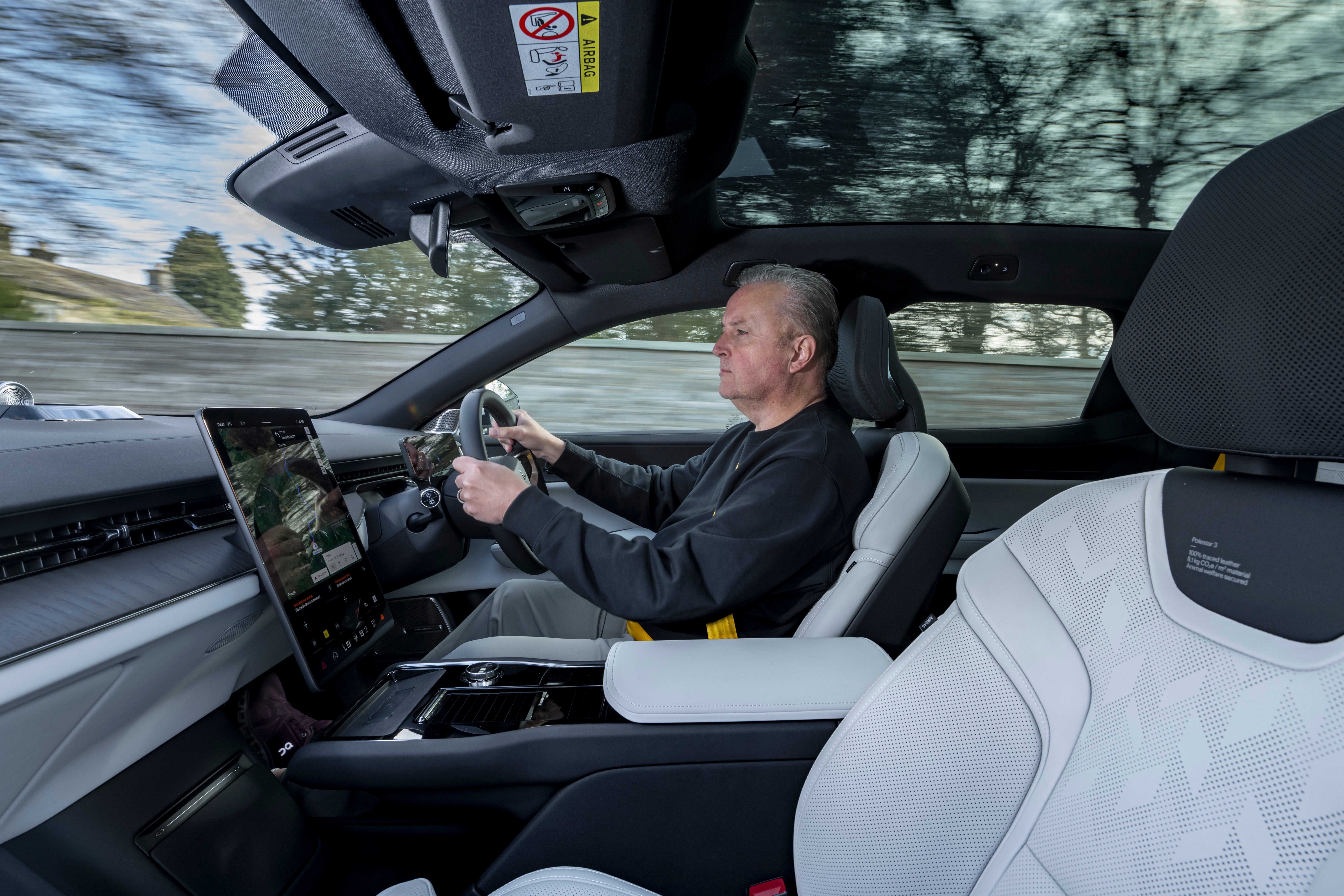
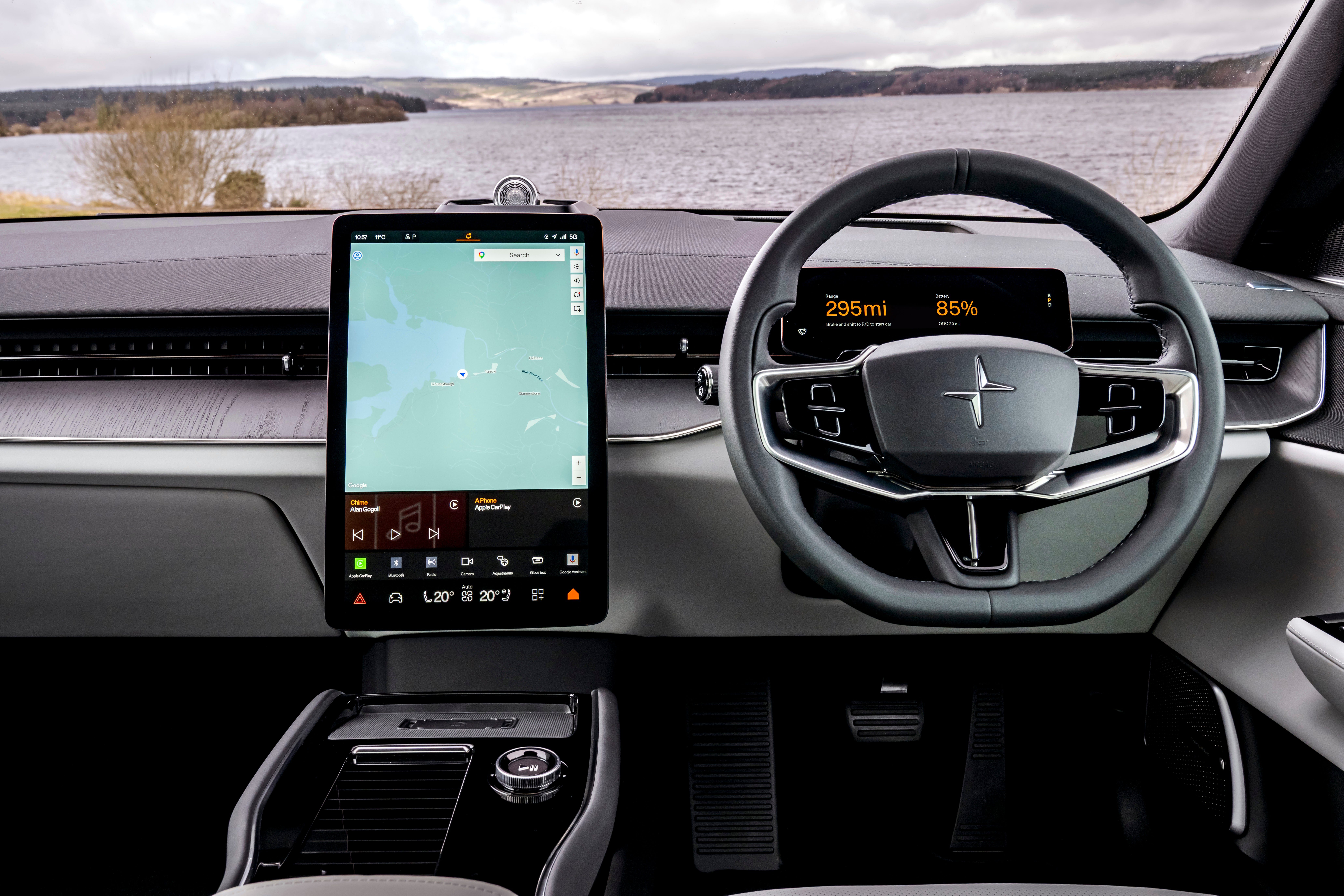
In everyday use, the cabin tech remains familiar. The main interface is still centred around the 14.5in portrait touchscreen, and there is a separate 9in LCD driver display plus a head-up display on cars equipped with the Pilot pack. This remains a better arrangement than the single-screen layouts used by some rivals because it keeps core driving information clearly in the driver’s line of sight while leaving the centre screen to handle navigation, media and vehicle settings.
The system is powered by Android Automotive OS and comes with Google built in, including Google Maps, Google Assistant and access to apps through the Play Store. That remains one of the Polestar 3’s biggest strengths because it makes the whole system feel familiar, well integrated and logically arranged.
Navigation is excellent, voice control is genuinely useful, and the overall visual presentation is clean and modern. Connectivity includes Bluetooth, 5G, over-the-air updates, Polestar Connect, digital key functionality, NFC key cards and an ultra-wideband key. Driver profiles are also well thought out, with provision for five admin users and one guest.
The downside, as before, is that Polestar’s commitment to minimalism comes with some ergonomic compromises. Climate controls live in the touchscreen. Mirror adjustment requires going into menus. Steering wheel adjustment is also managed through the screen and wheel buttons rather than through a conventional switch.
Once you learn the system it becomes second nature, and the software itself is quick enough that you’re not left waiting for a response, but there is no getting away from the fact that some basic functions are less intuitive than they would be with physical controls. This remains one of the Polestar 3’s few genuine frustrations, although the mysterious steering wheel controls will be replaced by some with visual clues in the coming months.
On the safety front, the tech story is strong. Standard systems include adaptive cruise control, blind spot information with steer assist, lane keeping aid, lane departure warning, oncoming lane mitigation, road sign information, rear collision warning and mitigation, cross traffic alert with brake support and a driver monitoring system, among many others.
Cars with the Pilot pack add Pilot Assist, Park Assist Pilot, lane change assist and the head-up display. The Polestar 3 also carries nine airbags, 12 ultrasonic sensors, nine exterior cameras and two infrared interior eye-tracking cameras. It is an impressively complete package.
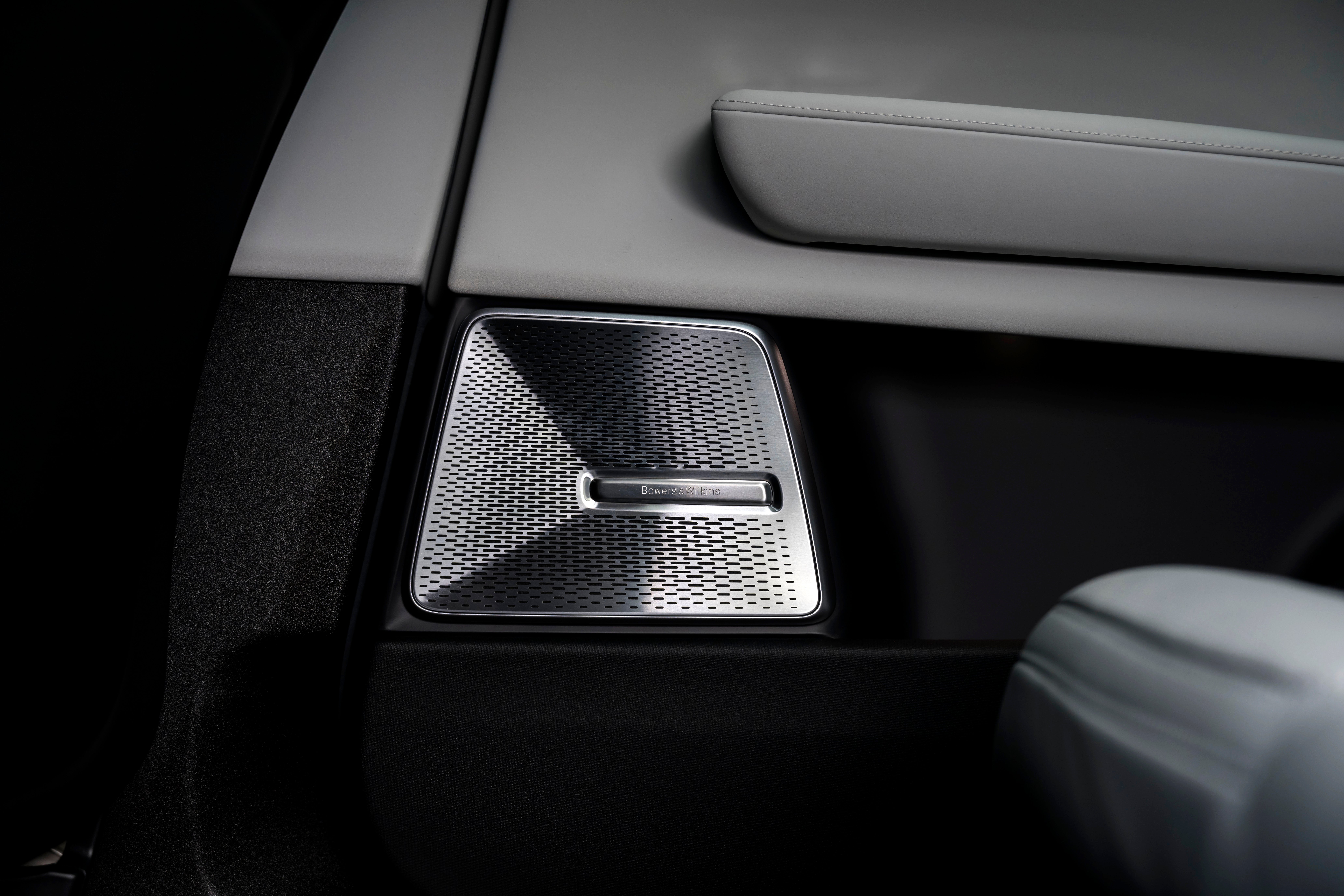
Then there is the stereo, which remains one of the Polestar 3’s party pieces. The standard system is a 300W 10-speaker setup, which is perfectly acceptable, but if you care about music, you really should look at the optional Bowers & Wilkins system. It brings a 1,610W 25-speaker system including front headrest speakers, Dolby Atmos 3D Surround Sound and active road noise cancellation – and an Abbey Road mode developed by the team that work in the most famous recording studio in the world.
The result is sensational. On the roads around Northumberland I put it properly to the test, and it still stands out as one of the best audio systems fitted to any car at any price. Feed it good quality source material and it has the power, clarity and subtlety to transform the atmosphere of the cabin. Earlier iterations of the Polestar 3 already impressed here, but the latest car loses none of that magic.
Prices and running costs
Even at over £70,000 or £80,000, the Polestar 3 feels like good value compared to some of its equally-large rivals. It isn’t the most efficient EV around, but the over-three miles per kWh we saw while driving means close to 400 miles could just about be possible. Fill the battery cheaply at home (and ideally at a reduced rate during the night) and running costs will be much lower than an equivalent sized petrol or hybrid car.
The new Long range Single motor car is appealing – not least for its 438-mile range. But with Polestar often running ‘seasonal offers’ we’ve seen the price difference drop to as little as £2,000 to upgrade to the Dual motor car, with adaptive suspension and a big boost in performance.
Be careful with high-speed public chargers, though. They are expensive, and since it can fill its very large battery at up to 250 kW, the Polestar 3 could land you with a surprisingly big charging bill in just a few minutes. Make sure you don’t leave it plugged into an expensive charger for any longer than you really need.
The verdict: Polestar 3
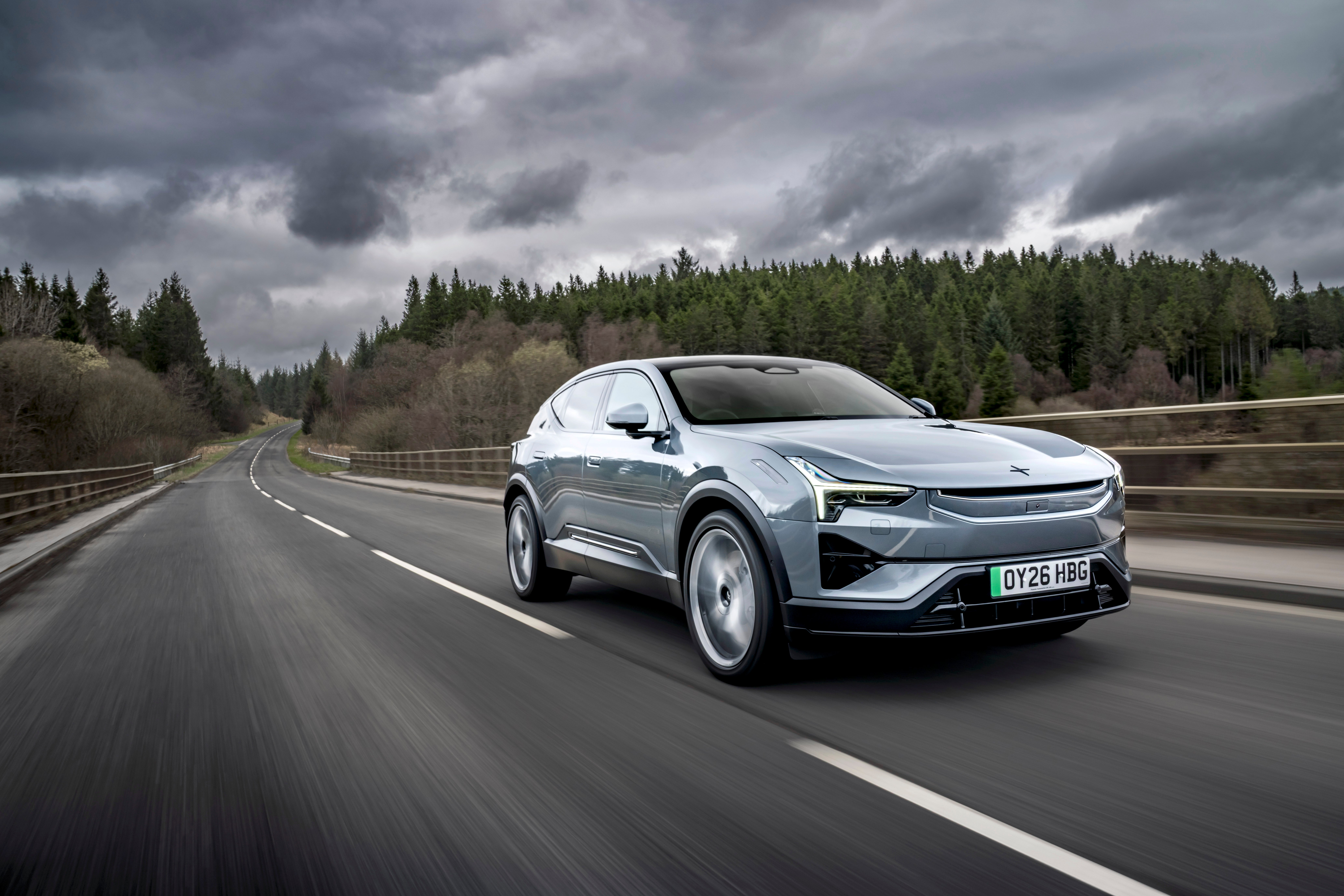
The Polestar 3 was already one of the best premium electric SUVs on sale. This updated version makes a compelling car even more complete.
What stands out most is how well judged the changes are. Faster charging is hugely important in a large EV, and the move to 800V architecture gives the Polestar 3 a proper advantage here. The Breathe Charge software should make those gains more consistent in the real world, too, especially in cooler weather. Then there are the extra performance gains, the improved efficiency, the more rear-biased chassis balance, the better steering and the slight but noticeable improvement in ride comfort. None of those changes feels superficial. They all add something useful.
More importantly, the revised car retains everything that made the original so likeable. It still looks superb, with a shape that manages to feel both modern and timeless. It still has one of the best cabins in the class, both in terms of design and quality. It still feels special from the moment you sit in it. And it still drives with a degree of poise and comfort that many big electric SUVs simply cannot match.
There are still a few caveats. The reliance on the touchscreen for too many functions remains irritating. And while the boot is perfectly adequate, it is not vast for a car of this size. But these are not flaws that fundamentally undermine the car. They are simply the small compromises in an otherwise extremely convincing package.
In many ways, the Polestar 3 now feels like the car it always promised to be. The original was stylish, fast, comfortable and engaging, but this revised version adds a more advanced electrical backbone and greater all-round usability to the mix. That makes it easier to justify financially and easier to recommend emotionally.
Polestar 3 rivals:
- BMW iX
- Mercedes EQE SUV
- Audi Q6 e-tron
FAQs
How long does it take to charge?
The updated Polestar 3 is much quicker to charge than before thanks to its new 800V electrical architecture. In the Rear motor version, peak DC charging is up to 310kW, while the Dual motor and Performance models can charge at up to 350kW. Polestar quotes a 10 to 80 per cent charging time of 22 to 30 minutes for the Rear motor and 22 to 32 minutes for the Dual motor and Performance versions, depending on charger and conditions. AC charging at 11kW is quoted at 10 hours for the Rear motor and 11 hours for the Dual motor and Performance cars.
How much does it cost – is it worth it?
The revised Polestar 3 starts at £76,540 for the Single Rear motor model, rises to £84,540 for the Dual motor and tops out at £92,040 for the Performance. That is firmly premium-SUV money, but the Polestar 3 backs it up with standout design, a beautifully finished cabin, strong standard equipment, faster charging than before and a genuinely impressive driving experience.
Does Polestar replace batteries for free?
Polestar’s battery warranty covers the battery for eight years or 100,000 miles, whichever comes first. That includes protection if the battery’s state of health falls below 70 per cent of its original capacity during that period, in which case Polestar says it will replace the battery at no cost.
Why trust us
Our team of motoring experts have decades of experience driving, reviewing and reporting on the latest EV cars, and our verdicts are reached with every kind of driver in mind. We thoroughly test drive every car we recommend, so you can be sure our verdicts are honest, unbiased and authentic.
With more than 30 years of experience, Steve Fowler is one of the UK’s best-known automative journalists. Steve has interviewed key industry figures, from Tesla’s Elon Musk to Ford’s Jim Farley, and is a judge for both Germany’s and India’s Car of the Year Awards, as well as being a director of World Car of the Year. When it comes to electric vehicles, Steve reviews all the latest models for The Independent as they launch, from Abarth to Zeekr, and he uses his expert knowledge of car buyers' needs to provide a comprehensive verdict.
Full Self Driving Teslas are now in Europe – and I’ve ‘driven’ one
Electric cars now cheaper than petrol cars for the first time
Should you choose a plug-in hybrid or a fully electric car? Here’s my expert view
Best electric cars 2026: The top 13 EVs on the market
Should you choose a plug-in hybrid or a fully electric car? Here’s my expert view
BMW, Mercedes and Audi face a new challenger – and it’s not Chinese
EVs are part of our high-tech future. Who says? Kids.
Electric cars now cheaper than petrol for first time as demand surges in April
Jaecoo 7 is selling fast – but should you really buy one? Here’s my view as an EV expert
Rolls-Royce’s Project Nightingale is the most exclusive of electric cars