Climate scientists are warning that a polar vortex disruption could inflict one of the harshest winters for years as it sweeps the US East coast later this month.
Judah Cohen, a climate researcher at Atmospheric and Environmental Research that a polar vortex disruption, which could hit by the end of December or start of January, would be the “single most important determinant of weather this winter”.
A polar vortex disruption occurs when the stratosphere – where most weather occurs – suddenly warms, causing winds to decrease or change direction.
“Confidence is growing in a significant PolarVortex disruption in the coming weeks. This could be the single most important determinant of the weather this winter across the Northern Hemisphere,” Dr Cohen tweeted.
The National Oceanic and Atmospheric Administration predicted in October that the United States would generally have an average, or warmer than average, winter.
The northwestern states is expected to be the warmest, compared to other years, and the southeastern states should be closest to their historical averages.
Polar vortexes exist all year, swirling around the poles, but they get stronger in winter. Some years, warm winds disrupt the freezing air, pushing it southward into North America, Europe, and Asia.
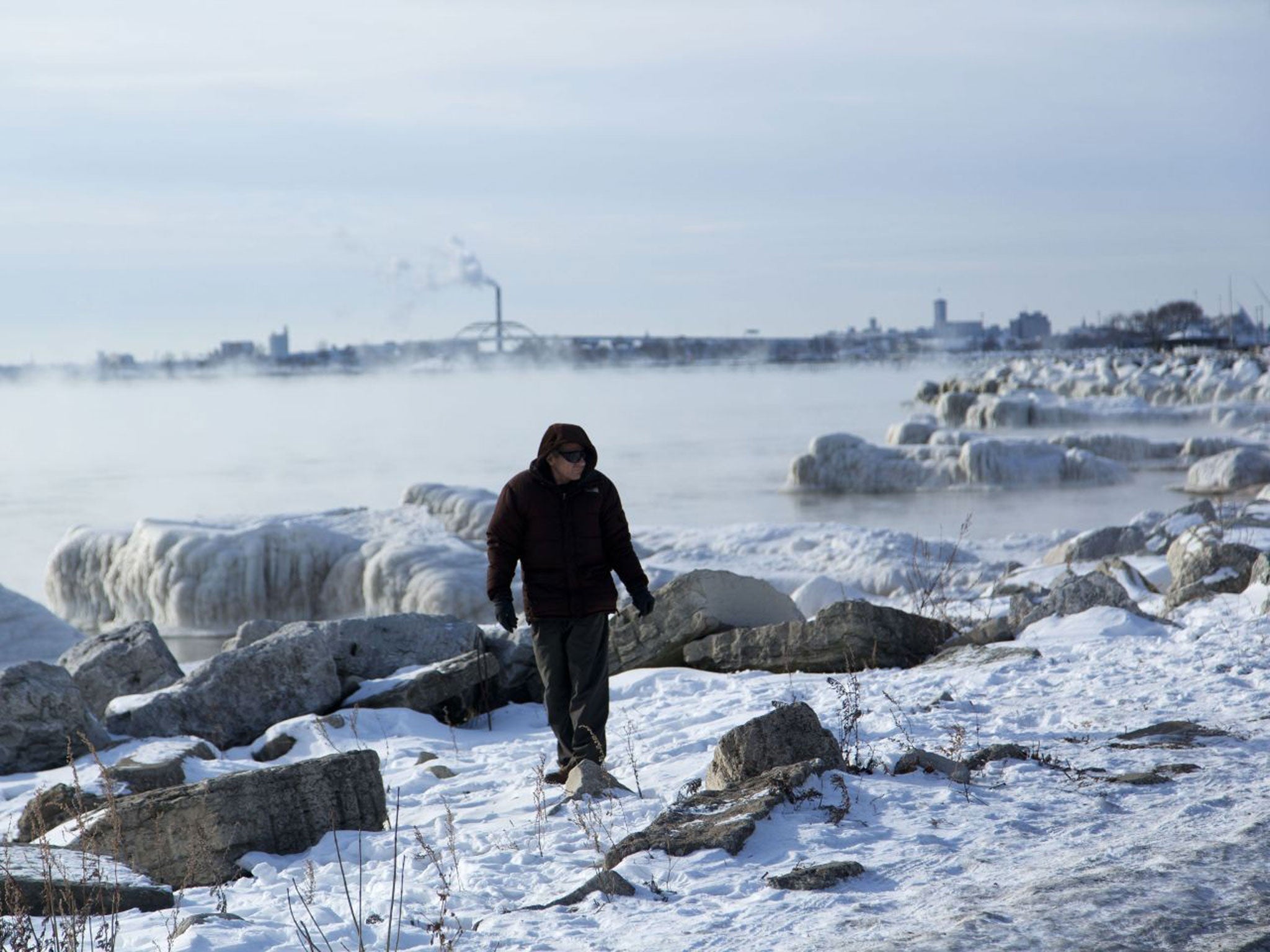
In previous years, a disruption of the polar vortex has caused shockingly cold temperatures. For example, in the winter of 2013 and 2014, record-low temperatures swept across the US, extending into March.
However, it’s not completely certain that a polar vortex disruption will bring freezing temperatures to the US this winter.
While an American model predicts the disruption will occur, European models do not, the Washington Postreports. Weather scientists regularly adjust their predictions based on new data, and if the vortex disruption occurs late enough in the season, the effects won’t likely be as intense.