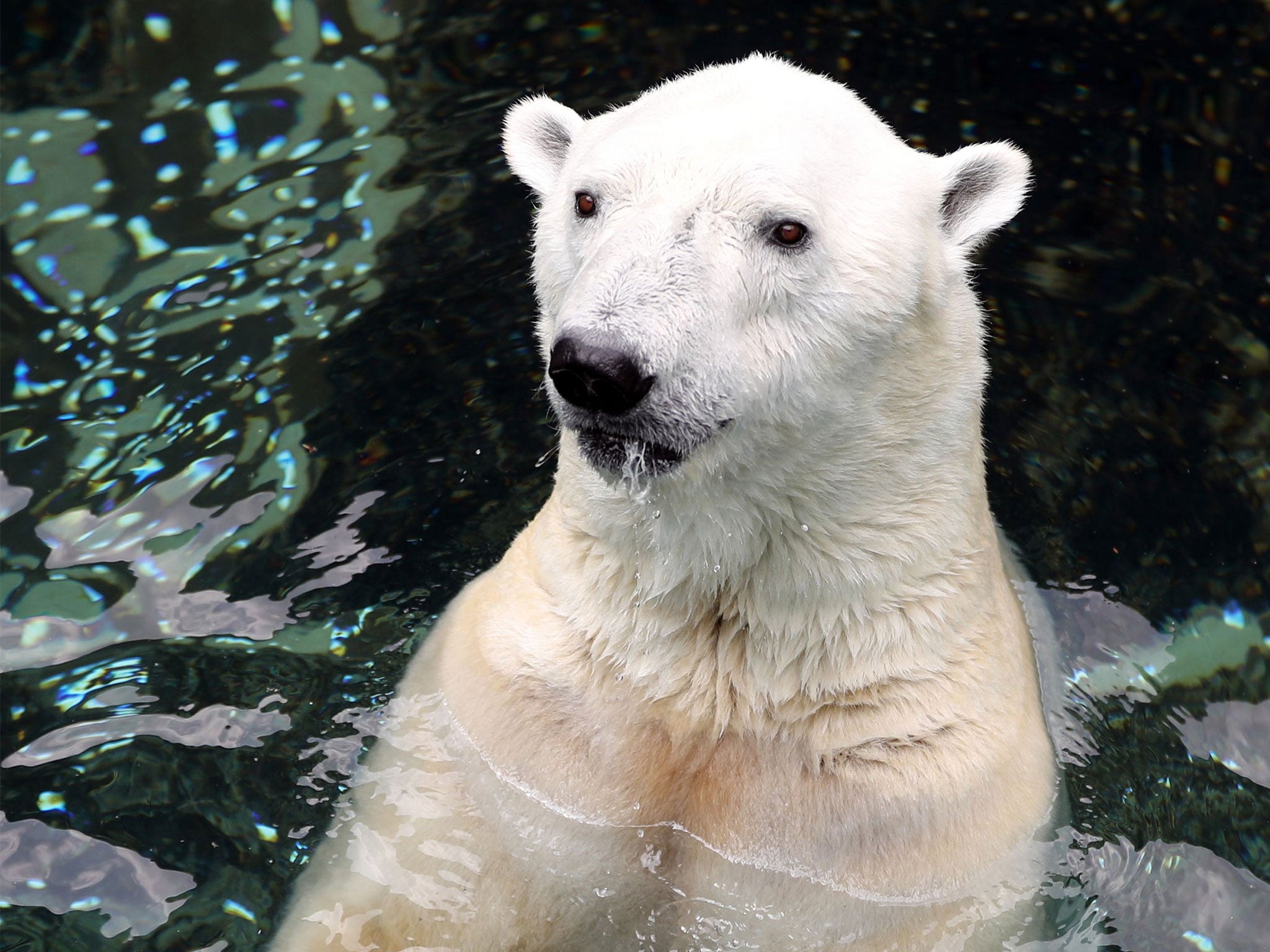
A polar bear has died at a South Korean zoo just days before it was due to be relocated to a British wildlife park.
The bear, named Tongki, died on Wednesday evening at Everland theme park in Seoul, likely from old age, zoo officials said.
Tongki, the last polar bear living in South Korea, was set to be re-homed at Yorkshire Wildlife Park near Doncaster next month, to enjoy improved conditions for the remainder of its life.
“Unfortunately, Korea's only polar bear, Tongki, which has been loved by the Korean people, has died,” Everland said in a statement, announcing the zoo would stage a five-day period of remembrance.
“Everland commissioned an autopsy from a veterinary pathologist at the University of Seoul and the bear was presumed to have died from ageing with no specific cause of death.
“We will also perform additional histopathology tests to confirm more accurate signs.”
Tongki was born in the city of Masan, in South Korea’s Kyungnam Province, in 1995 and had lived at Everland since 1997.
The 24-year-old animal was the equivalent of 70 to 80 in human years, given the expected lifespan of a polar bear is between 25 and 30 years.
Tongki was being moved to Yorkshire following controversy over the small, concrete enclosure, where it had lived alone since 2015 when the last of the zoo’s other bears had died.
It would have joined the wildlife park’s colony of four polar bears, which are free to roam a 10-acre reserve featuring several large lakes across a habitat built to mimic conditions on the Arctic tundra.
“It is with deep sadness we heard the news regarding Tongki, especially so close to when we were all ready to welcome him to Yorkshire Wildlife Park,” a spokesman for the park said.
“Our thoughts are with his keepers at Everland.”
Classed as a threatened species, around 26,000 polar bears live in the wild across Canada, Russia, Greenland, Alaska and the Norwegian island of Svalbard.
Bear numbers are expected to decline by almost a third by 2050, as climate change causes less sea ice to form, restricting the animals’ hunting range.