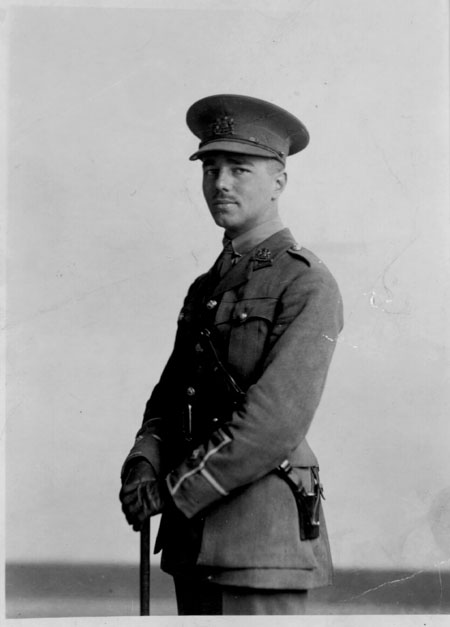
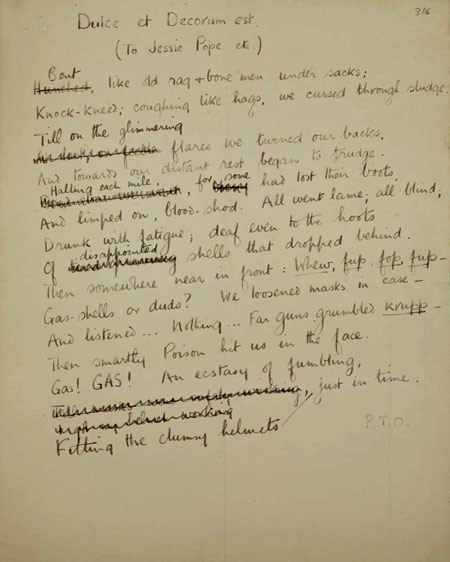
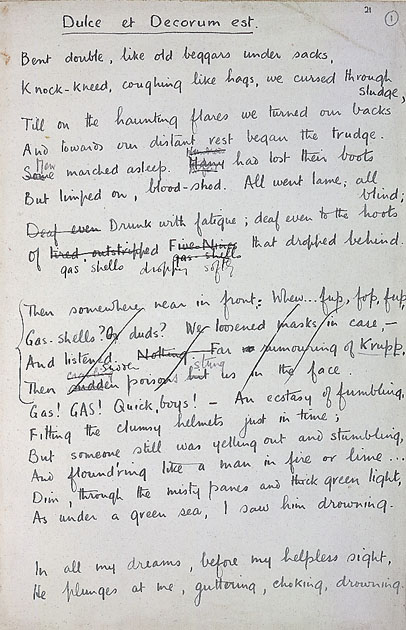
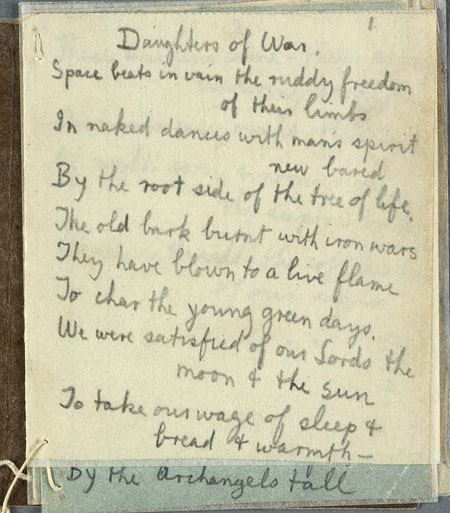
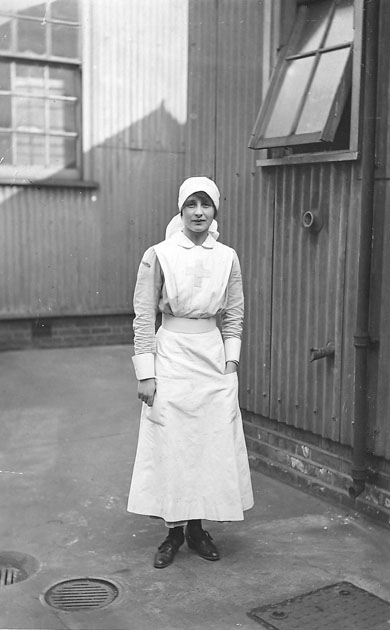
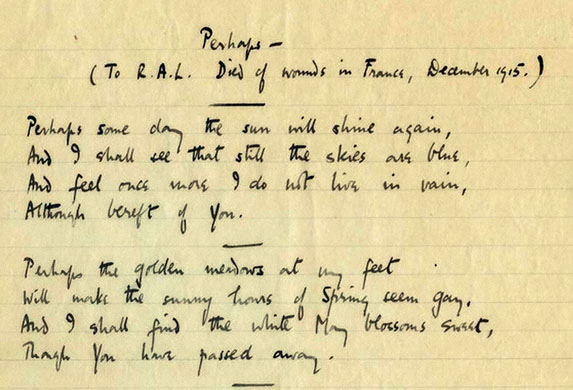
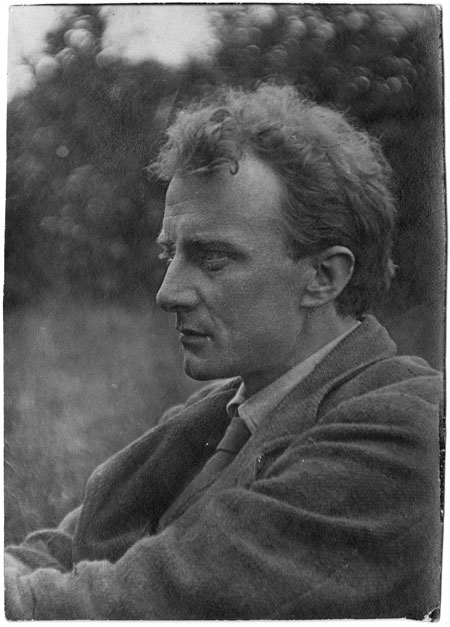
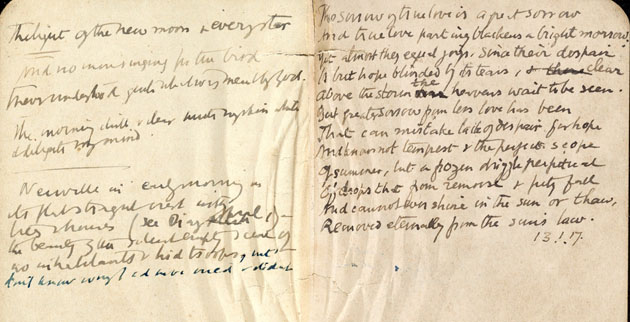
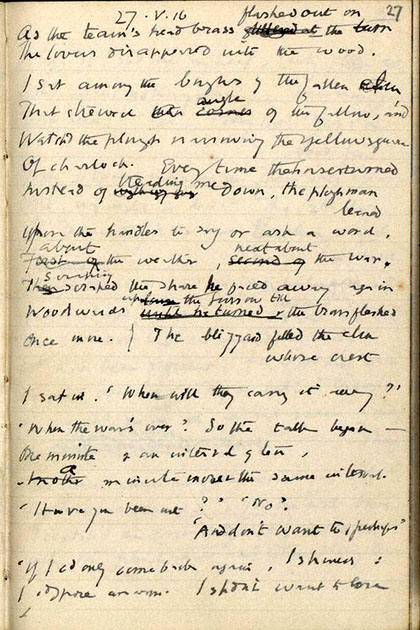
Born in 1893, Wilfred Owen signed up for the Artists' Rifles in 1915. He was killed in action on November 4 1918, just a week before the war endedPhotograph: The English Faculty Library, University of Oxford / The Wilfred Owen Literary EstateThis early draft of Owen's poem "Dulce et Decorum Est" was dedicated to Jessie Pope, who published a series of poems supporting the war in the Daily MailPhotograph: The English Faculty Library, University of Oxford / The Wilfred Owen Literary EstateThe dedication to Jessie Pope is crossed out in this later version, becoming only "a certain poetess", while in the third line the flares are now described as "haunting"Photograph: The British Library / The Wilfred Owen Literary Estate
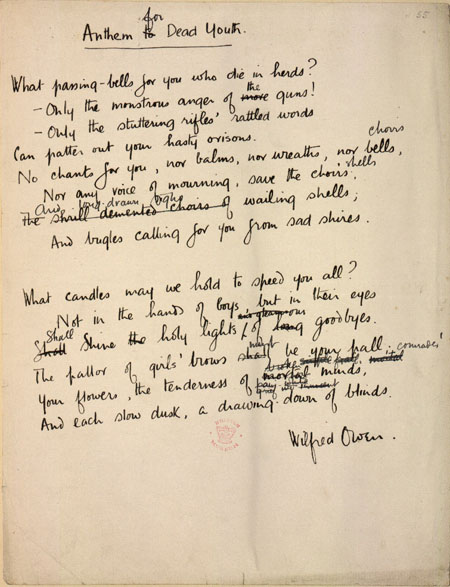
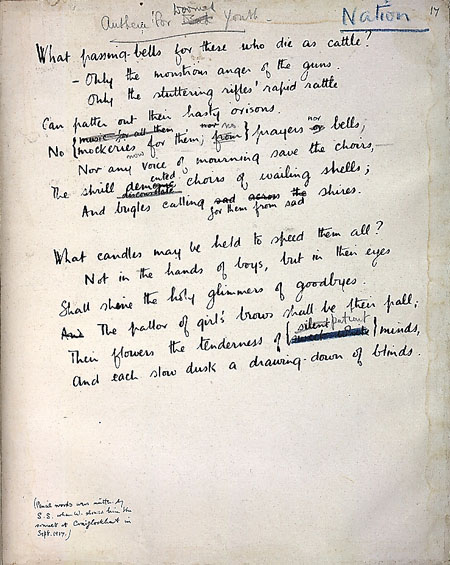
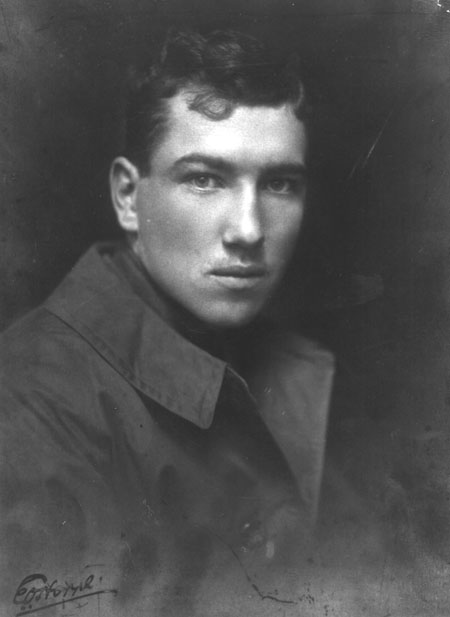
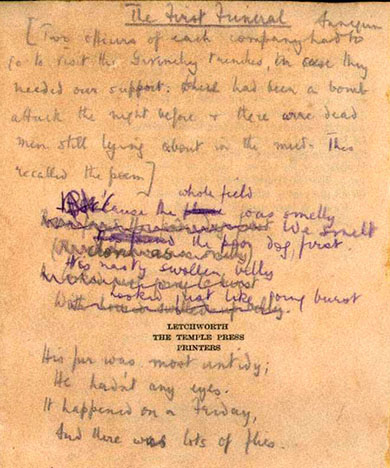
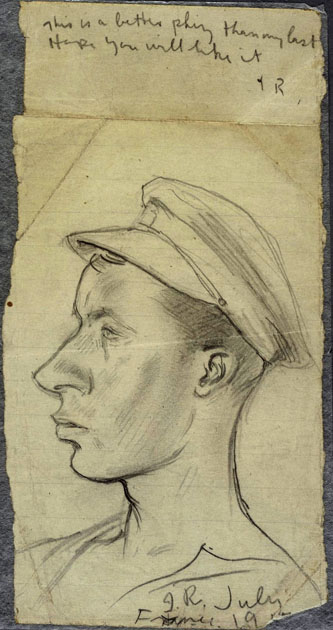
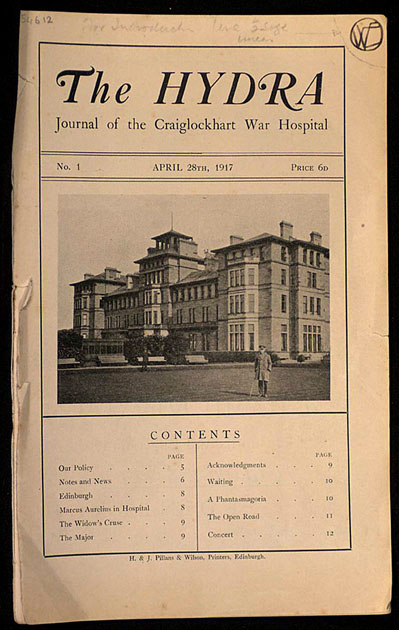
This later version is not dedicated at all, and shows how Owen stripped out detail from the opening of the second stanzaPhotograph: The British Library / The Wilfred Owen Literary EstateThis early version of "Anthem for Doomed Youth" bears the title "Anthem for Dead Youth". The second line ends with a dramatic exclamation mark Photograph: The British Library / The Wilfred Owen Literary EstateThe title "Anthem for Doomed Youth" finds its final form here in this later version, which also arrives at the image of men dying "as cattle". Pencil markings, including the addition of the word "now" in the fifth line were made by Siegfried Sassoon at the Craiglockhart military hospital in 1917 Photograph: The British Library / The Wilfred Owen Literary EstateBorn in 1895, Robert Graves joined the Royal Welsh Fusiliers at the outbreak of the war in 1914. He was reported officially dead from wounds sustained in the battle of the Somme, but survived the war, dying in 1985Photograph: . The Robert Graves Copyright TrustThis notebook version of "The First Funeral" includes a description in prose of a scene near Annequin: "Two officers from each company had to go to visit the Givinchy trenches, in case they needed our support. There had been a bomb attack the night before + there were dead men still lying about in the mud. This recalled the poem."Photograph: The Poetry Collection. The University at Buffalo / The Robert Graves Copyright TrustThis later, typed version shifts the action to Good Friday, and smooths out some of the earlier version's ragged syntax Photograph: The Poetry Collection. The University at Buffalo / The Robert Graves Copyright TrustThe painter and poet Isaac Rosenberg was born in 1890 and enlisted in October 1915. He died on the Western Front in April 1918. This self-portrait was done in pencil on the back of a letter to Edward Marsh, and entitled "Isaac Rosenberg his outer semblance?"Photograph: The Imperial War Museum Department of Documents / The Isaac Rosenberg Literary EstateThis self-portrait by Isaac Rosenberg is inscribed "IR July France 19[17]", and "This is a better phiz then my last. Hope you will like it"Photograph: The Imperial War Museum Department of Documents / The Isaac Rosenberg Literary EstateThis image is of a handmade presentation copy of a draft of the poem "Daughters of War", made for Gordon Bottomley in France in May 1917. The cover is cut from the soft cardboard cover of a notepad. Pages are numbered in pencil and stitched with thick white thread. Photograph: The Imperial War Museum Department of Documents / The Isaac Rosenberg Literary EstateThis typescript on pink paper has ink corrections of typing errors. No complete manuscript of "Daughters of War" has been found Photograph: The Imperial War Museum Department of Documents / The Isaac Rosenberg Literary EstateBorn in 1893, Vera Brittain delayed her degree to work as a Voluntary Aid Detachment nurse, a period of her life made famous in her 1933 memoir Testament of Youth. She died in 1970Photograph: The Vera Brittain Fonds, McMaster University Library / The Vera Brittain Literary EstateVera Brittain wrote the poem "Perhaps" on hearing of the death of her fiancé, Roland Leighton Photograph: The Vera Brittain Fonds, McMaster University Library / The Vera Brittain Literary EstateVera Brittain's fiancé, Roland Leighton, was posted to France in early 1915, and died later that year after being shot by a sniperPhotograph: The Vera Brittain Fonds, McMaster University Library / The Roland Leighton Literary EstateEdward Thomas was born in 1878, and enlisted with the Artists' Rifles in 1915. He was killed at the battle of Arras in 1917Photograph: Cardiff University Library Archive / The Edward Thomas Literary EstateThese pages from Edward Thomas's diary, written shortly before his death, show notes (left) and a poem dated January 13 1917Photograph: The Edward Thomas Literary EstateInitially posted to Essex, Thomas decided to give up his job as a map reading instructor, and volunteered for overseas service. "As the team’s head-brass" charts the poet's struggles with the issue of whether to serve in FrancePhotograph: The national Library of Wales / The Edward Thomas Literary EstateThis fair copy is dated May 27 1916, just a few months before Thomas began his training in the Royal Garrison Artillery Photograph: The Bodleian Library, University of Oxford / The Edward Thomas Literary EstateThe Hydra was the magazine produced by the patients resident at Craiglockhart military hospital during the first world war. This is the cover of the first edition, dated April 28 1917. Sassoon and Owen both published work in the magazine, the latter eventually editing it Photograph: The English Faculty Library, University of Oxford
Sign up to read this article
Read news from 100’s of titles, curated specifically for you.