Pneumonia: the innovations leading the fight against the number one cause of child death - in pictures
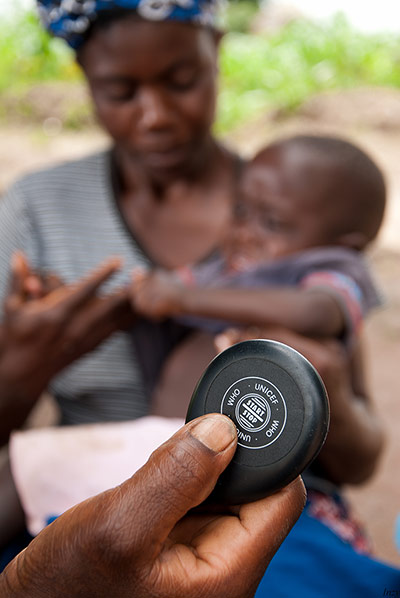
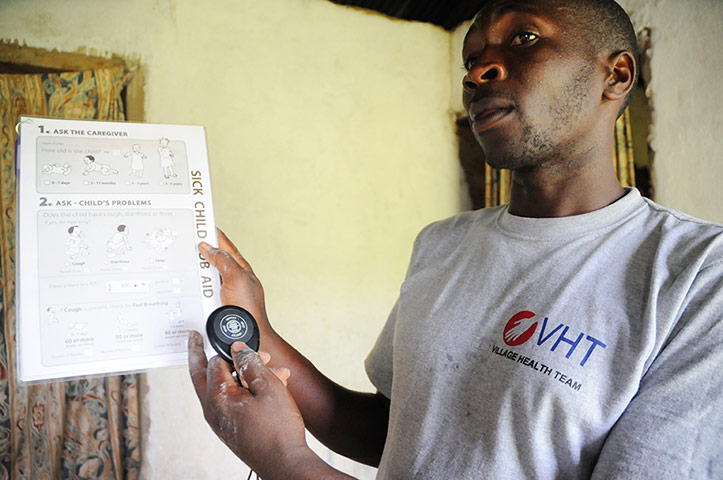
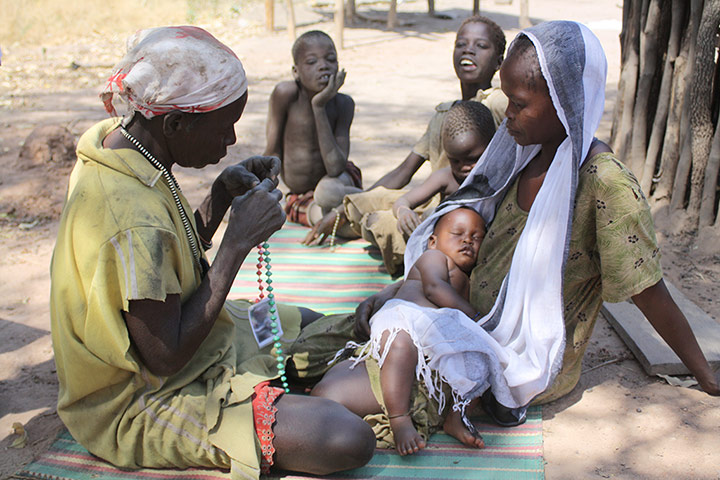
Breath counters, such as this one, are one of the key tools used in a low resource health setting to diagnose pneumonia. Where laboratory tests or x-rays are not available, community health workers can be trained to use the breath counter to observe how many breaths a child takes during one minute. Fast breathing is one of the danger signs of pneumonia.Photograph: Malaria ConsortiumCommunity health worker, Solomon, holding a breath counter, explains how he uses a breath counter to diagnose pneumonia in children under five in his community. Limited access to health care for diseases such as pneumonia is a major factor in these preventable deaths. Community health workers such as Solomon, trained and supported to diagnose and treat pneumonia and other common childhood illnesses, have been critical in overcoming the challenge of access to health care and reducing deaths from the disease.Photograph: Tine Frank/Malaria ConsortiumIn Aweil, South Sudan, Malaria Consortium-trained community health worker Nyidumo, uses counting beads to determine whether the young child has pneumonia. In settings such as Aweil, where community health workers have low numeracy and literacy levels, UNICEF and others have introduced the use of “counting beads” into pneumonia diagnosis. Colour-coded and age specific strands of beads reduce the need for health workers to interpret the breath count against the age of the child.Photograph: Malaria Consortium
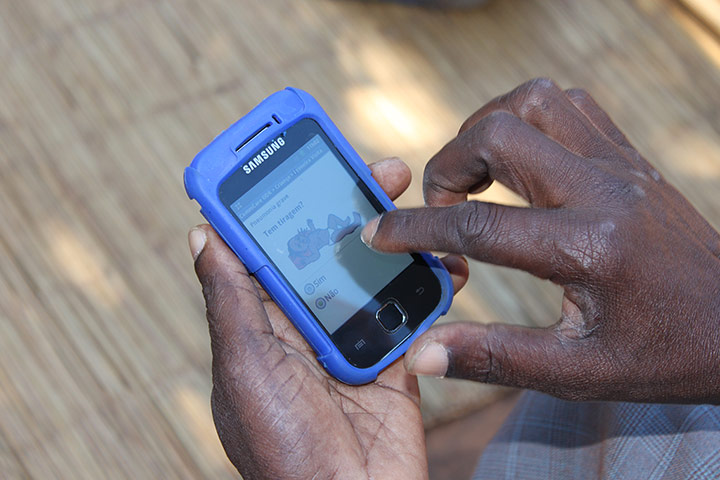
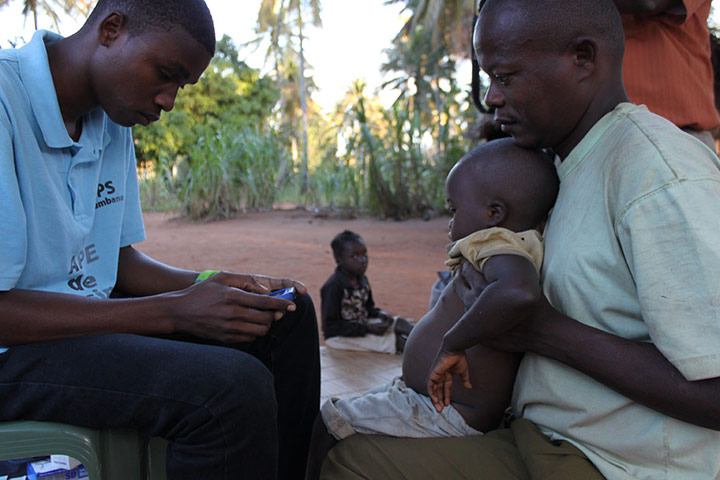
A community health worker in Inhambane province Mozambique uses the CommCare App, developed by the inSCALE project. The app takes the community health worker through the various stages of diagnosis for malaria, pneumonia or diarrhoea, helping them to determine the appropriate treatment and identify complicated cases which may need referring to the nearest health facility. inSCALE is a Malaria Consortium project funded by the Bill & Melinda Gates Foundation. It is currently being implemented in Mozambique and Uganda with the support of the London School of Hygiene and Tropical Medicine and University College London's Centre for International Health and Development.Photograph: Malaria ConsortiuminSCALE’s CommCare App contains an innovative respiratory timer intended to improve community health workers' diagnosis of pneumonia as well as recommend appropriate treatment. The inSCALE project has trained over 130 community health workers to use the App in Inhambane Province, Mozambique.Photograph: Malaria Consortium
Sign up to read this article
Read news from 100's of titles, curated specifically for you.