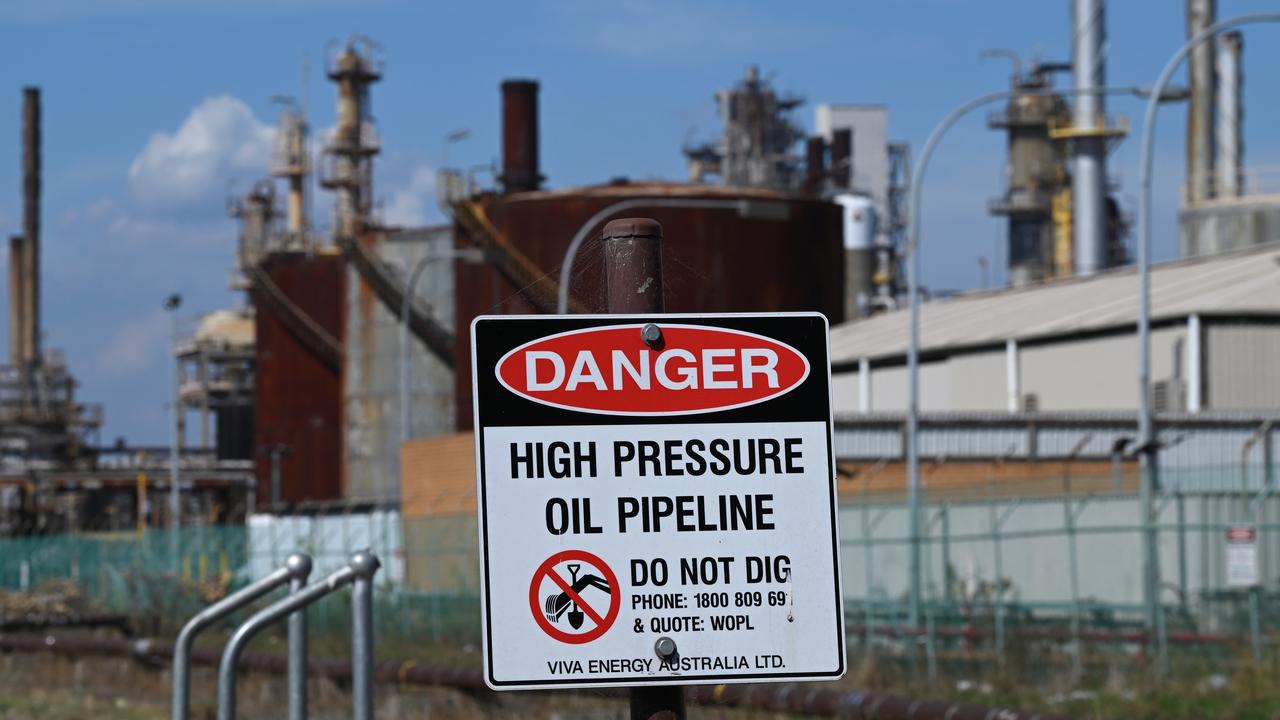
Australia is looking to lock in assurances of energy supplies from trading partners as fears mount that countries will reserve fuel exports for their domestic markets.
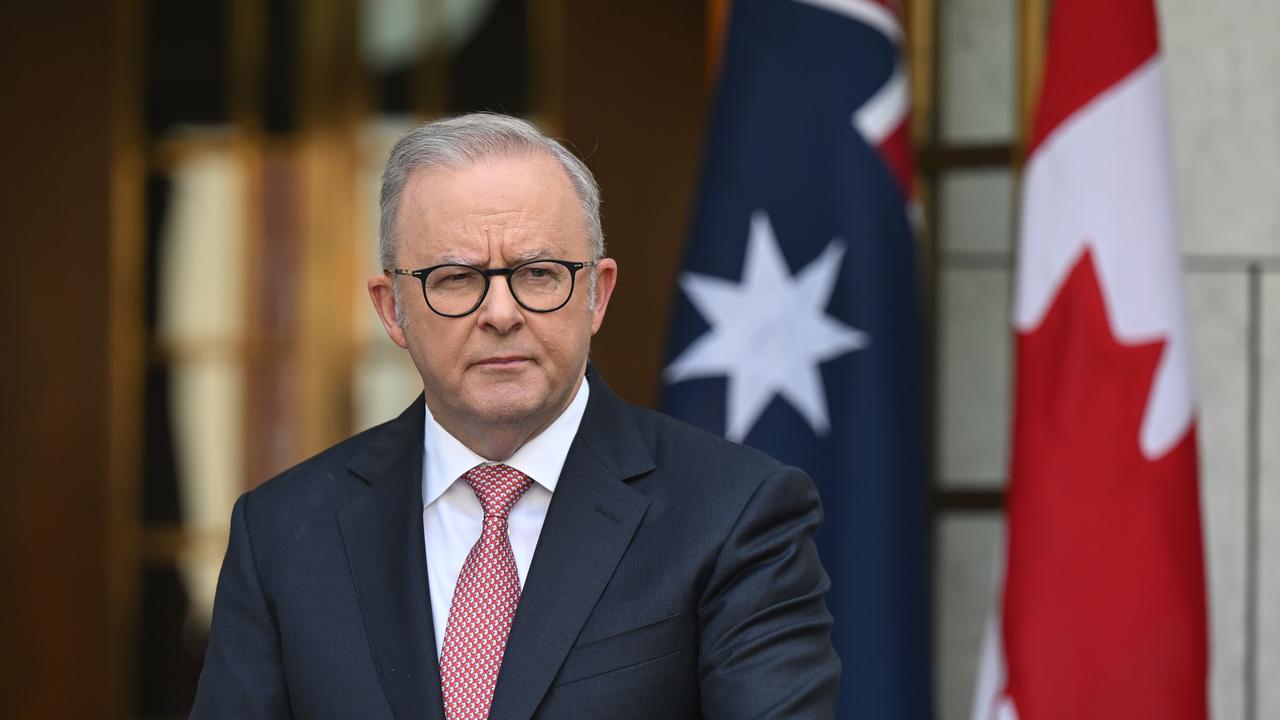
Prime Minister Anthony Albanese on Monday signed a joint statement with Singaporean counterpart Lawrence Wong, affirming the two nations' commitment to energy security and sharing their concerns over the situation in the Middle East.
Australia imports over one-fifth of its petrol and diesel from the southeast Asian city state, while Singapore relies heavily on Australia for liquefied natural gas which powers more than 90 per cent of its electricity grid, according to the International Energy Agency.
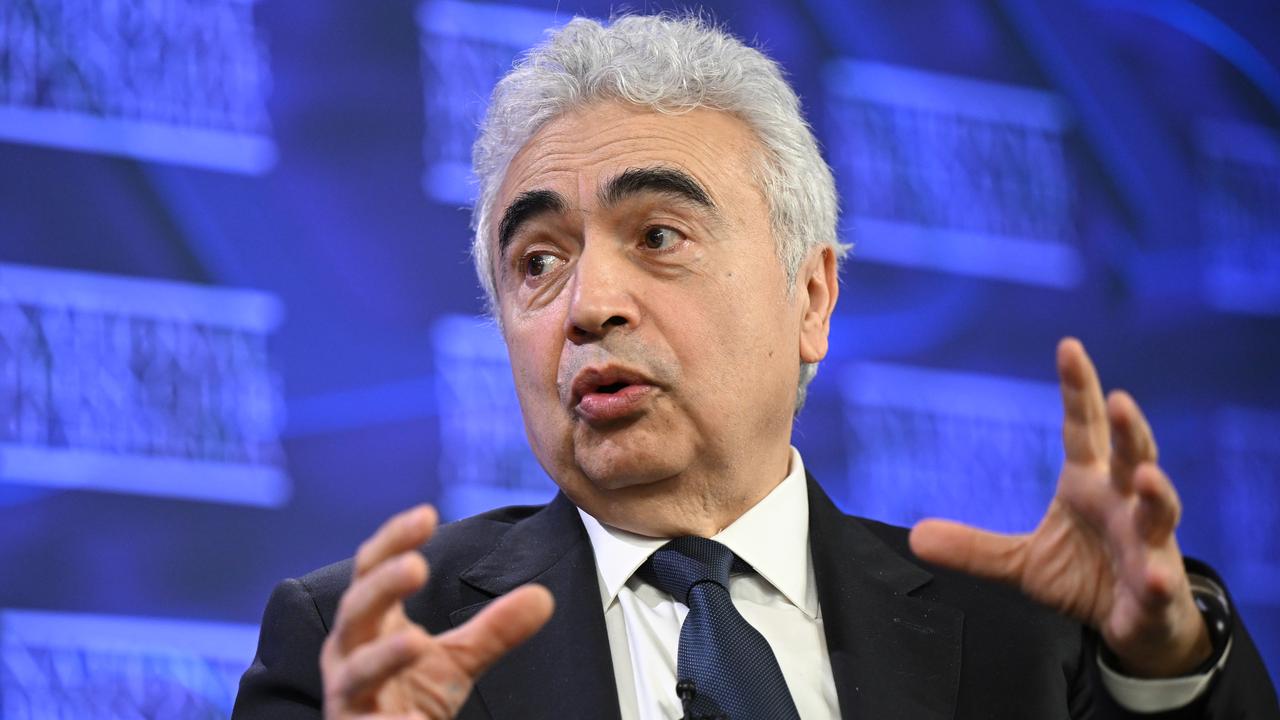
The agency's executive director, Fatih Birol, was in Australia on Monday, warning the world that the current energy crisis was equal to the combined shocks of the 1970s oil embargo and the ongoing Ukraine war.
Dr Birol called for governments around the world to band together to help deal with the supply shock, including by encouraging demand-side measures such as work-from-home directives and lowering speed limits.
"No country will be immune to the effects of this crisis, if it continues to go in this direction," he told the National Press Club in Canberra.
"Of course, every country first puts its own domestic interest. But in such a situation, to have serious export restrictions without justification, might not be something which gets plus points from the international community."
China has reportedly banned fuel exports until the end of March, threatening one-third of Australia's jet fuel supply.
Mr Albanese was working the phones to ensure Australia's imports were not forgotten in the global rush for oil, Assistant Foreign Minister Matt Thistlethwaite told Sky News.
Australia could leverage its gas exports to incentivise countries to continue sending fuel, Mr Thistlethwaite suggested.
Mr Albanese said his government was talking with partners in Korea, Japan, China and Singapore.
"We are engaged. We are reliable partners when it comes to energy security, and we expect that to be a two-way flow," he said.
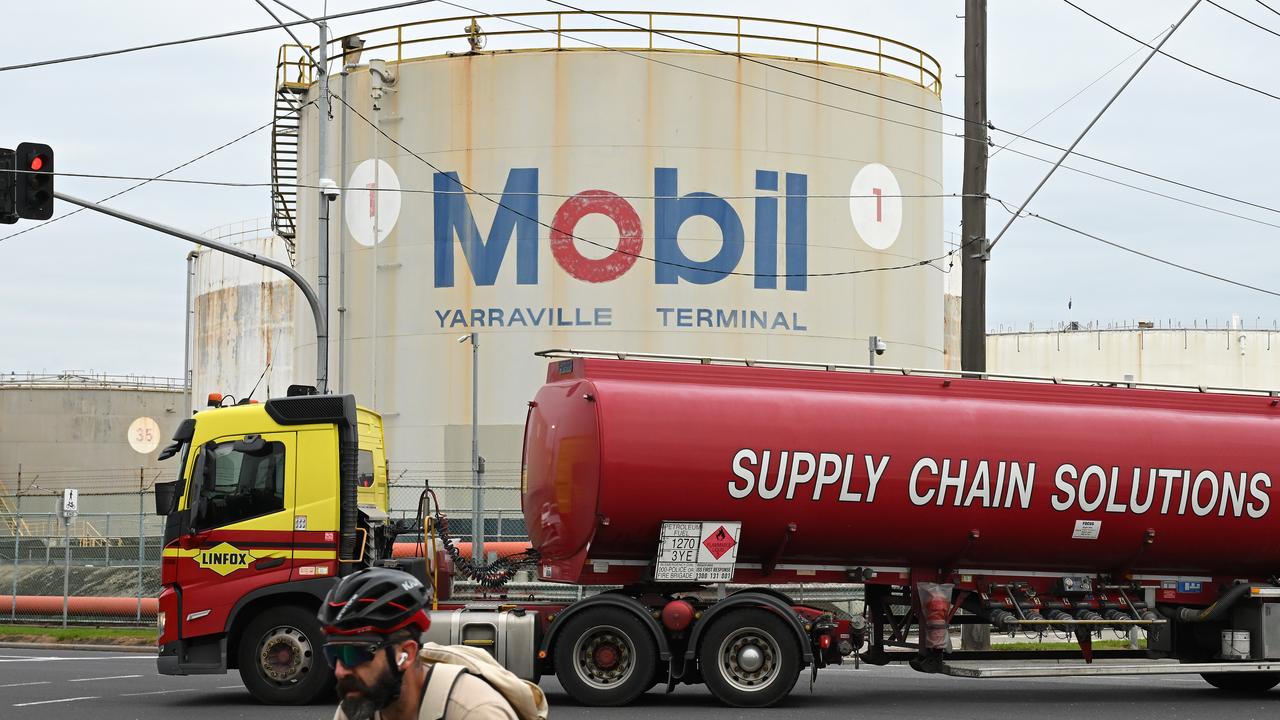
Energy Minister Chris Bowen revealed six tankers bound for Australia had their journeys cancelled or postponed because of the war in the Middle East.
Analysts expect the situation to worsen as the war drags on.
"We expect the conflict to last months, not weeks, and the supply of oil and oil products remains at risk, pushing up prices," Commonwealth Bank head of Australian economics Belinda Allen said.
Mr Bowen said 37 out of 2444 service stations had run out of fuel in NSW, 47 had run out of diesel in Queensland and 109 outlets had one or more grades unavailable.
While he had been working with his department on contingency planning, he would not confirm whether he had received advice from his department on fuel rationing.
"We're a long way from that," Mr Bowen told parliament.
The government has brought together business leaders from the agriculture sector and leading supply chain experts to discuss the ripple effects of the oil crisis.
An initial investigation into the effects of high diesel prices will be handed down within one month.
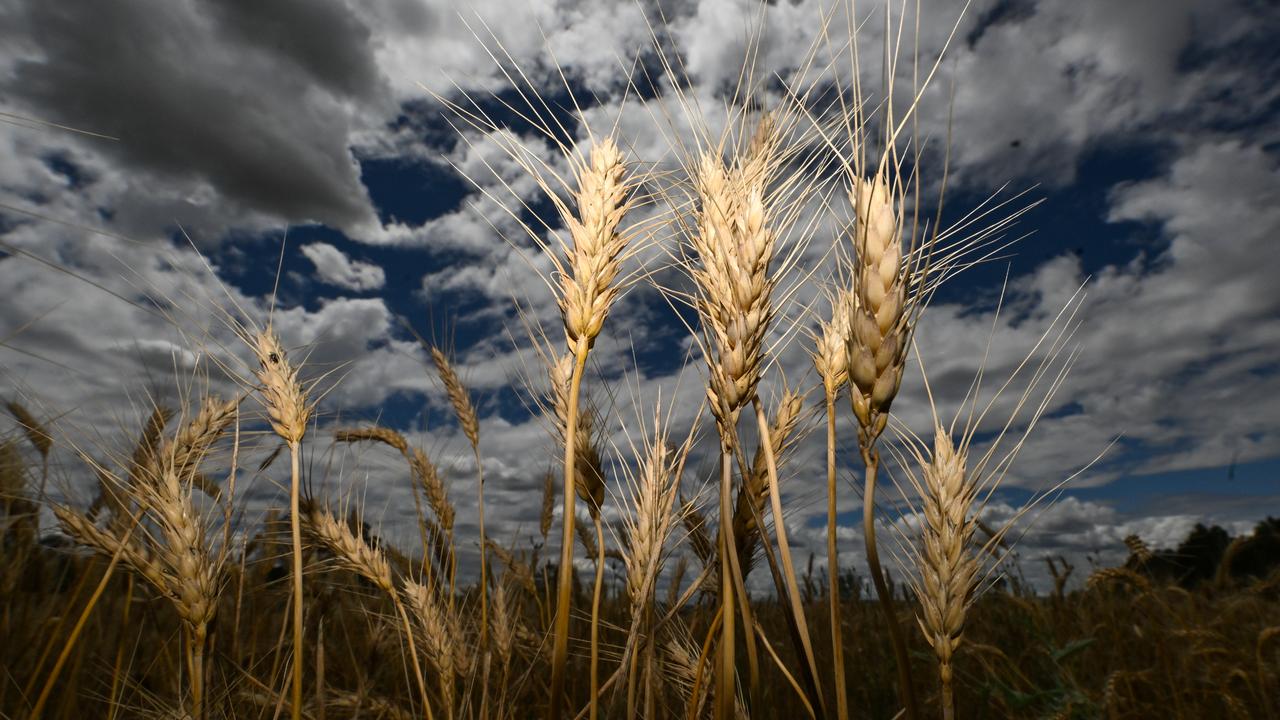
A broader report on other critical agricultural products including fertiliser and pesticides will be delivered by the end of the year.
The war in the Middle East was a timely reminder not to be complacent about Australia's supply chains, Agriculture Minister Julie Collins said.
"While Australia is food secure, we recognise the importance of supply chain resilience, including the supply of fuel and fertiliser, which is why we have commissioned this assessment," she said in a statement.
Logistics companies responsible for transporting much of Australia's food from farm to store have previously warned high diesel prices are heaping pressure on an already-stressed sector.