

Garbage disposals are handy, but plumbing pros warn there is one vegetable peel to avoid putting down yours in December if you want to avoid pesky drain clogs over the Holidays: Potato skins.
If you’re busy peeling and prepping potatoes to freeze ahead of Christmas, making a big batch of mashed potatoes, or cooking en masse for your festive dinner parties, and potatoes are on the menu, putting the peels down the sink is the worst culprit for causing drain clogs, pros reveal.
Our plumbing expert says it’s the number one cause for call-outs in the Holidays and so easily avoided with a planet-friendly alternative way to dispose of it.
Why You Should Never Put Potato Peel in Your Sink's Garbage Disposal
Tyler Pittenger, service plumber, drain and sewer specialist at Service Force Plumbing, explains, ’My number one rule for the winter holidays is: No potato peels in the garbage disposal! Over the years, I have been called to a lot of homes in the days and weeks after Thanksgiving and Christmas dinners to unclog drains and sewers, and the number one cause is a sticky mass of ground-up potato peel paste.
‘Homeowners make a big batch of mashed potatoes for the holiday meals and send the peels through the garbage disposal, expecting them to just wash away. Instead, they are ground up into a sticky paste that gets stuck and causes a backup, especially if you already have some buildup or other issues in the pipes.’
In fact, Tyler urges homeowners to ‘absolutely minimize’ what goes down the drain to avoid problems during the festive period and beyond. He adds, ‘Theoretically, a garbage disposal grinds things up and they easily wash away, but in reality, grinding things up – especially starches like pasta and potatoes – makes them sticky or clumpy and more likely to latch on the grease in your pipes or get caught in flaws in the pipe, especially if you have older cast iron or clay ones.’
Tyler instead recommends using a strainer in your sink drain and putting what they catch in the trash.
He says, ‘I've found that plastic and silicone versions get gross over time, but these stainless steel ones from Amazon clean up great. You can also throw them in the dishwasher, and they should last pretty much forever.’
That being said, Tyler stresses that it is the volume of potato peels all at once that makes them such a common cause of backups after big holiday events.
He adds, ‘Many people will actually peel all their potatoes right over the sink because that's the easiest place to gather and then stuff them down the garbage disposal when they’re finished. I've been clearing backed-up drains and sewers day in and day out for twelve years – it's all I do - and I have seen countless holiday backups over the years caused by masses of potato peel paste.'
What To Do Instead with Your Potato Peels

Experienced Gardener and content editor at Homes & Gardens , Drew Swainston, has a simple, planet-friendly way to get rid of your peels.
He says, ‘Potato peelings make a great natural addition to a compost heap, and they will add essential plant nutrients such as nitrogen, phosphorus, and potassium as they break down to benefit the rest of your garden plants.’
It is not advisable to add whole potatoes to the compost, as they can sprout and start growing into plants, but kitchen waste like peelings is a safe ingredient.
Drew adds, ‘But never add peeling that shows signs of disease, such as potato blight (which can show itself as brown or purple patches). Both homegrown and store-bought potatoes can show such symptoms, so keep an eye out for signs.’
It is not just potato peels that you should use to make compost, as the peels from carrots, bananas, and cucumbers, as well as the outer skin of onions, all break down quickly to add nutrients to the compost.
‘Cutting any kitchen waste into smaller pieces will speed up the process of breaking down, but never add cooked foods, animal products, or oil to compost as they can attract pests,’ Drew says.
For healthy compost, mix kitchen waste (which is classified as green material, along with garden or lawn clippings) with brown material, such as leaves, paper, cardboard, or sawdust.
‘A simple kitchen countertop compost bin from Walmart won’t take up much space and is an ideal way to store vegetable peeling and scraps before taking them outside and adding them to your compost pile,’ Drew adds.
What to Shop
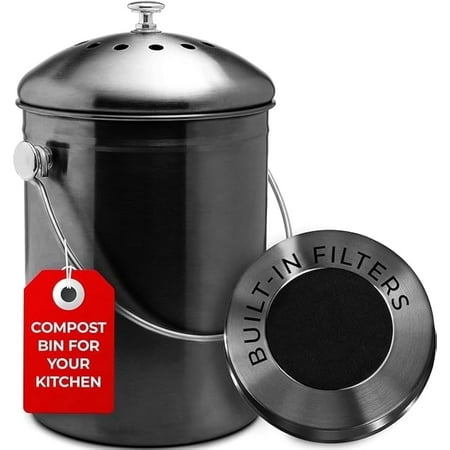
This countertop caddy is perfect for smell-free composting as it has an airtight lid and vented filtration system, saving you multiple trips outdoors in the bitter cold.
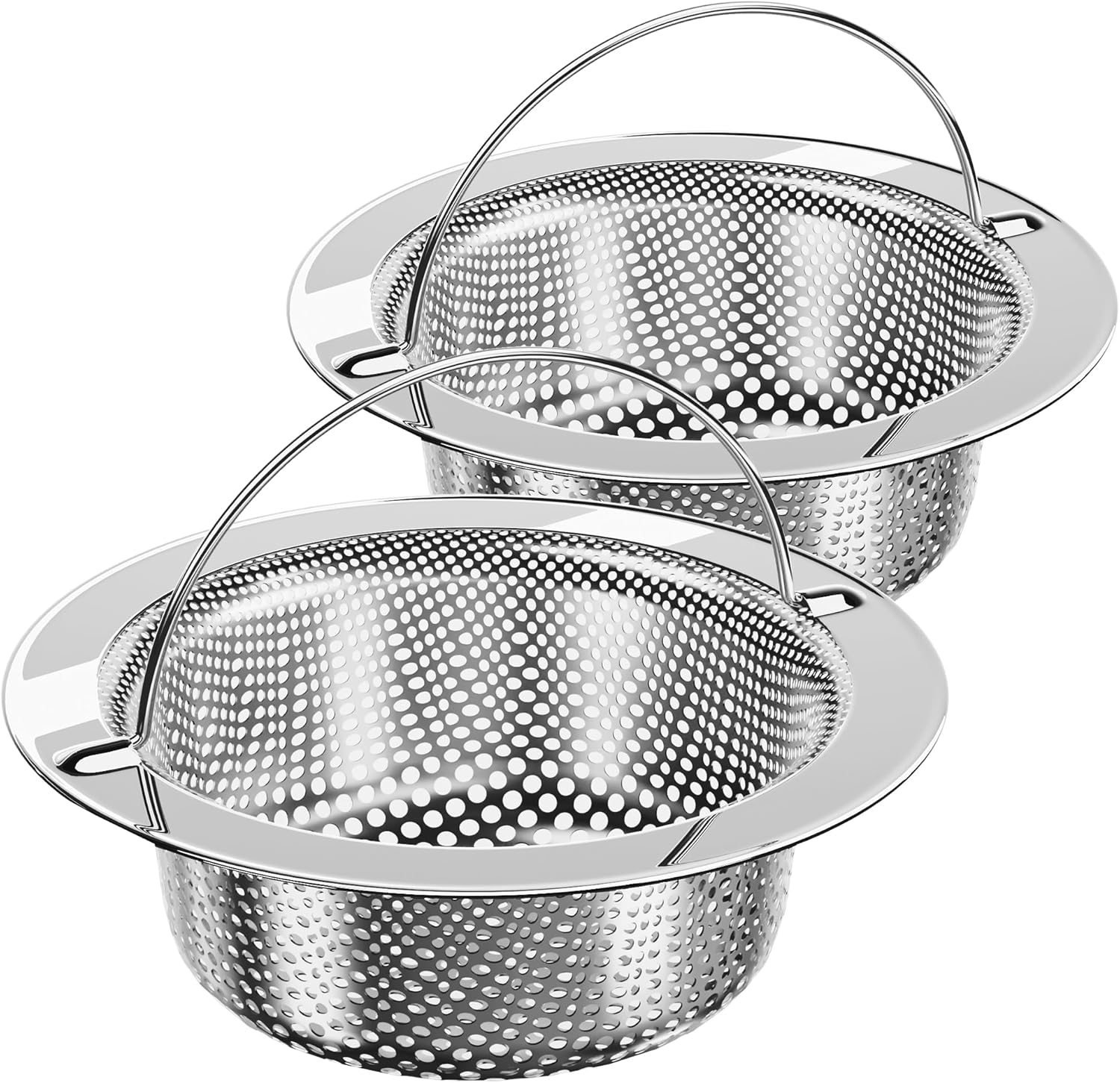
Durable, easy to clean and effective, this strainer fits into most sink drains and catches large debris such as food particles or peels, and the lift up handle makes it easy to remove.
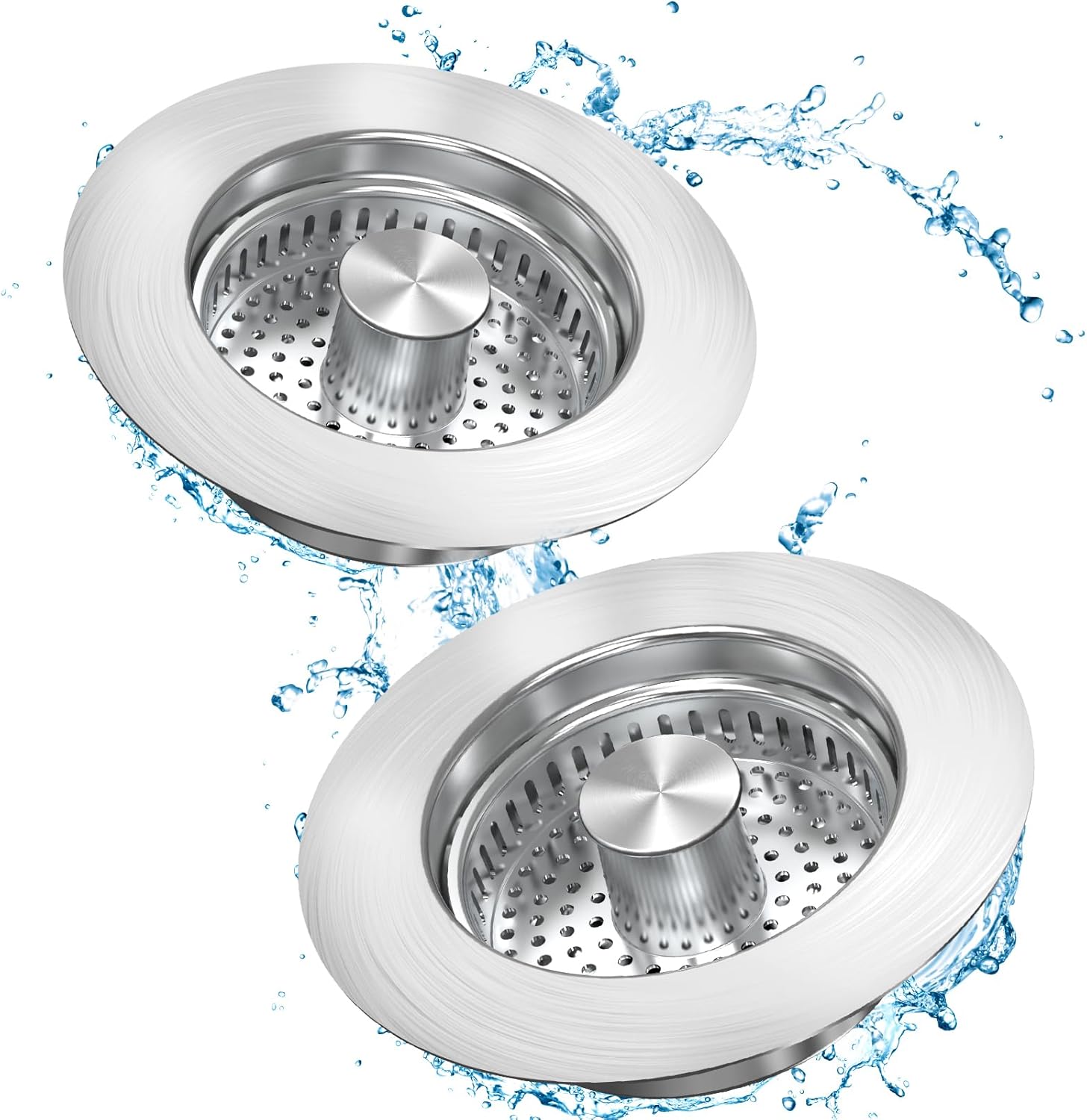
This durable debris catcher that is rust and scratch resistant combines three functions into one: push to plug, stops drain clogs, and provides odor prevention.
Meet the Expert
For more expert advice to keep your drains clear and free of leaks, never pour salt down your drains, and avoid boiling water too.
If you're not sure of the reason it's not draining, these are the key causes for a sink that won't drain.