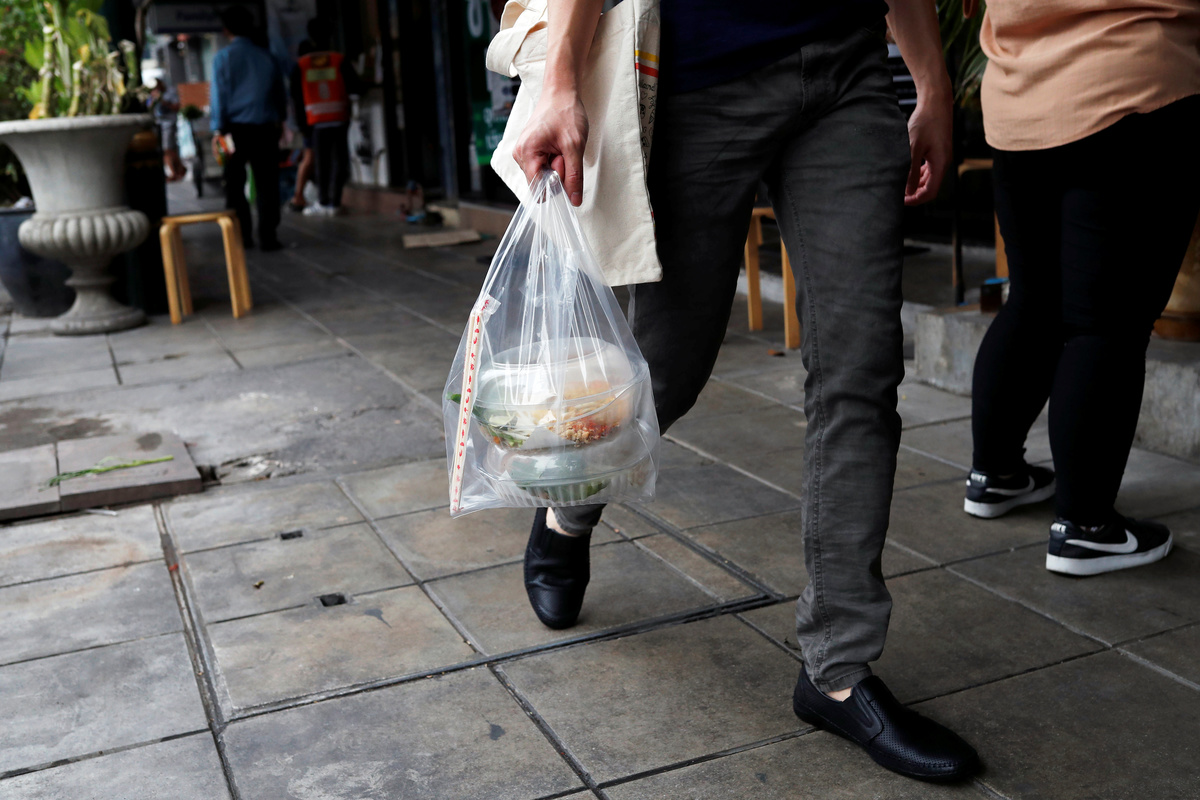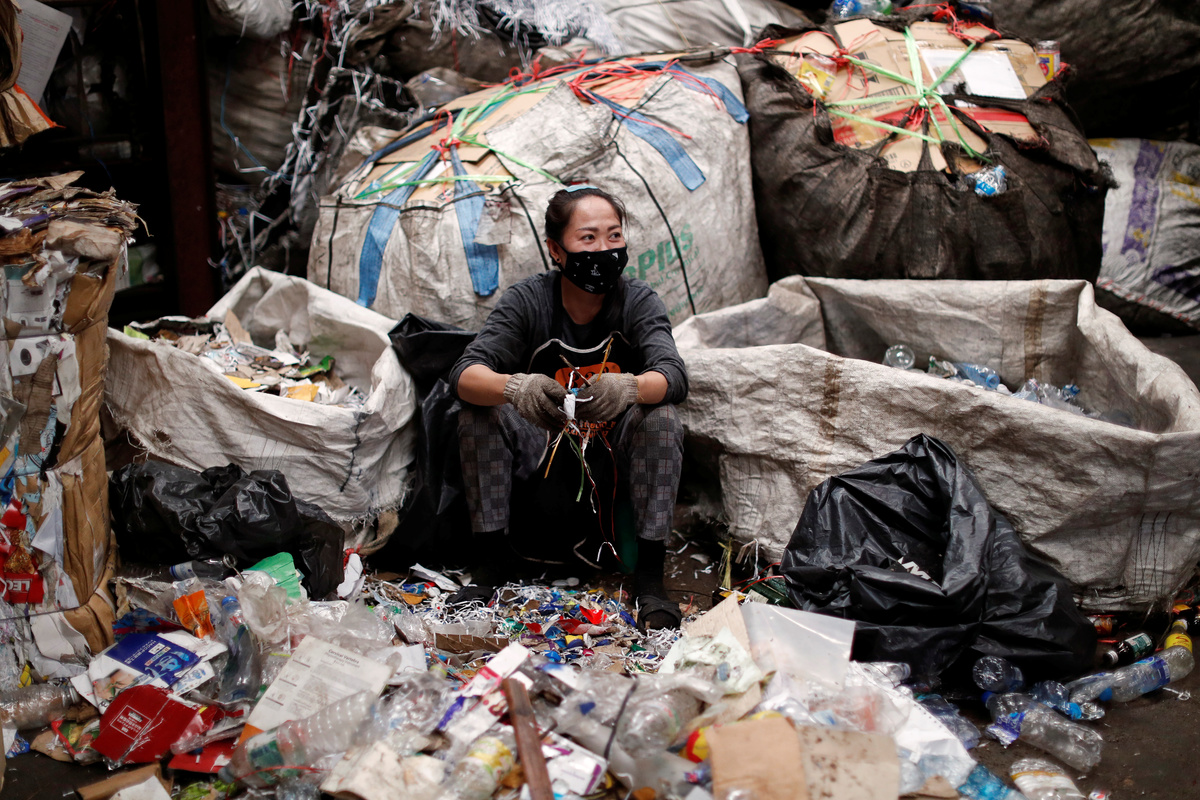
Thailand began the year with a ban on single-use plastic bags that Bangkok office worker Nicha Singhanoi hoped would cut back the waste that puts her country among the world's top five choking the oceans with plastic.
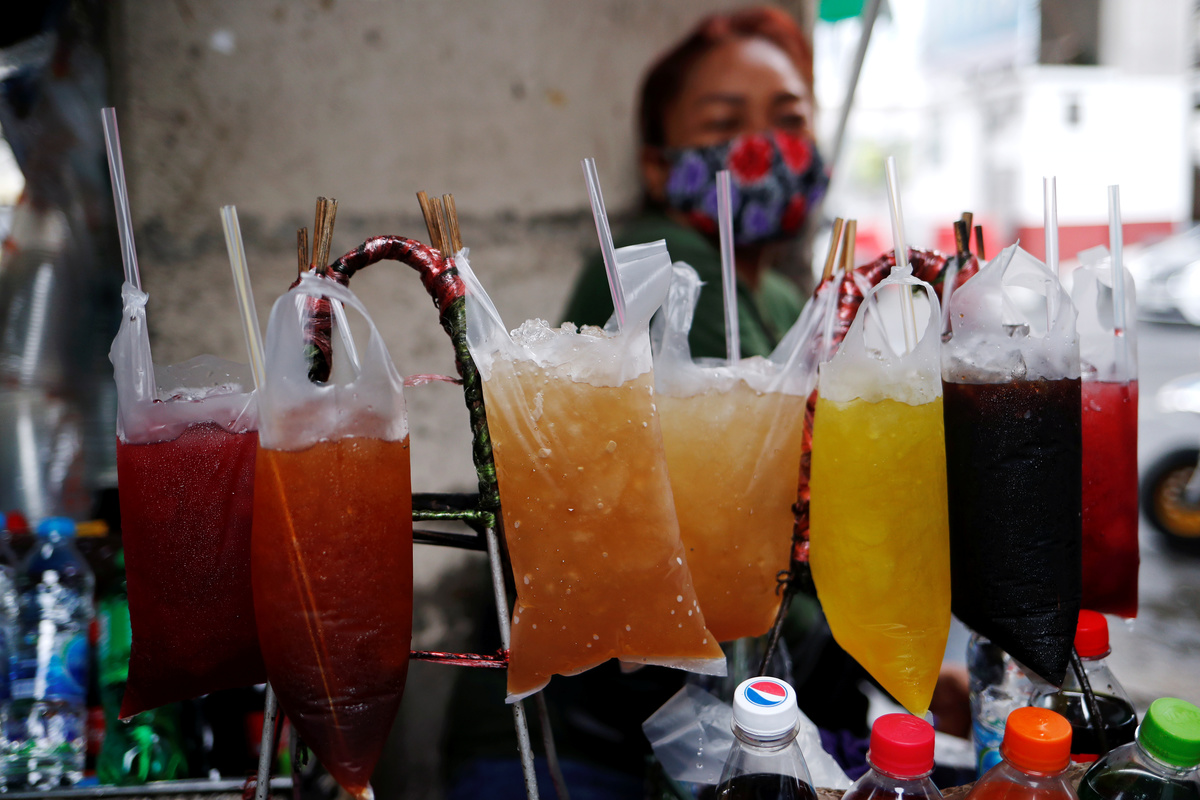
Then the coronavirus pandemic forced school closures and authorities told people to stay home, and far from falling, Bangkok's plastic waste has soared 62% in volume in April, as more people opt for food and goods to be delivered to homes.
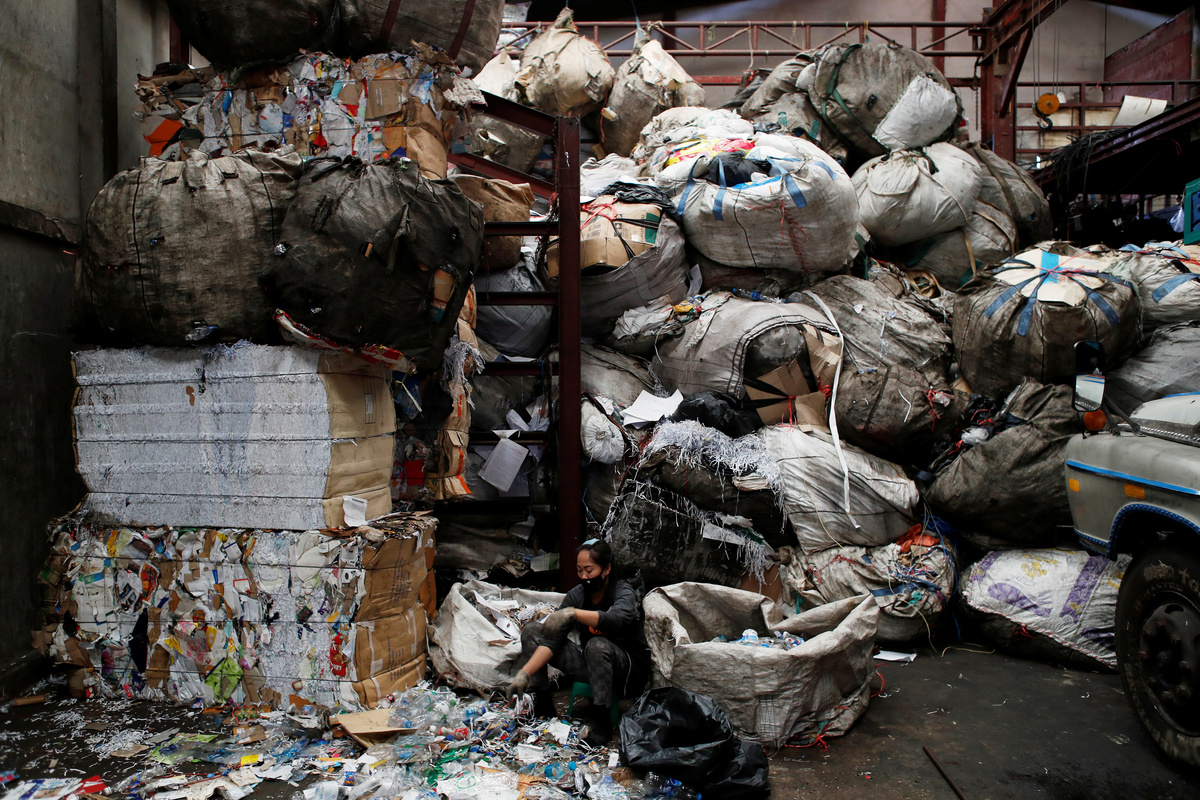
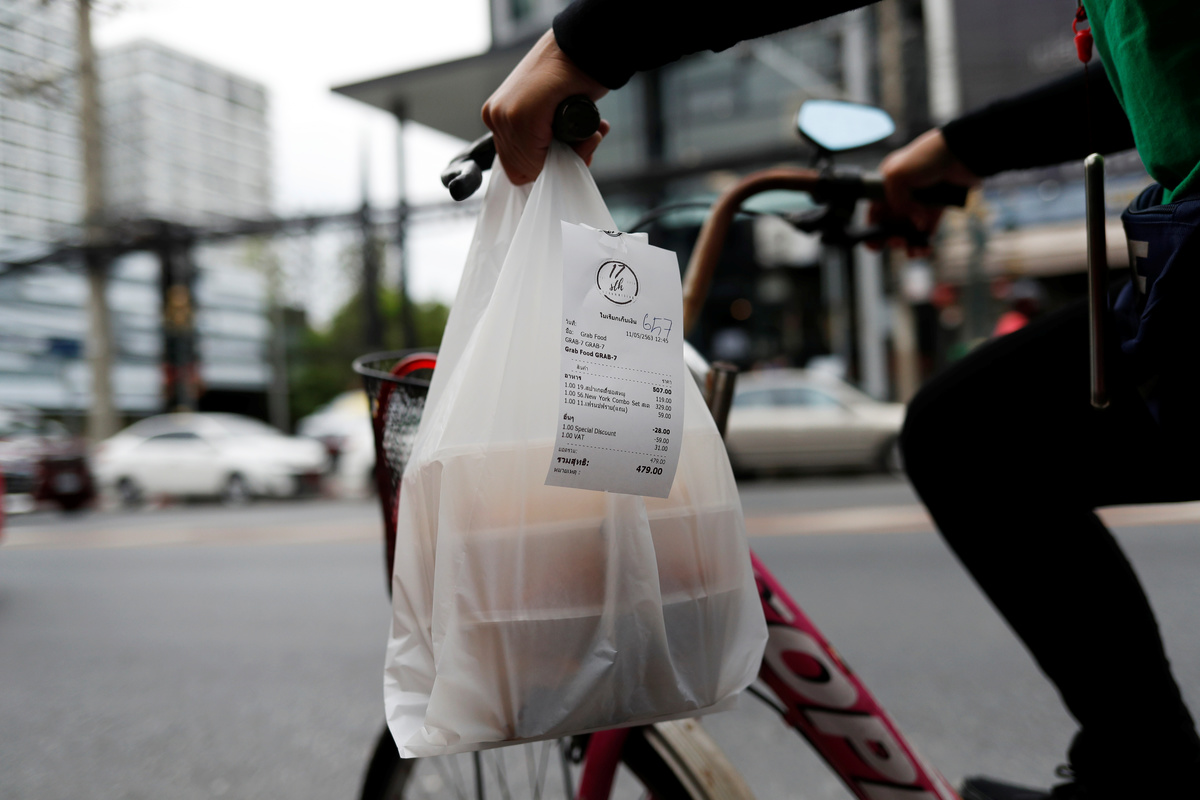
"There is so much bubble wrap and product packaging, or bags and containers from food deliveries," said Nicha, 27, an avid online shopper, who said that working from home deprived her of the time to cook.
Even if the pandemic eases, environmentalists fear Thailand is simply a pointer for the situation elsewhere in Southeast Asia, home to four of the world's top five plastic polluters of the ocean. The biggest is China.
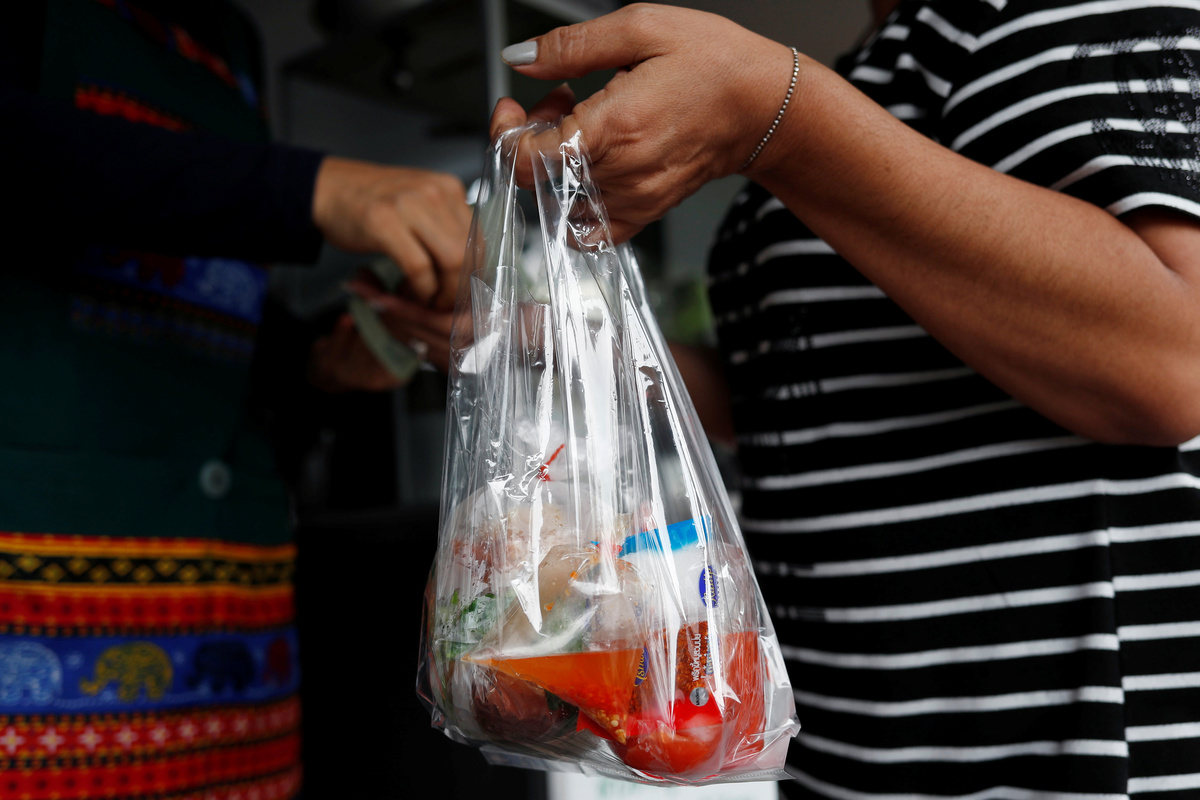
As much as 3,432 tonnes of plastic was thrown away in the Thai capital each day in April, up from last year's average of 2,115 tonnes, city data shows. Contaminated items, from takeaway bags to containers, bottles and cups, made up more than 80%.
Thailand's experience serves as a warning for the region, said Wijarn Simachaya, president of the Thailand Environment Institute, a think tank.
"The large increase is very concerning," Wijarn told Reuters. "What progress we've made on the campaign against single-use plastic has gone back to square one."
Despite a smaller pile of general waste as the lockdown halted businesses, Thailand, which usually generates about 2 million tonnes of plastic waste annually, is likely to see a surge of 30% nationwide this year, Wijarn added.
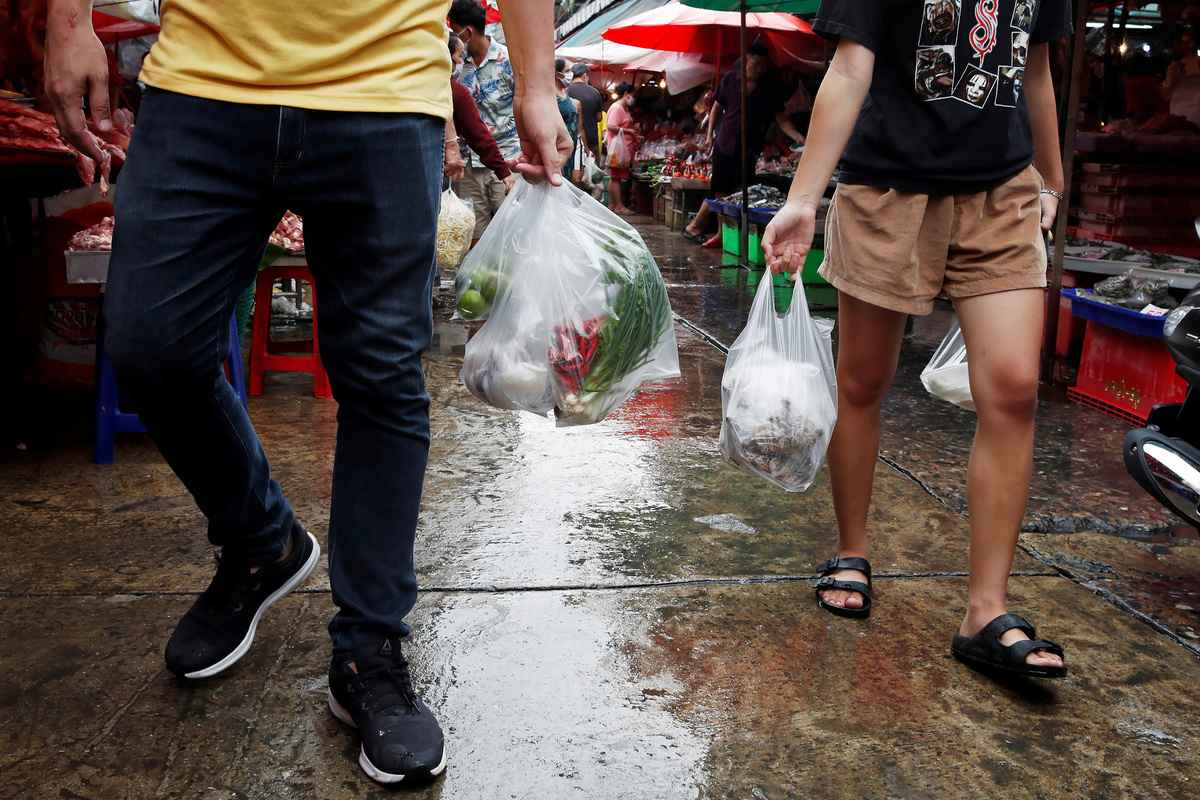
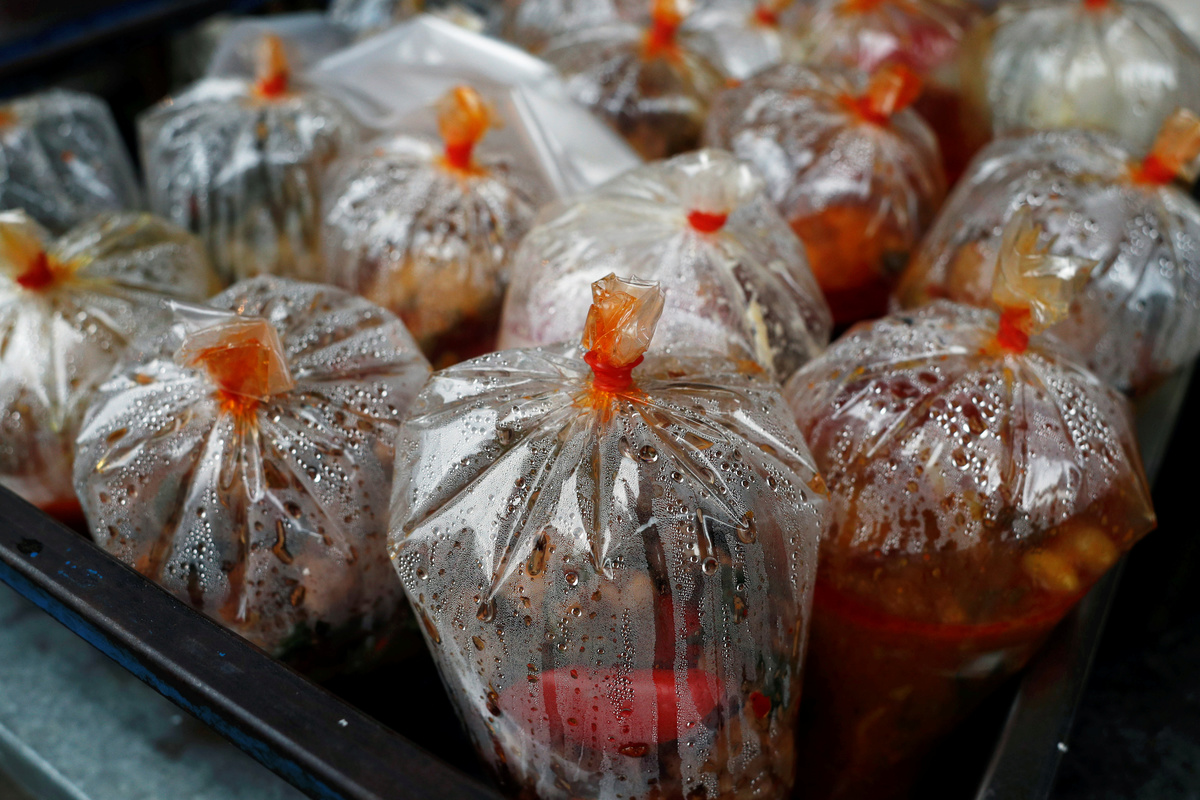
"There's a lot of plastics in one order, whether hot food bags, sauce bags, or plastic utensils that also come individually wrapped in plastic."
Environment Minister Varawut Silpa-archa acknowledged a setback in the fight on plastic waste, but said he remained hopeful Thailand could still regain lost ground.
"Don't fight many battles at a time," Varawut told Reuters. "Now it's COVID first," he added, referring to the respiratory disease caused by the virus, which brought 3,015 infections and 56 deaths in Thailand.
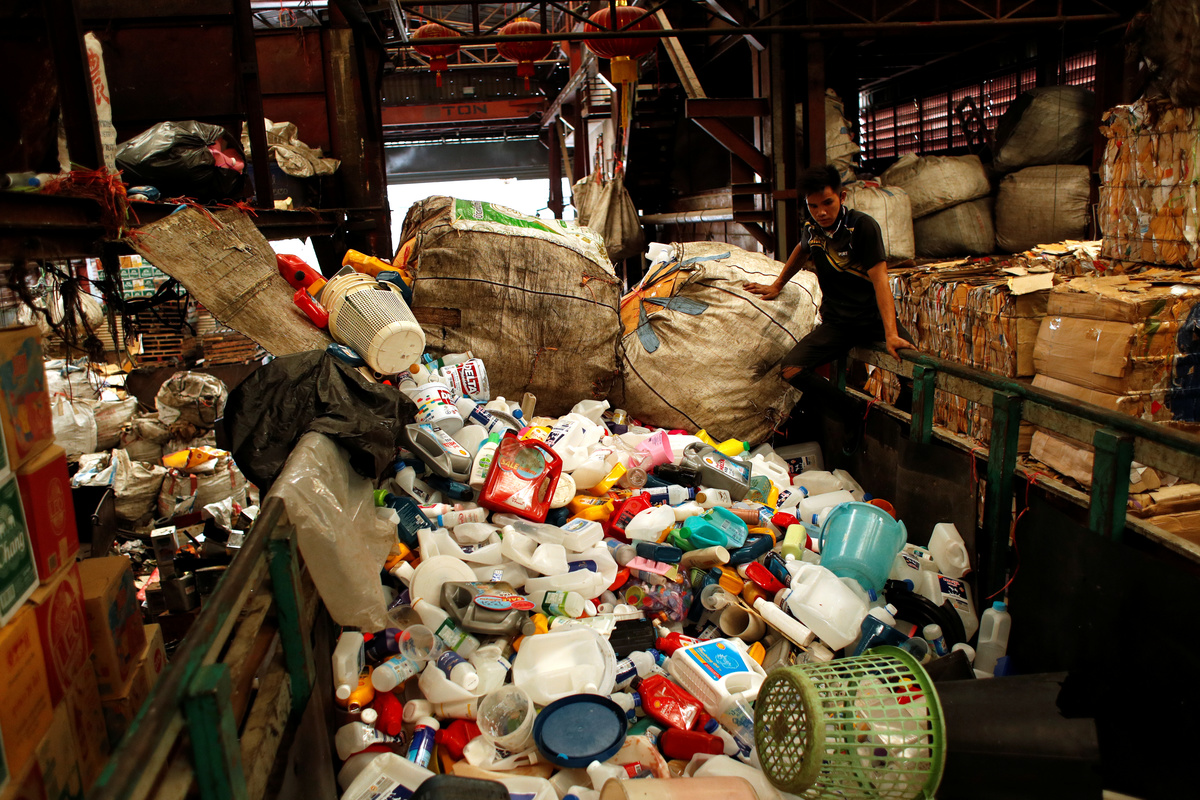
FOOD DELIVERY GROWTH
The food delivery sector is estimated to have grown 33% in just over a month to about 4.5 billion baht ($139 million), said Siwat Luangsomboon, deputy managing director of Kasikorn Research Center, a unit of the Thai bank.
"Thailand was on track to slash single-use plastics by 30% this year with the bag ban, but with consumer behaviour shifting towards food delivery, we may not be able to get back on that track," Siwat told Reuters.
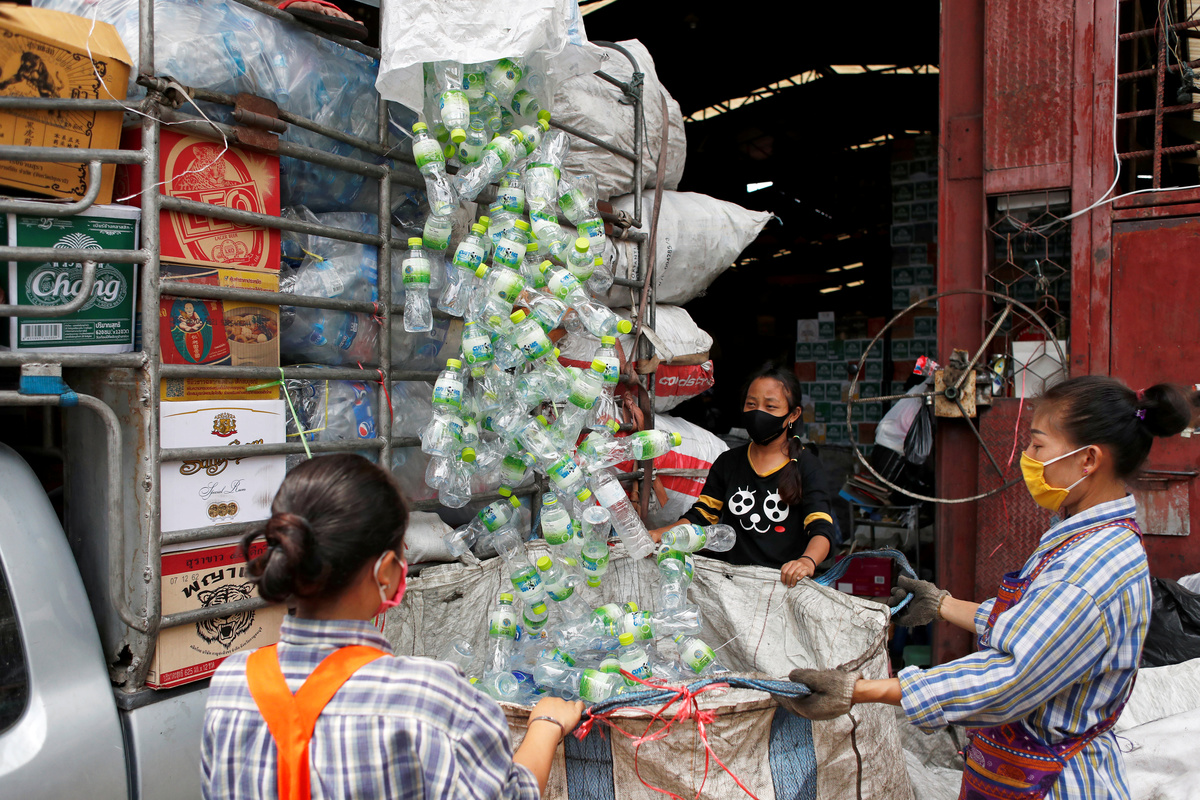
Food delivery service Line Man, owned by Japanese chat app Line Corp, has seen order numbers grow 300% from the beginning of Bangkok's lockdown in March through the end of April, a company representative told Reuters.
Singapore-based Grab, another app, reported 400% growth in its food delivery business in the week after the lockdown, but said numbers later dropped to slightly above normal.
Foodpanda Thailand said it saw orders grow 50% in March from February, with a rise of 10% in April on the month, while weekly transactions hit a high in the first week of May.
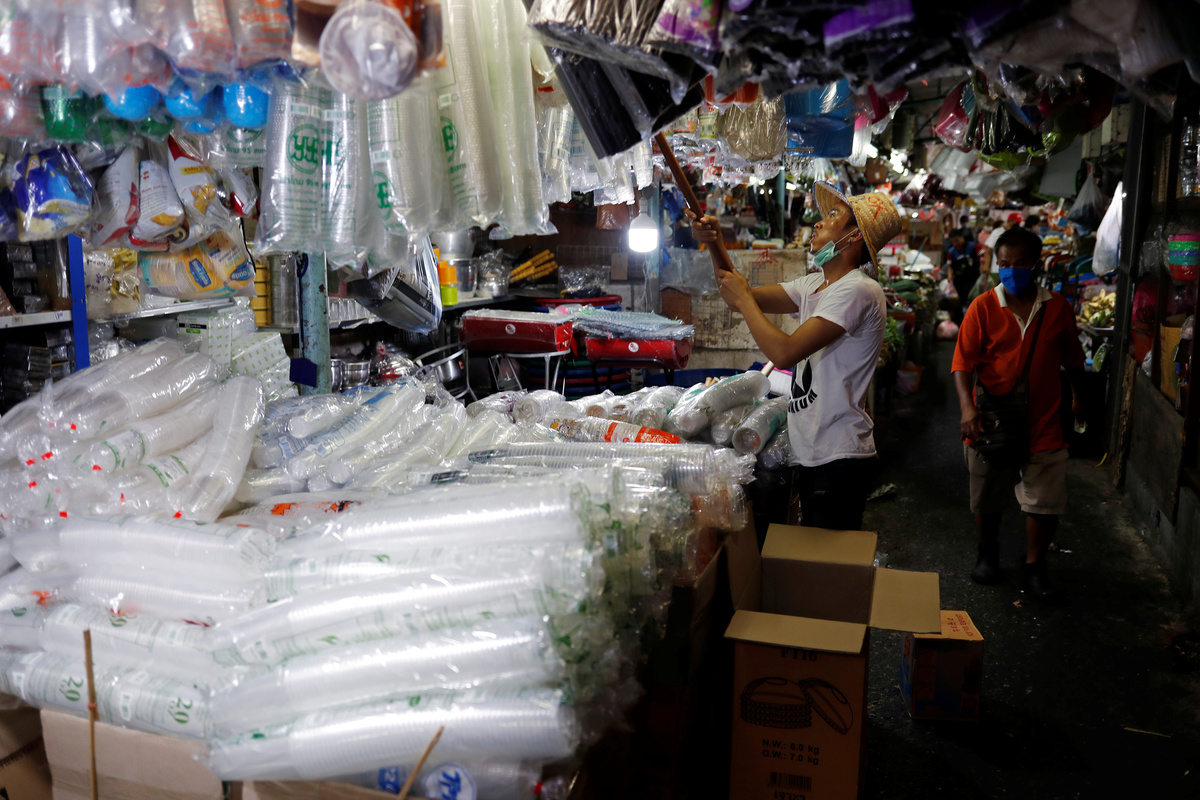
OCEAN POLLUTION
Southeast Asia has long been a major contributor to land-based plastic waste leaking into the world's oceans, say environmentalists.
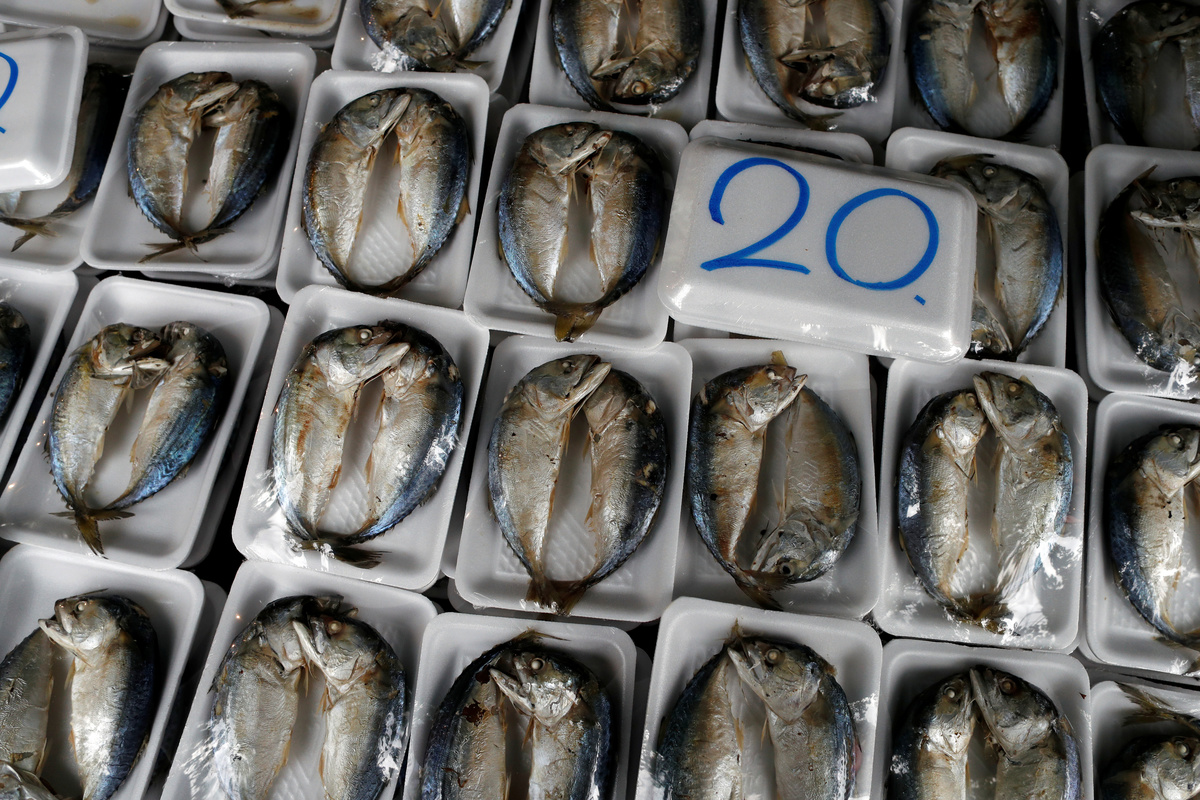
A region already grappling with poor waste management stands to be hit hard by the "sudden onslaught" of plastic waste from the pandemic, said the U.S.-based group Ocean Conservancy.
"We expect the damage will be significant in places already vulnerable to ocean plastic pollution, like Southeast Asia," said Doug Cress, its vice president for conservation.
No pandemic-related plastic waste data has yet been made available in other countries besides Thailand.
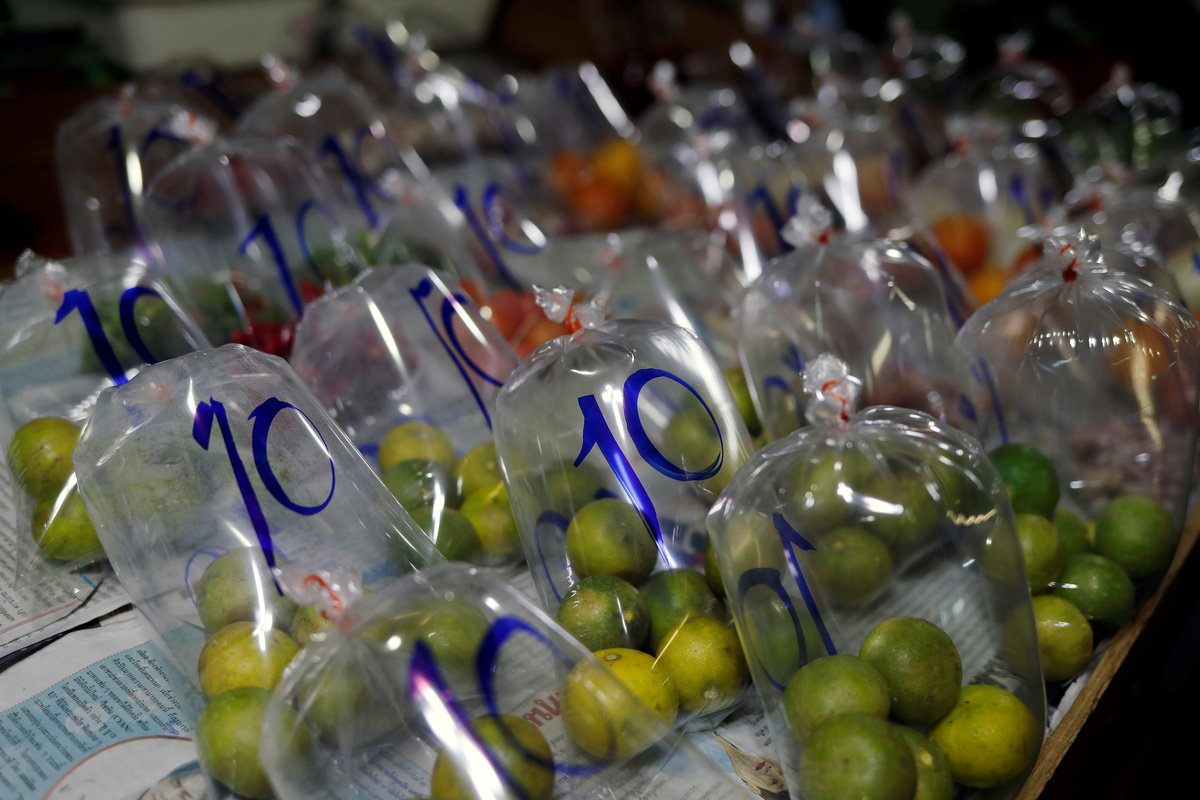
Top polluter China and the Southeast Asian nations of Indonesia, the Philippines, Thailand and Vietnam, account for more than half of plastic pollution in the ocean, Ocean Conservancy said in 2015.
China has not released detailed data on plastic waste caused by more home deliveries, which were up by a quarter in March and April. Its environment ministry has focused on boosting capacity to tackle soaring volumes of medical waste.
(Interactive graphic tracking global spread of coronavirus: open https://tmsnrt.rs/3aIRuz7 in an external browser.)
(Reporting by Patpicha Tanakasempipat; Additional reporting by David Stanway in Shanghai; Editing by Kay Johnson and Clarence Fernandez)