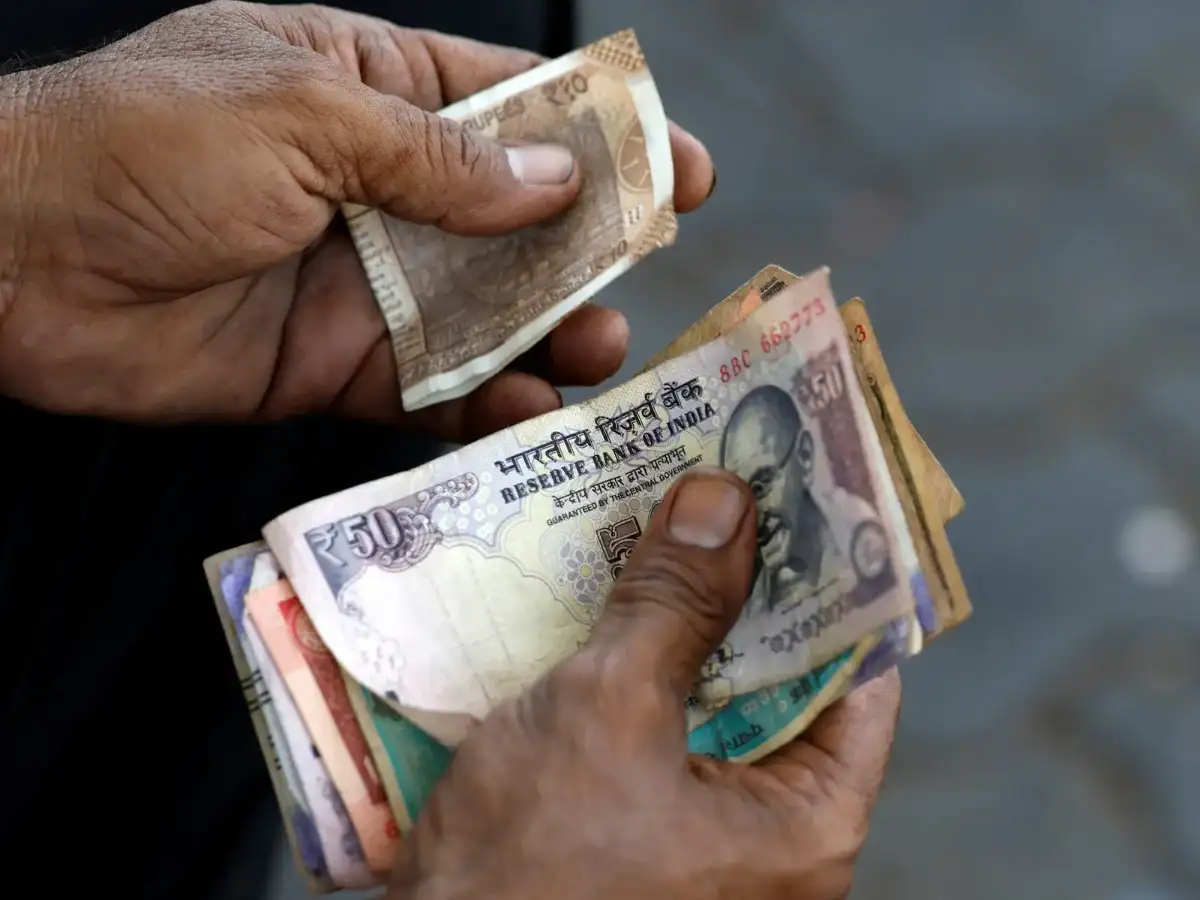
Plastic currency notes in India could enter circulation at the beginning of the next financial year if ongoing field trials go as planned, Reserve Bank of India (RBI) Governor Sanjay Malhotra said on Wednesday.
Speaking at the post-Monetary Policy Committee (MPC) media briefing, Malhotra said the RBI is targeting the rollout of polymer banknotes "at the beginning of next FY" after completing field trials.
"We are targeting that they are in circulation, as per plan, in the beginning of next FY," Malhotra said.
Also Read: Why govt wants polymer banknotes, which countries use them and how these currencies help
The RBI has proposed introducing polymer notes in the ₹10 and ₹20 denominations on a trial basis after receiving the government's approval. The move revives a plan that was first announced more than a decade ago but never materialised.
Why is the RBI introducing plastic notes?
Explaining the rationale behind the move, Malhotra said polymer notes are more durable than conventional paper currency, making them particularly suitable for lower-denomination notes that change hands frequently.
"Polymer notes enhance durability and life. They are relevant for lower denominations because of their higher velocity of circulation, and therefore their lifespan is lower," he said.
Lower-denomination notes such as ₹10 and ₹20 wear out much faster than higher-value notes because they are used more frequently in day-to-day transactions. Polymer notes are expected to last significantly longer, reducing the need for frequent replacement.
What has the government approved?
Last month, the government approved the RBI's proposal to introduce one billion pieces each of ₹10 and ₹20 polymer notes for field trials. Regular issuance will be considered if the trials are successful.
The proposal gathered pace after Bharatiya Reserve Bank Note Mudran Private Limited (BRBNMPL), an RBI subsidiary, floated a tender for polymer substrates required to print the trial banknotes.
The government has clarified that the move is only for field trials and that there is currently no proposal to replace all existing paper currency with polymer banknotes.