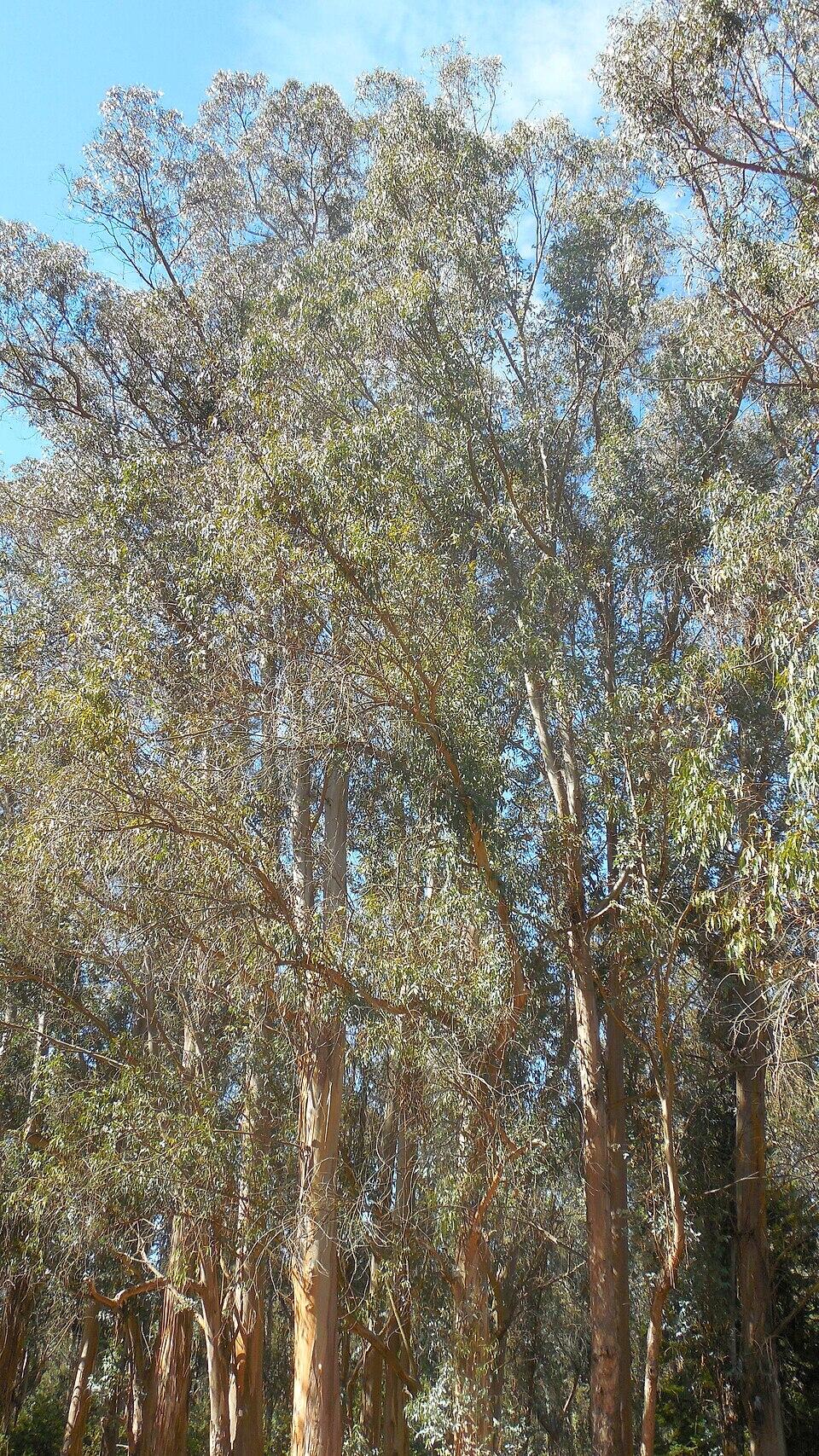
If you go for a pleasant ride on the meandering coastal roads of California, the landscape is almost postcard-like in its beauty. Majestic-looking trees with silver bark and narrow, lengthy leaves decorate the hillsides, giving off a healing aroma in the fresh Pacific breeze. These remarkable trees have been recognised for many years as a symbolic element of the natural beauty of the Golden State. They provide shade, serve as windbreakers, and add a hint of wilderness to the urban parks, coastlines, and suburban areas. The scent of these trees has proven quite soothing to many people.
Get breaking news anytime, anywhere. Download the TOI app now!
However, beneath this peaceful and aromatic exterior lies a historic mistake that continues to threaten local communities. These trees are Tasmanian blue gums, an exotic species that was first introduced to the region from Australia during the Gold Rush era of the 1850s. Initially planted by eager landowners who hoped to quickly harvest them for timber and use them to beautify exposed lands, the fast-growing trees quickly conquered the landscape. They grew at an astonishing pace, adapting far too well to the dry coastal winds and summer heat of their new home.
The real seriousness of this environmental decision is stated in a report by the National Park Service. The report explains that the tree's fragrant smell comes from volatile essential oils, which also make it highly flammable. In a large fire, these trees do not simply burn. Instead, they can throw burning embers and fragments far from the fire line. During the devastating Oakland-Berkeley Hills firestorm of 1991, the report highlights that eucalyptus trees heavily influenced the fire's extreme behavior and fuel load, with estimates indicating that over seventy per cent of the energy released through the combustion of vegetation specifically was due to this species.
A fire hazard based on peeling bark and volatile oils
To understand why this tree is dangerous in suburban areas, it helps to look at its growth and shedding patterns. Unlike many native trees, the blue gum sheds its bark in long, dry strips. The bark does not simply fall to the ground and decay quickly. Instead, the bark can hang on lower branches and create a ladder that carries fire into the canopy.
Once flames reach the canopy, volatile oils in the leaves can vaporise and intensify a crown fire. The National Park Service publication describes how the tree's unique physical structure allows it to cast burning embers far ahead of the main fire line, starting fresh spot fires in nearby residential areas. Over time, leaf litter and bark can build up at the base of the trees and burn intensely.
The devastating impacts of such a dangerous landscape have been examined in the study The Oakland-Berkeley Hills Fire: Lessons for the Arborist . The study describes how the 1991 firestorm engulfed the densely populated residential area. The author notes that the fire began on a Saturday in the canyon and was initially thought to be extinguished. But on Sunday morning, strong Santa Ana winds swept hidden embers onto dry, unburned vegetation. Driven by these violent winds, the fire grew rapidly in strength and managed to jump over California Highway 24, an eight-lane freeway, ultimately claiming twenty-five lives and destroying nearly three thousand homes, according to official reports from the Federal Emergency Management Agency (FEMA) and the U.S. Fire Administration. It is noted in the study that the high density of very flammable plants, including groves of blue gum trees, provided continuous fuel and made it possible for the fire to jump easily from the treetop level to the residential buildings.

Rethinking the suburban forest
After the 1991 fire, the community has had to rethink how it manages forests, parks, and gardens. People no longer see it as feasible to leave large groves of Tasmanian blue gums unattended near their homes. There have been many efforts in recent years to reduce the density of the groves and eliminate hazardous trees.
Clearing the trees is difficult because blue gums are highly resilient. The National Park Service study explains that when these trees are cut down, they aggressively sprout new shoots from their stumps, trunks, and even deep underground from their root systems. That means cutting them down once is not enough; regrowth requires long-term management and monitoring.
However, planting native flora instead of invasive trees can improve safety in the area. Native oak trees and other species can help restore soil moisture and create a less fire-prone urban canopy. Overall, the blue gum story shows the risks of introducing a species into a new environment.