
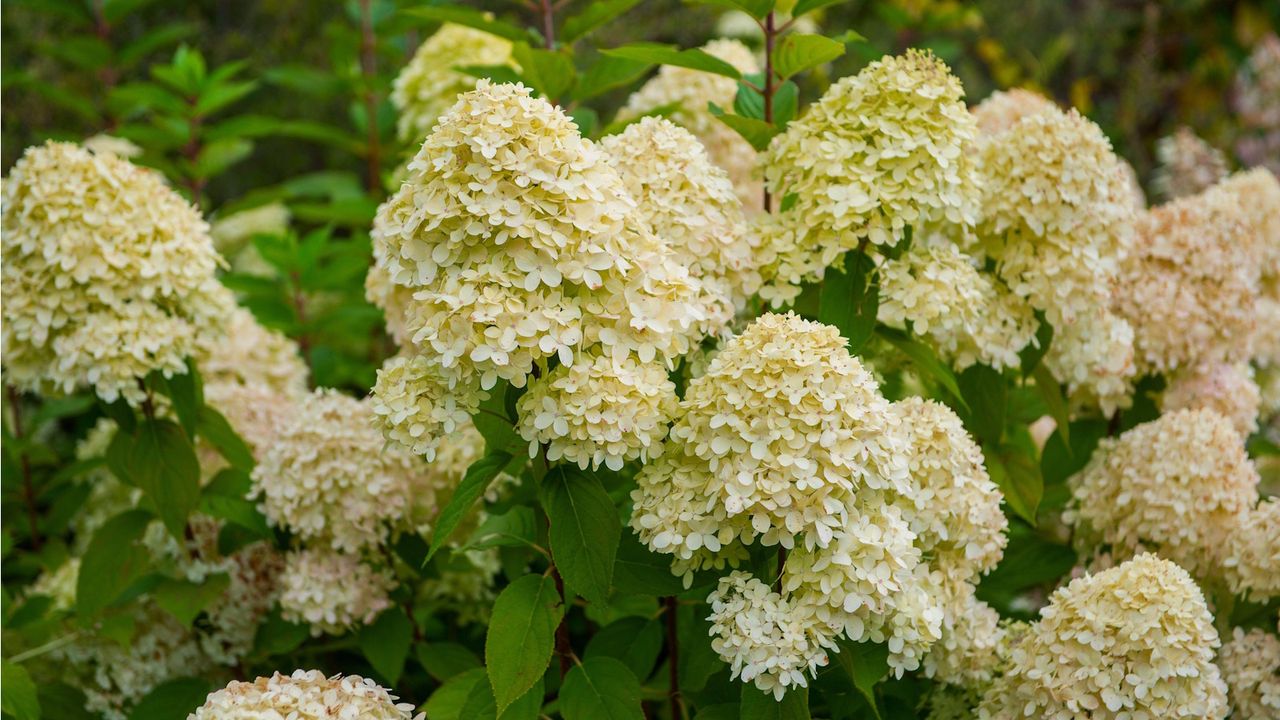
Hydrangeas are one of the most beautiful shrubs to grow in the yard, wowing with showy blooms, quintessential to cottage garden planting. However, in the wrong environment and with the wrong care, these shrubs can look far from impressive.
That's why picking the right hydrangea variety is the first step to successful hydrangea care. After speaking with the plant evaluation team at the esteemed Chicago Botanic Garden, there's one type that stands out as the most low-maintenance, resilient, and beginner-friendly: smooth hydrangeas.
Richard Hawke, Director of Ornamental Plant Research at Chicago Botanic Garden, says smooth hydrangeas have shown many beneficial qualities when being trialled in their evaluation program. They're easy to prune, attract pollinators, and now come in a number of hues, suiting different planting schemes. Here, he tells more on why he believes 'anyone can grow a smooth hydrangea,' and we share top tips on how to grow them.
Are smooth hydrangeas easy to grow?
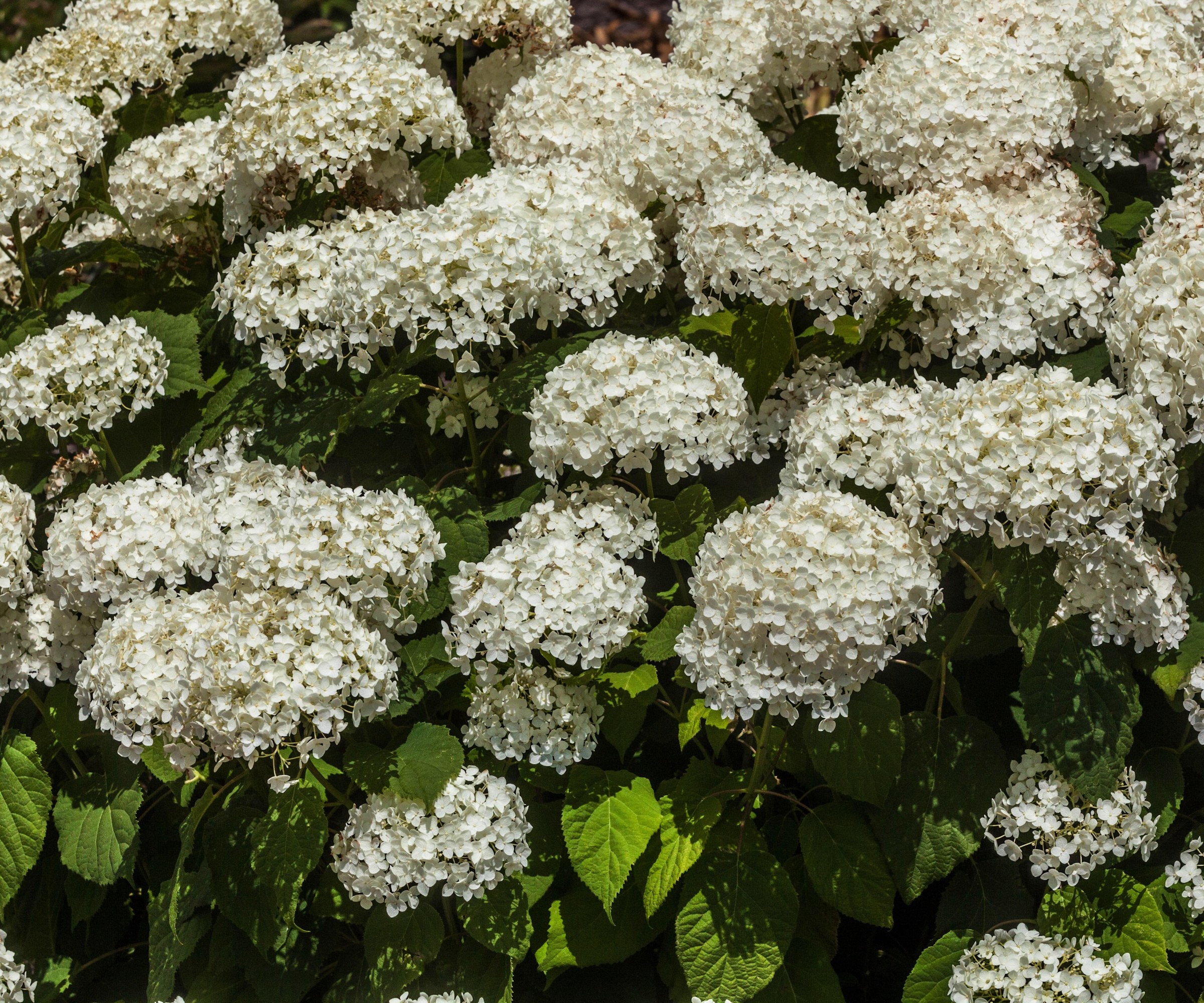
Smooth hydrangeas (Hydrangea arborescens) are a deciduous species of hydrangea, with rounded or lacecap clusters of flowers in white and pink hues.
Among the many hydrangea varieties available, smooth hydrangeas are one of the most beginner-friendly, says Richard, especially when it comes to pruning hydrangeas correctly.
'It's a native shrub that booms on new growth,' he explains. 'This means it can be cut right back in fall and still flower next year.'
This makes it trickier to make a pruning mistake with smooth hydrangeas, where other types, like oakleaf hydrangea, flower on old wood. Pruning oakleaf in fall, for example, would remove buds for the next season.
In fact, giving smooth hydrangeas a hard prune (that is, cutting right back) in fall or early spring, can even encourage bigger blooms in summer.
You should use essential pruning tools, like these bypass pruning shears from Amazon, to make clean cuts when doing this.
Another reason Richard recommends smooth hydrangeas is because they are a US native plant. This makes them well adapted and resistant, particularly suited to US hardiness zone 3 to zone 8.
'It also makes them a great pollinator plant,' Richard adds.
Some smooth hydrangea varieties have lacecap flowers which are flatter, sterile flowerheads that expose the nectar-rich florets, making it more accessible for pollinators.
Another attractive feature of smooth hydrangeas is that they now come in so many different colors, Richard notes.
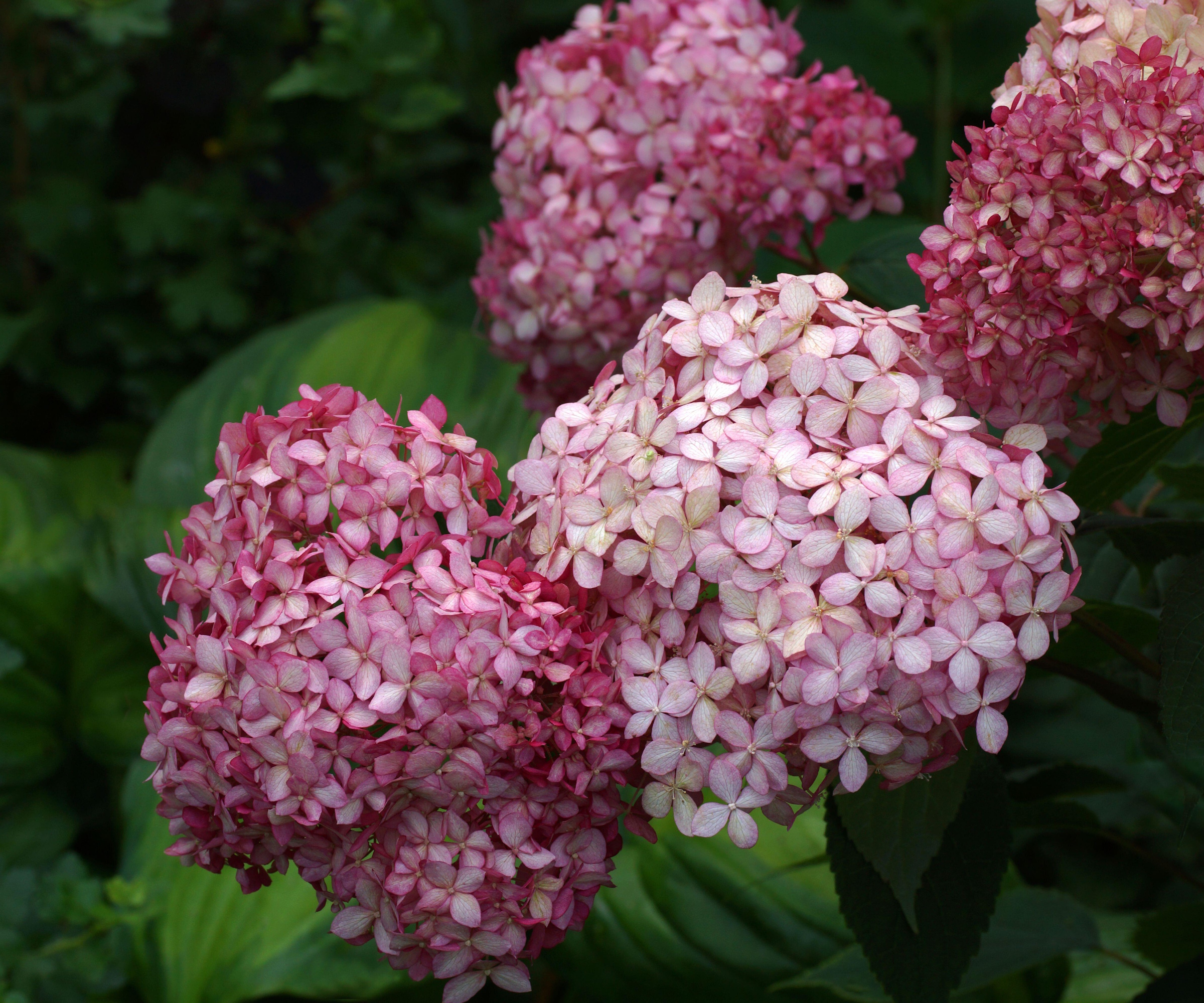
'It used to be you could only get creamy white smooth hydrangeas, like the classic 'Annabelle' hydrangea,' he says. 'Over the last 15 years, developments in cultivation have brought other white, green, and pink shades to the market.'
Expert tips for growing smooth hydrangeas
Even though smooth hydrangeas are one of the easiest types to grow, there are a few essential care requirements you have to get right to be successful with them:
- Light: Smooth hydrangeas are more shade-tolerant than some other hydrangeas, performing best in partial shade with four-to-six hours of sunlight a day.
- Soil: Another benefit of smooth hydrangeas is the fact they aren't particular about soil type and are quite adaptable, even to clay and sand soil. They do, however, require well-draining soil to ensure roots don't become oversaturated. Unlike mountain and bigleaf hydrangeas, smooth hydrangeas' flower color is not affected by soil pH.
- Water: Like other hydrangeas, smooth hydrangeas do best with consistent moisture levels. If they dry out, their leaves may wilt and flowers droop. In dry summer spells, make sure to water your hydrangea deeply every week.
- Fertilizing: Once established, smooth hydrangeas don't need a huge amount of fertilizer. Although, they can benefit from a light feeding in early spring ahead of the active growth season. You can either use a hydrangea fertilizer (from Amazon) or an organic feed, like compost and manure.
- Pruning: As mentioned, smooth hydrangeas bloom on new growth. This means you can prune them right back, ideally in early spring before active growth begins. Aim to cut it down to about 12-18 inches above the ground, encouraging bigger blooms in summer. You can also remove thin side branches in spring to boost growth, as these are less productive.
3 top smooth hydrangea varieties
'Annabelle' is a classic smooth hydrangea pick. It produces large, round white blooms from summer to fall.
A pink alternative to 'Annabelle,' with similar large, round flowers from summer to fall.
A purple hued, compact smooth hydrangea. It has sturdy stems, preventing flopping flowerheads.
FAQs
How big do smooth hydrangeas grow?
Smooth hydrangeas typically grow 3-6ft tall and wide, though it does depend on the variety, as you can get more compact ones. You can also prune smooth hydrangeas to keep them smaller by giving them a hard prune in late winter or early spring.
To help your success with hydrangeas, read our guide on what to do with hydrangeas in the fall and what to plant with hydrangeas. It's also worth stocking up on the below kit to make hydrangea maintenance easier:
Use these bypass pruners to keep your hydrangeas in shape. They can cut stems up to one inch, with stainless steel blades making clean cuts.