Scott Morrison won't subsidise electric cars or implement emissions standards in his plan to get 1.7 million cleaner vehicles on roads this decade.
The coalition's $250 million "future fuels" fund anticipates charging stations across 50,000 homes, 400 businesses and 1000 public areas.
It would also upgrade Australia's grid to ensure it could cope with up to 1.7 million electric and hybrid vehicles expected on roads by 2030.
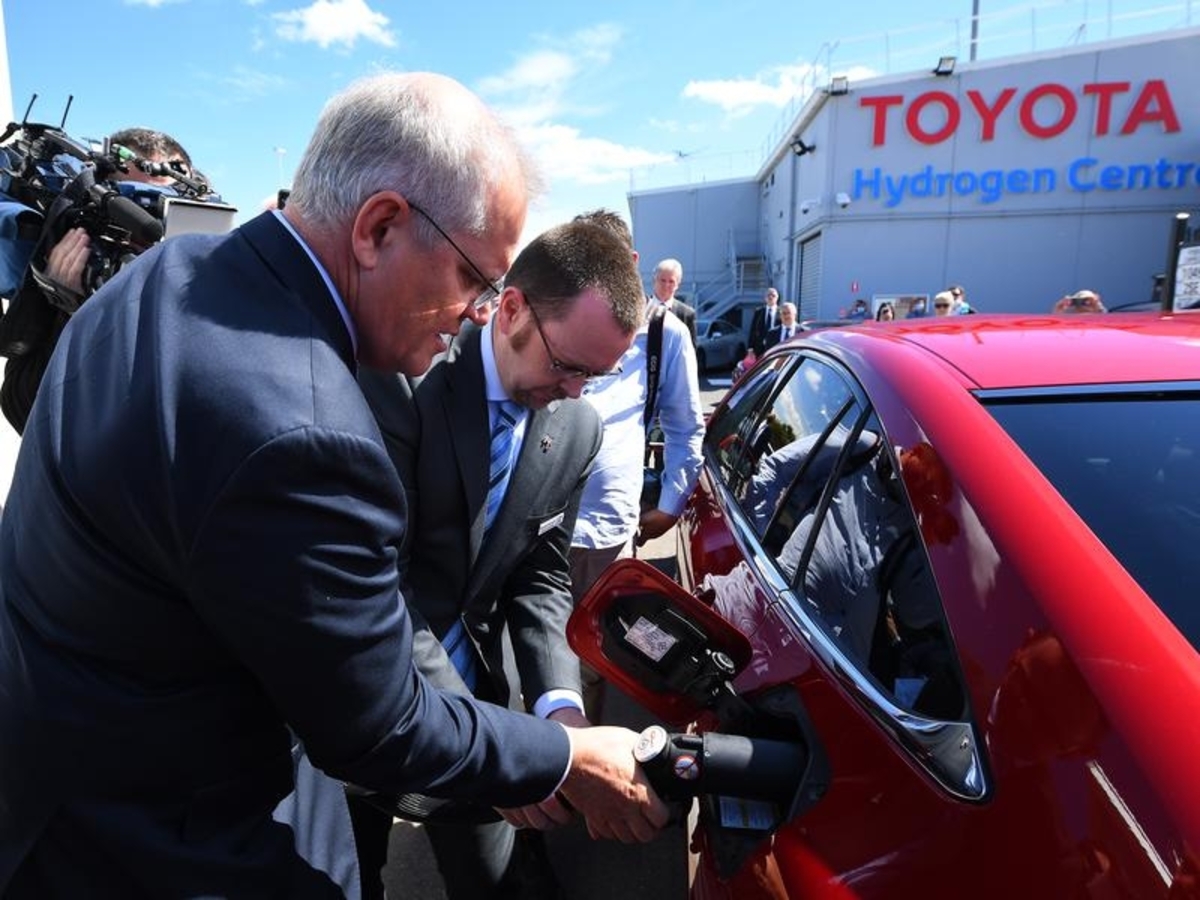
"We're not going to put (people's) petrol prices up to make them buy electric vehicles or do anything like that - Australians will make their own choices," Mr Morrison told reporters at Toyota's hub in Melbourne on Tuesday.
"You don't get people to take on new technology by forcing up their household costs on all the other things that are currently using.
"You do it by ensuring you have companies that are driving down the costs of their products and services to make them accessible."
He shrugged off scrutiny about coalition attacks on Labor's electric car policy in the lead up to the 2019 election, which was derided as "ending the weekend".
"I don't have a problem with electric vehicles. I just have a problem with governments telling people what to do about what vehicles they should drive," Mr Morrison said.
But the national body representing Australia's electric vehicle industry has criticised the absence of tax incentives or fuel efficiency standards in the government's plan.
"There's an element of a good plan there. Unfortunately, that's only about five per cent of what's needed," Electric Vehicles Council chief executive Behyad Jafari told ABC radio.
"We've been waiting two years for this policy. Every other country put their policies out over a decade ago now, so it's just far too little too late."
He thinks rebates to make electric vehicles more affordable as well as fuel efficiency standards should make up the bulk of any policy.
"They're the two most important things that are needed in order to transition us away from high petrol prices towards electric vehicles," Mr Jafari said.
The coalition argues making electric vehicles cheaper through subsidies does not represent value for money because technological advancements are already doing this.
It expects the private sector will match the $250 million in federal funding and lead to the creation of more than 2600 jobs over three years from 2021/22.
Investment will also focus on electrifying commercial fleets, as well as heavy and long-distance vehicles in a bid to cut emissions by eight metric tonnes of carbon dioxide equivalent by 2035.
Battery electric and plug-in hybrid cars accounted for 8688 sales in the first half of the year, representing 1.57 per cent of overall light vehicle sales.
Opposition Leader Anthony Albanese said Labor would remove excise and fringe benefits tax on electric cars to make them more affordable, and encourage the development of technology like fast charging stations.
"Unfortunately this government told the Australian motor vehicle industry to leave ... (but) what we should have been doing is transitioning and producing electric vehicles here," he said.