In a world saturated with stimuli, digital noise, and long-term uncertainty, the trends for 2026 point less to impress and more to protect. That's the main conclusion of Pinterest Predicts™, the platform's annual report that anticipates the trends that will shape the cultural, aesthetic, and consumer landscape next year. According to the study, nonconformity, self-preservation, and escapism will be the driving forces behind 21 trends that are already beginning to take shape.

Pinterest notes that "trends today are growing 4.4 times faster than they were seven years ago, but paradoxically, users are tired of following dictated fashions," Pinterest spokesperson Javier Soto told The Latin Times and ESTARZ.
In response, the report identifies a clear shift: by 2026, people will be looking for comfort, authenticity, and realistic optimism that will allow them to tune out the constant noise of the world and social media.
"The report draws on data from over 600 million monthly users and on quantitative and qualitative studies conducted in several countries. The conclusion is consistent: the five-year plan has lost its relevance. Most people can barely envision their lives beyond the next 24 months, making emotional well-being and personal identity immediate priorities," added Soto.
"From 'Asymmetrical Beauty' to 'Pen Friends,' Pinterest is the perfect place to escape overstimulation through trends that don't generate social comparison or FOMO," said Sydney Stanback, Pinterest's global director of trends and insights. She explained that in 2026, trends won't be followed to the letter, but rather reinterpreted to avoid sacrificing personal expression.
One of the report's main themes is emotional well-being and a sense of belonging. Pinterest detected a sustained rise in nostalgia, understood not as passive escapism, but as a way to reconnect with what is essential. Fifty-two percent of those surveyed say they rewatch classic series or films, while almost four out of ten turn to traditional foods for comfort. This nostalgia, the report explains, is now evolving into a "reclaiming" of the past, fused with the present.
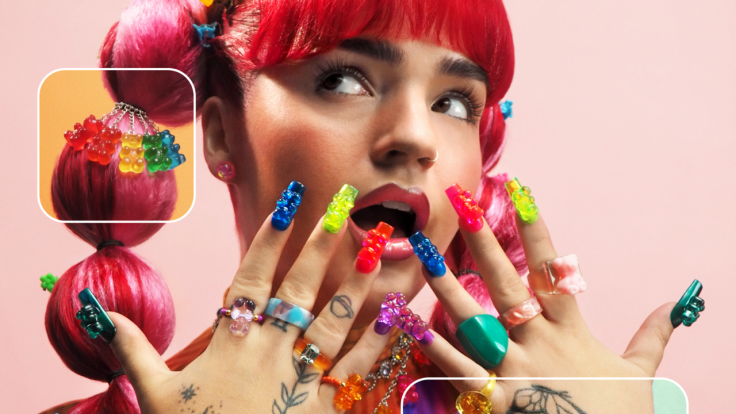
This has given rise to trends like Gummy Fashion, a tactile aesthetic driven by Generation Z and millennials, expressed in jelly-textured makeup, 3D jewelry, and rubbery nails; and Circus Life, which brings circus imagery into home decor with bold stripes and sculptural silhouettes. Along the same lines is Retro Childhood, which revalues vintage toys and recycled children's fashion, and Pen-to-Person Friends, an unexpected return to letter writing as a response to instant messaging fatigue.
The second major section of the report focuses on a key idea: curating content, not copying. By 2026, trends will cease to be cultural mandates and will instead become tools for identity construction. Forty-two percent of respondents say they only adopt trends that align with who they are or who they aspire to be.
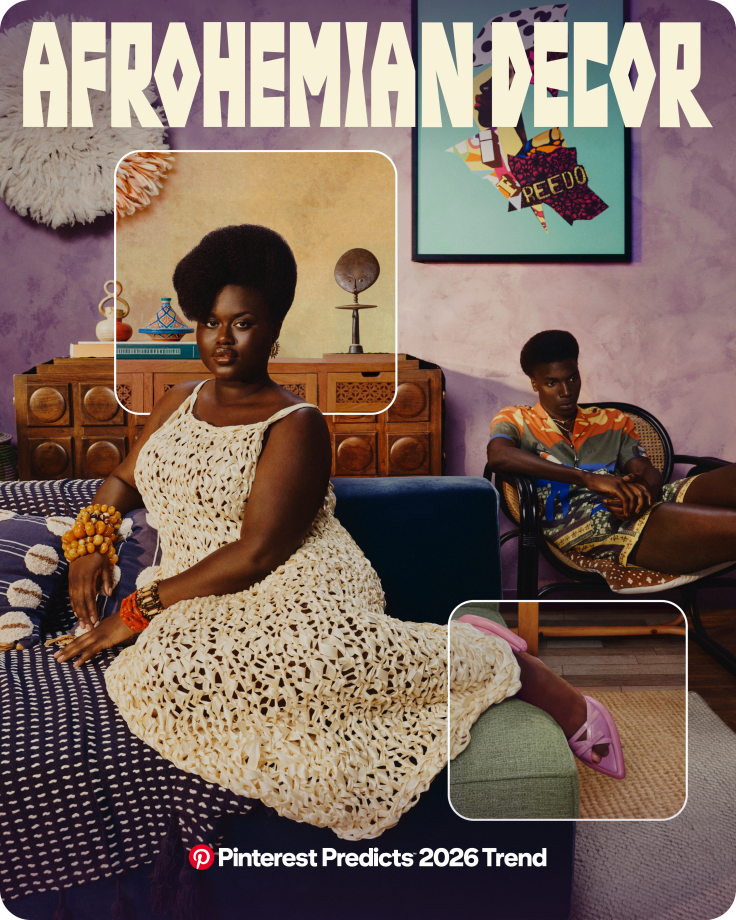
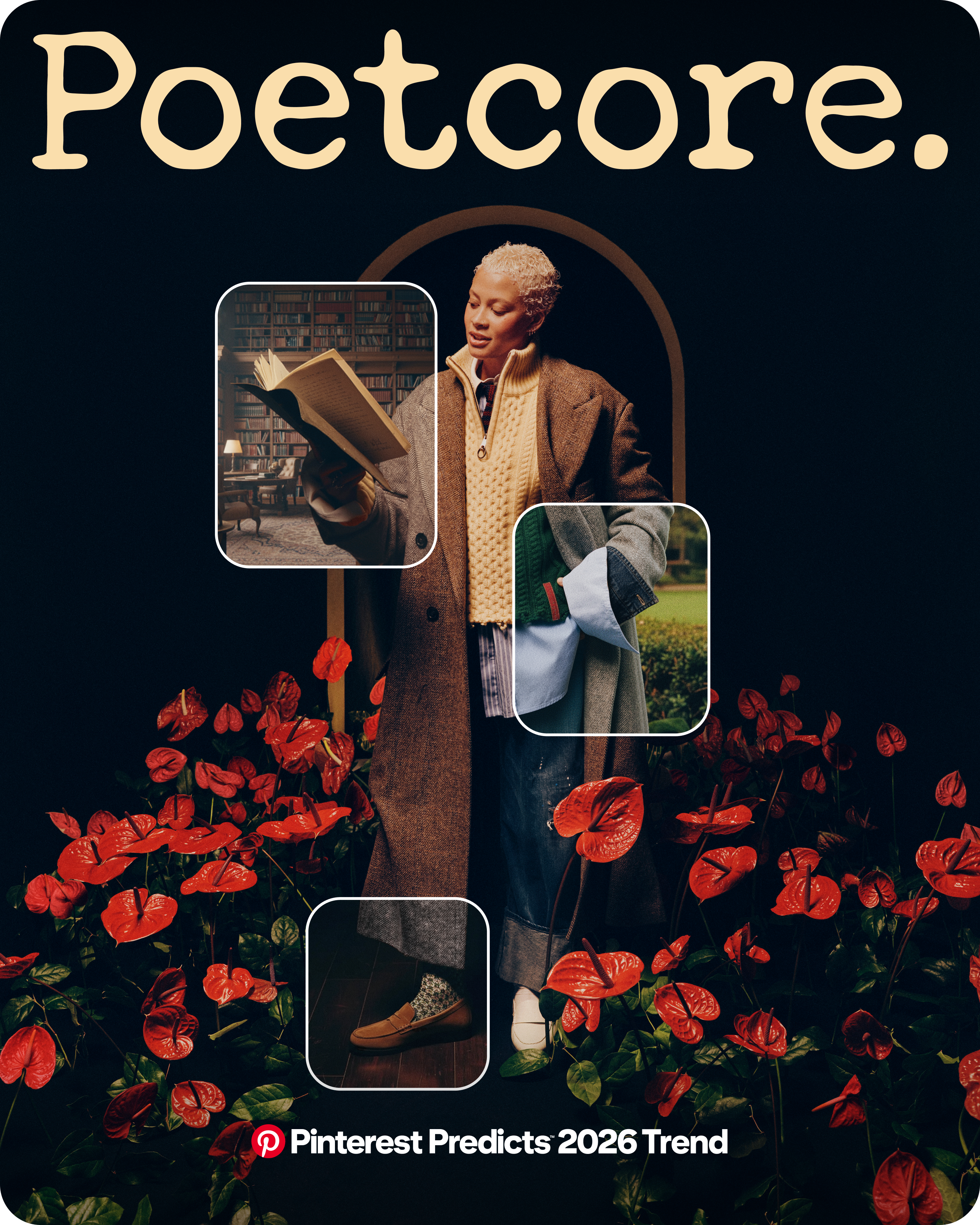
Examples of this include the rise of Afro-Bohemian style, which blends African influences with boho aesthetics in decoration and interior design, and Glamoratti, a revival of 80s maximalist luxury with exaggerated shoulder pads and gold jewelry. Also noteworthy are Pura Poesía, which romanticizes the figure of the writer as a lifestyle, and Neodéco, a contemporary reinterpretation of Art Deco with bold geometries and metallic finishes.
Personal expression becomes even more explicit in trends like Asymmetrical Beauty, which deliberately rejects perfection, or Gold Brooch, where men incorporate vintage brooches and heirloom jewelry as an emotional and aesthetic statement. The message is clear: authenticity lies in imperfection and personal history.
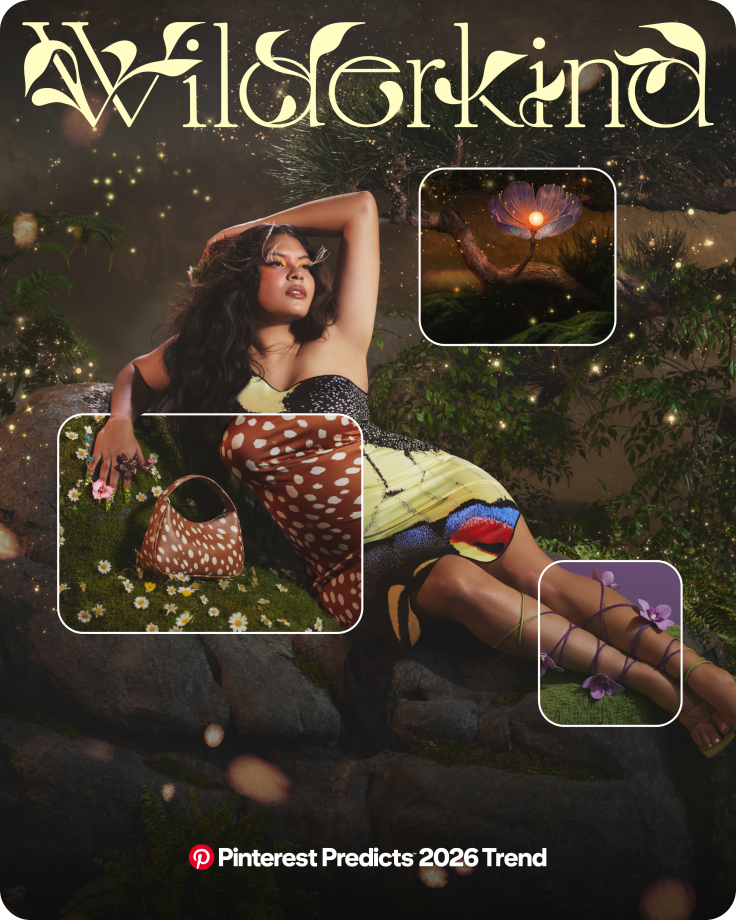
The report's third theme, defined as "down-to-earth optimism," addresses collective emotional exhaustion. Faced with stress and burnout, creative escapism becomes a legitimate resource. Generation Z, in particular, is 38 percent more likely to use fashion and beauty as a means of emotional connection.
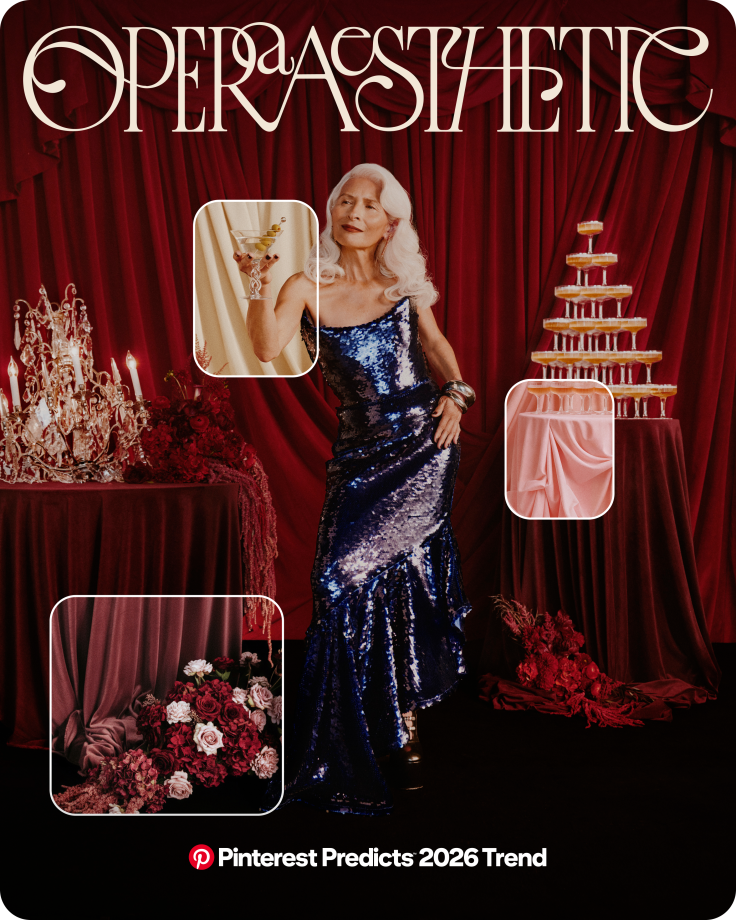
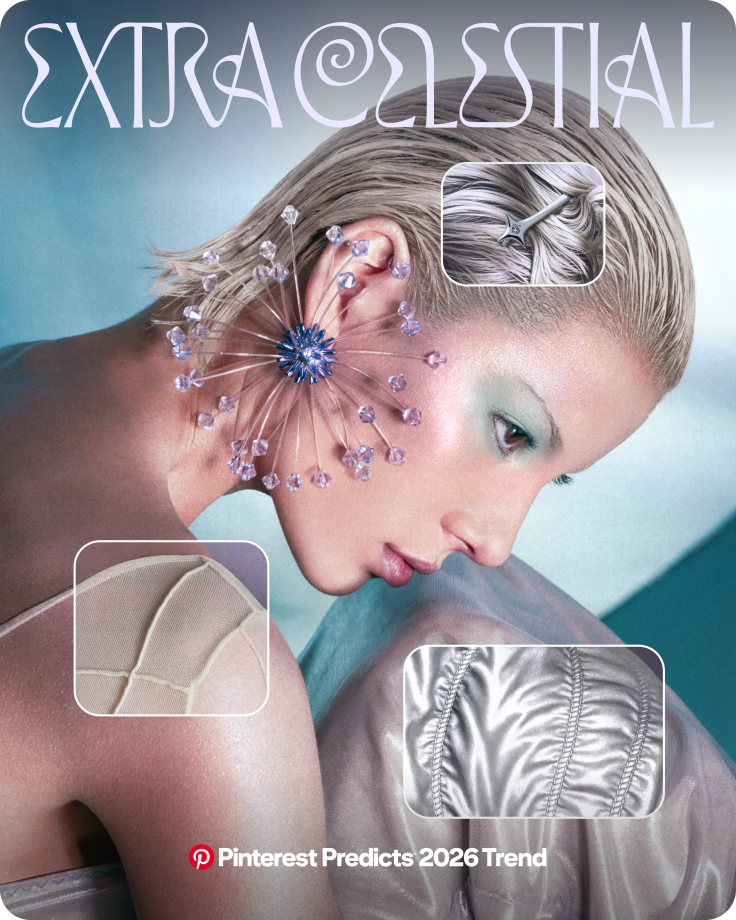
Here we see trends like Sub-Zero Blue, a cold and glacial aesthetic that pervades fashion and makeup; Extra Celestial, inspired by space and futuristic imagery; and Opera Party, which brings the drama of classical theater to social gatherings and celebrations. In travel, the contrast is stark between Mystic Destination, which prioritizes ethereal and symbolically rich places like the Salar de Uyuni or the Scottish Highlands, and Adrenaline Destination, focused on intense experiences and high-risk tourism.
Pinterest highlights that 66 percent of the trends for 2026 are driven by Generation Z, though their impact transcends all age groups. With an 88 percent accuracy rate over the past six years, the platform insists that these predictions don't describe mere passing fads, but rather profound shifts in how people seek to feel safe, seen, and emotionally secure.
In 2026, the report concludes, what will set the trend will not be what shouts the loudest, but what allows you to be yourself without asking permission.
© 2025 Latin Times. All rights reserved. Do not reproduce without permission.