Pink tentacles and fluorescent anemones in Kimmeridge Bay – in pictures
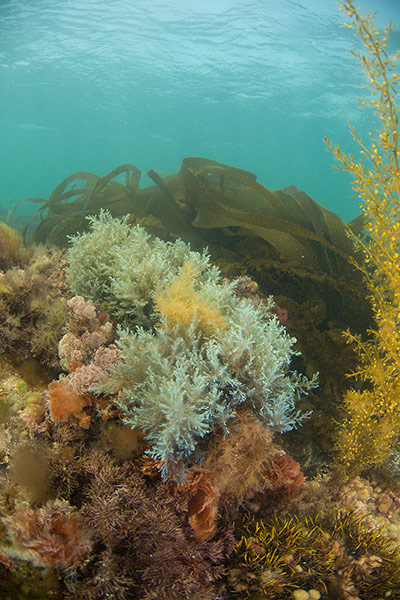
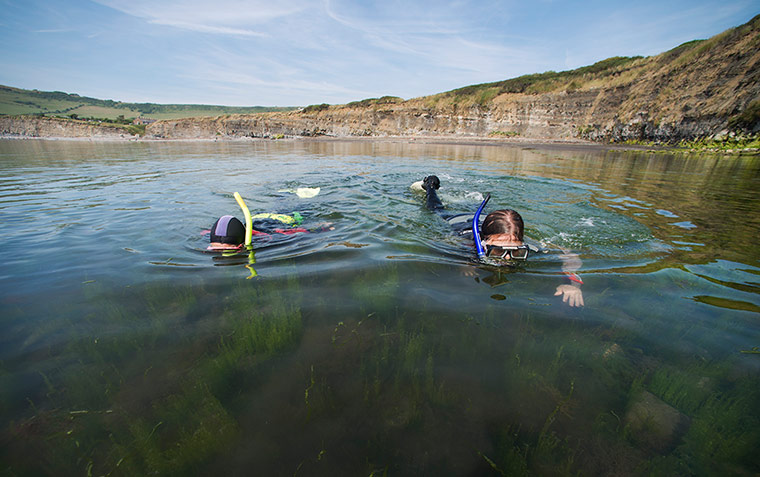
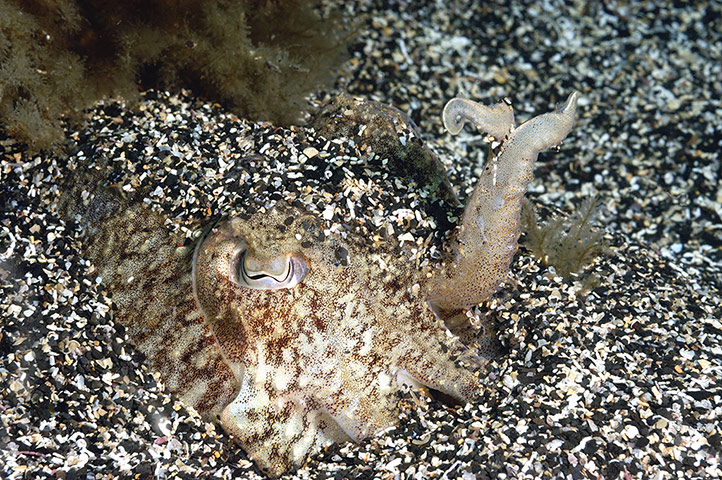
Blue-green magic seaweed, tall Japanese seaweed, dark blades of kelp and many more flourish in Kimmeridge Bay due to the firm hold available on the rocky sea floor Photograph: Christine Roberts/AlamyDamian Carrington (right) and Dorset Wildlife Trust's Julie Hatcher set out on the snorkel trail in Kimmeridge Bay in July 2013Photograph: Peter Willows/BNPSCuttlefish are fierce predators and follow divers in Kimmeridge Bay hoping they will dislodge a fish or crab to attackPhotograph: Steve Trewhella/Alamy
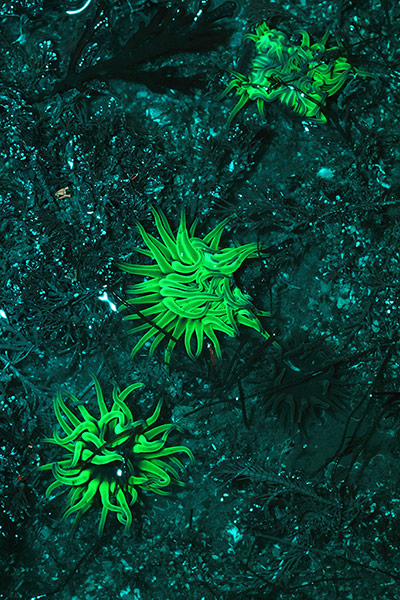
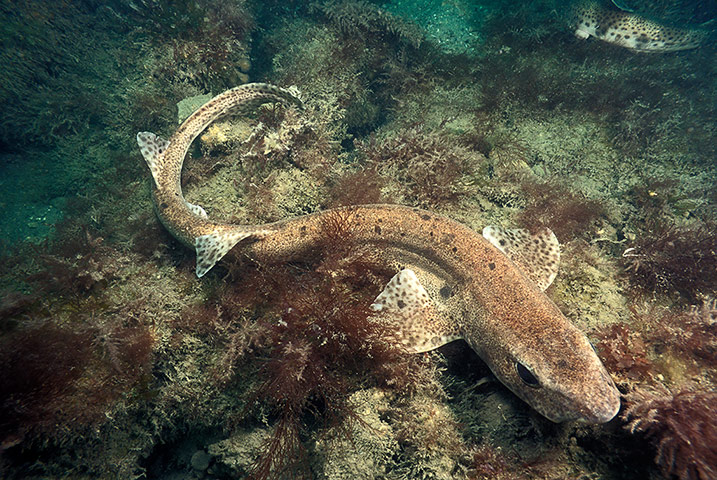
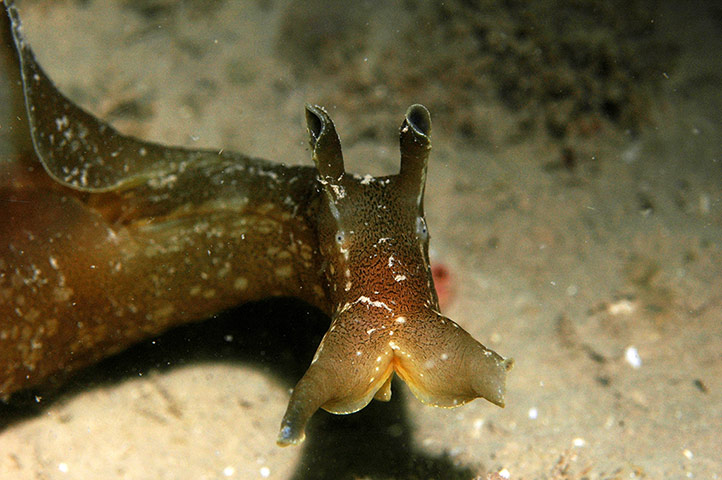
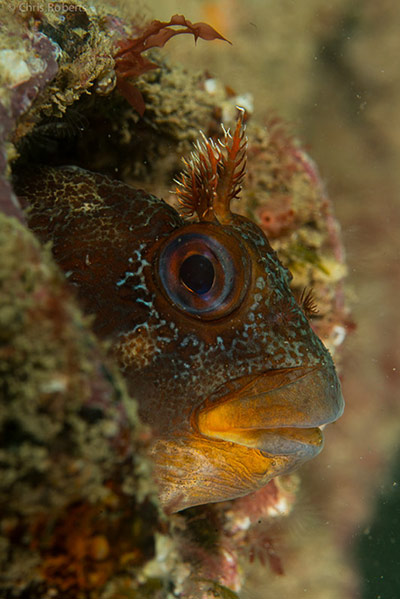
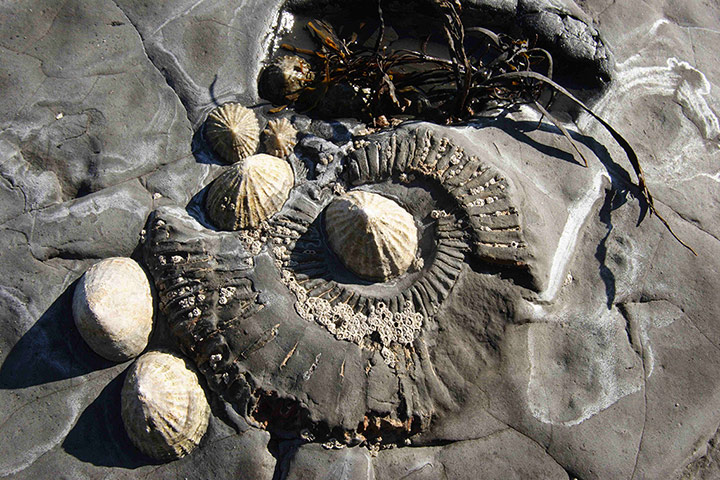
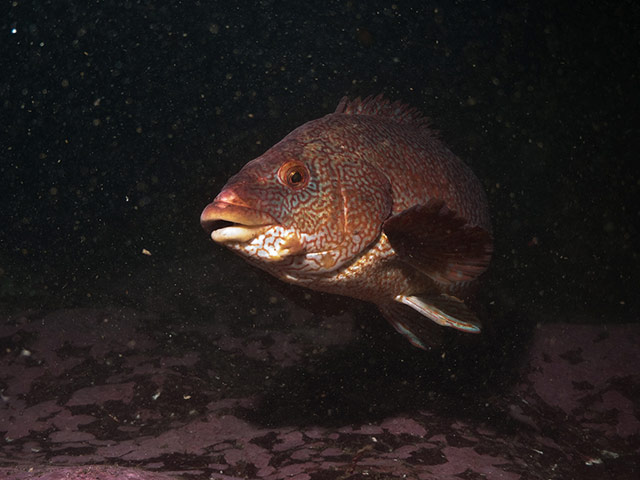
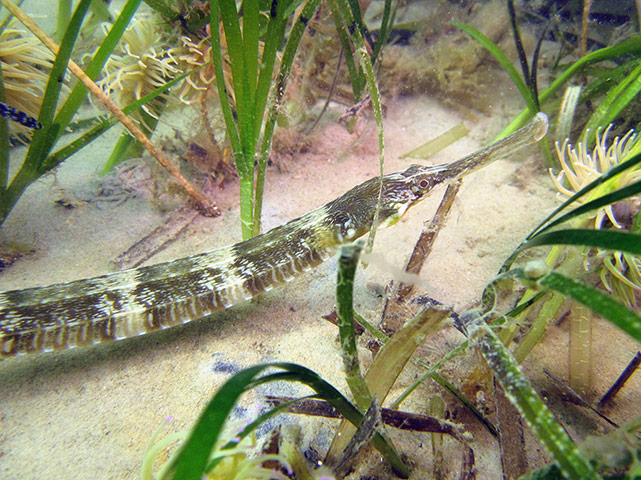
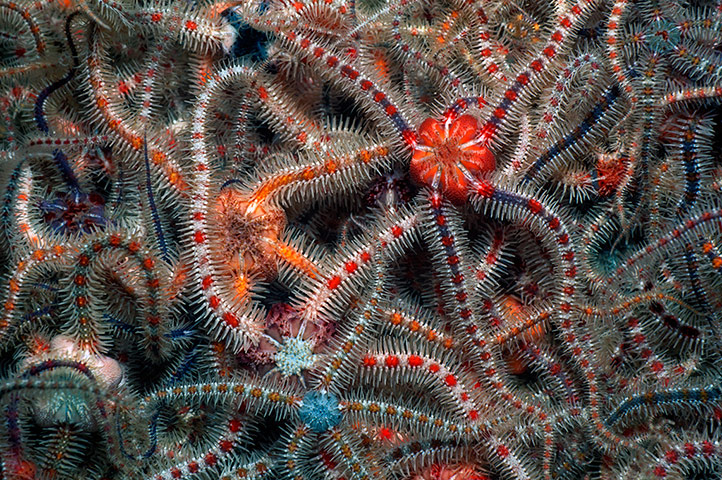
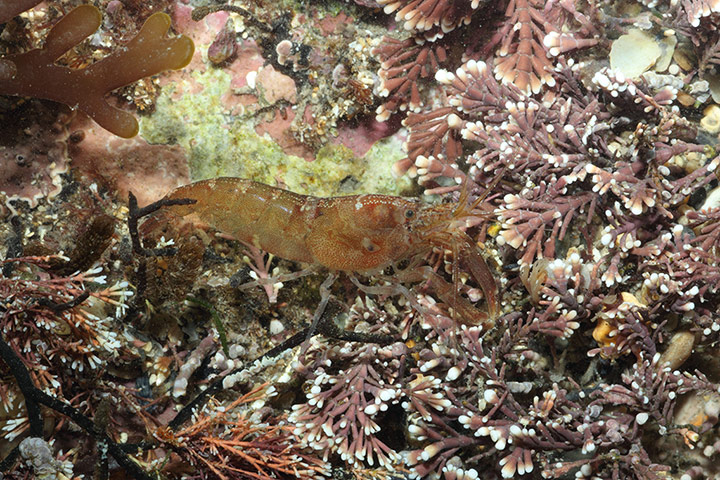
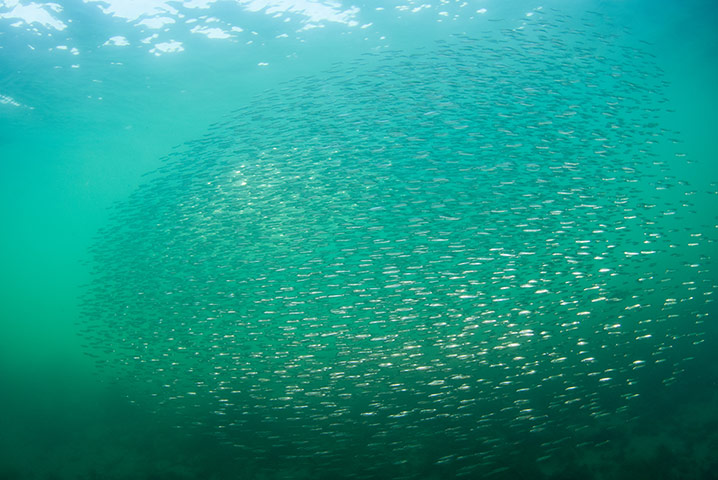
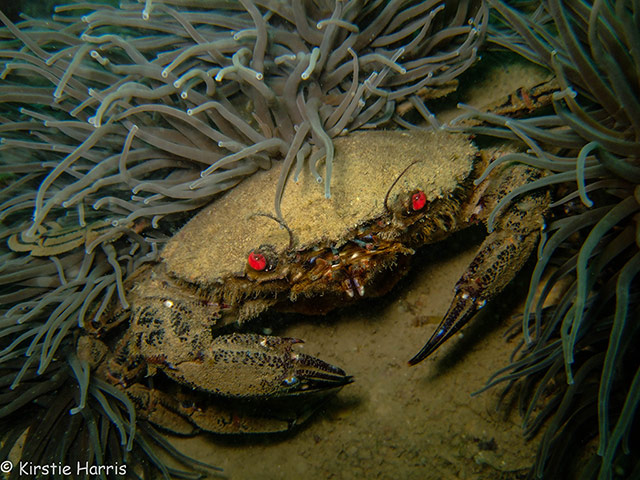
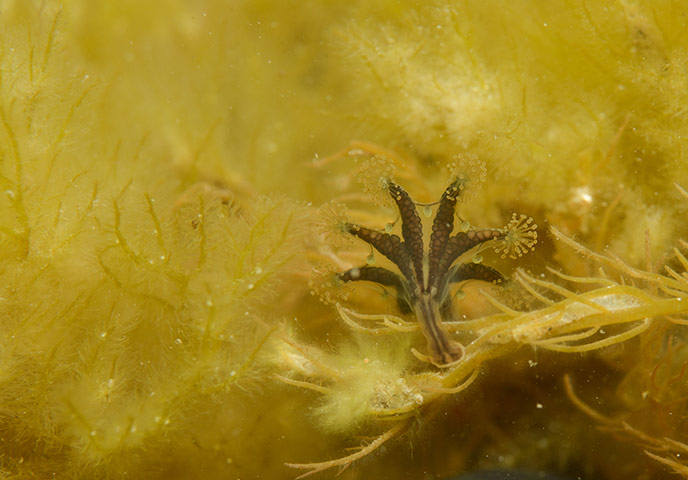
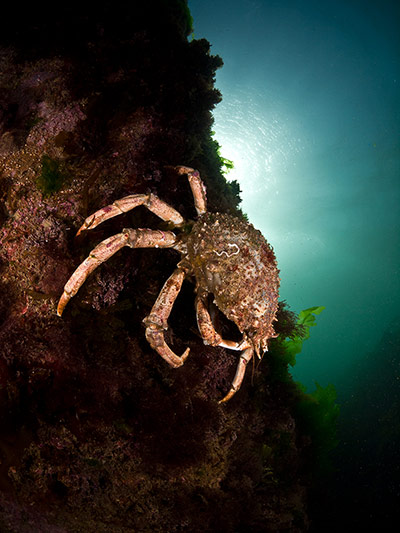
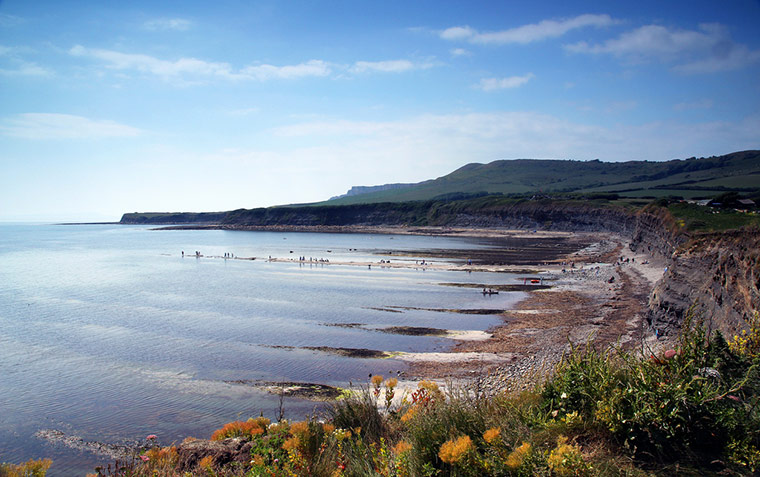
Snakelocks anemones, here showing fluorescence, are common in Kimmeridge Bay and will grasp at swimmers' fingersPhotograph: FLPA/AlamyThe Wildlife Trust's marine centre at Kimmeridge Bay has raised lesser spotted catsharks in tanks from eggs washed ashore, before releasing them back to the seaPhotograph: Paul Kay/Getty ImagesSea hares - a type of sea slug - produce bright pink egg strings that look like the silly string squirted at parties Photograph: Paul Aldersley/The Wildlife TrustsTompot blennies like to hide in crevices in the rocky sea floorPhotograph: Christine Roberts/Green Shoots/FlickrLimpets, here on an ammonite fossil in Kimmeridge Bay, hold fast during the day, but graze at night on algae growing on the rockPhotograph: Steve Trewhella/AlamyBallan wrasse are among the biggest common fish in Kimmeridge Bay, measuring up to 50cm longPhotograph: Peter Bardsley/Green Shoots/FlickrPipefish can be seen in Kimmeridge Bay and are closely related to sea horses Photograph: Julie Hatcher/The Wildlife TrustsBrittlestars move over the sea bed using their flexible armsPhotograph: Paul Kay/Getty ImagesHooded shrimps can be speckled red, green-blue, or transparent in colourPhotograph: FLPA /AlamySandy patches in Kimmeridge Bay attract schools of sand eels Photograph: Chris Roberts/The Wildlife TrustsThe velvet swimming crab's red eyes serve as a warning of its aggressive naturePhotograph: Kirstie Harris/The Wildlife TrustsStalked jellyfish spend their entire lives attached to rocks and live near to shorePhotograph: Christine Roberts/AlamySpider crabs, along with harbour crabs and brown crabs, are common in Kimmeridge BayPhotograph: Dan Bolt/The Wildlife TrustsKimmeridge Bay was one of 127 marine conservation zones proposed by a two-year consultation that ended in 2012, but is not among the 31 that ministers have said they may designate in 2013Photograph: touie2/Green Shoots/Flickr
Sign up to read this article
Read news from 100’s of titles, curated specifically for you.