Ever ponder how long commonplace home furnishings like mattresses, pillows, and cutlery last? Although certain products might appear robust, specialists caution that failing to swap out specific materials can result in health complications like infections or breathing difficulties. Here are some common things that need replacements and all the specifics of when and why you should part with these necessities to maintain a clean and healthy home.
The germs and bacteria in our houses can multiply even with frequent cleaning. Particularly vulnerable are places like the kitchen and bathroom that are prone to moisture. Not replacing home goods can raise the risk of infections and other health issues. Utilising some products over their expiration date - like nonstick cookware or plastic containers - can expose us to dangerous chemicals that have been connected to hormone disruption and even cancer.
Knowing when to replace household items is crucial for maintaining a clean and safe environment. Here are some common items and recommendations on when to say goodbye to them;
Plastic storage containers
Replace every: 2-3 years
Over time, plastic containers can develop cracks and scratches, providing breeding grounds for bacteria. Go for glass containers as a safer alternative.
Kitchen sponges
Replace every: 1-2 weeks
Sponges are notorious for harbouring bacteria, especially when they remain damp. Consider microwaving damp sponges for 1 minute daily to kill germs, or switch to reusable silicone scrubbers.
Cutting boards
Replace every: 1-2 years
Deep cuts and scratches on cutting boards can trap bacteria, making them difficult to clean effectively. Consider using separate cutting boards for raw meat, poultry, and vegetables to prevent cross-contamination.
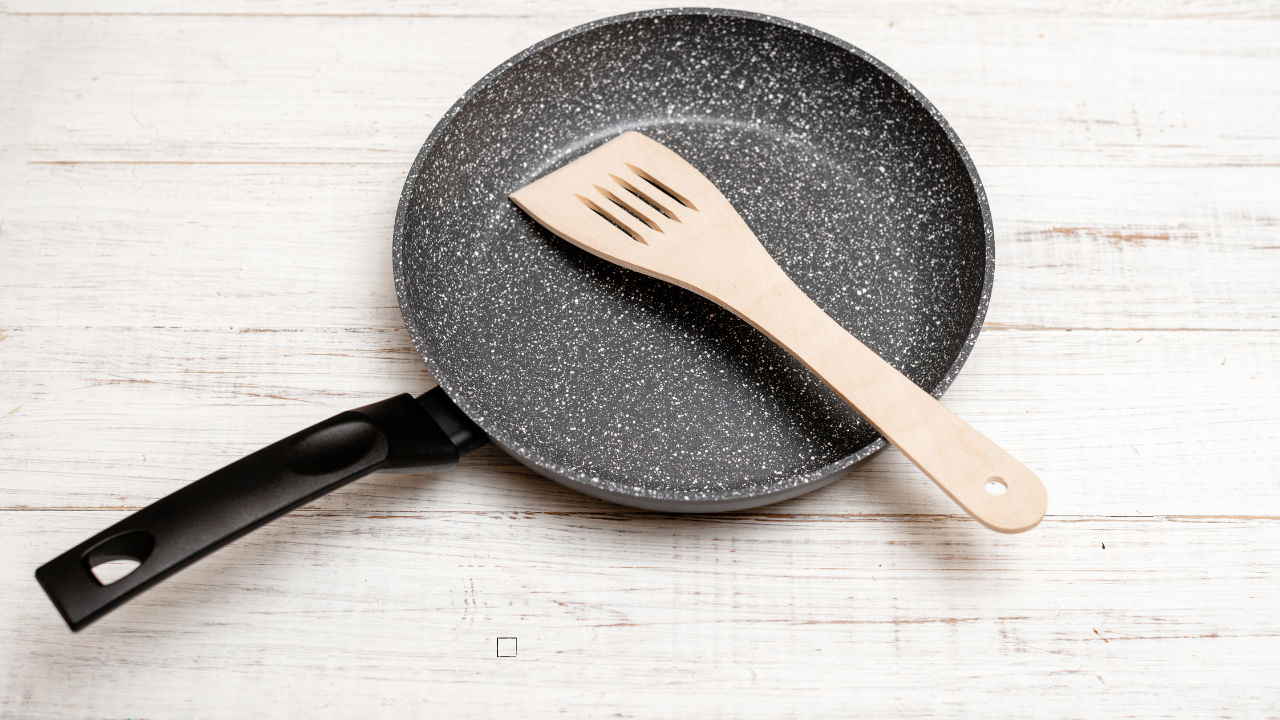
Non-stick pans
Replace every: 3-5 years
As non-stick coatings wear down over time, they can release harmful chemicals into food. Invest in high-quality pans and avoid overheating them to prolong their lifespan.
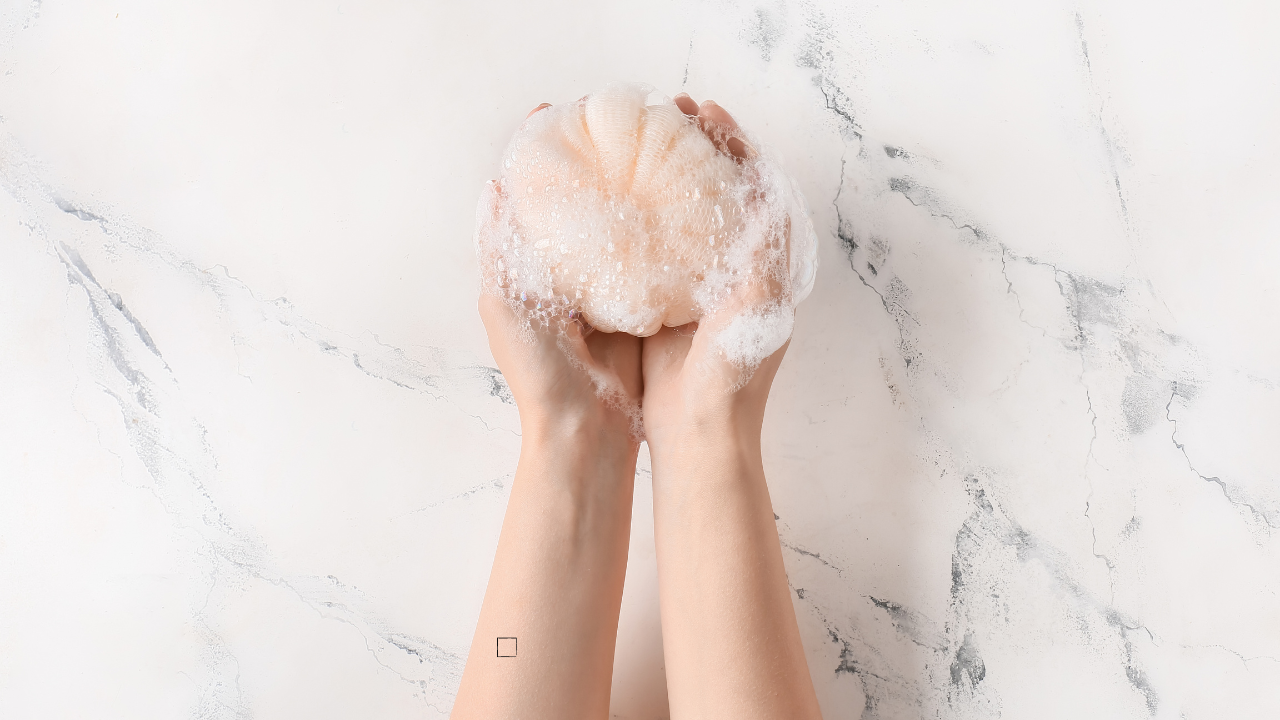
Loofahs
Replace Every: 3-4 weeks
Loofahs can quickly become breeding grounds for bacteria and mould due to their moist environment. Go for natural alternatives like washcloths or replace loofahs regularly.
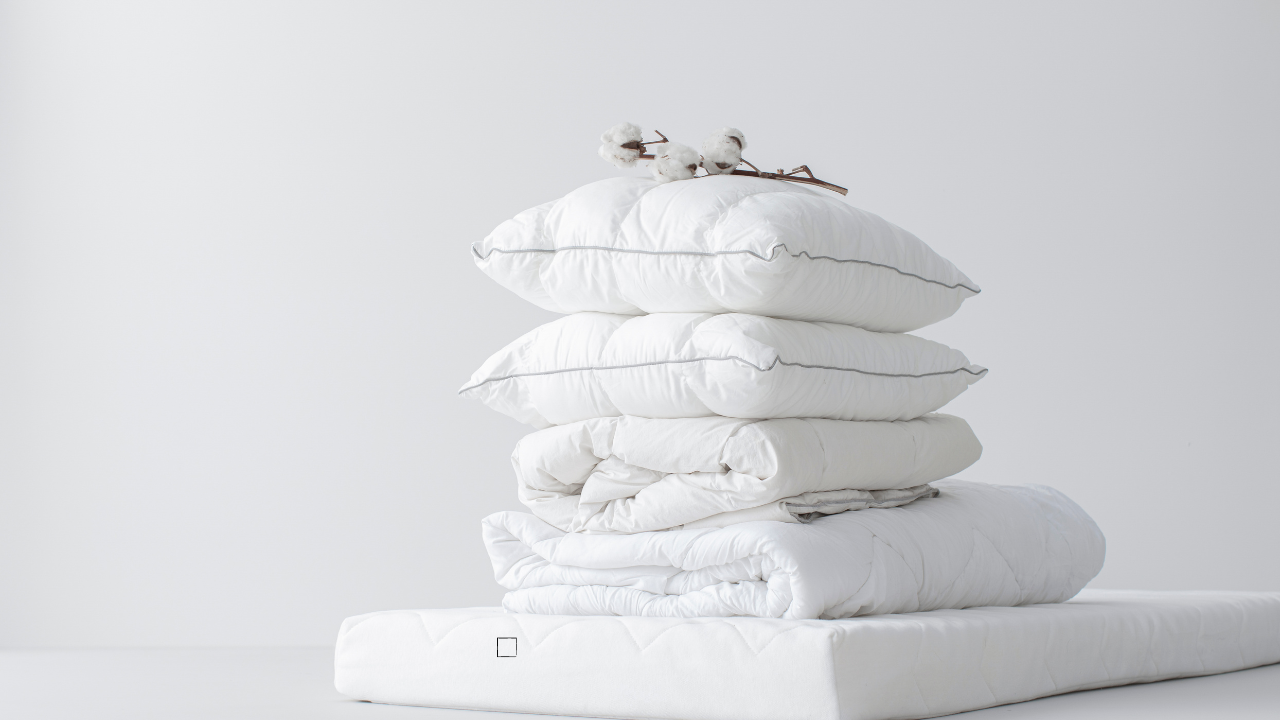
Pillows
Replace every: 1-2 years
Pillows accumulate dead skin cells, dust mites, and sweat over time, leading to allergies and respiratory issues. Use pillow protectors and wash pillowcases regularly to extend their lifespan.
Mattress
Replace Every: 7-10 years
Mattresses collect dust mites, allergens, and bacteria, contributing to poor sleep quality and allergies. Rotate and flip mattresses regularly, and use mattress protectors to prolong their lifespan.
Carpet
Replace every: 10 years
Carpets trap dust, pet dander, and allergens, leading to respiratory issues and allergies. Vacuum carpets frequently and consider steam cleaning annually to maintain cleanliness.