Pictures of the week: What I Be, by Steve Rosenfield
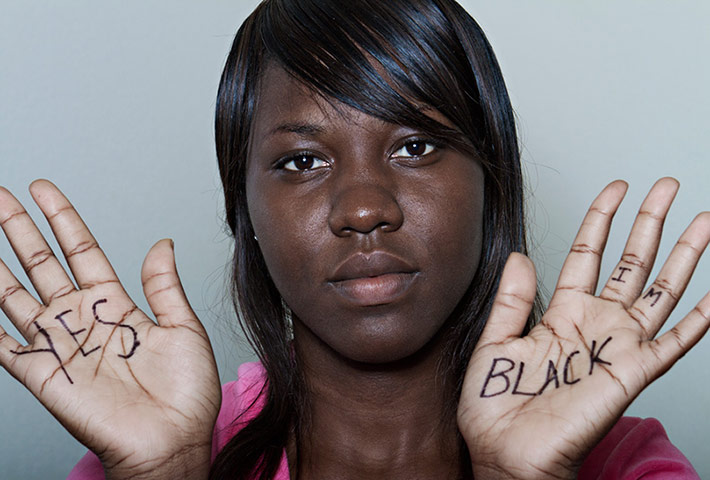
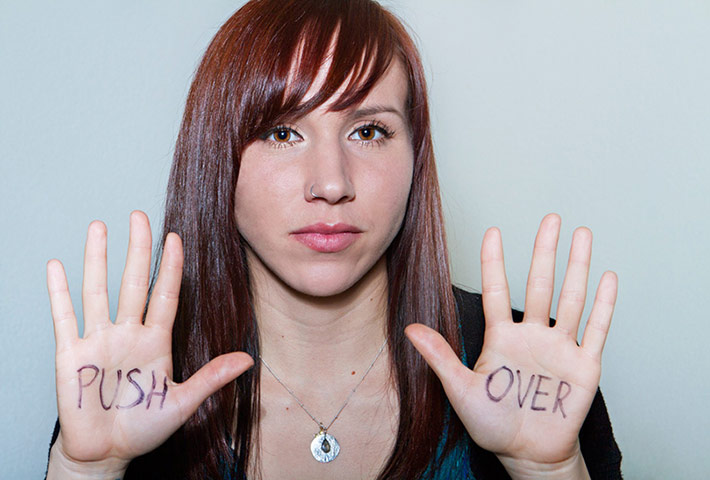
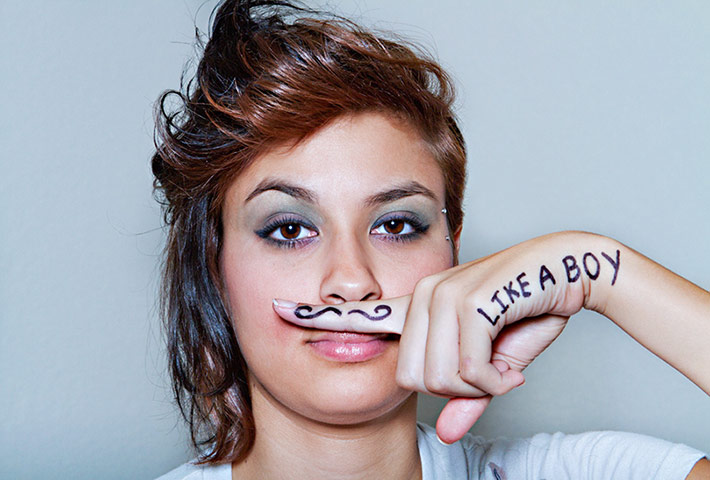
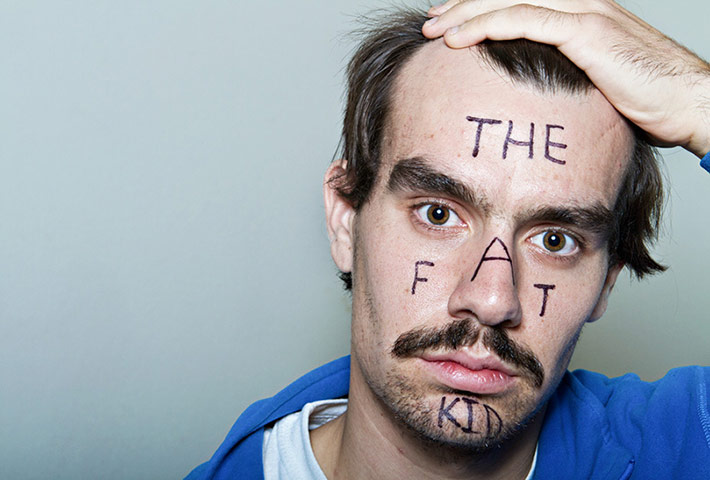
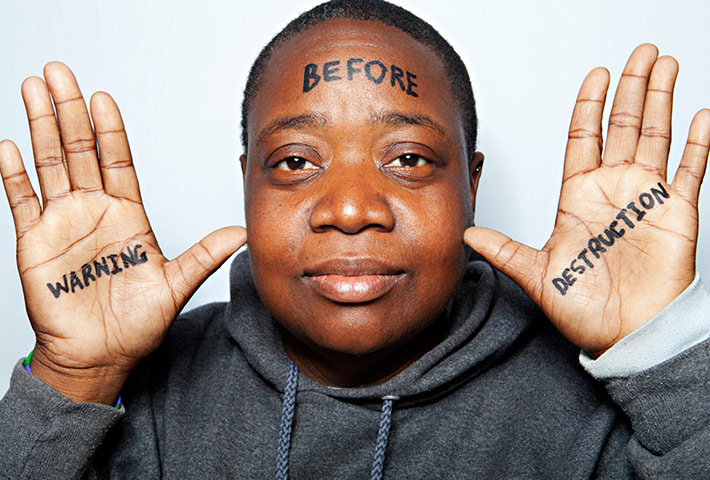
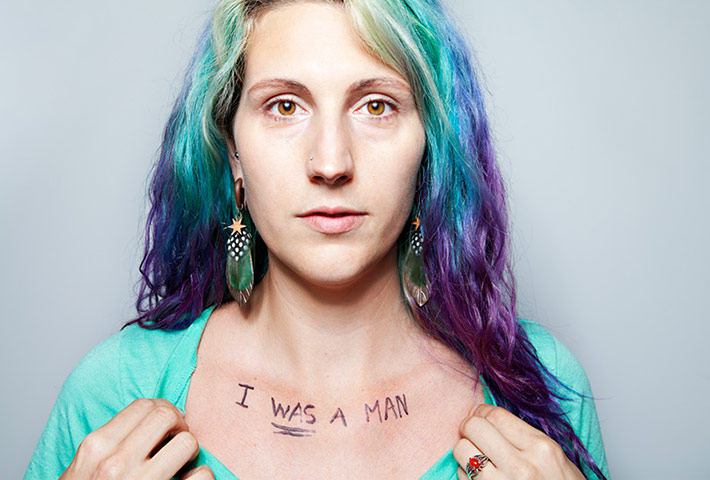
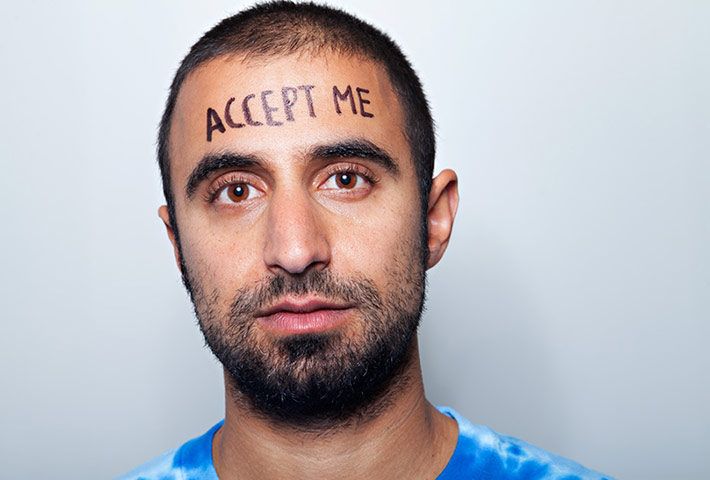
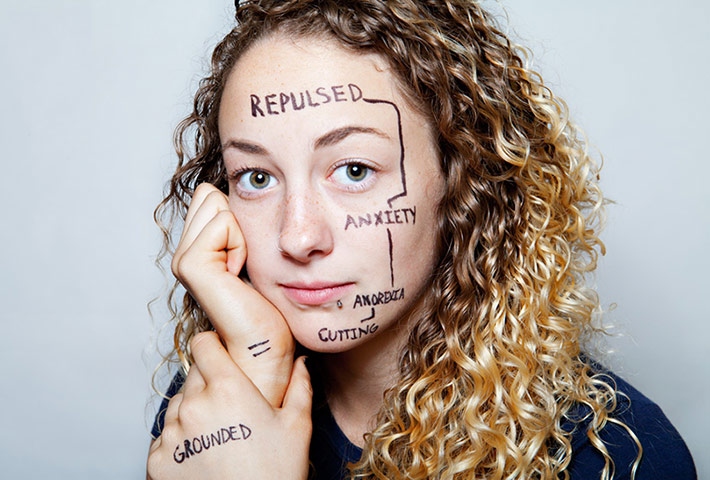
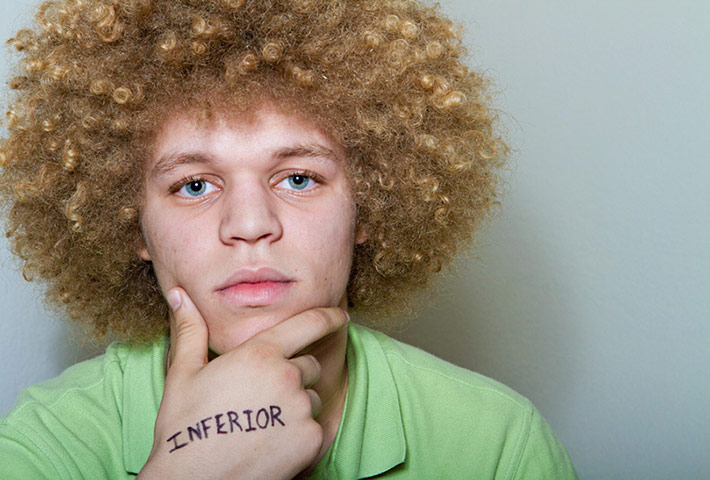
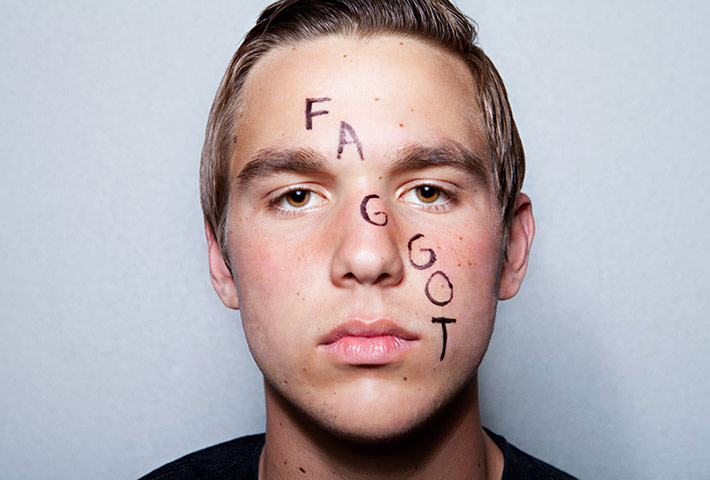
Some of us have our secrets and insecurities writ large across our faces: inferiority, neediness, loneliness.Photograph: Steve RosenfieldThe hundreds of participants in photographer Steve Rosenfield’s ongoing project have resorted to felt-tipped pen.Photograph: Steve RosenfieldVolunteers spend 45 minutes talking to Rosenfield – 'It’s like a therapy session' – before being instructed to complete the following sentence: 'I am not my...' They then translate these deeply felt truths and anxieties into pithy statements, which they write on their faces and arms. Photograph: Ganesh Photography/Steve Rosenfield
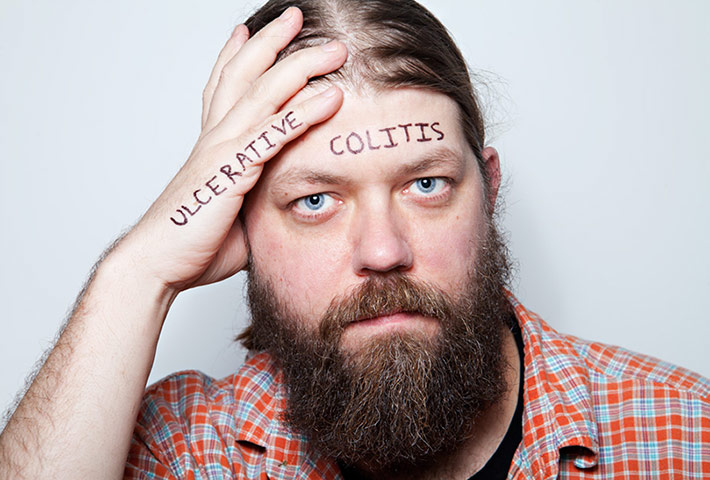
Thus the man displaying 'ulcerative colitis' wrote, 'I am not my chronic illness'; Photograph: Steve Rosenfieldand here, the subject wrote, 'I am not my eating disorder.'Photograph: Steve RosenfieldThe power of the images, Rosenfield says, lies in their intimacy; most of us can identify with some of the descriptions. If any intrigue you, delve into his online archive at whatibeproject.com and read the subjects’ personal statements. Photograph: Steve RosenfieldThe best are illuminating. But the project’s greatest strength is its size – a mass of humanity, each person with their individual hang-up on display. Photograph: Steve RosenfieldRosenfield focuses on the negative because the project stems from his own experiences. About 12 years ago, in his mid-20s, he was working in IT in Boston, Massachusetts, 'earning good money, in and out of relationships, really materialistic and never letting anyone know my feelings', he says. 'I wasn’t happy.'Photograph: Steve RosenfieldHe left his job, travelled the world, and started to open up about himself. Almost instantly, his relationships improved and he turned this simple notion into a photography project. Photograph: Steve RosenfieldFaces are straight, expressions serious: 'They draw you in more than smiles.' Photograph: Steve RosenfieldAt its heart, he says, it’s a social experiment. So what are his conclusions? 'That we all want to tell our story. And that it’s OK to do so.'