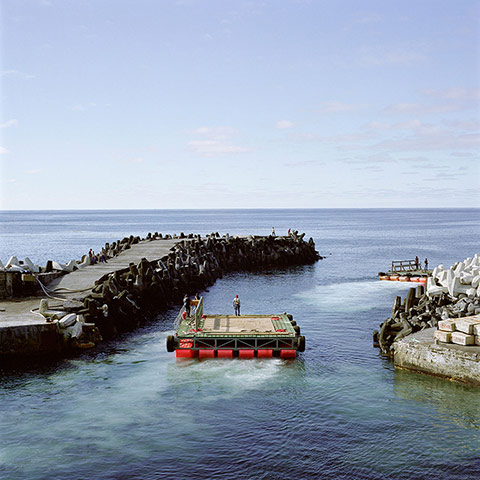
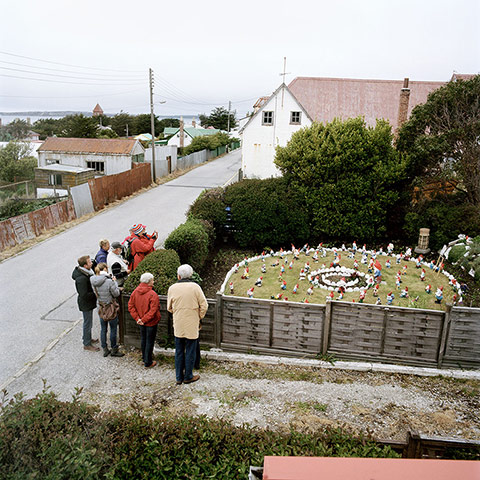
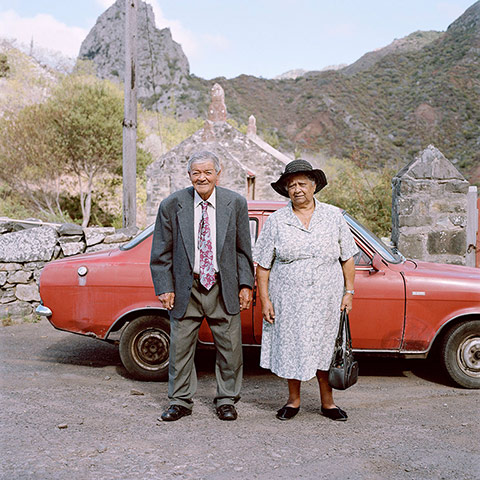
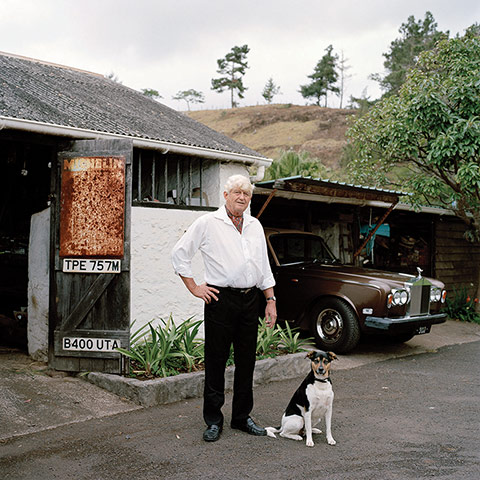
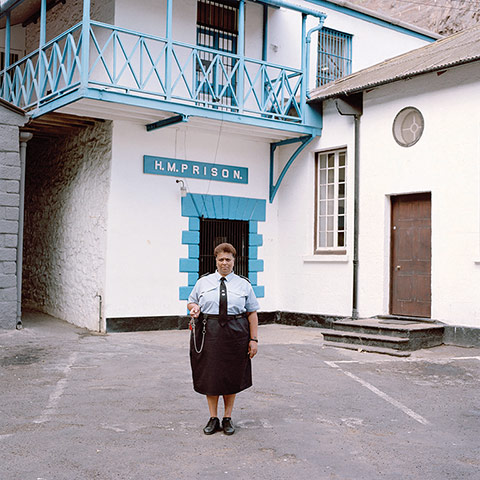
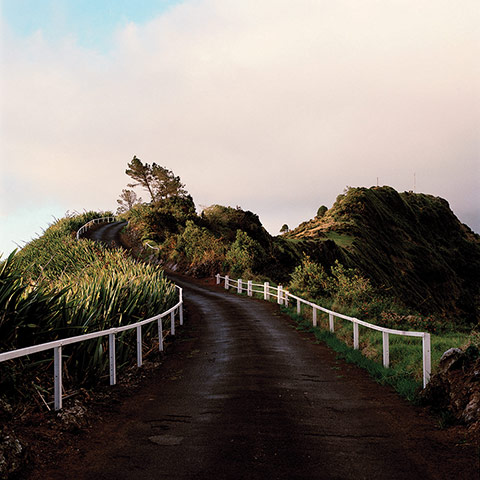
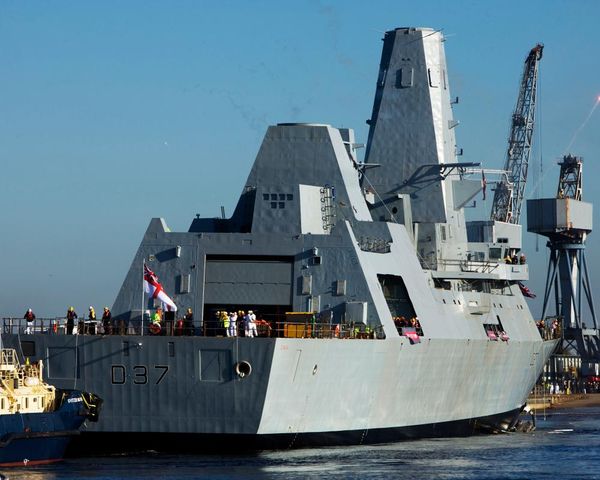
Tristan da Cunha and St Helena are two of the world’s most remote islands, and the once-formidable British Empire’s most far-flung outposts.→Photograph: Jon TonksThey may be pinpricks in the South Atlantic, as far removed geographically from mainland Britain as possible, but both, along with the Falkland Islands and Ascension Island, still carry more than a whiff of colonialism.→ Photograph: Jon TonksOver six years, Jon Tonks documented all four islands, photographing the people, the landscapes and the imperial traces that remain – from Royal Mail postbags and portraits of Her Majesty to Georgian architecture and meadows dotted with sheep.→ Photograph: Jon Tonks
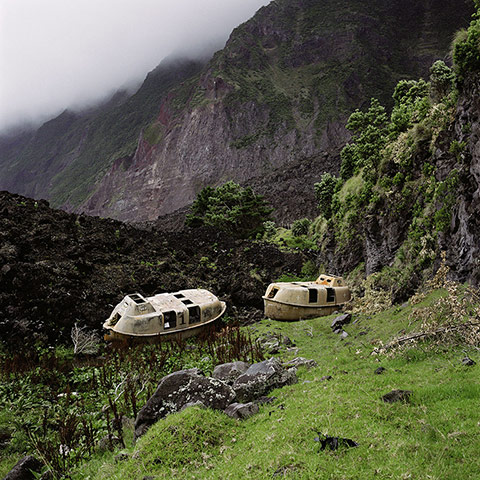
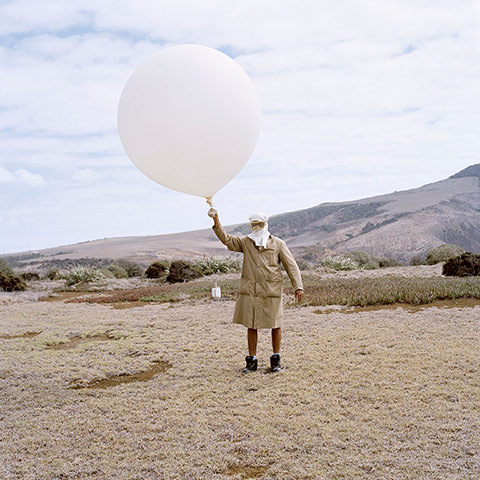
But his aim wasn’t to depict the islands as nostalgic bastions of the empire; he simply wanted to discover who lives here and what their lives look like.→ Photograph: Jon TonksThese lifeboats were washed up on Tristan da Cunha from an oil rig that sank after breaking loose from a vessel towing it across the Atlantic. The island, with its population of just over 250, is like a small British village: it has, among other things, a school, post office, swimming pool, two churches, a museum, an internet cafe – and one policeman. Its capital is Edinburgh of the Seven Seas; post for here regularly ends up in Scotland.→ Photograph: Jon TonksMarcus Henry is manager at St Helena’s weather station. He’s worked there since 1976. Jobs on the island are scarce and many people left in the 1980s to find work on nearby Ascension Island or the Falklands.→ Photograph: Jon TonksBut they are slowly returning: a much-anticipated airport, due to open in 2016, is not only creating jobs, but should enable St Helena to become a self-sustaining economy, thanks to the expected increase in tourism.→Photograph: Jon TonksTo travel there today takes five days on a Royal Mail ship from Cape Town. An arduous – but, says Tonks, fun – trip and one that might be worth it before the island’s face changes for ever.
Empire is published by Dewi Lewis at £30; go to www.jontonks.com/book/ for details. Photograph: Jon Tonks
Sign up to read this article
Read news from 100’s of titles, curated specifically for you.