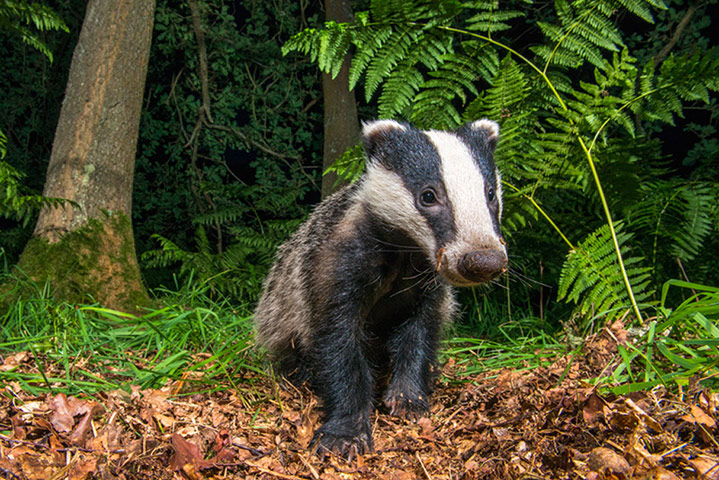
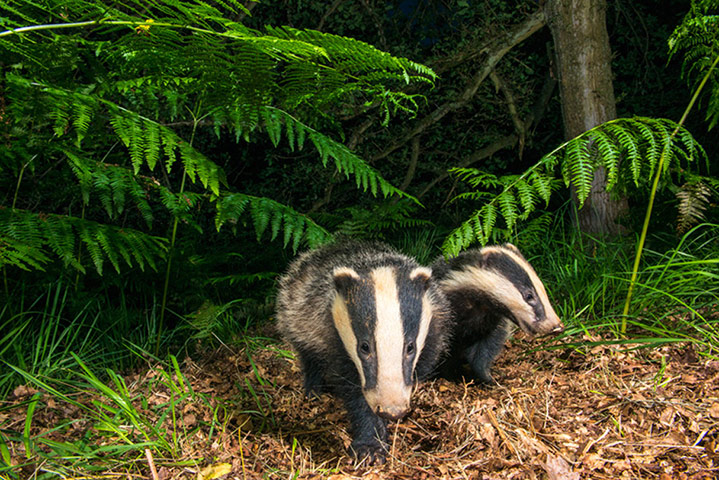
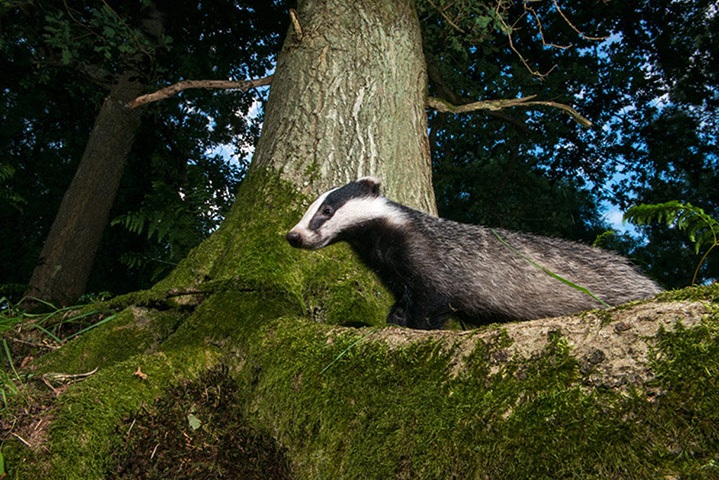
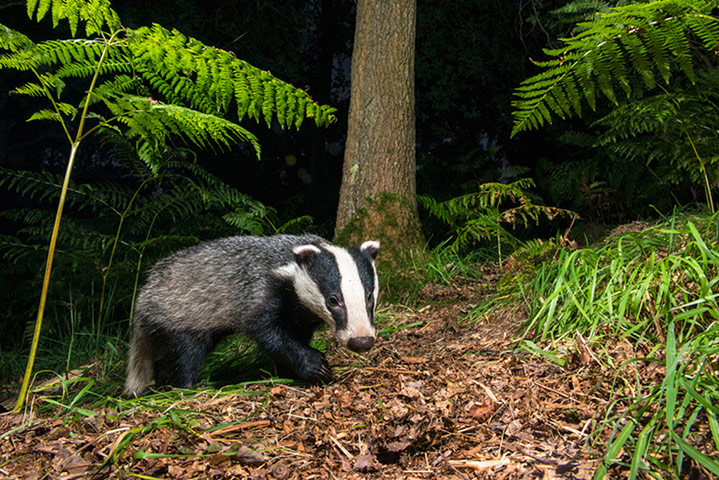
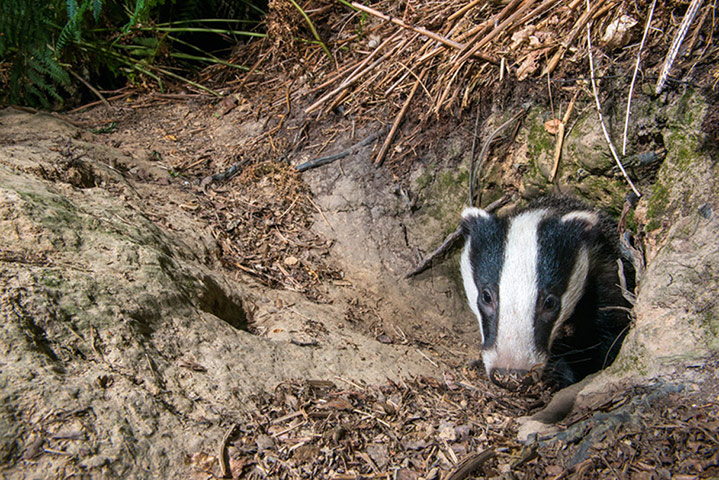
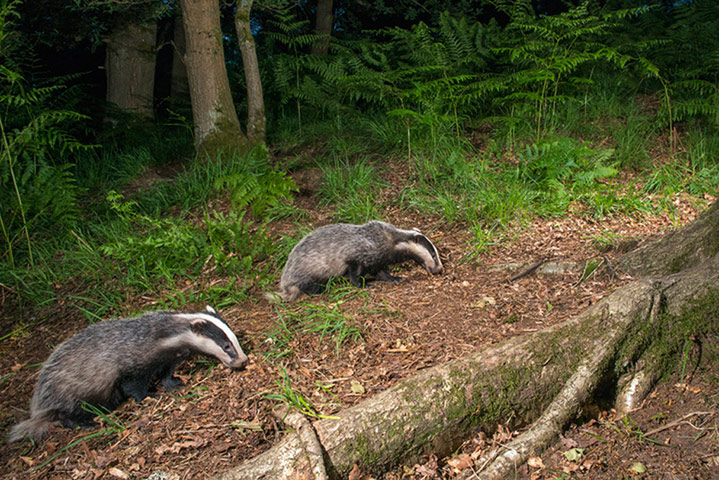
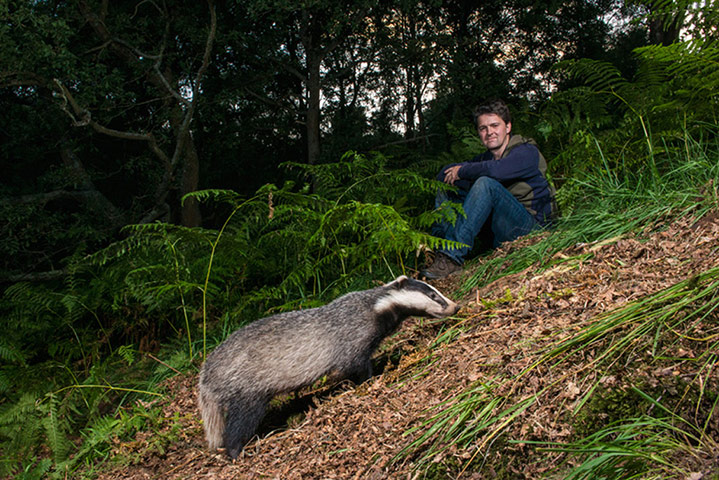
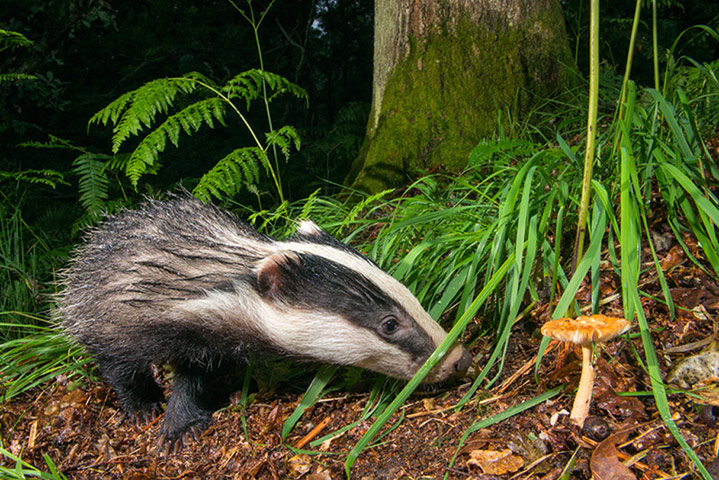
How many of us have seen a live badger in the wild? While we have driven more formidable mammals to extinction, the badger has endured as Britain’s biggest surviving carnivore because it is so elusive. →Photograph: James WarwickAfter years of failing to see a wild one, when I finally got to admire a badger in our countryside, it appeared every bit as exotic as going on safari and spying a zebra.→ Photograph: James WarwickThe wildlife photographer James Warwick spent two decades in East Africa pursuing big game with his camera, before turning to more humble animals when he moved to the edge of Ashdown Forest in East Sussex.→Photograph: James Warwick
To his surprise, he found tracking native wildlife in a wood 35 miles from central London just as inspiring. And more difficult. 'You have to rethink everything you do,' he says. 'Wildlife is much shyer and there is less of it here. You can’t drive around in a Land Rover and do opportunistic stuff. You have to dig in.'→Photograph: James WarwickThis summer, Warwick began staking out a sett. Like the naturalists who began badger-watching in the 1950s, he found that no fancy technology was better than the simple investment of time: 60 hours of watching, in fact, until suddenly two cubs became accustomed to his smell and began to accept him.→Photograph: James WarwickWarwick’s unusually intimate shots were a product of this friendship, and some modern technology: he used a wide-angle lens and, at times, the camera was no more than 50cm from the badger’s expressive nose.→ Photograph: James WarwickHow did it compare with an African safari? 'Of course there’s a buzz seeing an amazing carnivore like a leopard, but in terms of a memorable natural history experience, I’d put this way up there.'→Photograph: James WarwickBadgerlands, by Patrick Barkham, is published by Granta at £18.99. To see more of James Warwick's work, go to jameswarwick.co.ukPhotograph: James Warwick
Sign up to read this article
Read news from 100’s of titles, curated specifically for you.