Edinburgh
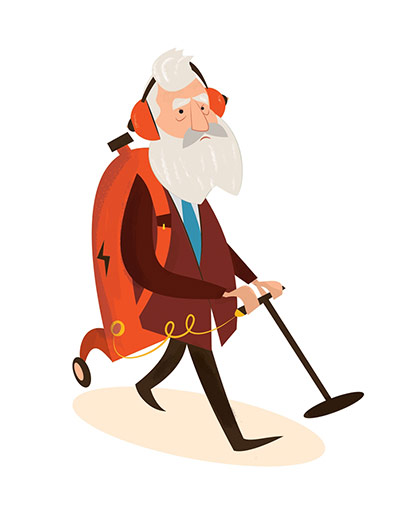
Bell patented the telephone in 1876. Five years later, he devised an electrical device that served as a metal detector that he hoped would locate a bullet in US president James A Garfield after he was shot. But the president was on a bed with metal springs, which made detecting the bullet impossible Photograph: Laszlito
New Jersey
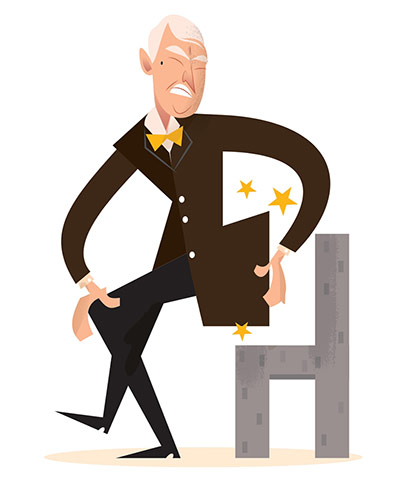
With more than 1,000 patents to his name, one of Edison’s less successful ventures was mass-produced, ready-made concrete houses, complete with concrete furniture, including a piano and phonograph cabinet. The plan collapsed when he encountered difficulties in trying to develop the molds Photograph: Laszlito

Birmingham/Bristol
Guppy most notably patented a way of making suspension bridges safer by improving the design of the piles that form their foundations. A friend of Isambard Kingdom Brunel and Thomas Telford, she also designed a four-poster bed with built-in exercise apparatus. Drawers beneath it doubled as steps, while a set of springs, rollers and bars meant exercise could be done without getting up Photograph: Laszlito
Tokyo
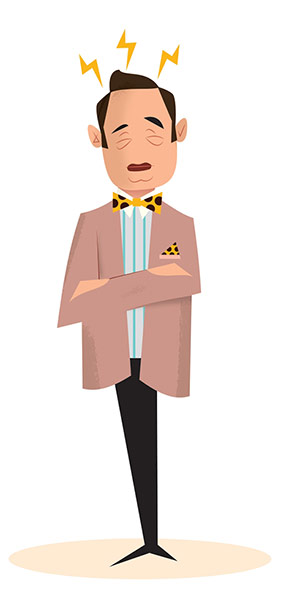
Yoshiro Nakamatsu, or Dr NakaMats, has more than 3,000 patents. “Japan’s Edison” claims to have invented the floppy disc in the late 1940s to improve music quality but also boasts an IgNobel for photographing and mulling over his meals every day for 34 years Photograph: Laszlito

Croatia/New York
Hailed as responsible for the rise of AC electricity in the US, Tesla also had plans for a particle-beam gun. Unveiled when he was 78, it was designed to send particles with such precision they could destroy an object 200 miles away. The idea never came to fruition Photograph: Laszlito

Philadelphia
Beasley’s fortune was made by her invention of a machine that sped up construction of wooden barrels. She also patented her improvement of a heated foot rest in 1878, which reduced the chances of the lamp inside overturning and the device catching fire Photograph: Laszlito
Scotland/Sussex
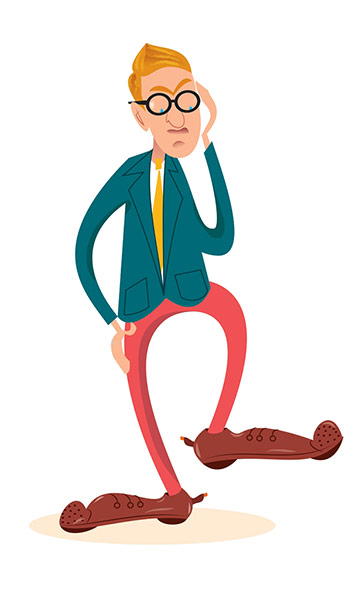
Inventor of the world’s first television, and responsible for the first transatlantic TV signal in 1928, Baird had some less successful endeavours. He often suffered from ill health and his pneumatic shoes, which he hoped would ease walking pains from his flat feet, contained half-inflated balloons – which burst on their first use Photograph: Laszlito