
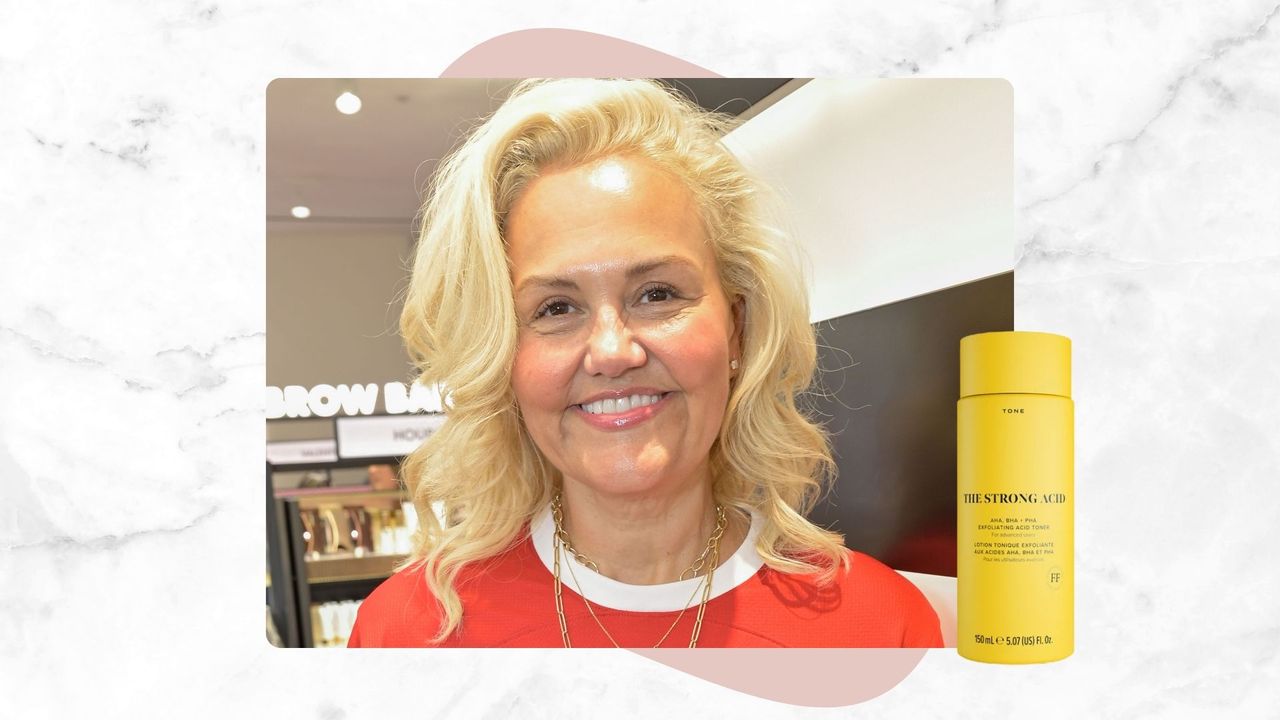
Retinoids have long dominated the conversation around menopausal skincare, but Caroline Hirons believes acids deserve just as much attention.
Speaking at the launch of her latest treatment, The Strong Acid, the skincare guru argued that exfoliation becomes increasingly important during midlife, when slower skin cell turnover can contribute to dullness and uneven texture.
“Picasso didn't paint onto cement,” Hirons said, comparing exfoliation to the preparation that comes before painting or decorating. Her point was simple: a brighter, smoother canvas begins with resurfacing. While skincare acids are often associated with teenage breakouts and aggressive peels, Hirons believes they’re one of the most effective ways to tackle the textural changes that often accompany midlife skin.
Why Caroline Hirons says acids are 'non negotiable' for menopausal skin
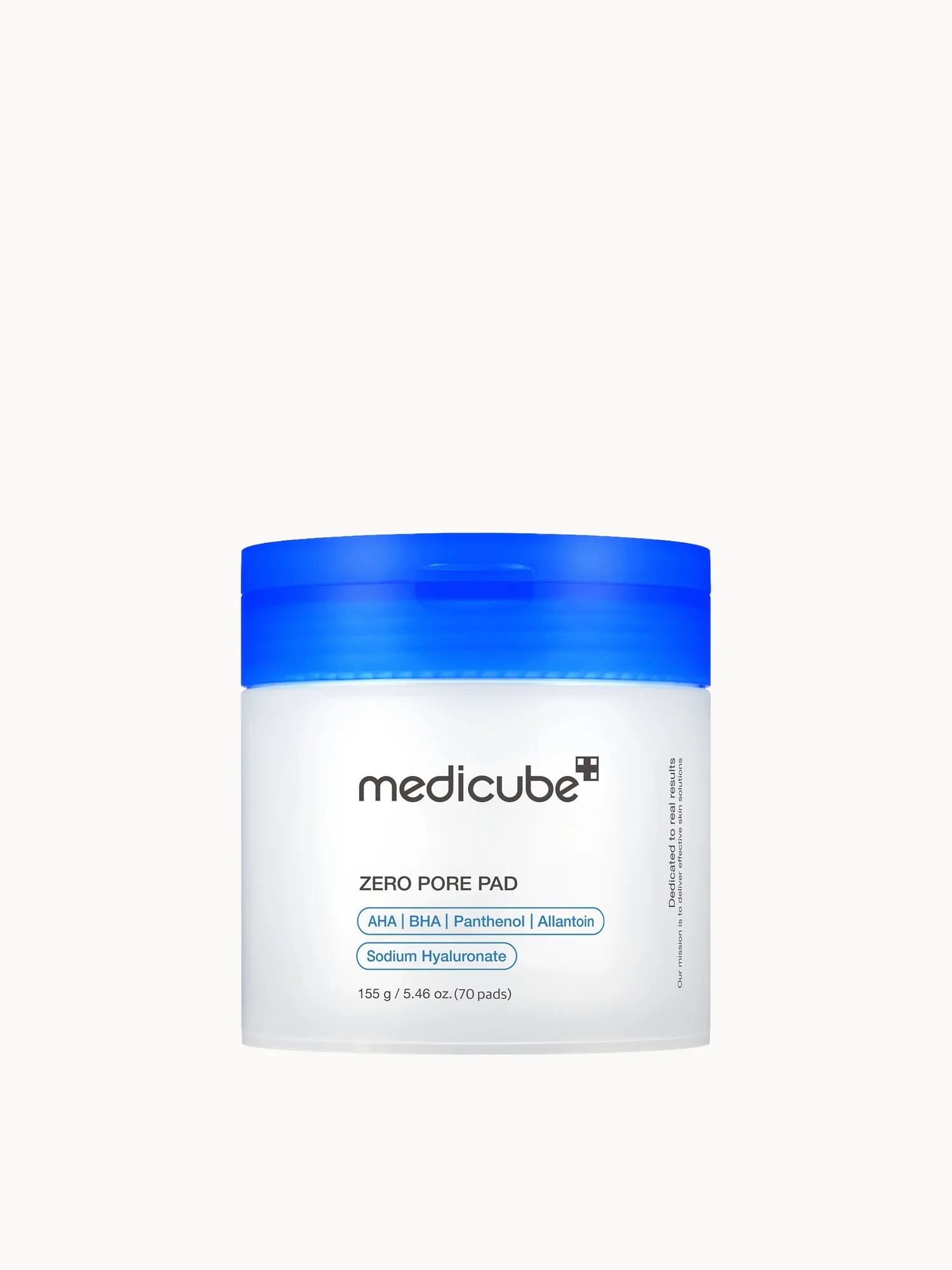
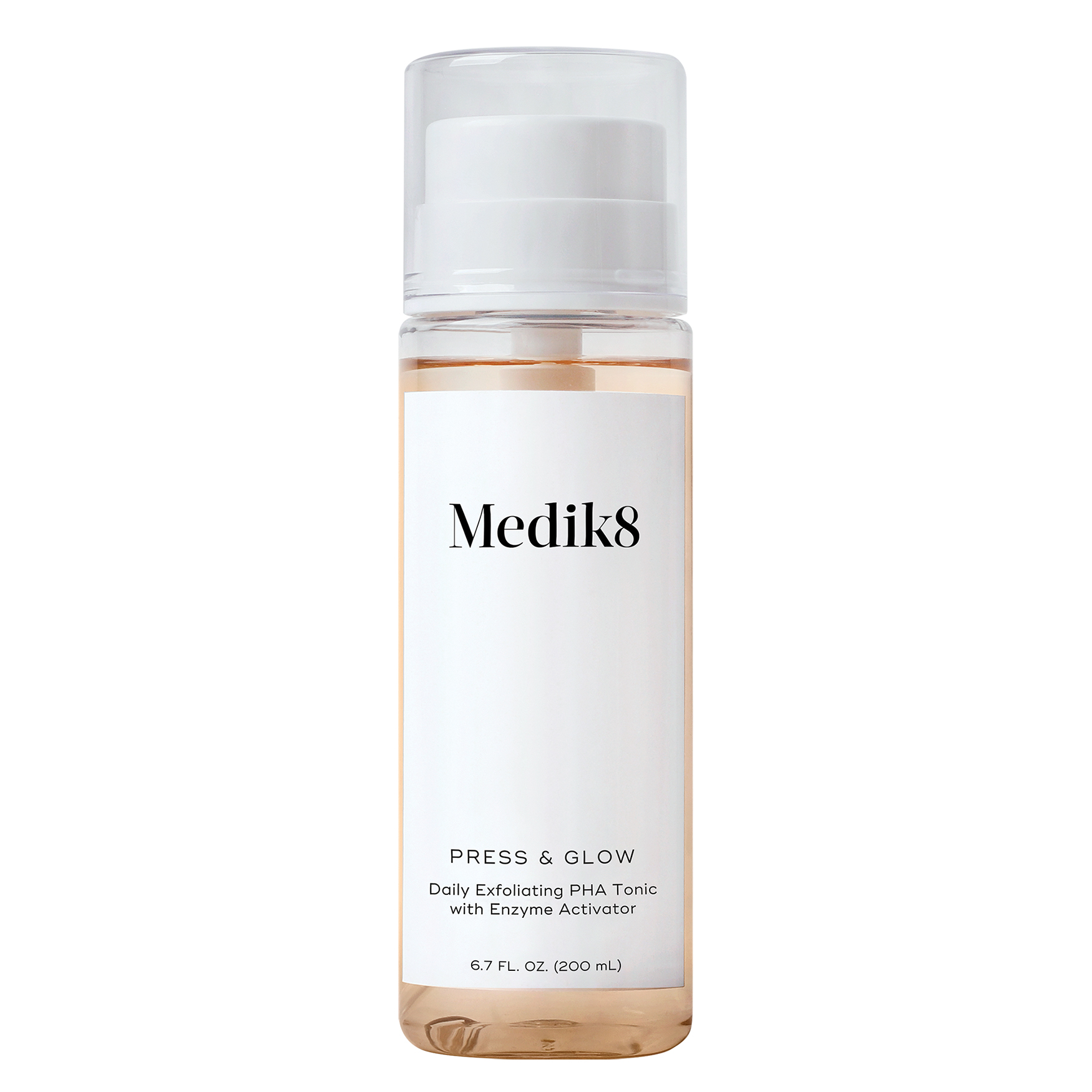
One of the biggest reasons acids become more beneficial with age is that the skin’s natural renewal processes begin to slow down over time. “Skin cell turnover slows down from our 30s-40s onwards, so using an exfoliating acid will aid the natural process and help prevent a build-up of older cells, which could lead to dullness and flakiness,” explains Hirons.
This slower turnover can leave skin looking less radiant and more uneven in texture – concerns that often become more noticeable during the menopause, when declining oestrogen levels can also impact hydration and elasticity. While the best retinol creams are often praised for encouraging deeper skin renewal, Hirons believes acids play an equally important role in refining the surface of the skin.
“A lot of people are using retinals, which is fantastic,” she said at the launch event. “They’re great for deep cell turnover, but you need that acid to do the superficial exfoliation.” According to Hirons, the two popular skincare ingredients work particularly well together. “The retinoids push everything to the surface, and the acids kind of get rid of whatever's on the surface.”
Although they work well in the same routine, both retinoids and exfoliating acids are highly active ingredients, so they’re often best used on alternate evenings rather than layered together.
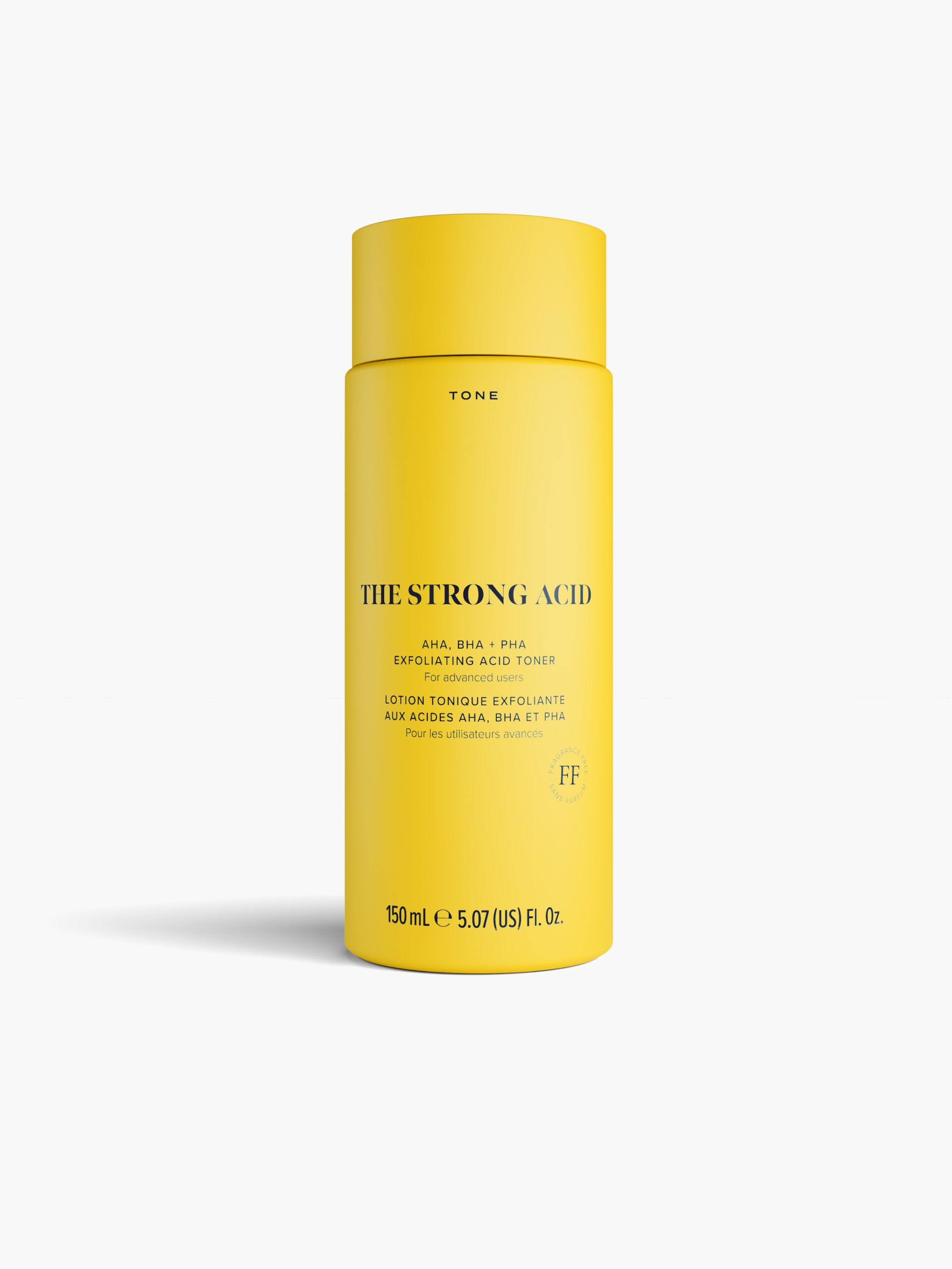
Skin Rocks' latest launch, The Strong Acid, combines a blend of AHAs, BHAs and PHAs to target multiple concerns simultaneously. Alongside salicylic acid (a beta-hydroxy acid commonly used to decongest pores), the formula contains glycolic, lactic and mandelic acids, which work to improve texture and radiance. Shikimic and phytic acids help support a more even-looking skin tone, while gluconolactone, a polyhydroxy acid, offers gentler exfoliation alongside hydration benefits.
“Using five different AHAs means we can target dullness, texture, uneven skin tone and fine lines from different angles,” Hirons explains. “We also included BHA (salicylic acid) in the formula, as this exfoliates the pore lining and helps with blackheads, congestion and breakouts.”
Hirons is keen to flag that stronger acid formulas are best suited to experienced users rather than complete beginners. “You don't need it if you're 20,” she said. “If you are in the perimenopause stage, I'd crack on, but you may not need it as often, and if you are a woman of a certain age, it should be in your collection.”
In an era of “glass skin” and glow-focused routines, it’s unsurprising that resurfacing acids are having a moment. “It’s a real way of getting the glass skin without doing it cosmetically,” Hirons explained. “If your skin is in any way textured, which it will be, especially if you've hit the menopausal stages, then an acid is non-negotiable for me.”




.png?w=600)