Photography in progress: An exhibition of 19th-century life at the British Library
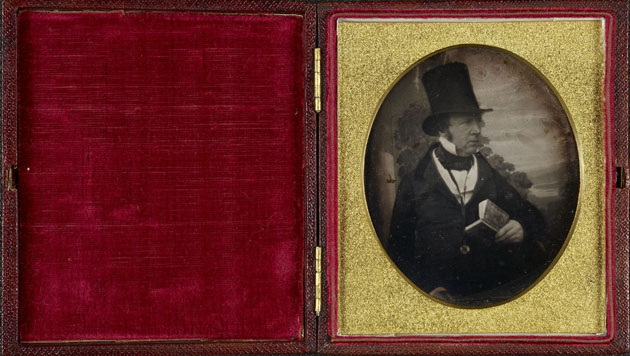
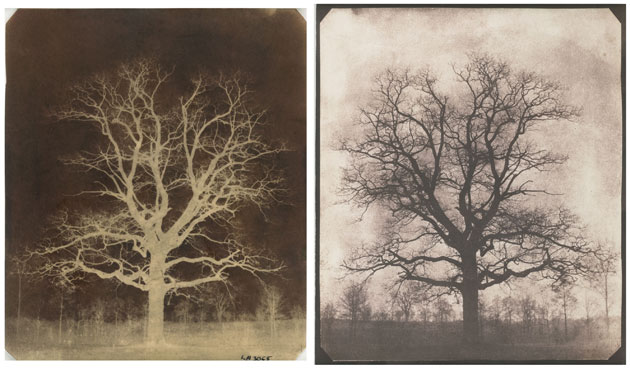
Portrait of William Henry Fox Talbot (early 1840s). Talbot was an innovator and entrepreneur who patented the photographic process known as the calotype, which meant that multiple copies of a picture could be printedPhotograph: Antoine Jean Francois Claudet/The British LibraryAn oak tree in winter (c1842-43) by Talbot. Throughout 1840, he improved his calotype process to produce shorter exposures and more stable resultsPhotograph: The British LibraryDon Juan Carlos took this picture of a hippo called Obaysch at the Zoological Gardens, in London's Regent's Park (1852). The creature arrived in England in 1850 as a gift from the Ottoman Viceroy of Egypt, who was given English greyhounds and deerhounds in returnPhotograph: Don Juan Carlos, Duke of Montizon/The British Library
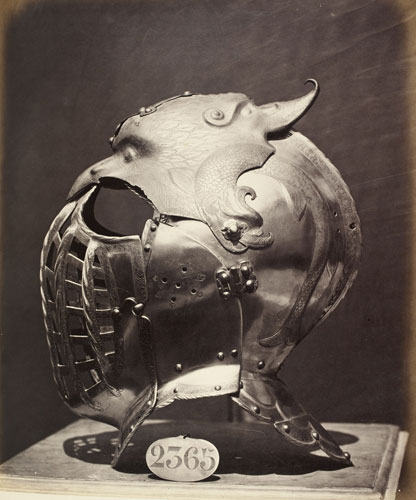
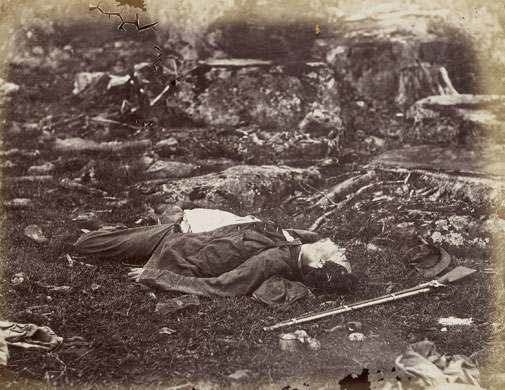
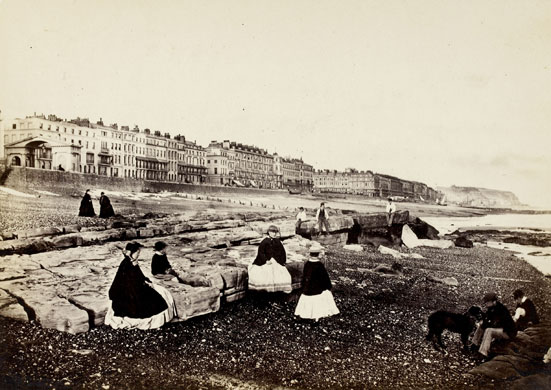
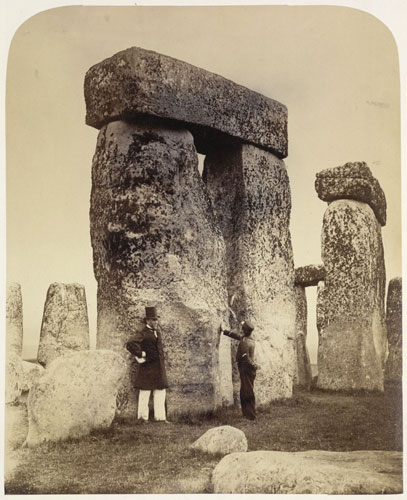
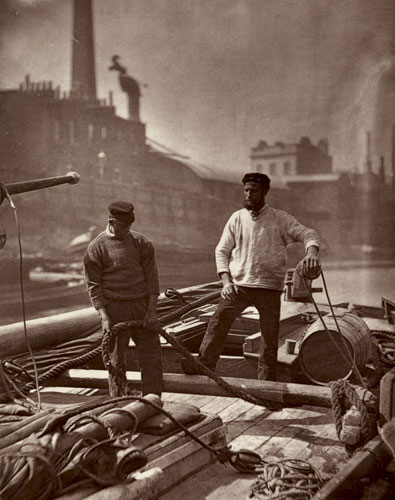
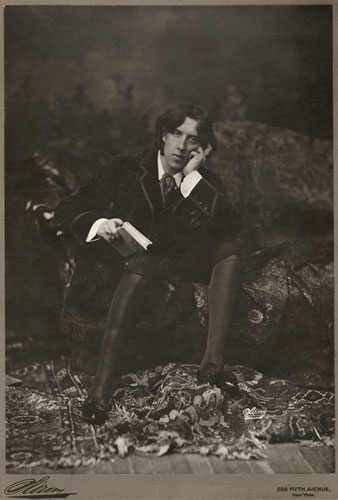
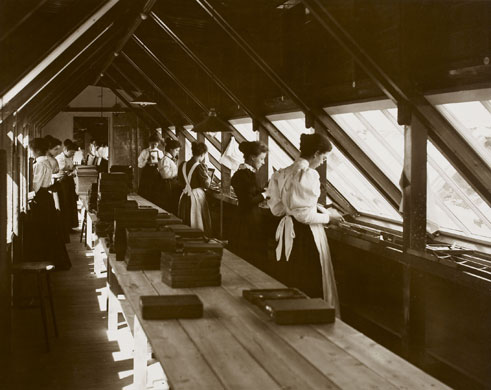
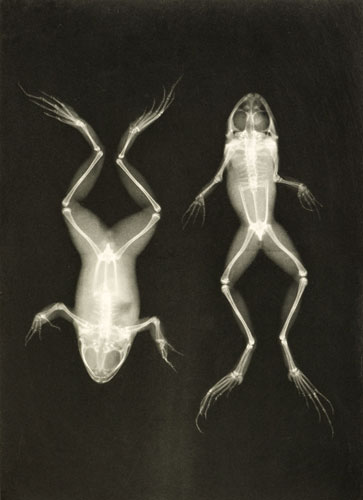
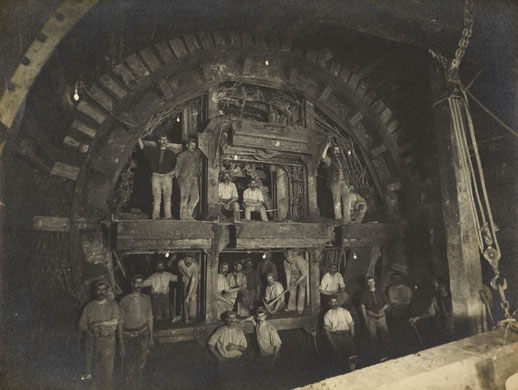
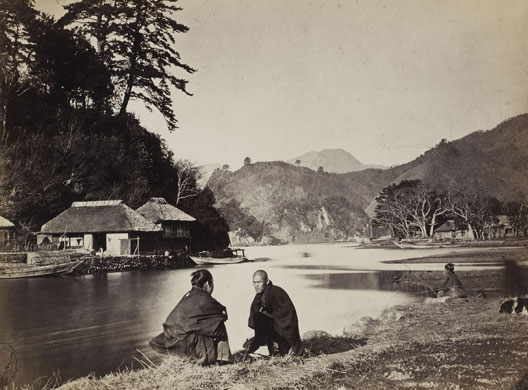
Helmet of the Emperor Charles V, taken by Charles Clifford in Madrid (c1862). The Victorians saw photography as a means of disseminating copies of paintings and other artworks for educational purposes, and many such images were produced in the course of the 19th centuryPhotograph: Charles Clifford/The British LibraryA Sharpshooter's Last Sleep, Gettysburg (July 1863). The American civil war was the first to be recorded in graphic detail. Here, Paisley-born photographer Alexander Gardner captures what he called 'the blank horror and reality of war'Photograph: Alexander Gardner/The British LibraryHastings from the beach, low water (c1864). The work of Francis Frith exemplifies the growth of commercial photography in the 1850s. He made his name with a series of overseas expeditions in the 1850s, and later established a family firm that supplied topographical views of Britain and EuropePhotograph: Francis Frith/The British LibraryAn ordnance survey picture of Stonehenge trilithons B and C from the south-west (c1867). Photography began to be used as a recording tool in the early 1840s, becoming popular with archaeologists the following decade Photograph: Ordnance Survey Photographer/The British Library BoardStreet life in London: Workers on the Silent Highway (1876-7) by John Thomson. At the time of this photograph, passenger ferries on the Thames were in decline, with many of the watermen having to work in sailing bargesPhotograph: John Thomson/The British LibraryOscar Wilde, New York (1882). This portrait by Napoleon Sarony was subject to a US supreme court judgement after it was used in advertising for a New York department store without permission. The 1884 ruling extended copyright to photographs for the first time in American historyPhotograph: Napoleon Sarony/The British LibraryPrinting Kodak negatives by daylight, Harrow (1891). This image shows members of the female work force printing negatives by sunlight at in a Middlesex photographic company – a more time-comsuming precursor to today's one-hour photo boothPhotograph: Unknown Photographer/The British LibraryX-ray photograph of frogs (1890s) by Josef Maria Eder and Eduard Valenta. Wilhelm Röntgen's discovery of x-ray in 1895 was more than a practical tool – it also revealed an interior world full of beautyPhotograph: Josef Maria Eder and Eduard Valenta/The British LibraryConstruction work on the Central line of the London Underground (1898). The photographic documenting of engineering projects had become commonplace by the end of the 19th centuryPhotograph: Unknown Photographer/The British LibraryVillage near Yokohama (c1869). This is one of a series of pictures of China and Japan taken by Wilhelm Burger, a member of the Austro-Hungarian diplomatic mission to the Far EastPhotograph: The British Library
Sign up to read this article
Read news from 100's of titles, curated specifically for you.