Interviews by Homa Khaleeli, Rob Fearn, Amy Fleming, Sarah Phillips and Paula Cocozza
Photographs of the year 2011
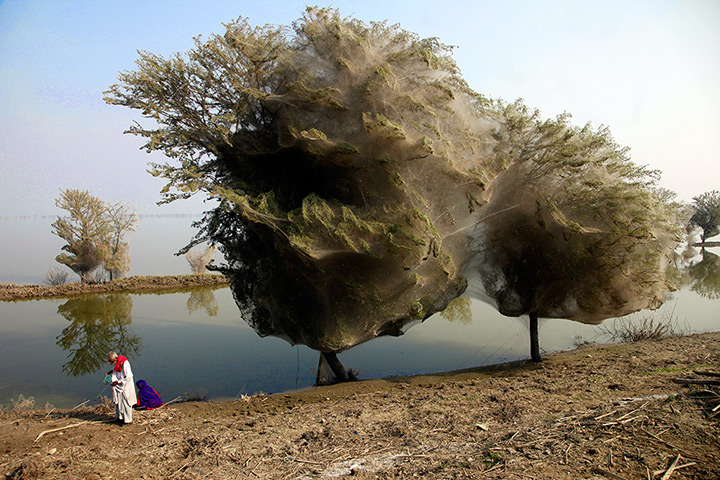
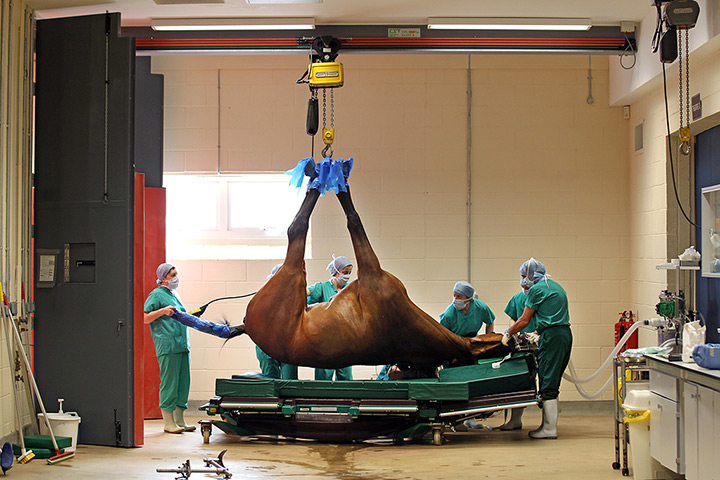
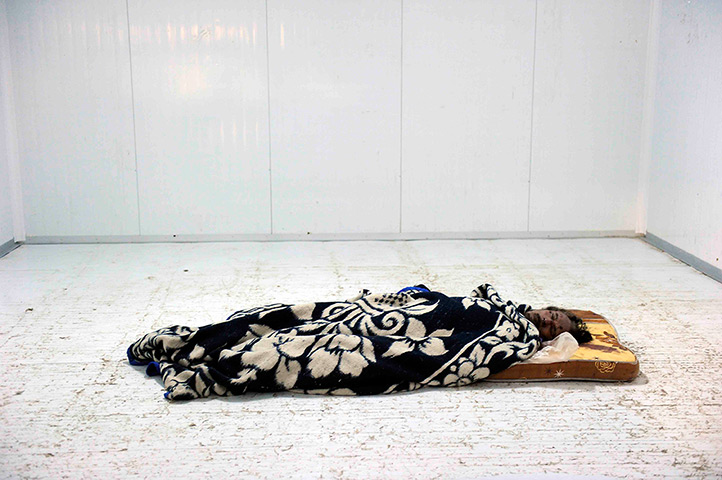
Russell Watkins: 'I was in Pakistan a year ago for DFID, looking at the impact of British aid in helping people affected by the floods. In northern Sindh a vast area had been flooded, but the waters had finally receded enough for local communities to start to return. While we were there the local NGOs told us about this odd phenomenon: miles and miles of flooded land, where every piece of vegetation was shrouded in these spider webs, like candy floss. It was stunning – a surreal sight. The trees were the only things above the water, so it was a very strange landscape, definitely ghostly' Photograph: Department for International Development/Russell WatkinsDan Kitwood: 'In March I spent a full day at Newmarket equine hospital and was lucky enough to see three different horses undergo different surgeries. The hospital isn’t attached to the Newmarket racecourse – but it is at the centre of all things horsey. The animals come from all over the world for surgery. My understanding is that if a horse breaks its leg in a race, it’s still likely to be put down, but these were thoroughbreds that were worth treating. That said, they try to give every horse the same treatment, whether it’s a Red Rum thoroughbred or a Bridlington donkey'Photograph: Dan Kitwood/Getty ImagesLucy Young: 'I was in Tunisia covering the first election of the Arab Spring when I got the news Gaddafi had been killed. Along with some other photographers, I hired a car and headed for Libya. I found out the body was being held in the African market. There was a huge queue down the road. The guards took us down into a refrigeration chamber. It was the first dead body I had ever seen, but it was just a shell – whatever was bad was not there any more. While I was there a frail older woman was brought in and it made me realise that people needed to see he was dead, so that, after 40 years, they could see for themselves it was all over'Photograph: Lucy Young
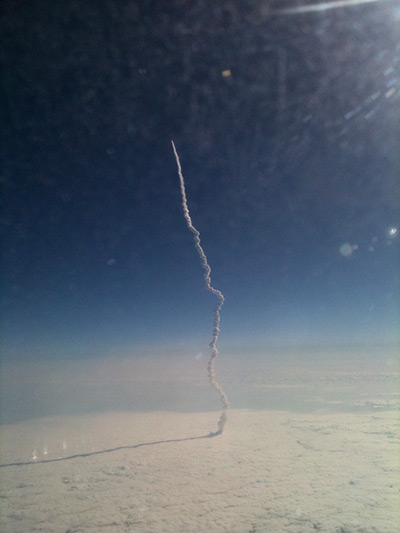
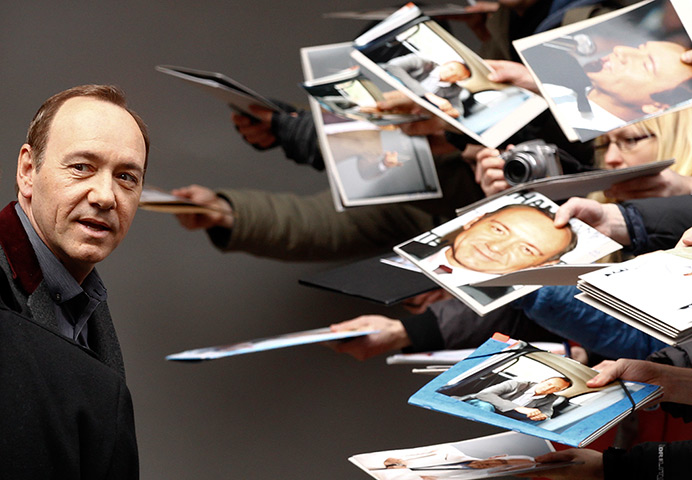
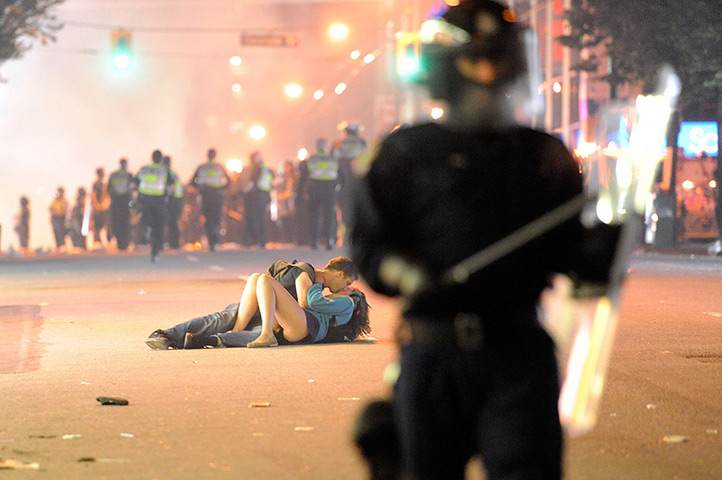
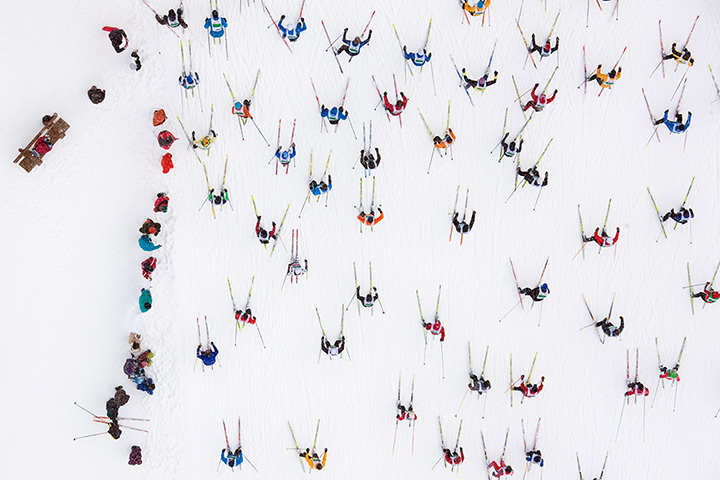
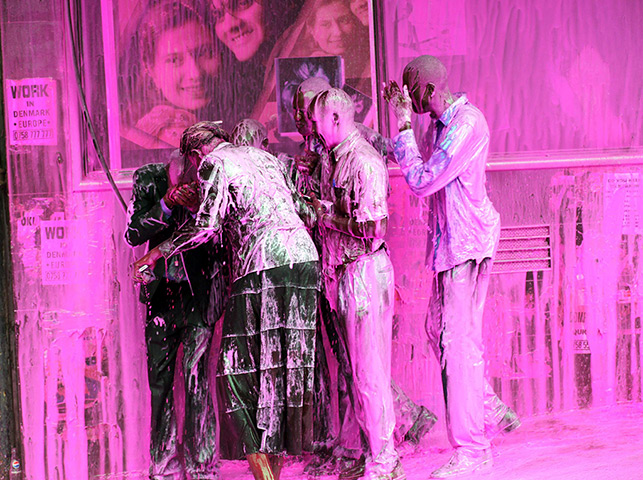
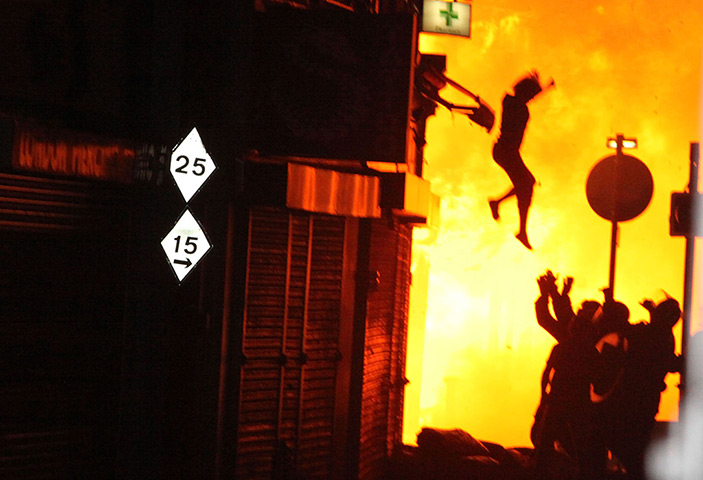
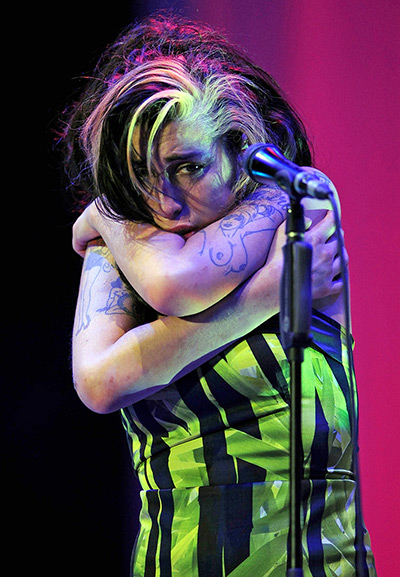
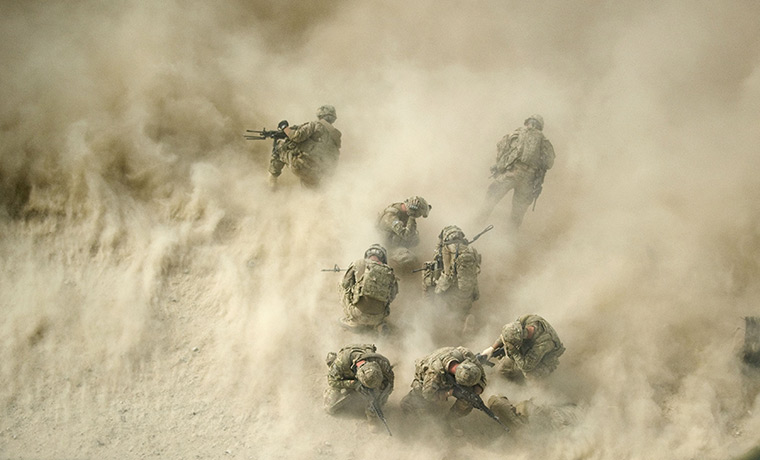
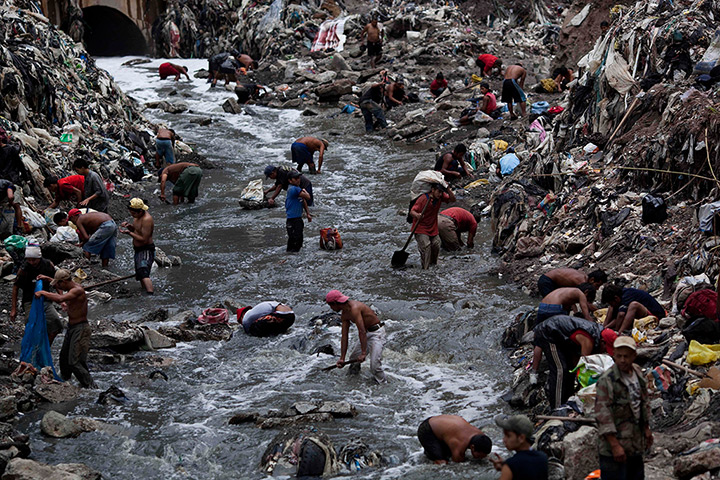
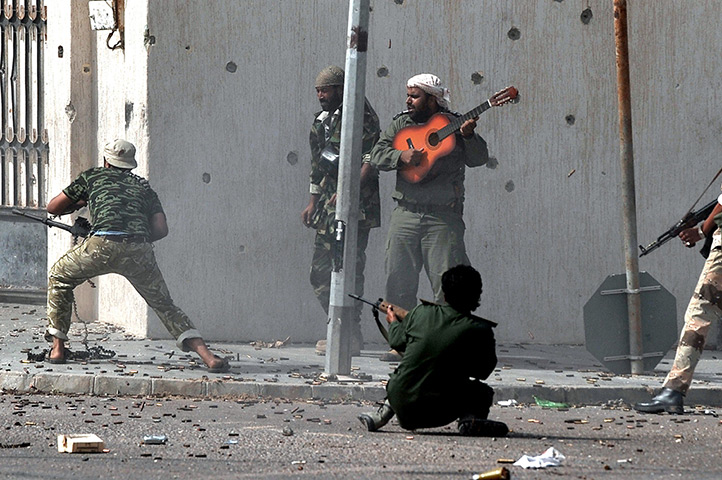
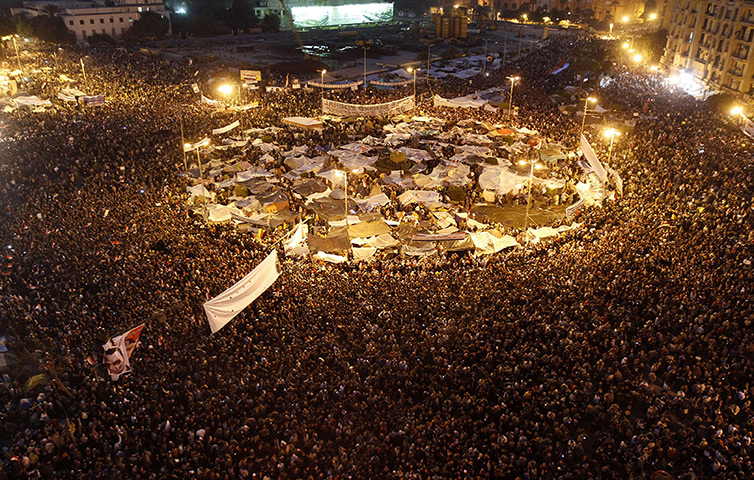
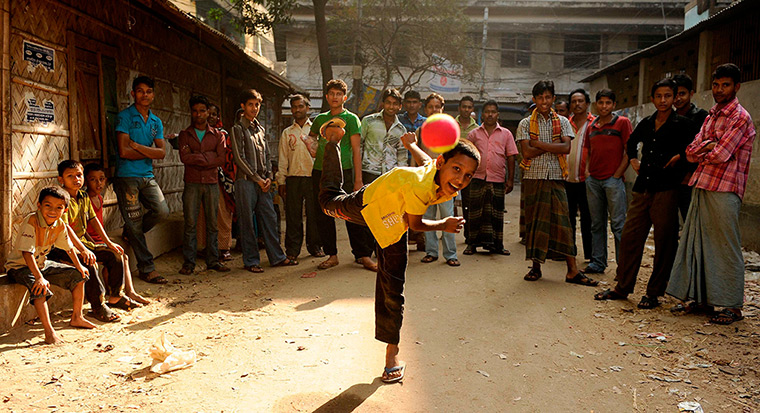
Stefanie Gordon: 'As we were flying over northern Florida, the captain made an announcement that we might be able to see the space shuttle Endeavour lift off. A few minutes later, there it was. I took a few photos with my iPhone and tweeted them upon landing. When I sent my tweets I had no idea that pretty soon my photos would become viral sensations, seen all over the world! The launch was the final one for Endeavour. People on the ground only saw the first 30 seconds of the launch, whereas from the plane we got to see it for a few minutes'Photograph: Stefanie GordonFabrizio Bensch: 'Each year in February, during the Berlin film festival, Hollywood descends upon the cold German capital. Ours is a festival for the public, where fans can get close to their stars. This picture of Kevin Spacey captures the spontaneous atmosphere. It was taken at a back entrance to the Hyatt hotel, where actors arrive for press duties. Fans wait there for hours. I was up a ladder, so I could see above the bodyguards and cars. Some actors run straight through the entrance and disappear, but Spacey took his time with the fans, signing photographs'Photograph: Fabrizio Bensch /ReutersRich Lam: 'In the Vancouver riots the police were surging, charging the crowd, which scattered. It was one of those moments when the police stopped, so I stopped and saw two people lying in pretty much an empty street. My first thought was that the woman was hurt. I shot two frames and moved on. It was only back at the hockey rink where we were based that my editors took over. That’s where someone mentioned 'that kissing couple picture'. I didn’t know what they were talking about. I’ve since met the couple a few times. They are still together, doing fine in Melbourne'Photograph: Rich Lam/Getty ImagesTony Karumba: 'Sometimes Lake Natron in Tanzania is completely pink, with hundreds of thousands of Lesser Flamingos visiting the lake. It is their preferred place in the Rift Valley to lay eggs, and according to locals they have been going there for years. However, the Tanzanian government wants to build a soda ash factory there. It’s one of the most beautiful places that I have photographed. My personal feeling is that the Tanzania government should really try to abstain from interfering with the natural cycle. You touch one bit of it and that whole blend of beautiful features is threatened'Photograph: Tony Karumba/AFPValentin Flauraud: 'Almost 12,000 colourful cross-county skiers sprinkled over a winter wonderland, this is the Engadin ski marathon in Switzerland. I had hoped for sun but wind, snow and grey skies welcomed me as I got into the helicopter early that morning. My colleagues and I took off, harnessed tight, legs resting on the skids. When I stretched out to snap this picture, the soft, shadeless light gave a surprising abstract feel to the scene. I was glad to shoot a picture completely different to anything I had previously seen at this event'Photograph: Valentin Flauraud/ReutersJames Akena: 'This was taken in Kampala, Uganda, in May, during a 'walk to work' anti-government protest organised by the main opposition leader Kizza Besigye. Riot police were called, together with the military, and they used water cannons against the protesters. These people were clumped together against high-pressure jets of coloured water. If you have been sprayed with coloured water, it‘s very difficult to continue protesting; many spent long hours in the shower room trying to remove the dye. The protests did not really succeed. In the end so many people ended up in jail that they largely fizzled out'Photograph: James Akena/ReutersAmy Weston: 'This is absolutely my favourite shot. I saw on TV that Reeves corner in Croydon was on fire and decided to go and have a look. There was a small crowd of people in their pyjamas, from the flats which were on fire. A Romanian man pushed through the crowd to the police, shouting that there was a woman still in the building. The next minute I saw two little feet on the window ledge of the second floor. After a few seconds she just fell. The police and crowd below didn’t really catch her, it was more like they broke her fall. She was crying and ran off really quickly'Photograph: WENN/Amy WestonBrian Rasic: 'I had been photographing Amy Winehouse since she started, and her PR and manager organised for me to cover this gig in Belgrade. It was fairly disastrous, but we’d seen that before with her. It wasn’t new and it wasn’t anything you would think about afterwards. When she passed away, I decided to release a few more as I believed the world should see what happened there. They are disturbing photos: you could see she was troubled. When some of my colleagues saw them, they cried. I’ve been documenting music for decades, but I think those pictures of Amy will follow me for ever'Photograph: Brian Rasic /Rex FeaturesJohannes Eisele: 'I was on a two week embed with the medevac helicopter of the 159th Brigade Task Force Thunder, stationed west of Kandahar. On this flight, the medics picked up three heavily wounded US soldiers. Everything was happening really fast. As we took off, I saw the soldiers left behind, gathering together and hiding their faces from the sand. I think this picture stands out for three reasons: the balance and composition give it a certain calm; the group dynamic of the soldiers in adverse conditions; even the symbolism of the country’s dust and dirt raining down on Americans'Photograph: Johannes Eisele/AFP/Getty ImagesRodrigo Abd: 'The "mine" is at the centre of Guatemala City, only a few kilometres from the government offices; you have to walk on a mountain edge to get there. It’s called the mine because people try to find metal in the rubbish – sometimes they find gold, silver. Some prefer it to a normal job. They have no boss, no rules, they go when they want. It’s open for everyone, 24 hours. And the money is better. A month ago I bought some food and went back to have lunch with them, to say goodbye and share some time with them'Photograph: Rodrigo Abd/APAris Messinis: 'It was the last week of the battle for Sirte, and the rebels were attempting to advance to the town centre. They blocked Gaddafi loyalists in a very small area. I was in one corner in front of a frontline of rebels, and there was a lot of incoming firing. I saw a guy with a guitar walking opposite me. I realised he was encouraging the other fighters. The guitarist was only there for half a minute. He walked to the corner, played a few chords then went. It was a strange thing to see, but in Libya we saw a lot of crazy things'Photograph: Aris Messinis/AFP/Getty ImagesMohammad Abed: 'I took this during the 25 January revolution. It was just before sunset, so the light was good and the colours came out well. I went up to the roof of a building overlooking Tahrir square. More and more people were arriving and you could hear them chanting below. People were filled with revolutionary feeling, but it was a joyful, vibrant atmosphere; they were excited and I was happy to be part of that moment. I was completely in awe of their fervour' Photograph: Mohammad Abed/AFP/Getty ImagesPhilip Brown: 'I was in Chittagong to cover a cricket world cup match. Early one morning, I started photographing this boy throwing a ball in the air and catching it. After a particularly high toss, the ball landed on a roof and couldn’t be retrieved. I bought a replacement and the boy began bowling with his new and more colourful ball. I positioned myself in the firing line. Later, I left a large print of this photograph in a local shop to be given to the lad'Photograph: Philip Brown/Reuters
Sign up to read this article
Read news from 100’s of titles, curated specifically for you.