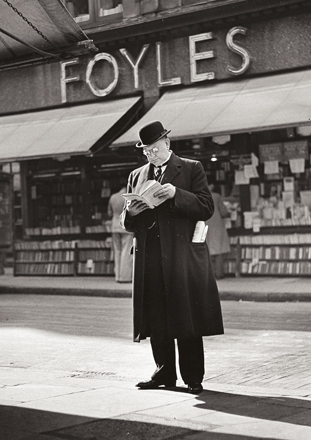
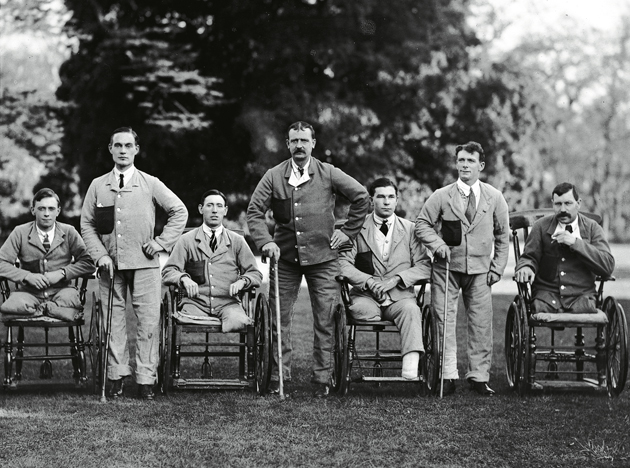
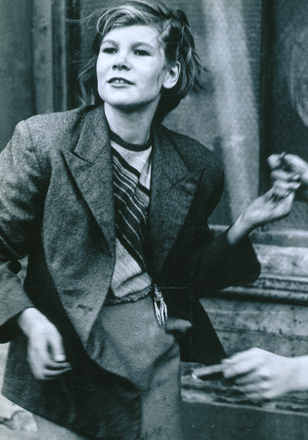
Novelist Beryl Bainbridge chose 'Man Outside Foyles, Charing Cross Road, c1936'. Bainbridge prefers monochrome. She turns her TV to black and white because she thinks it makes things “stronger, more alive.” Similarly, she says she’s more interested in the exhibition’s older photographs than the modern coloured ones.Photograph: Wolfgang Suschitzky (c1936)/Tate BritainBainbridge also chose 'Roehampton Hospital, 1918'. Bainbridge's favourite photographs in the exhibition include men in bowler hats, grisly wounds and first world war hospital patients, explaining, “I’m fascinated by injuries and medicine. When I was in my teens I would have rather liked to have been a doctor, but you had to have Latin in those days.”Photograph: Imperial War Museum, London/Tate BritainRicky Wilson, lead singer of the Kaiser Chiefs chose a portrait of a girl in men's clothing called 'Southam Street'. “She’s fit,” he says. “Sometimes it’s hard to imagine people have always been good-looking, but she’s natural and tomboyish.” Photograph: Roger Mayne (1956-61)/Victoria and Albert Museum
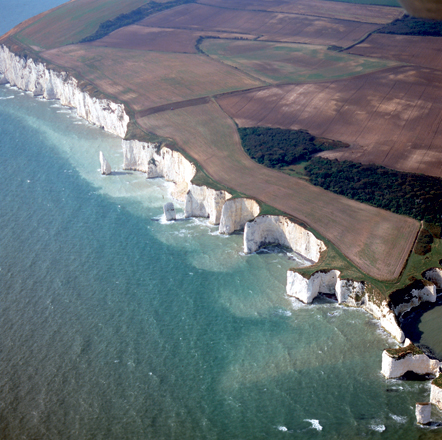
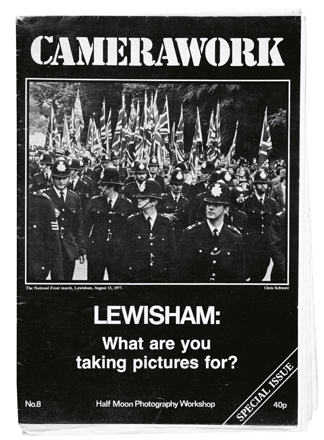
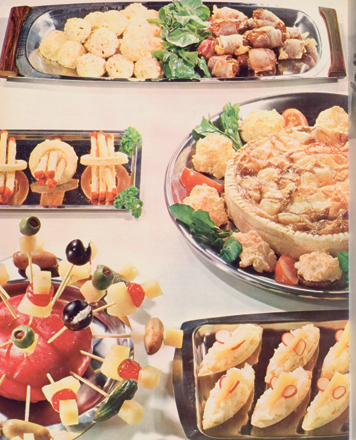
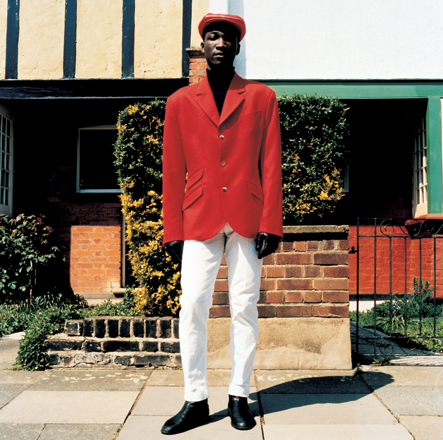
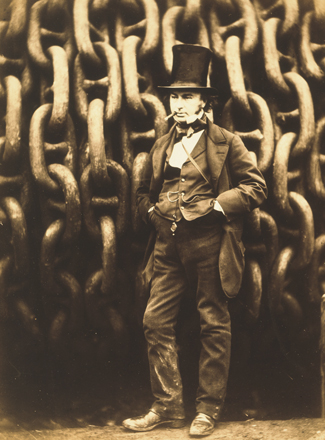
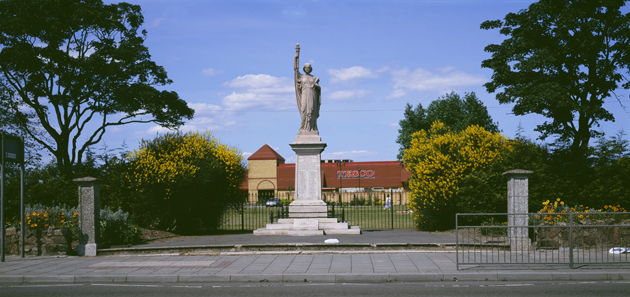
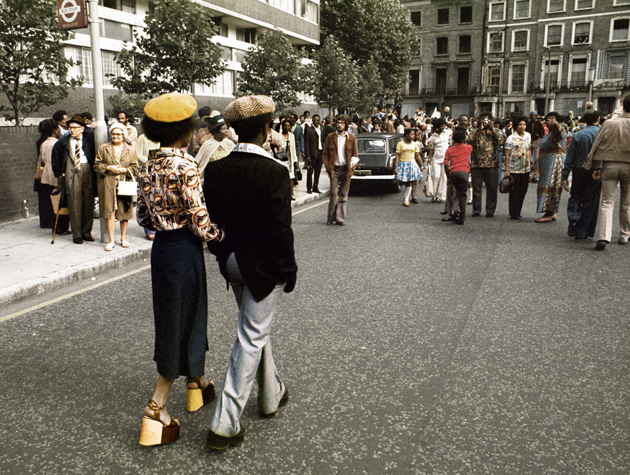
Wilson also plumped for famous British landmarks like Stonehenge, which he says he visited and found boring, and Britain’s chalky coastline, which he thinks we should celebrate more. “It’d be a multi-million dollar attraction in America with White Cliff mugs that played Vera Lynn when you picked them up.”Photograph: Tate BritainShami Chakrabarti, director of civil-rights group Liberty, chose a picture of police at a National Front march in Lewisham. "You can't think of Britain without thinking of the flag," she explains. "It’s a photo that is typical of those images she saw as a child that left her “feeling somewhat ambivalent about the Union flag and who owned it.” Photograph: Tate BritainChakrabarti also selected other pictures she found quintessentially British – like a punk, and a cheese and pineapple buffet, that looks like it’s straight out of Abigail’s party. Photograph: Ebury Press London/Tate BritainPeaches Geldof, teenage columnist, chooses 'Strictly'. “Jason Evans’ picture represents the diversity of cultures in Britain” says Geldof, referring to this photo of a man in a red blazer and white jeans. It's one of the many images reflecting the development of Britain’s black community. She also liked surrealist images of a woman popping out of a basket and a person lying with their head near a block and a rope “because they represent a land of contradictions.”Photograph: Jason Evans (1991)/Tate BritainStephen Bayley, co-founder of the Design Museum, finds this collection of images a fairly depressing picture of British identity. “Some powerful trends are apparent in these shots,” he says. “Muddled technology, a taste for delusion, grubby sex and an almost painful yearning for a lost Arcadia.” He chooses several examples of early PR too, like the “swaggering” shot of Isambard Kingdom Brunel, which he says is “the result of very self-conscious image manipulation.”Photograph: Robert Howlett (1851)/Victoria and Albert MuseumBilly Bragg, musician and author of The Progressive Patriot, says of this image: “The past just can't keep up. A statue memorialises on a summer's day while a Tesco superstore creeps up to fill the open space beyond".Photograph: Chris Harrison (1997)/Tate BritainBragg also chose a photo of an old couple in grey standing at a bus stop, watching younger, colourfully-dressed people walk by. “Those new people in bright clothes are now part of society on their own terms, whether the old couple like it or not,” he says. Photograph: Horace Ove/Tate Britain
Sign up to read this article
Read news from 100’s of titles, curated specifically for you.