
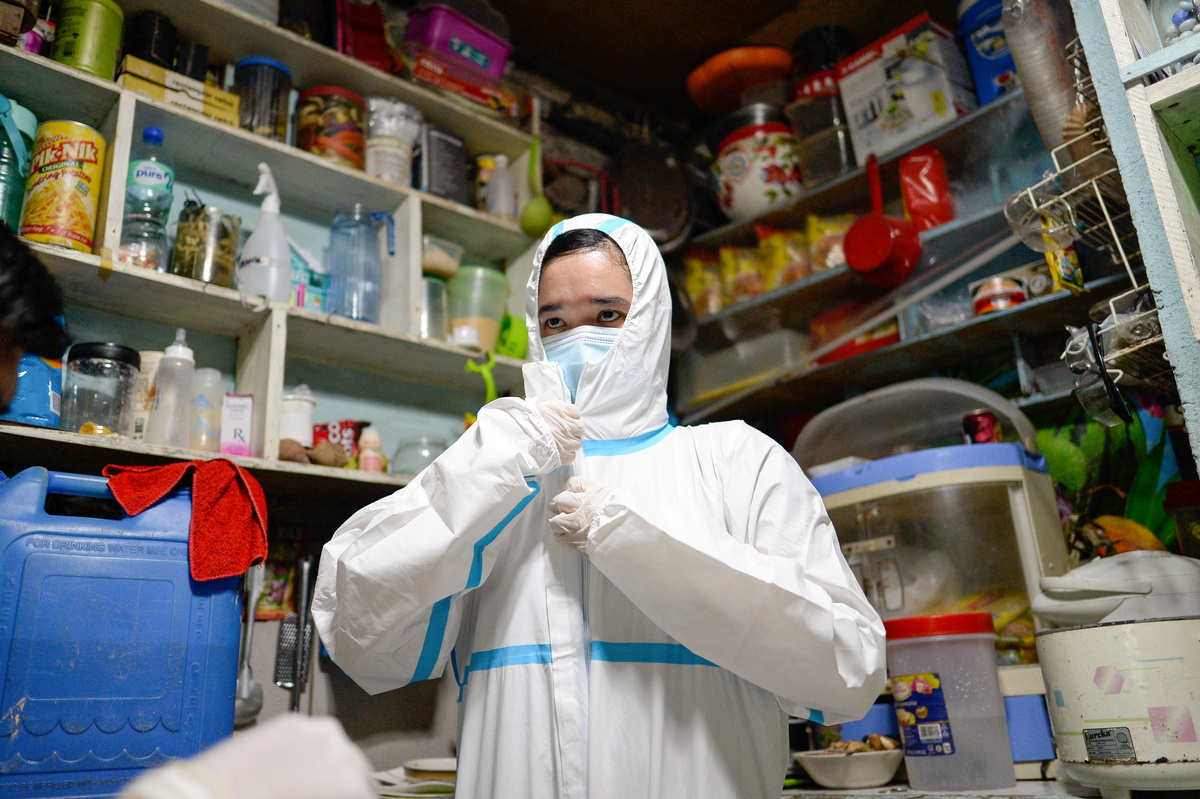
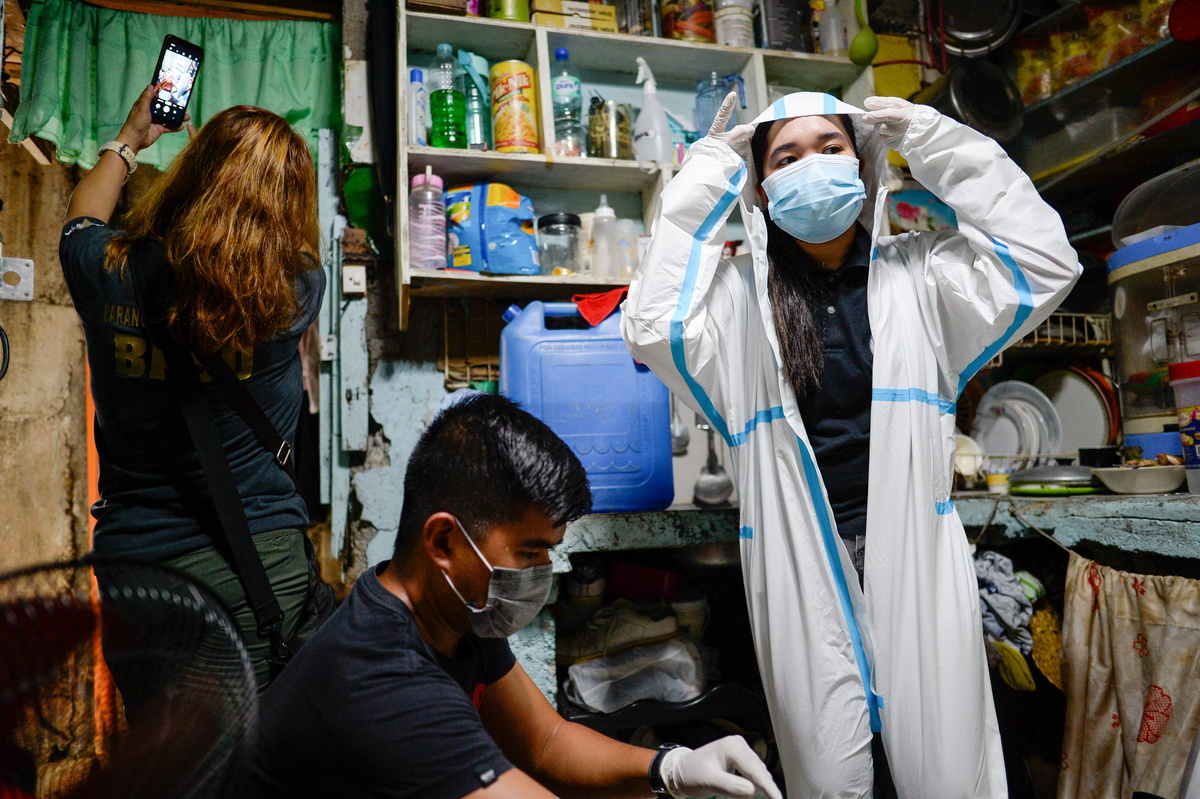
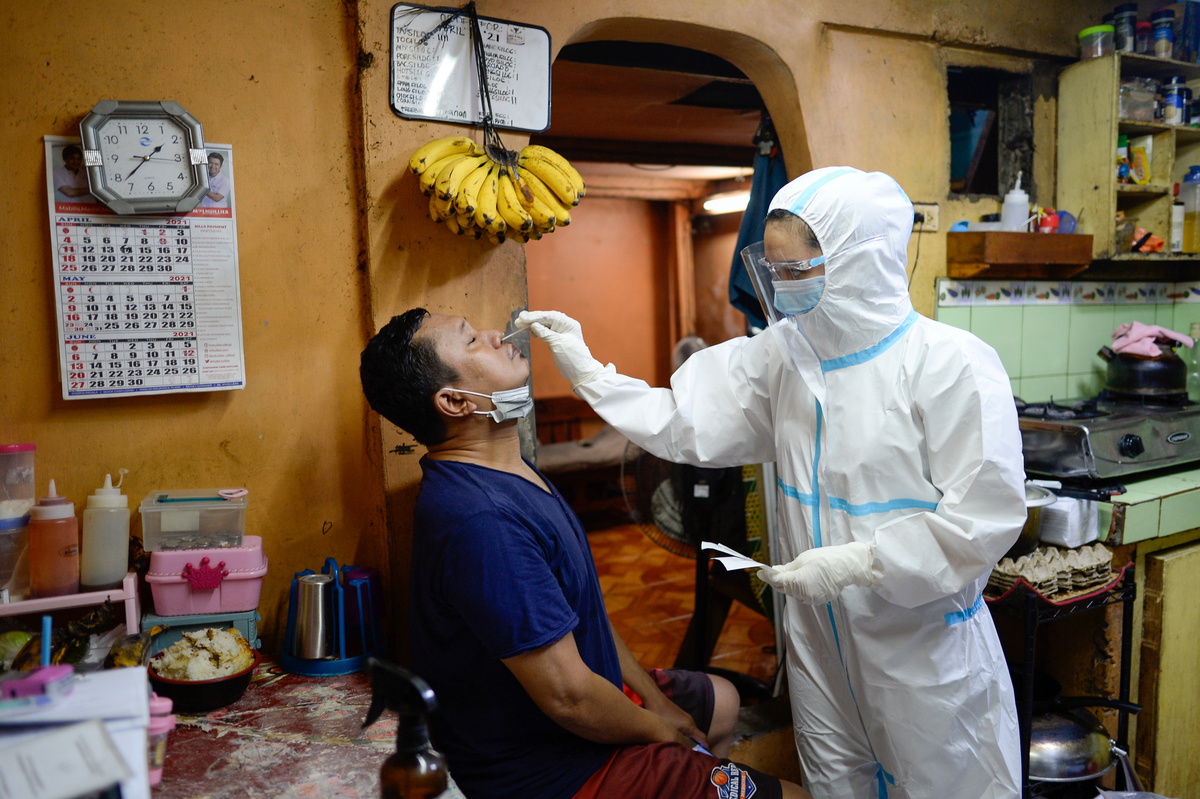
Nick Yañez, a 28-year-old ambulance nurse in a satellite city of Manila, says she sometimes spends six to seven hours in her emergency vehicle caring for a COVID-19 patient before a bed can be found in a hospital.
Already facing one of the worst COVID-19 outbreaks in Asia, the Philippines has seen a second wave of infections that is stretching health care workers in the capital like never before.
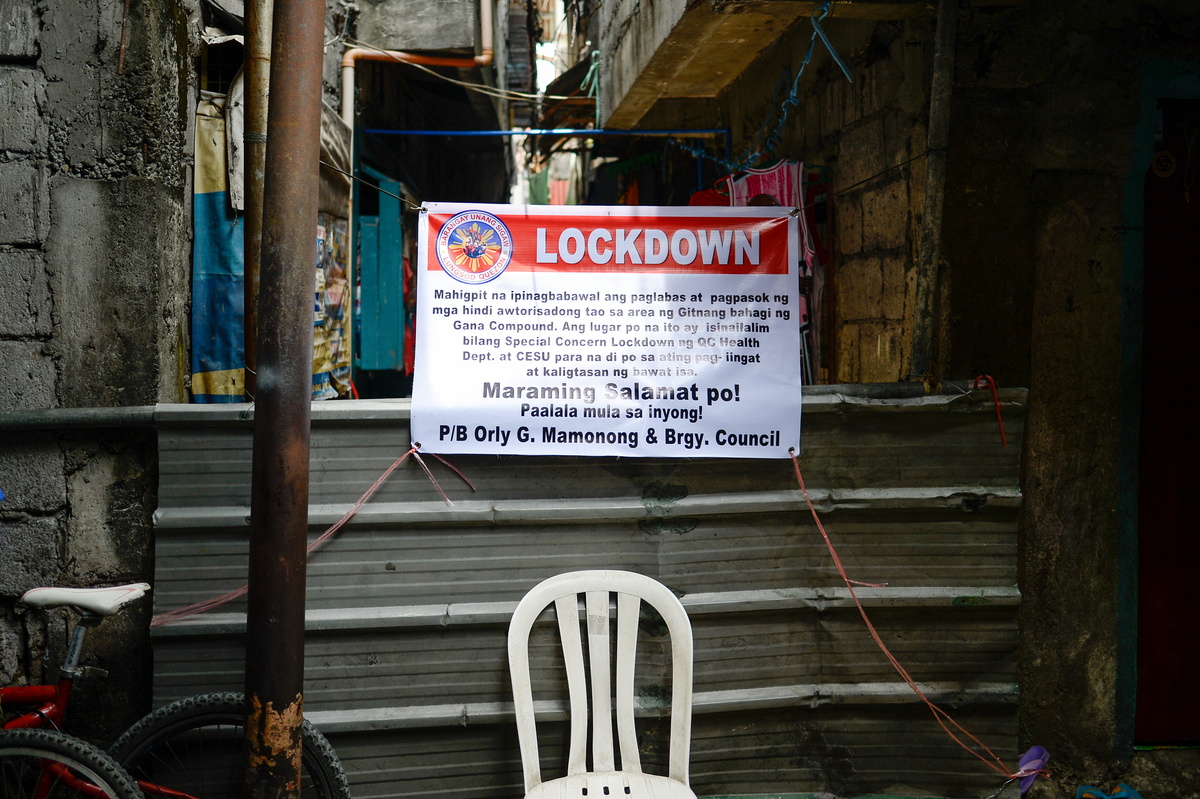
"The situation is more severe now. This is version 2.0. The cases are higher, we are more exhausted," said Yañez, whose ambulance operates in Pasig City.
The country has averaged more than 10,400 daily COVID-19 cases since the start of April, nearly double the level in March and far above the 213 per day in April 2020 and 2,169 in the second half of last year, health ministry data showed.
A two-week lockdown of the capital region, an urban sprawl of 16 cities that is home to at least 13 million people, appears to have done little to ease the strain on the medical system.
(For graphic on Philippines' capital region is hotspot for COVID-19 -
Intensive-care units in the Manila area are at 84% capacity, while 70% of COVID-19 ward beds and 63% of isolation beds were full as of April 19, government data showed.
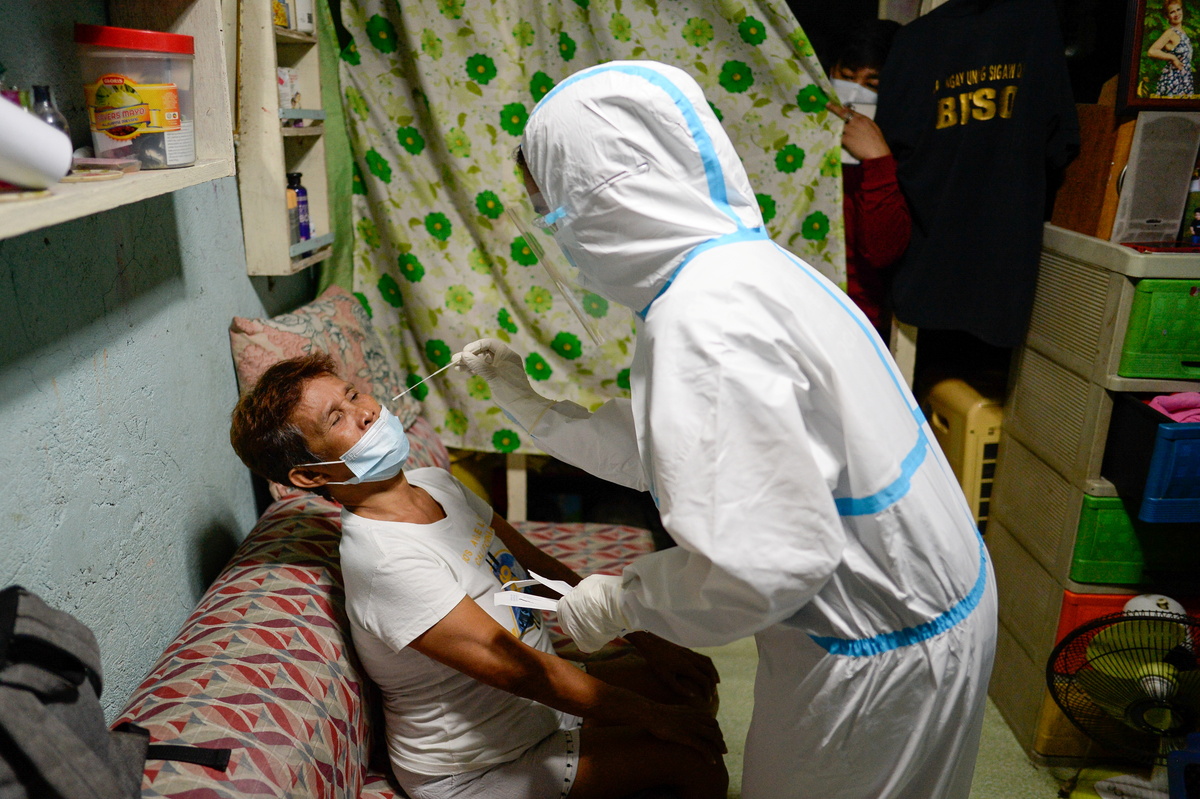
In early April, when no Manila hospital could take him in, COVID-19 patient Jaybee Garganera was driven to a hospital in Clark, Pampanga, 100 km (62 miles) from his home.
"I could hear her talking in the other room and every time she put the phone down she would be sobbing," Garganera said of his wife, who called hospitals all over Manila.
The Philippines has reported 945,745 COVID-19 cases since the pandemic started, with close to 17,000 healthcare workers infected. So far, about 16,000 people have died.
Among those who perished was Jayson Maulit's 95-year-old great grandmother, who died in an emergency room in Batangas province on April 2 before she could be admitted to a hospital.
"Every hospital we called, we were either wait listed or were told that they are full," said Maulit, a small-business owner.
The health minister said on Friday more than 1,400 beds would be added in the capital area and more than 100 health care workers from other parts of the country brought in to help.
For Encarnita Blanco-Limpin, a doctor at the Philippine Heart Center, the help is welcome. But she said that contact tracing must be improved and more vaccines distributed to take the pressure off hospitals.
(For graphic on Philippines battling surge in COVID-19 cases -
Nearly 1.3 million people have so far received at least one vaccine dose, with only 3 million doses arriving in the country out of the 140 million it aims to procure.
"Our emergency room is running at 200% capacity," said Blanco-Limpin, who recently was infected with COVID-19. "Many of these coronavirus patients are not on beds, some of them are being treated while in sitting positions."
(Reporting by Karen Lema; Editing by Ed Davies and Gerry Doyle)











)
)