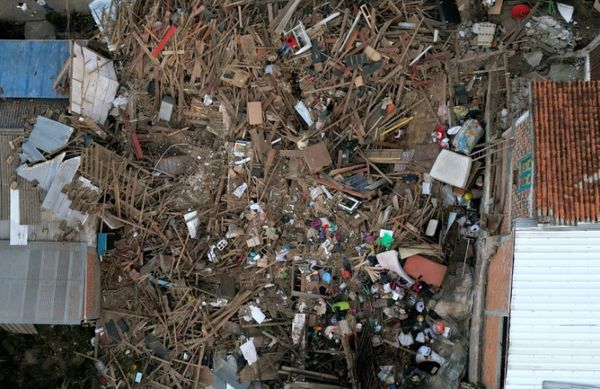
Search-and-rescue operations at a collapsed landfill in the Philippines were ended on Monday after the last missing worker was recovered, pushing the death toll to 36.
Cebu City officials said the last body was retrieved shortly after dawn on 18 January, 10 days after a large section of the Binaliw landfill gave way. The dumpsite, located in a mountainous area outside the city, had been the focus of a round-the-clock operation involving hundreds of responders.
“Today, the search-and-rescue operation at the Binaliw landfill has been officially terminated,” said David Tumulak, a city councillor who heads the local disaster risk reduction and management committee, according to a report in The Strait Times.
Mr Tumulak said the final victim was found at 5.41am local time and had yet to be identified.
Six of the bodies recovered from the site remain unidentified.
The collapse also left 18 people injured, according to the city government. Four of them are still being treated in hospital.
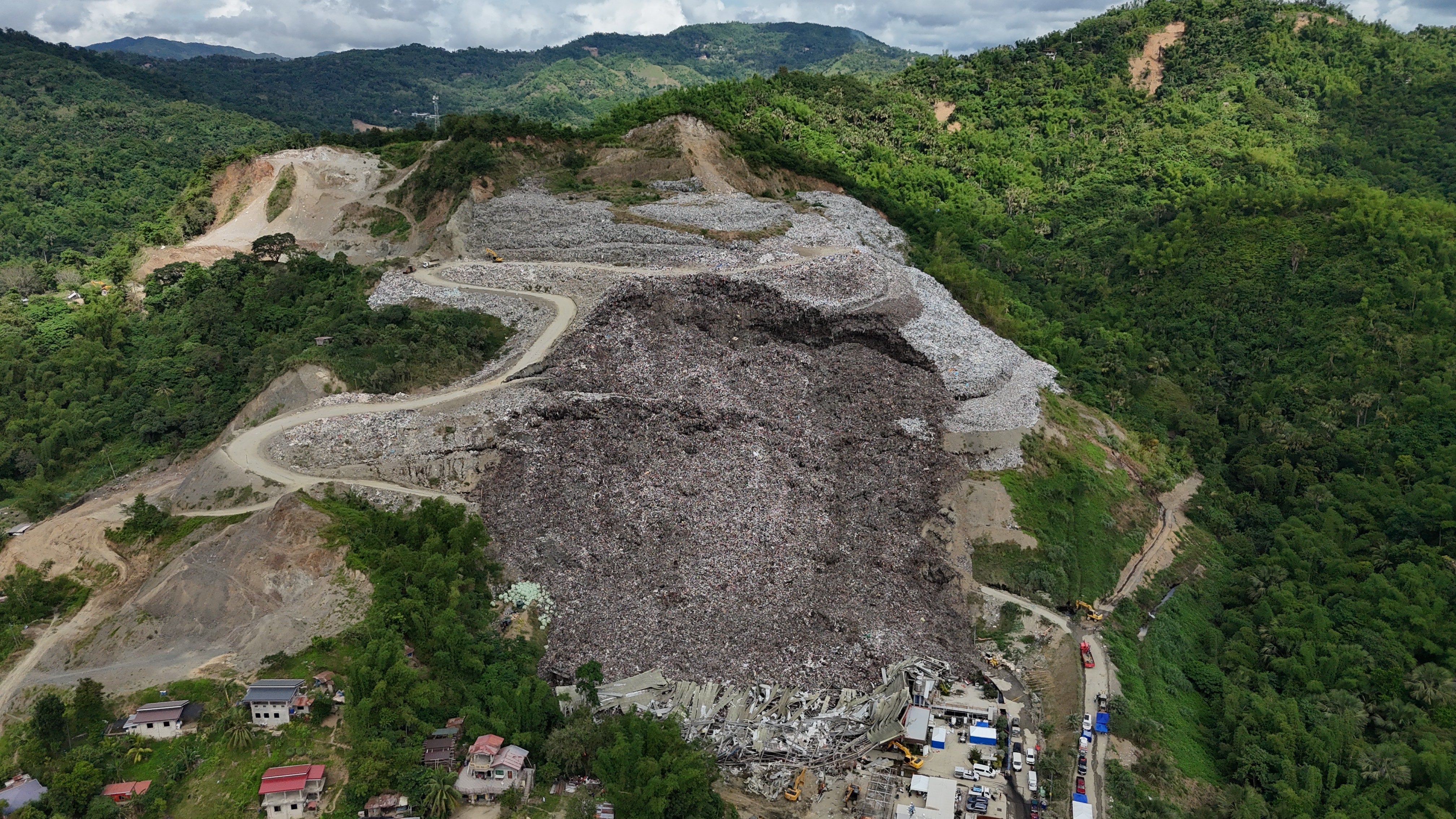
The disaster struck shortly before 5pm on 8 January, when a large mass of rubbish, steel and heavy equipment slid down, trapping workers inside a facility operated by Prime Integrated Waste Solutions.
The landfill serves Cebu as well as the neighbouring cities of Lapu-Lapu and Mandaue.
“Everything is finished and all the missing persons have been recovered,” Cebu City mayor Nestor Archival said. The investigation will immediately begin.”
National authorities were also reviewing the circumstances that led to the collapse.
The Department of Environment and Natural Resources earlier ordered the landfill’s operator to suspend activities and submit a compliance plan within 90 days, while officials were assessing whether safety and engineering standards were breached, according to the BBC.
Initial findings from the Mines and Geosciences Bureau, cited by local media, pointed to weeks of sustained rain that, combined with structural factors, could have weighed down the rubbish.
Mr Archival had earlier suggested that the mound of waste acted “like a sponge” after heavy rainfall brought by a typhoon in November, although other possible causes such as seismic activity were previously considered, according to The New York Times.
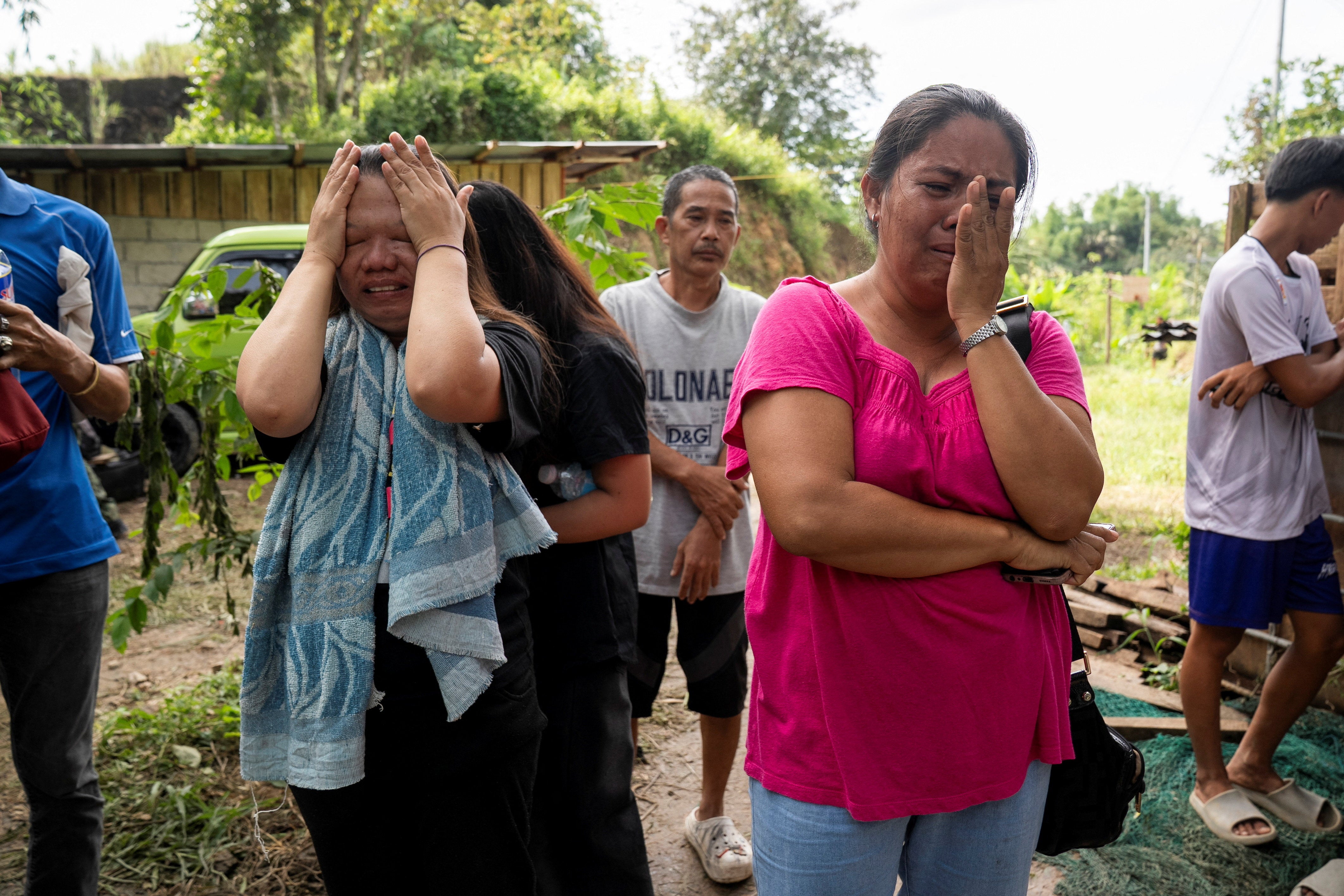
The Bureau of Fire Protection said all people reported missing were now accounted for, adding that monitoring of the area would continue.
The collapse has disrupted waste collection across Cebu, a city of about one million people and major commercial hub in the Visayas, the central group of islands in the Philippine archipelago.
City officials have been forced to divert rubbish to other areas while negotiating temporary disposal arrangements, a challenge made more urgent by the Sinulog festival, which draws millions of visitors every year and sharply increases waste volumes.
Lawmakers and environmental groups have renewed calls for broader reforms to the country’s waste management system and better protection for landfill workers, warning that similar sites exist close to residential areas across the Philippines.