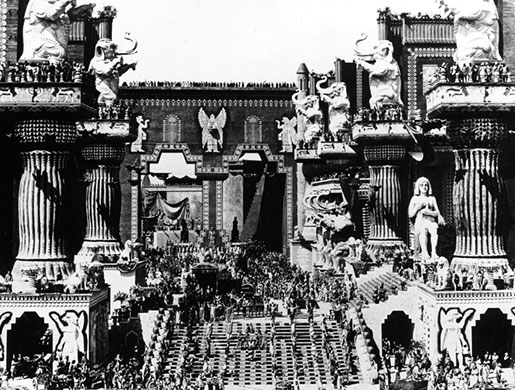
Intolerance (DW Griffith, 1916)
Interweaving four stories of social oppression from ancient Babylon to the present, Intolerance is epic in scale and ambition
Photograph: Ronald Grant Archive
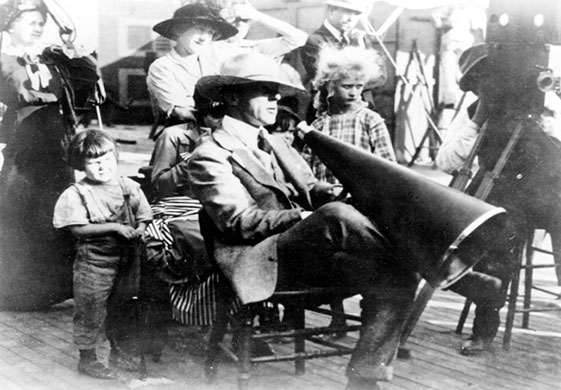
Intolerance (DW Griffith, 1916)
Griffith, pictured here on set, helped to create the grammar of film, and with the poisonous Birth of a Nation and the magnificent Intolerance he took American cinema from cave painting to quattrocento, catching up with and surpassing Europe’s achievements
Photograph: Ronald Grant Archive
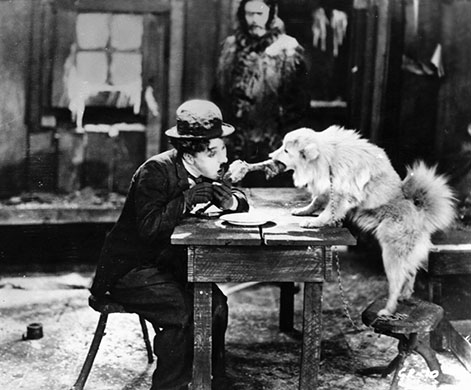
The Gold Rush (Charles Chaplin, 1924)
Chaplin was the most famous man on the planet when his tramp, a balletic farceur admired equally by Nijinsky and Einstein, sought his fortune in the Yukon in this, his first feature-length comedy
Photograph: Ronald Grant Archive
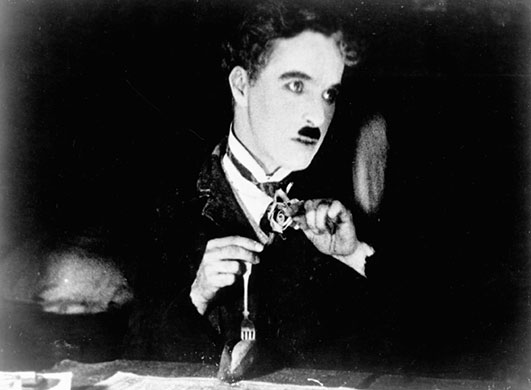
The Gold Rush (Charles Chaplin, 1924)
This technically simple, endlessly inventive film balanced laughter and pathos; its cabin fever sequence is unsurpassed. Chaplin was the only moviemaker powerful enough to challenge the coming of sound
Photograph: Ronald Grant Archive
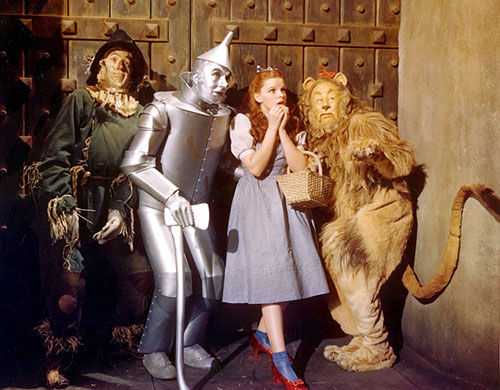
The Wizard of Oz (Victor Fleming, 1939)
The story of Dorothy, the Midwestern farm girl swept away to the land of Oz, was an established national favourite when the expertise of MGM transformed it into a magical musical that moved from the dust bowl of the Depression years to a Technicolor future Photograph: Everett Collection/Rex Features
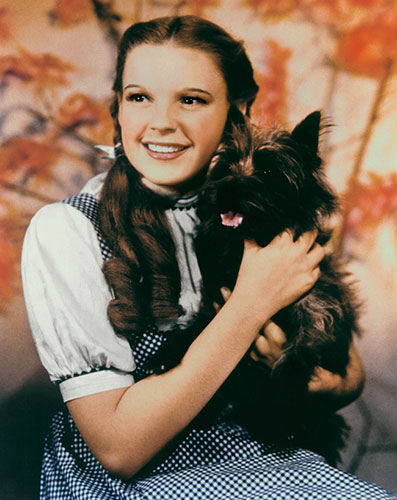
The Wizard of Oz (Victor Fleming, 1939)
Its songs became perennial favourites, and Judy Garland was transformed into a star and then an icon Photograph: Allstar
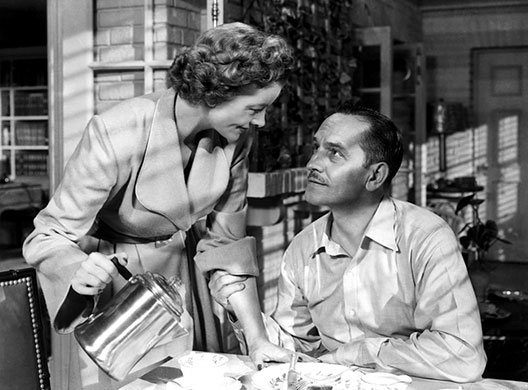
The Best Years of Our Lives (William Wyler, 1946)
This tale of war and peace was made in that small window of hope between the end of the second world war and the onset of the cold war
Photograph: Everett Collection /Rex Features
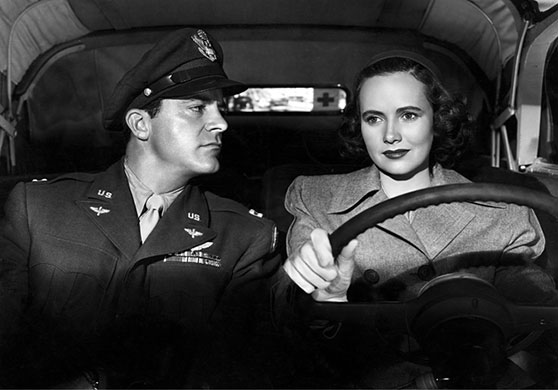
The Best Years of Our Lives (William Wyler, 1946)
Eloquently scripted by the Pulitzer prize-winning playwright Robert E. Sherwood, it’s about three servicemen adjusting to civilian life in a typical US city and is Hollywood prestige filmmaking at its best, if perhaps less bold and penetrating than it once seemed
Photograph: Everett Collection / Rex Feature/EVT
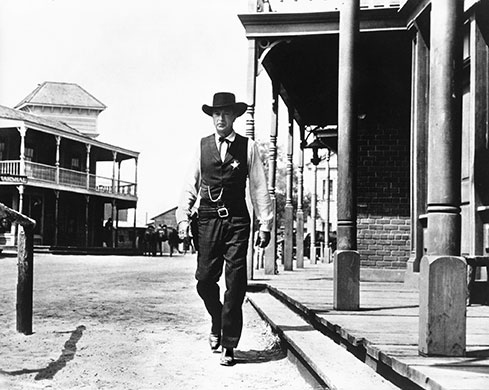
High Noon (Fred Zinnemann, 1952)
The western came into its own as an adult genre in the anxious post-war years. This pared down allegory starred the unimpeachably patriotic Gary Cooper
Photograph: Allstar
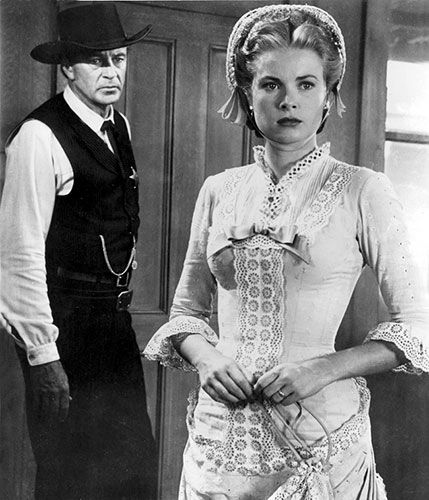
High Noon (Fred Zinnemann, 1952)
The film dared to attack McCarthyism in Hollywood and the nation at large in a way that cheered liberals and slipped under conservative barriers. John Wayne hated it and later appeared in the rightwing riposte, Rio Bravo
Photograph: Everett Collection/Rex Features
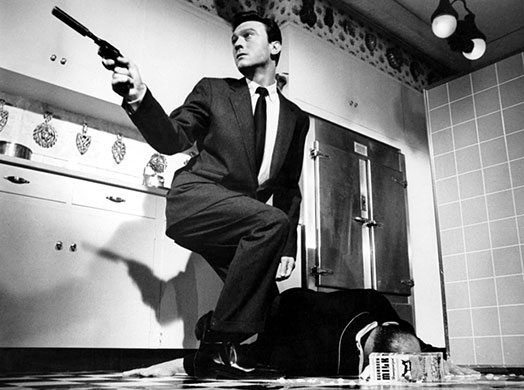
The Manchurian Candidate (John Frankenheimer, 1962)
This seminal conspiracy movie, set in Washington DC, mocked both McCarthyite witch-hunters and naive liberal fellow travellers. It recognised the growing influence of TV on politics and anticipated the string of assassinations that dominated the decade
Photograph: Everett Collection/Rex Features
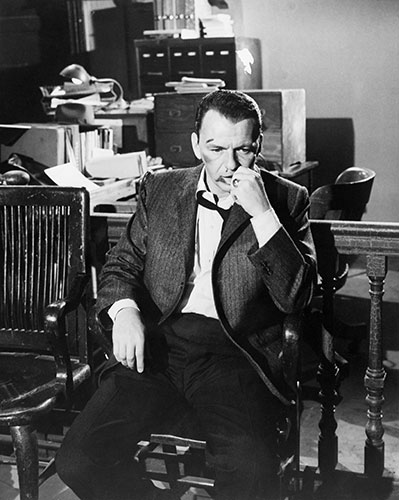
The Manchurian Candidate (John Frankenheimer, 1962)
President Kennedy helped get it made and allowed Frankenheimer to use the White House in his next film, Seven Days in May, a thriller about an attempted rightwing coup
Photograph: Corbis
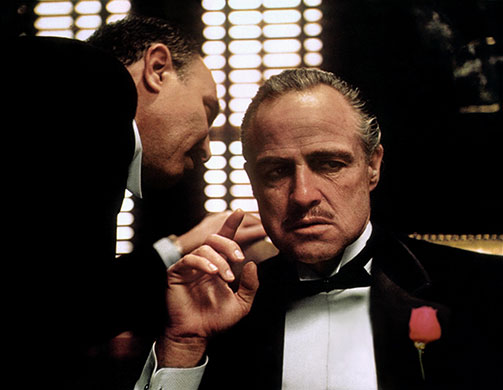
The Godfather (Francis Ford Coppola, 1972)
Coppola’s two Godfather films brought Hollywood up to international speed by melding European art house sophistication with American genre narrative and giving Brando his first challenging role in years Photograph: Allstar
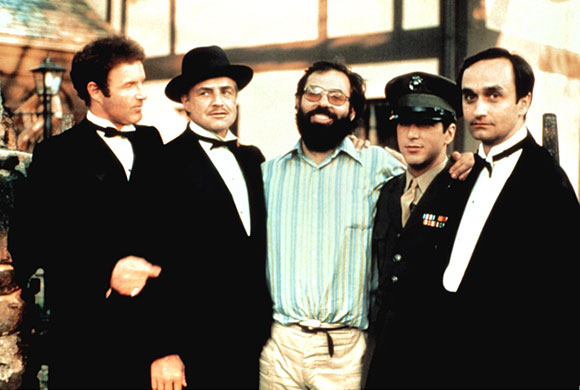
The Godfather (Francis Ford Coppola, 1972)
Coppola, pictured here flanked by the film's stars, was the dominant filmmaker of his decade, creating his own mini-studio, and directing the small-scale thriller The Conversation (1974), the first picture to plug into Watergate paranoia, and Apocalypse Now (1979), the most expansive of the Vietnam movies, both Palme d’Or winners at Cannes
Photograph: Everett Collection/Rex Features
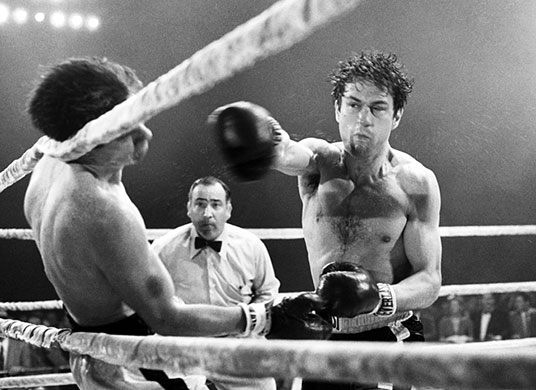
Raging Bull (Martin Scorsese, 1980)
Robert De Niro was the dominant US screen actor of the 1970s and 80s, and his complex portrayal of the Italian-American boxer Jake La Motta in his fourth collaboration with Scorsese is his greatest performance
Photograph: Rex Features
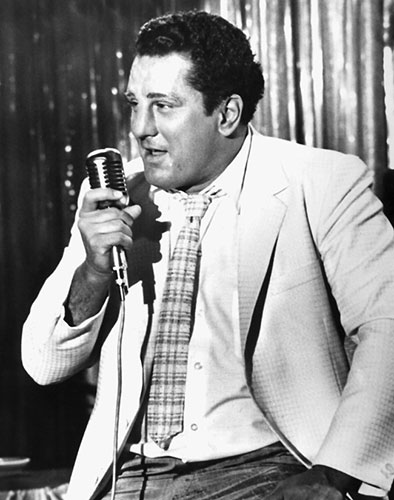
Raging Bull (Martin Scorsese, 1980)
It showed the depth and intensity Hollywood films were still capable of and was later voted the best American picture of the 80s
Photograph: Rex Features
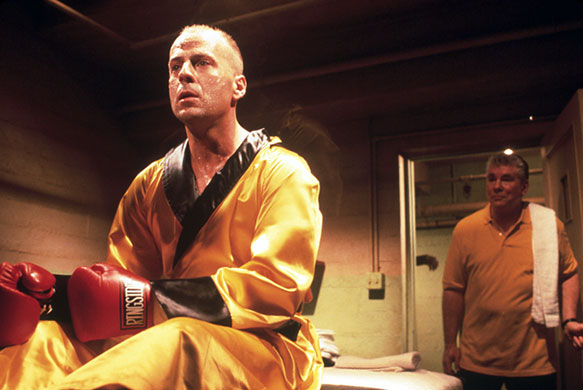
Pulp Fiction (Quentin Tarantino, 1994)
Tarantino learned his trade in a downmarket video store. His first film, Reservoir Dogs, was nurtured at the Sundance Institute and premiered there. His second, Pulp Fiction, won the Palme d’Or from a Cannes jury presided over by Clint Eastwood and Catherine Deneuve, and revived the flagging careers of Bruce Willis and John Travolta
Photograph: Rex Features
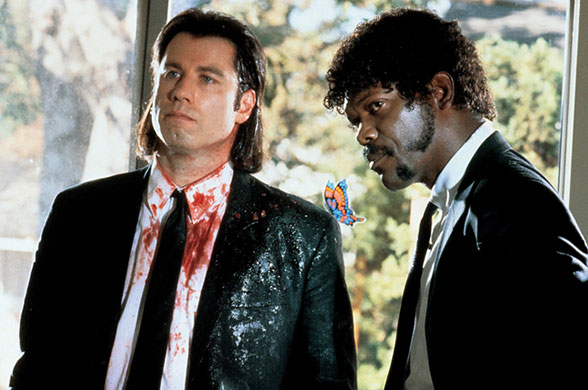
Pulp Fiction (Quentin Tarantino, 1994)
This post-modern thriller, a knowing combination of art-house and popular culture, made him the most influential director of his generation Photograph: Allstar
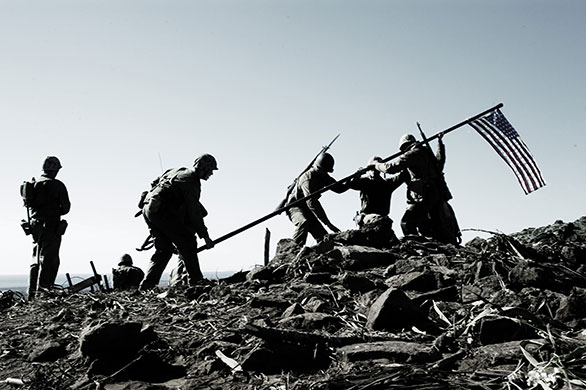
Flags of Our Fathers/Letters from Iwo Jima (Clint Eastwood, 2006)
This complementary diptych of thoughtful films about World War Two is a high point, though far from the end, of an illustrious Hollywood career. It now spans 55 years, from bit-part actor via minor TV lead and spaghetti western hero to industrial mover and shaker as major star, producer and director Photograph: PR
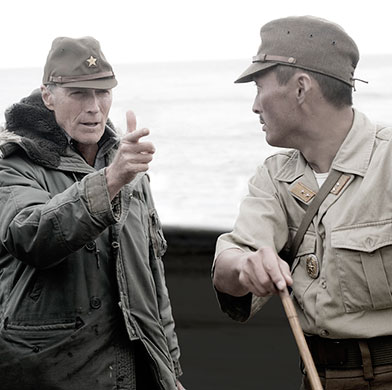
Flags of Our Fathers/Letters from Iwo Jima (Clint Eastwood, 2006)
Scott Fitzgerald, who died in Hollywood a burnt-out case aged 44, said: “There are no second acts in American lives.” Eastwood, pictured here on the set of Letters from Iwo Jima, proves there could be a five-act drama
Photograph: PR