COVID lockdown in Perth and Kinross and the rest of mainland Scotland will be extended until at least the start of March.
However, there will be a phased return for some pupils to the region's schools from Monday, February 22.
It will see a full-time return of early learning and childcare for all children below school age and a full-time return to school for pupils in primaries one to three.
Perth and Kinross animal lovers urged to think twice before attempting to rescue swans stuck in ice
There will also be a part-time return, on a very limited basis, for senior pupils to allow work that is necessary for the completion of national qualification courses.
Initially there will be no more than around five to eight per cent of a secondary school roll physically present at any one time for these purposes.
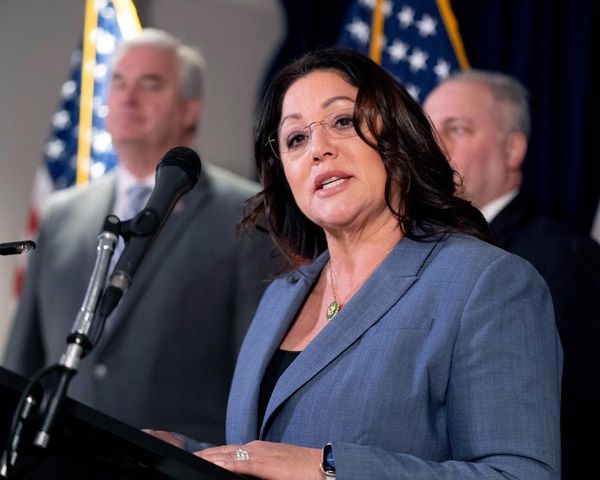
Nicola Sturgeon confirmed the news after a meeting with government ministers and health advisers, with more details and an update to be given in two weeks time.
Perth and Kinross Council tax freeze being considered as part of government's financial incentive
She also announced tougher supervised quarantine measures will be put in place for everyone who comes to Scotland directly from overseas.
However, the action stopped short of either a full closure of the UK’s borders or hotel quarantine for everyone.
The first minister added she is "cautiously optimistic" that "we may be able to begin looking towards a careful and gradual easing around the start of March."
Memorial bench vandalism condemned by Perth residents
The latest announcement comes amid growing concerns that Scotland's vaccination programme is lagging behind the rest of the UK.
Scotland has failed to reach its coronavirus vaccine target by more than 400,000.
In November health secretary Jeane Freeman said that a million Scots would be vaccinated by the end of January, however latest figures show just 575,897 people had been given the jab.
Vote to ‘decolonise curriculum’ at UHI colleges is passed
But the first minster insisted the government was "making good, rapid progress" in protecting those who are most at risk from COVID.
She added: "We have been trying to achieve as high an uptake as possible in the top priority groups and we believe we are achieving a higher uptake than elsewhere.
"So for example, we haven’t just offered vaccination to all older people in care homes, we have achieved an actual uptake of 98 per cent amongst residents and 88 per cent amongst staff working in older people’s care homes."