Americans are about to see major changes in the products sitting in their kitchens and bathroom cabinets as PFAS bans expand across the country. PFAS, often called “forever chemicals,” are synthetic compounds used to make products resistant to heat, water, grease, and stains, but researchers have linked long-term exposure to health concerns including hormone disruption, liver damage, and certain cancers. States including Minnesota, Maine, Colorado, and Vermont have already passed restrictions targeting cookware, cosmetics, food packaging, and textiles, with more laws scheduled to take effect through 2028. For consumers, these changes could mean fewer traditional nonstick pans on store shelves, reformulated beauty products, and more ingredient transparency from major brands. While some shoppers welcome tighter regulations, others worry about rising prices and confusion over which products are actually safer.
Why PFAS Bans Are Expanding Across the U.S.
The push for PFAS bans has accelerated because these chemicals do not easily break down in the environment or the human body, allowing them to accumulate over time. Studies have found PFAS contamination in drinking water systems, soil, wildlife, and even human blood samples across the United States, increasing pressure on lawmakers to act. Minnesota became one of the first states to prohibit intentionally added PFAS in several product categories beginning in 2025, while Maine and Colorado expanded restrictions that now include cookware and cosmetics. Industry groups argue that some PFAS compounds used in nonstick cookware remain safe when properly manufactured, but environmental advocates say consumers should not carry the burden of determining which versions are harmless. As a result, PFAS bans are increasingly shifting from limited reporting requirements to outright product restrictions in many states.
Your Nonstick Cookware May Soon Look Different
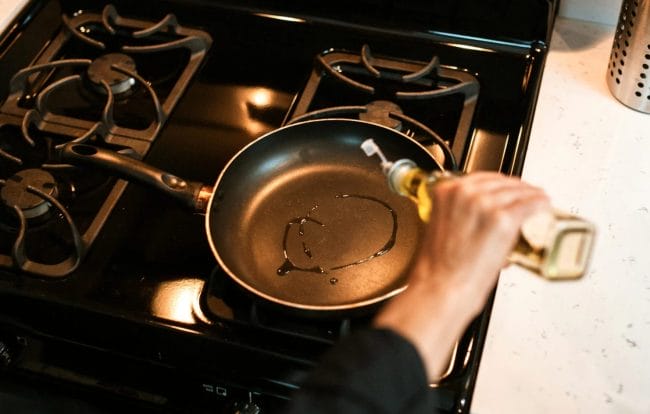
One of the biggest impacts of PFAS bans will likely appear in the cookware aisle because many traditional nonstick pans rely on fluorinated coatings tied to PFAS chemistry. Several states are already restricting cookware with intentionally added PFAS, and manufacturers are racing to develop ceramic, stainless steel, and cast-iron alternatives that comply with upcoming laws. For families replacing older pans, experts recommend avoiding scratched or damaged nonstick surfaces since wear and overheating can increase chemical concerns during cooking. Consumers may also notice new labeling requirements that clearly state whether cookware contains intentionally added PFAS, making comparison shopping easier than it was a few years ago. Although PFAS-free cookware can sometimes cost more upfront, many shoppers are deciding the long-term durability and reduced exposure concerns make the switch worthwhile.
Cosmetics and Personal Care Products Face New Scrutiny
Beauty and personal care brands are also being forced to reformulate products as PFAS bans spread into the cosmetics industry. PFAS compounds have historically been used in foundations, mascaras, lipsticks, and waterproof makeup because they help products stay smooth and resistant to sweat or moisture. States such as Maine and California have strengthened rules targeting toxic ingredients in cosmetics, while additional proposals across the country could further limit PFAS in personal care products over the next few years. Shoppers are already seeing more brands advertise “”PFAS-free”” formulas, though experts still recommend reading ingredient labels carefully because marketing claims can sometimes be vague or inconsistent. A realistic concern for consumers is that reformulated cosmetics may feel different or wear differently at first, but many companies are investing heavily in alternatives that deliver similar performance without relying on forever chemicals.
What Consumers Should Watch for Next
The biggest challenge with PFAS bans is that regulations vary widely from state to state, creating confusion for both retailers and consumers. Some laws target only intentionally added PFAS, while others focus on disclosure rules, testing requirements, or future phaseouts covering nearly all consumer goods. Online shoppers may especially notice changes because retailers selling nationwide often simplify inventory by removing restricted products entirely rather than creating state-specific versions. Experts expect more companies to adopt nationwide PFAS-free standards over the next several years because maintaining separate product lines for different states can become expensive and complicated. For consumers, the smartest approach is staying informed, checking product labels, and choosing trusted brands that clearly explain the materials and ingredients they use.
What Happens Next Could Change Everyday Shopping
PFAS bans are reshaping how Americans think about everyday products, especially cookware and cosmetics that many families use daily without much thought. While the transition may bring temporary confusion and higher prices, it is also pushing companies to become more transparent about the chemicals used in their products. Consumers who stay informed and pay attention to labeling will likely have an easier time navigating these changes as more restrictions roll out nationwide. Many experts believe these laws could eventually lead to safer household products and reduced environmental contamination in the long run.
What do you think about the growing wave of PFAS bans, and would you pay more for cookware or cosmetics labeled PFAS-free? Leave a comment and join the conversation.
What to Read Next
PFAS ‘Forever Chemicals’ Are Accelerating Biological Aging—Here’s How to Limit Your Exposure
Online Abuse Is Rising: 27% of Women Report Harassment, and Deepfakes Are Making It Worse
Hidden Ingredient in Your Hair Extensions? Study Finds Flame Retardants and Cancer-Linked Chemicals
The post PFAS Bans Are Coming: How New Laws Will Affect Your Cookware and Cosmetics appeared first on Budget and the Bees.