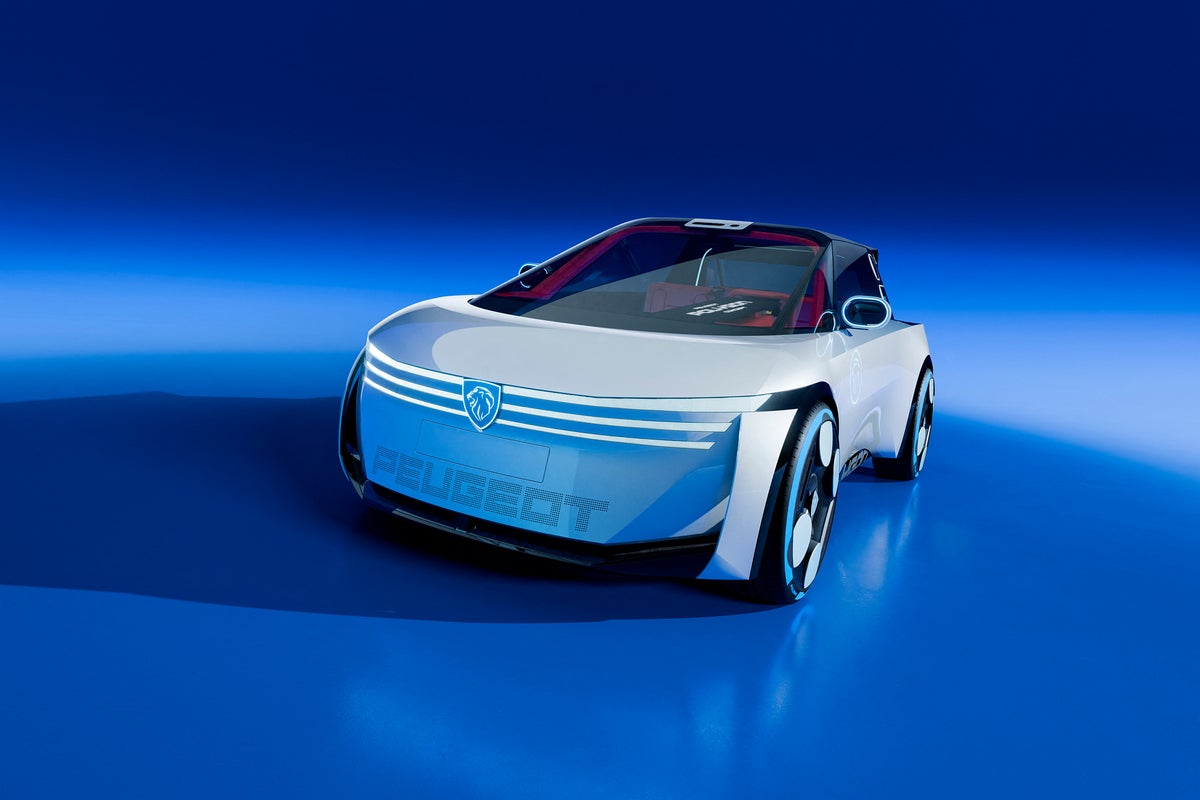
Peugeot has lifted the lid on what not only hints at the next 208 supermini, but what the French brand believes is the future of fun behind the wheel: the new Polygon concept.
The compact, sub-four-metre all-electric model is designed to demonstrate the next generation of driving tech that Peugeot says will begin appearing on its production cars from 2027 – just when a new 208 is due – including the brand’s headline feature: a complete reimagining of the steering wheel.
The Polygon concept is built around Peugeot’s new Hypersquare steering control (don’t call it a wheel) paired with advanced steer-by-wire technology. While car makers regularly talk about reinventing the driving experience, Peugeot is taking that claim rather literally. After more than a century of us gripping mostly round steering wheels, the brand is replacing the traditional circular design with a radical square-shaped controller that allows the driver to operate the steering electronically with, apparently, extraordinary precision.
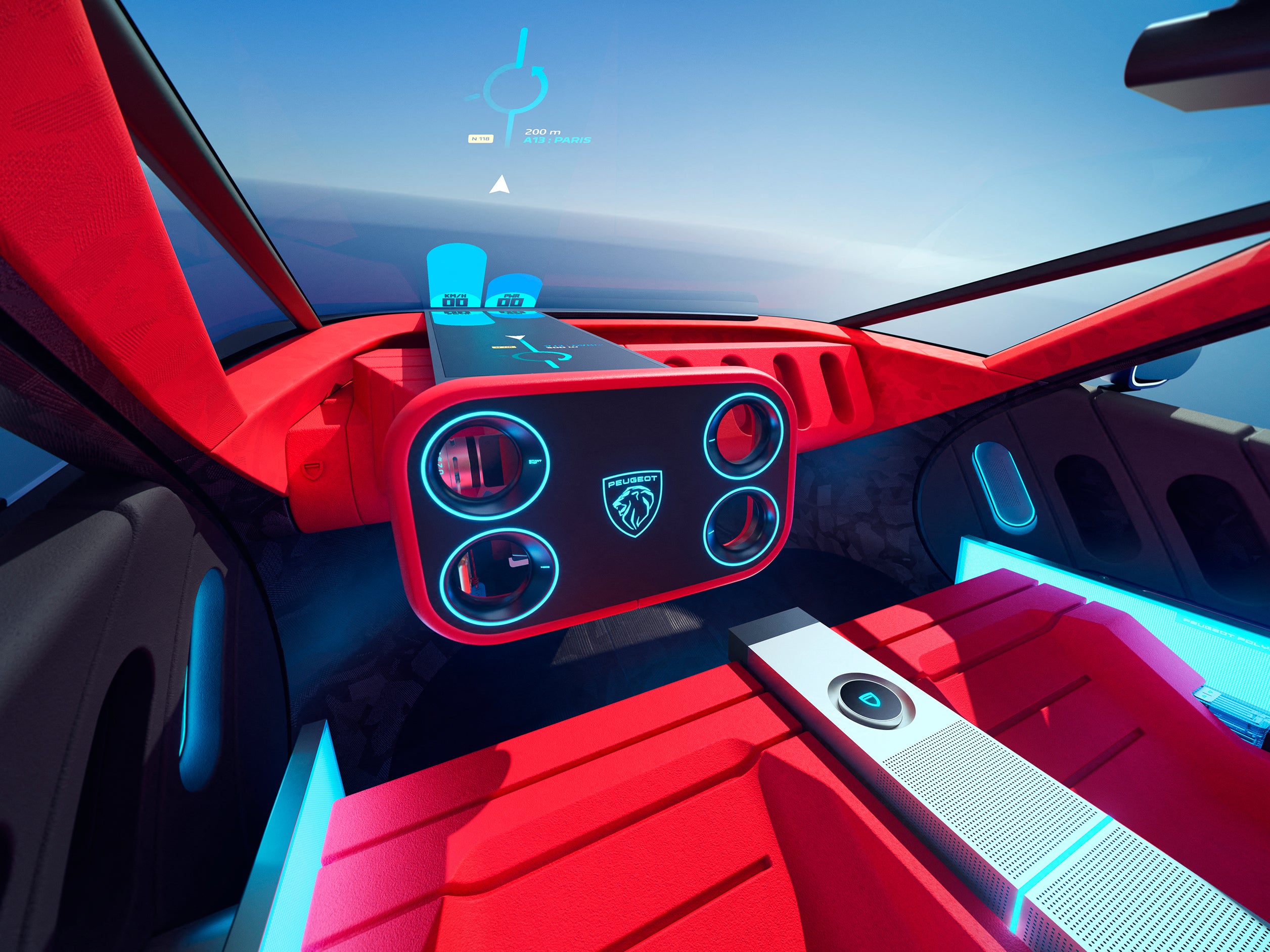
According to Peugeot, Hypersquare is “more than a new shape – it’s a new ergonomic approach” and the latest evolution of the brand’s familiar i-Cockpit. With steer-by-wire removing the mechanical connection between the steering and the front wheels, the system can adjust its ratio depending on speed. That means easier manoeuvring around town with less arm twirling – a maximum rotation of just 170° in each direction – and minimal input required at higher speeds to make the car feel more secure. Peugeot promises “exceptional responsiveness and precision” on the move, along with ideal levels of feedback while reducing unwanted vibrations.
Despite its futuristic technology, Peugeot insists the Polygon Concept is far from a fantasy showpiece. It has been engineered as a fully driveable prototype, already previewed in virtual form in the game Fortnite, and is now functioning as a physical testbed that drivers can experience in real-world conditions. The brand calls it “a true dynamic proving ground” for the features that will define the next chapter of Peugeot’s EV strategy.
The i-Cockpit has been pushed into new territory, with the windscreen acting as a full infotainment display thanks to a vast Micro-LED panel behind the Hypersquare controller. Removing conventional dashboard screens frees up cabin space and gives the driver a 24cm-by-74cm projected image – equivalent to a 31-inch display – directly in their line of sight. This system supports different visual environments depending on whether the car is stationary or in motion, and Peugeot has designed lighting and animations that synchronise both inside and outside the vehicle.
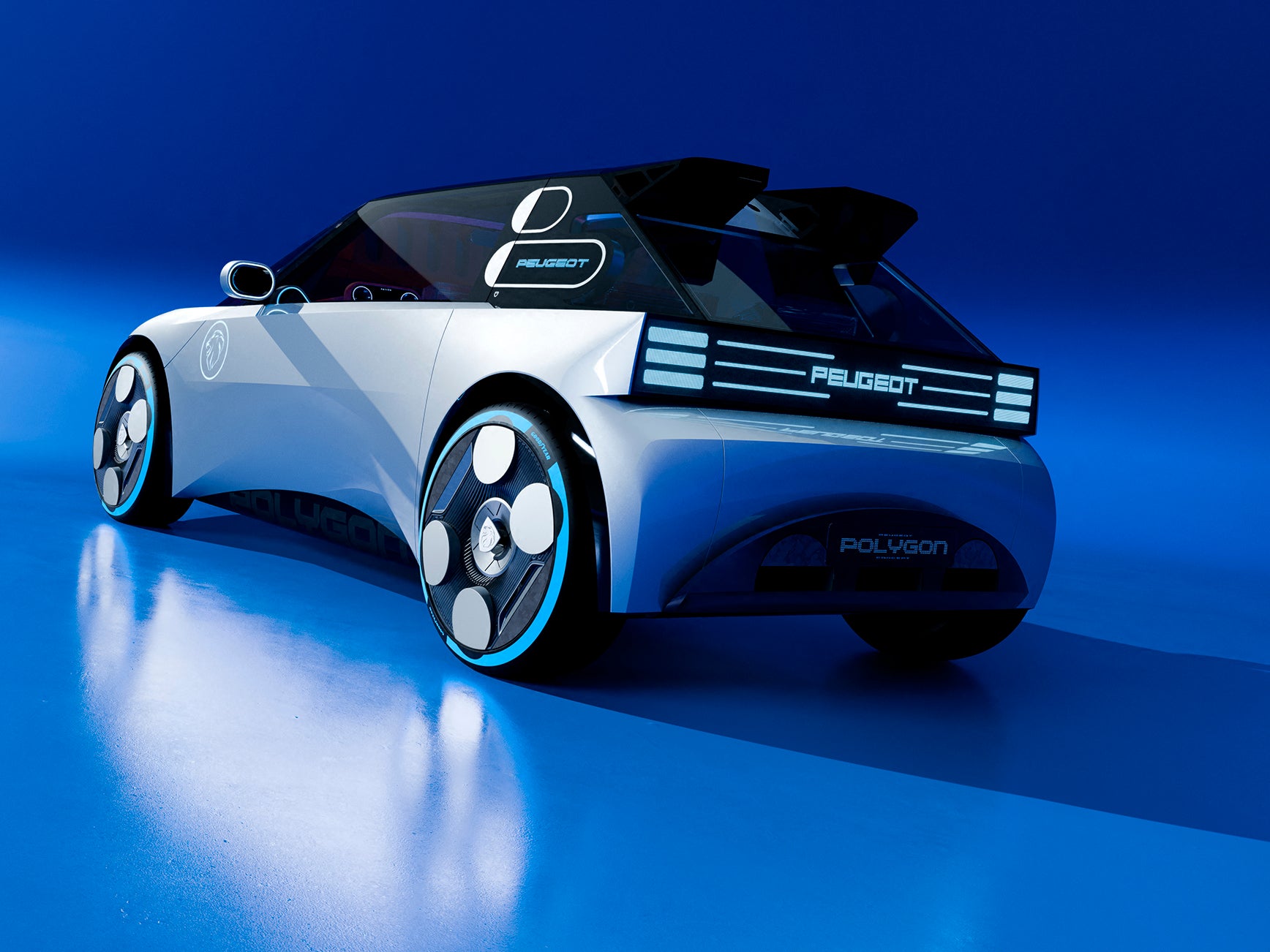
Exterior design is also used as a canvas for Peugeot’s new Micro-LED ambitions. The iconic three-claw lighting signature is has been reimagined with a dramatic new horizontal arrangement, animated by multiple Micro-LED panels front and rear. A separate Micro-LED display on the C-pillar hints at the iconic Peugeot 205 and offers a clever charging interface, allowing owners to check charge levels at a glance from outside the car.
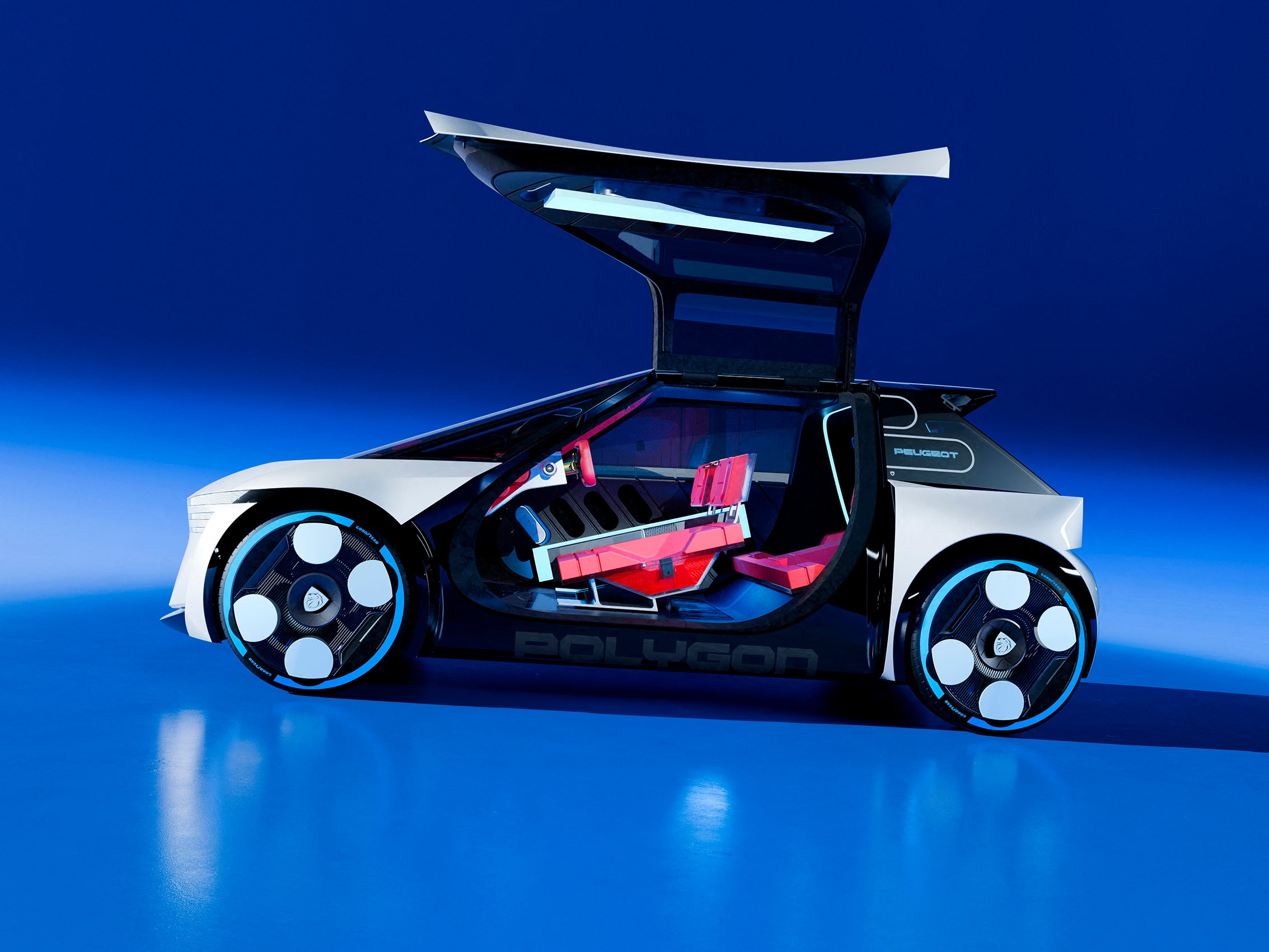
Sustainability plays a major role in the Polygon concept’s construction with a focus on recycled materials and reduced component counts, with forged textile made from dismantled Peugeot seats used across the cabin, and 3D-printed R-PET shells forming the base of the new seats. Even the interior lacquer contains recycled materials sourced from end-of-life tyres. The firm says fewer parts mean not only lighter weight but also easier end-of-life disassembly and maintenance.
As with rival small cars like the Mini, Peugeot is also pushing personalisation. Components including the Hypersquare controller, parts of the dashboard, seats and wheel covers can be swapped quickly, allowing the car to evolve over time. Goodyear has developed laser-engraved tyres with coloured sidewalls to complement the concept’s configurable aesthetic, supported by the brand’s SightLine intelligent tyre technology for real-time road and tyre condition insights.
To show just how adaptable the Polygon concept can be, Peugeot has created three themed configurations: Urban, Player and Explorer, each with unique styling cues. All were first presented within the Fortnite game and are now part of the concept’s real-world story.
Peugeot says the Polygon name reflects the vehicle’s many facets – “one distinct concept car with multiple personalities” – and positions it as the brand’s clearest vision yet of how driving enjoyment, design purity and environmental responsibility will come together in its future electric cars, likely to start with 2027’s new Peugeot 208 supermini.
Lexus NX review: Is it moving with the times enough to stay in the spotlight?
Range Rover plug-in review: A magisterial hybrid SUV
Kia Niro review: Practical all-rounder for those seeking a compact plug-in hybrid
Geely EX5 review: Sensational value SUV with a little help from Lotus
Hyundai Ioniq 6 N review: The sports car for the PlayStation generation
10 best cheap electric cars: Affordable EVs worth ditching petrol and diesel for