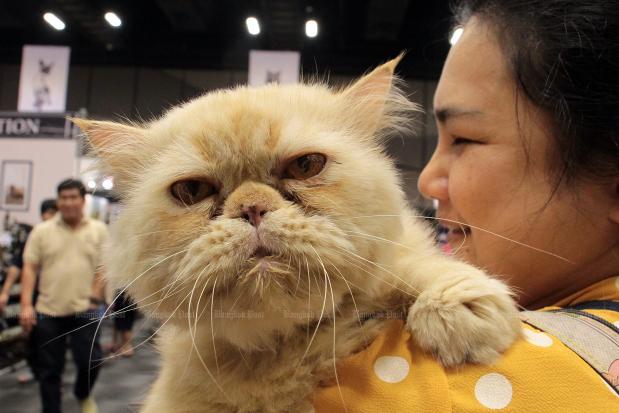
The government plans to extend its reach to cover the prices of medicines, medical supplies and medical services at clinics and pet hospitals after a host of complaints about the high cost of private medical care for pets.
Whichai Phochanakij, director-general of the Internal Trade Department, said authorities were ready to act immediately now that they have put rules in place to ensure fairer prices for medicines, medical supplies and medical services charged by private hospitals for humans.
The practices and processes applied will be similar to those used by the Commerce Ministry to prevent price-gouging for medical supplies and medical service charges.
The proposal was initiated by the Internal Trade Department and later forwarded to the central committee on prices of goods and services to place on the price-control list.
The government maintains a price-control list covering essential items for daily use such as food, consumer products, farm-related products (fertilisers, pesticides, animal feed, tractors, rice harvesters), construction materials, paper, petroleum and medicines.
Listed foods include garlic, rice paddy, milled rice, corn, eggs, cassava, wheat flour and yoghurt.
If the proposal is approved by the central committee, it will be sent to the cabinet for passage.
Approval would allow state officials to exercise power to regulate fees for medical supplies and services, such as recovery room charges, food charges, and x-ray and patient care charges.
On Jan 22, the cabinet approved the ministry’s proposal to put medical and healthcare expenses on the price-control list amid growing concerns over the high cost of private medical care.
The central committee also approved setting up a separate subcommittee to study the appropriate cost structure for medical supplies and service charges nationwide.
The subcommittee has identified 868 items listed as medical supplies and 5,286 as medical services.
Earlier, the department analysed the cost structure of 3,892 medicines widely used under the scheme and found that 353 private hospitals charge patients markups ranging from 300% to 900% on top of production costs.
According to Mr Whichai, the department is scheduled to invite representatives of 70 private hospitals sometime after July 12 to explain why prices of medicines sold at their dispensaries could be up to as much as 16,000% more than their recommended retail prices.
July 12 is the deadline the central committee has set for private hospitals to provide information about their prices to the Internal Trade Department.
Once the prices have been compiled and adjusted, the department will publish the prices on its website for the public to refer to before they make a decision about seeking treatment at private hospitals.
Mr Whichai said private hospitals must also inform the Internal Trade Department of the prices of medicines in advance before raising their prices.
The announcement, which became effective last month, also requires private hospitals to provide prescriptions to all emergency patients and to all types of patients at a later stage. Patients can then choose whether to fill the prescriptions at the hospital or at an outside pharmacy.
The prescriptions must give both the trade and scientific names of the medicines.
Failure to comply with the new rule could result in a five-year prison term and/or a fine of up to 100,000 baht.