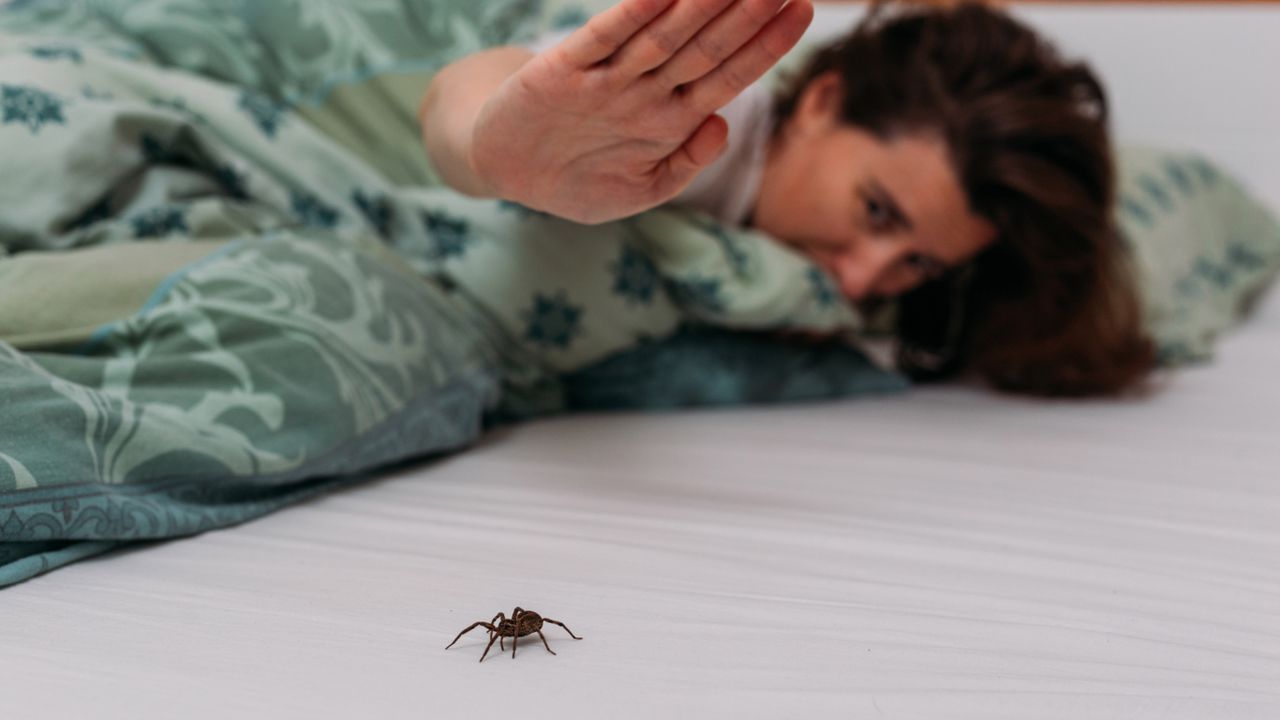
When it comes to household pests, spiders are seemingly everywhere. Not only can are these creepy crawlies notorious for hiding in your home, but can leave unsightly cobwebs for you to clean up.
And if your first instinct is to squish these eight-legged pests on sight, you might want to think again. In fact, you could be responsible for creating more spiders to invade your home— according to experts. Or worse case, you could risk being bitten or have serious health issues. So before you slay any spiders, here's what the pest experts advise.
Don’t squash spiders at all costs
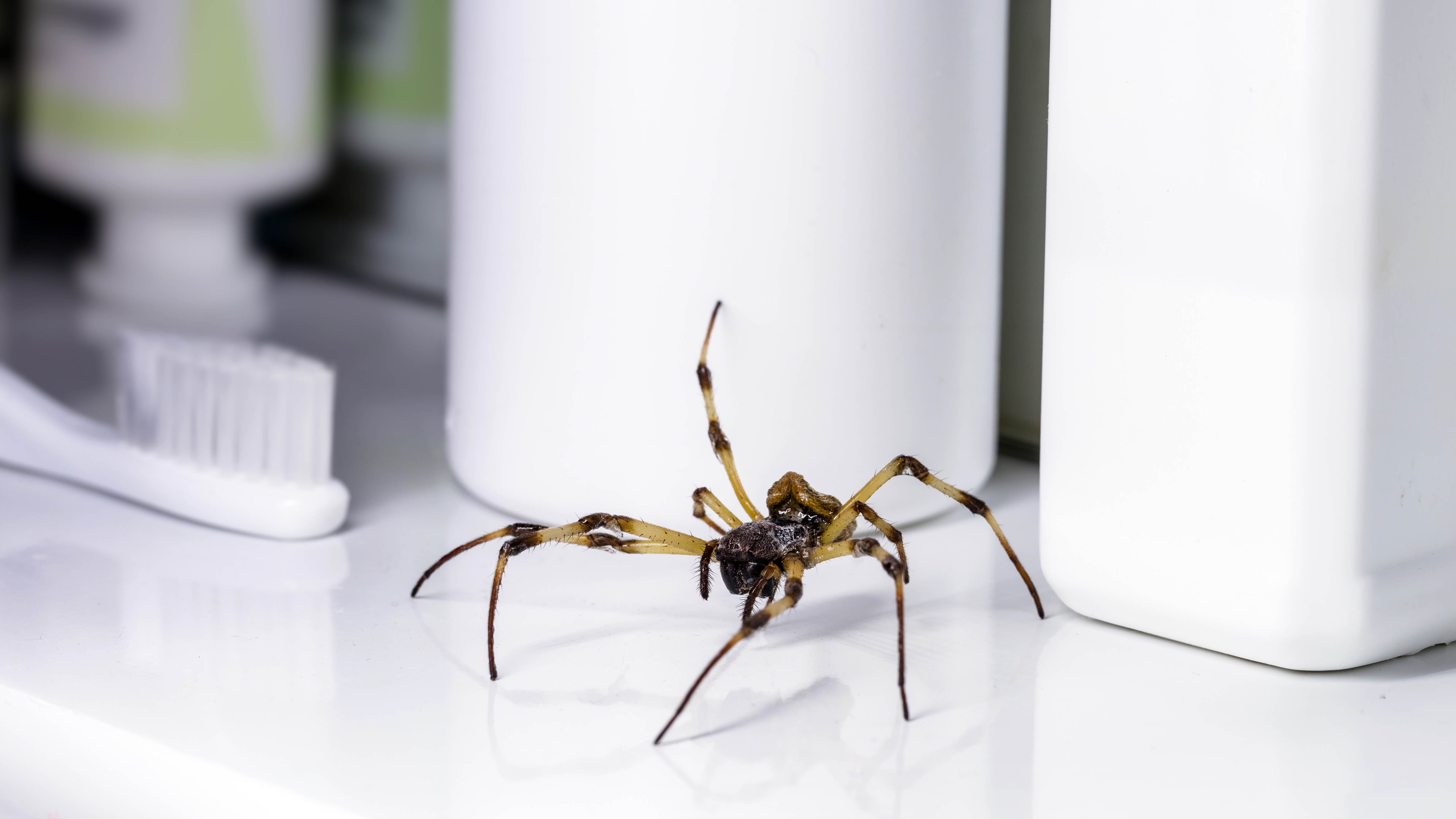
This might make you squeamish, but if by chance your squashed spider is female, you could release dozens of baby spiders — creating an infestation.
“Killing one can actually increase pest problems,” states Nicole Carpenter, President of Black Pest Prevention.
“Squashing a female may release dozens of baby spiders if she’s carrying eggs. And squashing spreads pheromones that attract more scavengers.
Some spider species eat other spiders, including venomous ones like brown recluses. So when you kill one, you’re potentially tipping the balance in favor of the bad guys.”
Squashing a female may release dozens of baby spiders if she’s carrying eggs
What’s more, the spread of any internal fluids in the air can trigger any existing allergic reactions.
“It can also leave behind stains and unpleasant odors on your walls or ceilings; and in some cases, their internal fluids may attract other pests or trigger allergic reactions in sensitive individuals.” states Jason Napolski is the CEO and President of A-tex Pest Management.
You might be dealing with dangerous species
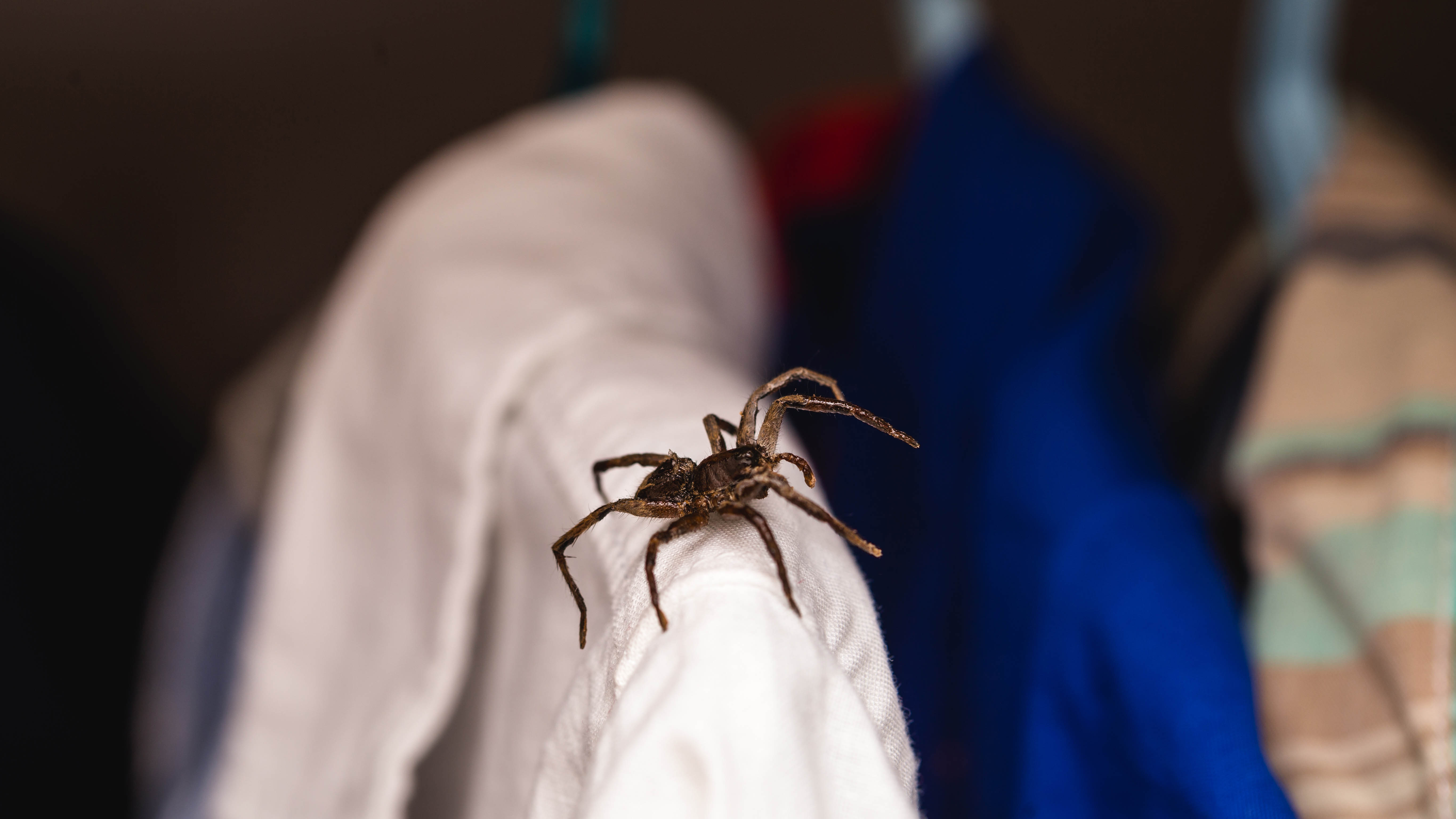
Although they may all look alike, not all spiders are created equal, and you’ll need to beware of which species are invading your home.
“Do not forget that there are many dangerous and venomous spider species that would love to find shelter in your home,” adds Kris Bagnara, certified entomologist at All ‘U’ Need Pest Control.
“Brown recluses and black widows are two spiders you need to be particularly careful of, as their bites can be deadly and they are commonly found around homes.
You should never squash spiders in your home without first knowing what kind of house spiders they are."
If in any doubt, it’s always a good idea to call your local pest control services to best advise you on what species you’re dealing with.
After all, you don’t want to end up bitten or seriously hurt.
Spiders are beneficial for your home
On a good note (if there is any consolation), there are actually some benefits for spiders in our home.
These crawlies feed on other pesky insects, which in turn, act as an alternative method of pest control.
“Some spiders are actually pest control specialists themselves,” agrees Ed Dolshun, Tech Director of CatchMaster. “They can feed on flies, ants, and even mosquitos. Though no one really wants to co-habitat with any insect.
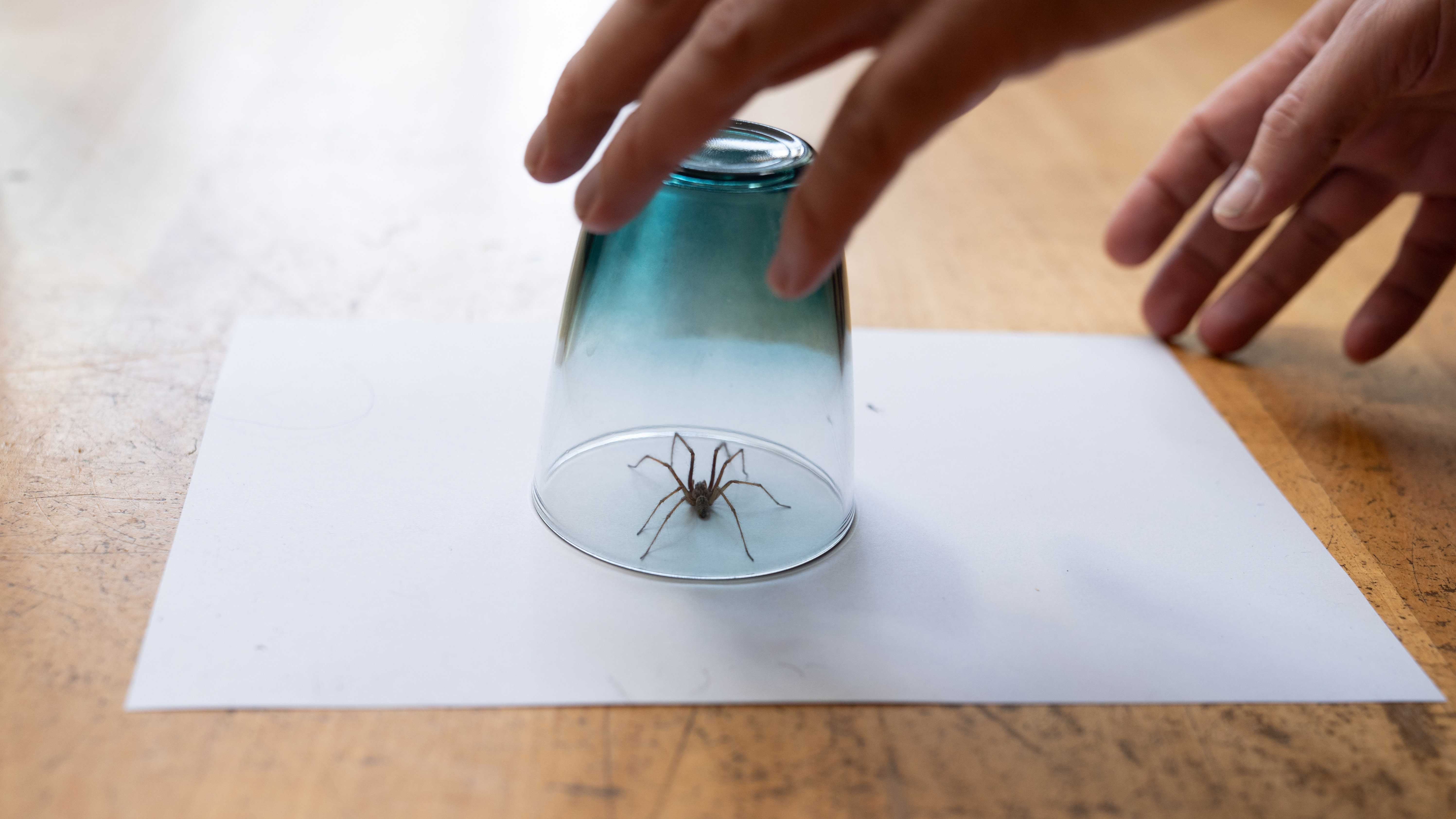
"If you want to be rid of spiders in your home space, I would encourage you to not squash. You can either do two things: You can do the catch and release method using a jar and a piece of paper of some sort, or you can utilize glue boards to get them caught without having to spray harmful chemicals into your home.”
Alternatively, another effective, non-toxic method is the use of essential oils.
Top tip for keeping spiders at bay

Simply mix a few drops of peppermint essential oil with water in a small bottle. Spray directly into corners, around cracks and any other trouble areas where you often spot spiders.
What’s more, essential oils can also be added to homemade cleaning products to help deodorize surfaces.