Today we are witnessing a new era of realism. Bord Bia (the Irish Food Board), conducted research with British and Irish consumers to identify how consumer sentiment and behaviour has changed. An air of optimism now exists as people feel more in control of their life and approach future uncertainties with a more positive attitude.
An emphasis on the future and a deeper cultural reflection has redefined personal and societal values. This positive purpose emphasises the future and the desire to live responsibly. 56% of global consumers understand that by being as self-reliant as possible, they will better increase the chances of succeeding in today’s world. People are no longer just economising but are learning to live responsibly. Resilient and resourceful consumers have started to move on to a more open and grounded outlook, giving rise to new connection points.
Climate conscious
We’re seeing a greater consumer understanding that we are living in a world where resources are increasingly in short supply. Appetite for saving resources has grown as solutions have migrated from the fringes to the mainstream, reinforced by rising resource costs. More sophisticated solutions are emerging that help people and companies to use fewer resources; from packaging design to farming methods. As we become more climate conscious we see increased efforts to protect the world’s environment and biodiversity. Carbon emissions continue to receive attention and media coverage of issues such as sustainability of fish stocks are starting to appear on people’s radar.
Good causes
Whilst this issue exists as a global topic, we found that consumers are looking within their own world for choices and changes that they can make. When considering more responsible choices, where the outcome is more tangible, the benefit is clearer. Where the outcome leads to a local or personal benefit (as well as a wider social or environmental benefit), the choice is more motivating.
Supporting a worthy cause through purchase choices highlights how shoppers increasingly expect brands and retailers to be leading the way with ethical and sustainable practices. Increasingly, this means taking a holistic “cradle to grave” approach, beginning with ensuring that suppliers have sound sustainability credentials, or even helping them improve the sustainability practices of their own businesses. It is now becoming easier to locate low impact products and they are expanding into more categories and into the mainstream.
War on waste
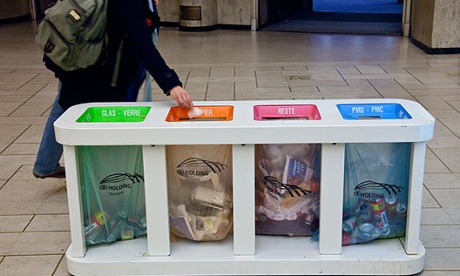
Concerns around the impacts of wasteful food consumption heighten when their is direct exposure or media attention. But there is an established tradition of responsible consumption in Britain and Ireland and a longstanding consciousness about food waste. The recessionary environment has further ingrained this trend with people increasingly looking for ways to plan meals and food purchases to efficiently manage personal finances. Whilst consumers are actively trying to reduce the wasteful results of consumption, many people are increasingly looking toward companies and institutions to lead the way and to help them reduce their waste; expecting real proof of the positive impacts they claim to make.
Embracing seasonality
Improved education on embracing seasonality as another means of living responsibly has led to a growing interest in consuming seasonal produce. Consumers we talked to explained how they are actively trying to make the most of what’s available locally at that time. An increased availability of information about when, where and how foods are grown has triggered an interest in buying seasonally. Mainstream brands and retailers are demonstrating more commitment to sourcing seasonal produce whilst high-end independent brands are making exclusive use of seasonal ingredients as their selling point.
Social and environmental concerns remain of high importance for people. But high priority does not always mean top priority and many people seek to balance issues of ethics and finances as well as they can manage. They want to make better choices in their daily lives and ones that will make a difference without having to compromise. Therefore, affordable choices and easy-to-do actions resonate with individuals wanting to live more responsibly.
Helen King is director of consumer insight and innovation at Bord Bia
Content on this page is paid for and provided by the Irish Food Board, supporter of the Food hub.