Are you feeling emotionally down these days? Do you wake up feeling weird and unclear about your future?
With the pandemic affecting us, our choices are limited in many ways.
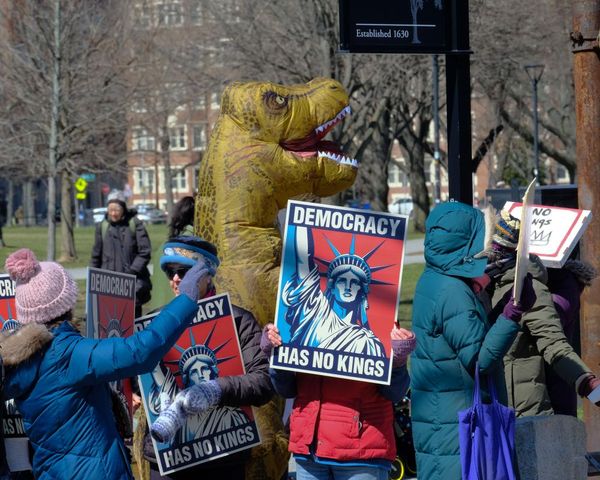
On top of the COVID-19 worries, our country is dealing with demonstrators and law enforcement trying to come together on important issues.
It's impossible to avoid negative thoughts, but it also takes a lot of strength to replace those thoughts with something positive. We all need to focus on what we do have control over.
"My adult daughters, who lived five hours away from me in Nashville, had to temporarily move back home," says a vision specialist we'll call Dr. Andrews. "They both lost their jobs, and they feel awful they had to leave their friends. My daughters are very depressed."
"I'm an employee of a large theme park," says a friend of ours we'll call Bethany. "Thankfully, I receive unemployment benefits and extra money each week from the government. But, if the COVID-19 virus lingers, I'm worried I'll have to devise a new plan to survive."
If you can identify with these stories of anxiety, try these tips:
_ Check out your support system. All of us need family members, friends, business associates, and community leaders to rely on. Start reaching out for individuals who can offer advice, help you financially, if needed, and help you think through your choices. Be very proactive in staying connected to individuals you can lean on.
_ Don't blame people for your problems. Instead, just focus on creating solutions that will truly work. Your determination will give you more confidence. Keep telling yourself, "I will figure out how to navigate through these tough times."
_ Remember that being proactive negates worry. Taking steps of action will reduce depression.
It's amazing how much better you can think, if you firmly believe you can handle a crisis. Of course, you can't deny reality _ however grim or difficult _ but keep vowing that you will find new solutions and opportunities.
"Positive thinking doesn't mean you'll stick your head in the sand," says a psychologist we'll call Teresa. "Accept the landscape in front of you and then say, 'I'll figure out what to do, and I'll find a new route to reach my goals.'"
Getting a handle on depression boils down to "new choices." Ask: What can I do differently to ensure my community, my finances, and my mental health improve? What can I do differently to boost my physical health?
It helps to change your daily routine in small, doable steps. For example: Apply for a new job online, starting with a resume you write this week. Ride your exercise bike in 15-minute increments two or three times a day. Call one or two friends every night.
"Avoid extreme thinking," says a women's basketball coach we'll call Leah. "Saying you've got to change three major problems in a week won't work. I learned this a long time ago in the sports world. Deciding to start a new routine with small steps does work."
"Moderation is the key to balancing your life," Leah continues. "Depression is the result of beating ourselves up, believing we've got to take giant steps."
When we feel inept to change something, or just too tired to move forward, we lose hope. We get depressed. But, moving in small steps assures us we can cope and come out on the other side of any challenge.