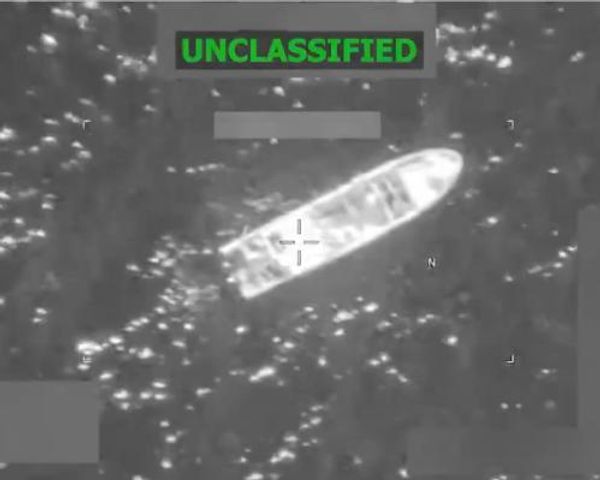
Storms and wrecks sound like the stuff of Victorian novels, but ships can still founder in severe weather. This year, on 29 September, the container ship El Faro, left Jacksonville, in Florida, bound for Puerto Rico. But it headed into Hurricane Joaquin, which was east of the Bahamas.
In the last onboard report, reportedly on 1 October, the ship noted loss of main engine power and that water was being taken in. But though the ship was listing at 15 degrees the situation was described as “manageable”. When coastguards later found floating life rings bearing the ship’s name, they concluded that El Faro had sunk with 33 people on board.
Container ships often lose some of the containers stacked on deck during storms. A hurricane like Joaquin, with winds exceeding 100mph, and 16-metre high waves, presents a real hazard. A heavy cargo of cars and containers could have made El Faro more unstable in the high seas.
Other ships in the area took evasive action. Azure Bay, a tanker, circled back south of Cuba to ride out the storm. “We try to avoid large storms,” a spokesman for Azure Bay’s owners told Reuters.
It is not known why El Faro’s captain chose that route. A month earlier he had hugged the Florida coast to avoid Tropical Storm Erika, but on 30 September he steered directly into Joaquin’s track rather than heading west for the Florida coast or slowing to assess the situation.
Satellite tracking shows El Faro’s last position to have been 50 miles from the eye of the hurricane, a disastrous situation for a ship without power.